+256-702 595 926 | info@bookgorillatracking.com

Best Time to Visit Uganda: Gorilla Trekking & Safari Guide

Best Time to Visit Uganda: Weather, Gorilla Trekking and Safari Seasons
Uganda, famously known as the Pearl of Africa, is an incredible destination for travelers seeking unforgettable wildlife encounters, lush tropical forests, spectacular waterfalls, and breathtaking landscapes. From tracking endangered mountain gorillas in Bwindi Impenetrable National Park to watching elephants and lions on the savannah, Uganda offers extraordinary safari experiences throughout the year.
But what is the best time to visit Uganda?
The answer depends on your travel interests. Some visitors prefer the relatively dry months for gorilla trekking and wildlife safaris, while others choose the greener rainy seasons for birdwatching, photography, fewer crowds, and potentially better accommodation deals.
At Raptors Africa Safaris, we help travelers plan memorable journeys around their preferred activities, travel dates, and budgets. This guide explains Uganda’s weather patterns, the best months for different safari experiences, and practical tips to help you choose when to visit.
Whether you are planning a gorilla trekking adventure, a chimpanzee tracking experience, a wildlife safari, or a combination of activities, understanding Uganda’s seasons will help you make the most of your trip.
Understanding Uganda’s Weather and Seasons
Uganda lies along the equator and enjoys a tropical climate, with temperatures influenced by altitude, rainfall, and regional geography. The country can be visited throughout the year, but weather conditions differ between rainforest regions, mountainous areas, wetlands, and open savannah parks.
Many parts of Uganda experience two main drier periods and two wetter periods.
Dry Season: June to September
June to September is generally considered Uganda’s main dry season. It is one of the most popular times for international visitors because many safari destinations experience more manageable travel conditions.
During this period, forest trails may be less slippery, roads between national parks can be easier to navigate, and wildlife viewing in savannah parks is often rewarding. These months are particularly suitable for travelers combining gorilla trekking with chimpanzee tracking and traditional game drives.
July and August are especially popular, so it is advisable to arrange gorilla permits and preferred accommodation well in advance.
Short Dry Season: December to February
December to February is another favorable period for visiting Uganda. January and February are popular for gorilla trekking, chimpanzee tracking, game drives, boat cruises, and outdoor adventures.
This period is particularly attractive to travelers escaping winter in Europe and other parts of the Northern Hemisphere.
However, dry-season conditions are not guaranteed every day. Bwindi and other rainforest destinations can receive rainfall even when the surrounding regions are relatively dry.
Long Rainy Season: March to May
March to May is generally a wetter period in many parts of Uganda, with April often experiencing substantial rainfall.
Forest trails can become muddy, some rural roads may be more difficult to navigate, and outdoor activities may require greater flexibility. Nevertheless, the rainy season transforms Uganda’s countryside into a lush green landscape, offering beautiful scenery and excellent photography opportunities.
Travelers who do not mind occasional showers may also find quieter destinations and seasonal accommodation offers, depending on their chosen lodge and itinerary.
Short Rainy Season: October to November
October and November commonly bring another period of increased rainfall. The countryside becomes greener, and birdwatching can be rewarding, but forest trails and unpaved roads may become slippery.
This can be a good period for travelers seeking a quieter safari experience, provided they are prepared for changing weather and a flexible schedule.
Important: These seasonal patterns are general guidelines, not guarantees. Uganda’s rainfall varies between regions and from year to year, so your destination and planned activities matter as much as the month you travel.
Best Time to Visit Uganda for Gorilla Trekking
Gorilla trekking is one of Uganda’s most sought-after wildlife experiences. Visitors travel to Bwindi Impenetrable National Park and Mgahinga Gorilla National Park to encounter endangered mountain gorillas in their natural habitat.
For many travelers, the best time for gorilla trekking is during the relatively dry periods of June to September and December to February.
During these months, trails are often easier to walk, and the chances of encountering prolonged rainfall during a trek may be lower. However, gorilla trekking takes place in tropical forests, where humidity, mist, and occasional showers are common throughout the year.
Gorilla trekking is possible during the rainy seasons too. The main difference is that wet conditions can make steep forest trails more slippery and physically demanding.
If you are planning your first gorilla trekking experience, consider these factors:
- For generally easier trekking conditions: Consider June to September or December to February.
- For potentially quieter travel periods: Consider March to May or October to November.
- For photography: Both seasons can be rewarding, with drier months offering more sunshine and wetter months producing lush greenery and atmospheric forest scenery.
- For permit availability: Book early for popular travel dates, particularly July, August, and the Christmas and New Year holidays.
Gorilla sightings are possible throughout the year, but no particular month guarantees a shorter trek or a specific encounter.
Explore our 6-Day Uganda Gorillas and Wildlife Safari to discover how you can combine a mountain gorilla encounter with Uganda’s outstanding wildlife attractions.
Best Time for Chimpanzee Tracking in Uganda
Uganda is one of Africa’s leading destinations for chimpanzee tracking, with Kibale National Park being a particularly popular location.
Chimpanzee tracking takes visitors into tropical forests where experienced guides help locate habituated chimpanzee communities. Other destinations, including Budongo Forest and Kalinzu Forest, also offer chimpanzee tracking opportunities.
Chimpanzee tracking is available throughout the year, although rainfall can influence trail conditions, walking comfort, and the overall pace of the experience.
The relatively dry months are often preferred by visitors who want easier walking conditions and a safari itinerary with fewer weather-related complications. During wetter months, the forest becomes lush and vibrant, making the experience appealing to nature lovers and photographers.
If you want to see both chimpanzees and mountain gorillas, consider arranging your trip around permit availability and travel distances between the destinations.
A well-planned itinerary can combine Kibale National Park, Queen Elizabeth National Park, and Bwindi Impenetrable National Park for a varied primate and wildlife adventure.
Best Time for Wildlife Safaris in Uganda
Uganda’s savannah parks offer opportunities to see elephants, lions, buffaloes, giraffes, antelopes, and numerous other wildlife species.
The drier months are often favored for traditional game drives because vegetation may be less dense in some areas, wildlife can concentrate around water sources, and road conditions may be more manageable.
January to February and June to September are popular periods for visiting destinations such as:
- Murchison Falls National Park: Known for savannah game drives, elephants, giraffes, and boat cruises along the Nile.
- Queen Elizabeth National Park: Famous for its wildlife, crater lakes, and boat trips along the Kazinga Channel.
- Kidepo Valley National Park: A remote wilderness destination with expansive savannah landscapes and remarkable wildlife.
- Lake Mburo National Park: A convenient destination for wildlife viewing, zebra sightings, and guided walking safaris.
Wildlife safaris are possible during wetter months, too. The landscapes are greener, and some parks may have fewer visitors, but rainfall can affect road access and visibility.
Your safari operator can help select the most suitable destinations based on your travel dates, wildlife interests, and available time.
Best Time for Birdwatching in Uganda
Uganda is a remarkable birdwatching destination, with diverse habitats that support a wide variety of resident and migratory species.
Birding can be rewarding throughout the year, but seasonal changes influence bird activity, habitat conditions, and the species you may encounter.
The wetter months can offer lush vegetation, active birdlife, and opportunities to observe migratory birds. However, heavy rainfall may reduce visibility and make some walking trails more difficult.
The relatively dry months can be more comfortable for moving between birding locations and exploring wetlands, forests, and savannah habitats.
Popular birdwatching destinations include Mabamba Bay, Bwindi Impenetrable National Park, Queen Elizabeth National Park, and Murchison Falls National Park.
Mabamba Bay is particularly well known for the possibility of spotting the shoebill. If birdwatching is your main interest, discuss your target species with your safari planner before deciding on the best travel dates.
Best Time for Hiking, Waterfalls, and Scenic Landscapes
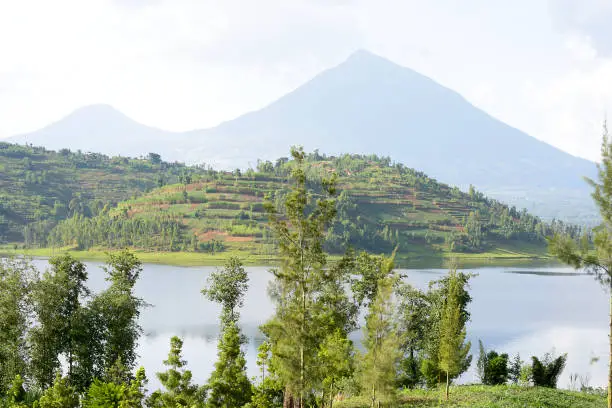
Uganda’s scenery changes beautifully throughout the year. Rolling green hills, volcanic mountains, crater lakes, tropical forests, and waterfalls create exceptional opportunities for hiking, photography, and outdoor exploration.
The relatively dry months of June to September and December to February generally provide more comfortable conditions for many outdoor activities. Trails may be less slippery, and road transfers can be easier in some locations.
During the rainy seasons, landscapes become especially green and waterfalls can be impressive. However, persistent rain may make some trails muddy and steep sections more challenging.
Popular destinations for hiking and scenic experiences include Sipi Falls, Mount Elgon, the Rwenzori Mountains, and the Virunga volcanic region around Mgahinga Gorilla National Park.
Conditions differ significantly by altitude and trail, so check local guidance before planning a hike. Mountain environments can be cold and wet even during periods that are relatively dry elsewhere in Uganda.
Best Time to Visit Uganda Month by Month
The following table provides a general overview to help you select your travel dates.
| Month | Typical seasonal conditions | Recommended activities |
|---|---|---|
| January | Generally drier in many regions | Gorilla trekking, chimpanzee tracking, game drives |
| February | Often relatively dry and warm | Primate tracking, wildlife safaris, outdoor adventures |
| March | Rainfall often increases | Birdwatching, photography, green landscapes |
| April | Often one of the wetter months | Nature photography and flexible safari itineraries |
| May | Wet conditions may continue | Birding, lush scenery, quieter travel |
| June | Main dry season begins in many regions | Gorilla trekking, wildlife viewing, hiking |
| July | Popular dry-season travel period | Gorilla trekking and multi-park safaris |
| August | Generally favorable conditions in many destinations | Wildlife safaris, primate tracking, hiking |
| September | Often a favorable transition period | Gorilla trekking, wildlife viewing, photography |
| October | Short rains commonly begin | Birdwatching, green landscapes, flexible travel |
| November | Rainfall may remain frequent | Birding, photography, quieter safari experiences |
| December | Conditions often become drier as the month progresses | Gorilla trekking, wildlife safaris, festive-season trips |
These are broad seasonal patterns rather than precise weather forecasts. Conditions may differ between southwestern Uganda, the northern savannah parks, and mountainous regions.
When Is Uganda Busiest for Safari Travel?
Uganda’s relatively dry months attract many international visitors, particularly during June to September and December to February.
July and August can be especially busy because of school holidays in Europe and other international markets. The Christmas and New Year period also experiences increased demand.
During these peak periods, accommodation near popular national parks can fill quickly, and preferred gorilla trekking permits may be difficult to secure at short notice.
Traveling during March to May or October to November may provide a quieter experience in some destinations. Certain lodges and tour operators may offer seasonal rates, although savings depend on the provider and travel dates.
If your dates are flexible, compare different months before making your decision. If you have fixed international flights or a particular gorilla trekking date in mind, prioritize permit availability and accommodation reservations.
How Far in Advance Should You Book a Uganda Safari?
If gorilla trekking is the main reason for your visit, it is wise to plan early.
Gorilla trekking permits are limited, and demand is particularly strong during popular dry-season months and holiday periods. Waiting until the last minute can limit your choice of trekking date, sector, or lodge.
Booking several months ahead is a useful starting point, especially if you are traveling in a group or have fixed dates. More advance planning may be necessary for popular holiday periods.
Once your trekking permit is arranged, organize accommodation, transport, and other activities around your confirmed date.
It is also sensible to arrive near your assigned trekking sector the day before your gorilla trek. This reduces the risk of a long transfer or unexpected road delays affecting your experience.
Practical Tips for Choosing the Best Time to Visit Uganda
1. Plan Around Your Main Activity
If gorilla trekking is your priority, start by considering permit availability and the trekking conditions you prefer. Build the rest of your safari around that experience.
If your main interests are birdwatching, wildlife photography, or hiking, your preferred destinations and seasonal priorities may lead to a different choice.
2. Expect Mud Even During the Dry Season
Bwindi and Mgahinga are forest environments, so rain and damp trails are possible in any month.
The aim of traveling during a drier period is to improve the likelihood of more comfortable conditions, not to guarantee a completely dry trek.
3. Build a Buffer Day Into Your Itinerary
Avoid scheduling your gorilla trek immediately after a long international arrival or a demanding road transfer.
An extra night near the trekking destination can make your itinerary more comfortable and provide flexibility if travel takes longer than expected.
4. Choose a Flexible Itinerary
If you travel during the rainy season, allow some flexibility where possible. Discuss alternative activities with your safari operator and avoid making every day dependent on perfect weather.
Some activities have fixed schedules, including permit-based experiences, so these should be confirmed before arranging other plans.
5. Select Accommodation Near Your Activities
Uganda’s parks can cover large areas, and the location of your lodge can affect your daily schedule.
For gorilla trekking, choosing accommodation near your assigned sector can reduce early-morning driving. For wildlife safaris, consider how far your lodge is from the game-drive areas and other activities you want to enjoy.
6. Work With a Local Safari Operator
An experienced local operator can coordinate permits, accommodation, park activities, and transport while helping you select destinations that suit the season.
This is especially helpful if you want to combine several parks or travel during months when rainfall may affect road conditions.
What to Pack for Uganda in Every Season
Whether you visit during the dry or rainy season, pack for warm days, cool mornings, and changing weather.
Essential items include:
- A lightweight waterproof jacket or rain shell.
- Breathable clothing suitable for humid weather.
- Long-sleeved shirts and long trousers for forest activities.
- Sturdy hiking boots with good grip.
- Trekking gloves for holding vegetation during forest walks.
- A waterproof daypack or dry bag for valuables.
- Insect repellent, sunscreen, and sunglasses.
- A reusable water bottle.
- Light warm layers for cool mornings and higher elevations.
- Binoculars and a camera, if desired.
For gorilla trekking, consider hiring a local porter to carry your bag and assist you on steep or muddy sections. This can make the trek more manageable while supporting livelihoods in communities around the national parks.
Final Thoughts: What Is the Best Time to Visit Uganda?
The best time to visit Uganda depends on your interests, budget, and preferred travel conditions.
For many visitors seeking relatively comfortable gorilla trekking, chimpanzee tracking, wildlife viewing, and road travel, June to September and December to February are the most popular periods.
The wetter months can be equally rewarding for travelers who appreciate lush landscapes, birdwatching, photography, and quieter destinations. With suitable clothing and a flexible itinerary, you can enjoy Uganda’s wildlife and scenery throughout the year.
Whether you dream of meeting mountain gorillas in Bwindi, tracking chimpanzees in Kibale, watching elephants on the savannah, or exploring Uganda’s dramatic waterfalls, choosing the right season can help you get more from your adventure.
Plan Your Uganda Safari With Raptors Africa Safaris
Ready to explore the Pearl of Africa?
Raptors Africa Safaris can help you plan a personalized Uganda safari based on your preferred travel dates, activities, and budget. From gorilla trekking and chimpanzee tracking to wildlife safaris and scenic adventures, we can help you organize a memorable journey.
Visit Book Gorilla Tracking to explore safari options and start planning your adventure.
Contact our team to discuss your travel dates, check gorilla permit availability, and create a Uganda safari tailored to your interests.
Frequently Asked Questions About the Best Time to Visit Uganda
What is the best month to visit Uganda?
January, February, June, July, August, and September are popular choices for travelers seeking relatively dry conditions. The best month depends on your preferred activities, destinations, and availability.
What is the best time for gorilla trekking in Uganda?
The relatively dry periods of June to September and December to February are generally favored because forest trails may be easier to navigate. Gorilla trekking takes place throughout the year, including during wetter months.
Can I visit Uganda during the rainy season?
Yes. Uganda is a year-round destination. During the rainy season, you should prepare for muddy trails, occasional heavy showers, and possible changes to road travel or outdoor activities.
Is December a good month for a Uganda safari?
Yes. December is a popular month for gorilla trekking, chimpanzee tracking, wildlife viewing, and boat safaris. Conditions often become drier as the month progresses, although rainfall is still possible. The Christmas and New Year period can be busy, so advance booking is recommended.
Is the rainy season cheaper for Uganda safaris?
Some lodges and tour operators may offer seasonal discounts during wetter months, and certain destinations may be quieter. However, prices vary by provider, and you should confirm current permit, accommodation, and transport costs before booking.
How far in advance should I book a gorilla trekking permit?
Booking several months in advance is recommended, especially for popular dry-season dates and the Christmas and New Year holidays. Availability depends on the trekking date, sector, and group size.
Does it rain during Uganda’s dry season?
Yes. Rain can occur throughout the year, particularly in tropical forest and mountainous areas. Waterproof clothing is recommended even if you plan to visit during the relatively dry months.
Can I combine gorilla trekking with a wildlife safari in Uganda?
Yes. Many visitors combine gorilla trekking in Bwindi or Mgahinga with chimpanzee tracking in Kibale and wildlife viewing in Queen Elizabeth or Murchison Falls National Park. The ideal itinerary depends on the number of days available and your preferred activities.