+256-702 595 926 | info@bookgorillatracking.com

Serengeti vs Uganda Safari

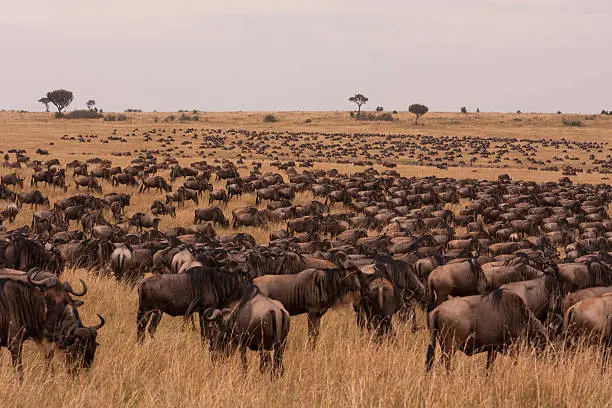
Choosing between a Serengeti safari (Tanzania) and a Uganda safari is one of the hardest “Africa dream trip” decisions because both deliver unforgettable wildlife encounters. Yet they feel fundamentally different. The Serengeti is synonymous with sweeping savannah, large herds, and the dramatic energy of the Great Migration (seasonally). Uganda, known as the “Pearl of Africa,” offers a rare mix of classic safari landscapes plus some of the world’s most immersive rainforest primate experiences, especially gorilla trekking and chimpanzee tracking.
So which is better? It depends on what you want to see, how you like to travel, and what kind of memories you want most: iconic “big safari” moments or intimate, emotionally powerful primate encounters.
This article compares Serengeti vs Uganda safari across the factors that matter most, wildlife, landscapes, activities, logistics, cost, and who each destination suits best, so you can choose with confidence.
Savannah Spectacle vs. Primate Power
Serengeti Safari (Tanzania)
The Serengeti is one of the best places on Earth for large-scale wildlife viewing. It’s famous for vast open plains, predators hunting in open grassland, and, at certain times of year, the Great Migration, when huge herds move across the ecosystem.
In many Serengeti trips, game drives are the main event. You’ll spend long stretches scanning plains for movement, following tracks, and experiencing the “scale” of African wildlife that’s hard to replicate elsewhere.
Uganda Safari
Uganda also offers wildlife and safari game drives, but its signature is different. Uganda is one of the few places where you can combine gorilla trekking, chimpanzee tracking, and traditional safari elements in parks like Murchison Falls and Queen Elizabeth.
Instead of being dominated by open plains, your adventure can shift from savannah to rainforest within a single itinerary, often with highly personal animal encounters close to the ground and in dense forest.
In short, choose Serengeti for open-landscape “big game” drama. Choose Uganda for a blend of safari and once-in-a-lifetime primate trekking.
Serengeti Wildlife Highlights
Serengeti game viewing is famous for the classic cast: lions, cheetahs, leopards, elephants and buffalo (more in the broader ecosystem), herds of zebra, wildebeest, and antelope. If you go during migration season, the migration adds a “moving story” to your trip, something like a living map of the savannah. Even if you’re not travelling specifically for the migration, the ecosystem still supports large herds and frequent predator activity.
Uganda Wildlife Highlights
Uganda is more varied in ecosystem types, so the wildlife “feel” can be broader: elephants and buffalo in savannah and river corridors, giraffes and many antelope species in suitable areas, predators in certain seasons and locations, and, crucially, the primates: gorillas and chimpanzees.
Uganda’s wildlife can be less predictable in terms of predator action during game drives than the Serengeti, because animals may be more spread out across different habitats. But the primate experiences are generally “scheduled”—you track families, and when you find them, it’s unforgettable.
Game Drives vs Trekking Days
A Serengeti safari typically revolves around: morning and afternoon game drives, occasional walking safaris or cultural visits, and lodges positioned for wildlife viewing. Your day is usually structured around daylight and movement. Guides use sightings, tracks, and local knowledge to position vehicles for the best chances. You’ll spend time learning the “logic” of predator hunting and herd behaviour.
Uganda itineraries often include: gorilla trekking (a full expedition day), chimpanzee tracking (also a forest-focused trekking experience), boat trips and wildlife drives in national parks. A gorilla trekking day can be physically demanding and mentally intense. You walk through thick vegetation following trackers; when you encounter gorillas, the focus becomes quiet attention rather than constant vehicle searching. It’s not just about seeing an animal; it is about observing family behaviour in the wild.
Landscapes and “Photo Style”
In Serengeti, expect panoramic savannah horizons, dust and sun in the dry season, dramatic predator moments in grassland, and “scale” shots where animals appear tiny against huge landscapes. The Serengeti is ideal if you love wildlife photography that emphasizes environment and distance.
Uganda Photos: Texture, Green, and Close Encounters
In Uganda, expect lush rainforest greens and misty forest light, close primate encounters with complex behaviour, rivers, waterfalls, and crater-lake scenery, depending on the itinerary, dense vegetation framing the story of the day. Uganda is ideal if you love detail, hands, movement, faces, and the feeling of being “inside” the ecosystem.
Serengeti Timing Matters a Lot
The Great Migration is seasonal, so timing can significantly change the experience. Even without migration, the dry/wet seasons influence vegetation density and visibility, animal movement patterns, and road conditions in surrounding areas. If you go at the wrong time for your migration expectations, you may still have an excellent safari, but it may not deliver the same herd spectacle.
Uganda Timing Is More About Comfort and Trail Conditions
Uganda has rainy and drier periods, which affect road travel and transfer times, trail conditions for trekking days, and overall comfort during transfers. However, primate trekking happens year-round. In wetter months, treks can be muddier and more challenging, but the opportunity generally remains.
Which Is More Expensive?
Costs vary based on lodge category, group size, and what’s included. But there’s a common pattern:
Serengeti safaris can be expensive because the destination is extremely popular and often includes premium lodges and vehicle-based guiding across large areas.
Uganda safaris can also be expensive, often because gorilla trekking involves limited permits and high operational costs tied to the trekking program. In practice, both can land in similar budget categories, but the cost drivers are different.
The “Best of Both” Option: Combine Them (If You Can)
Some travellers choose both destinations as part of a longer trip, which can be brilliant. Serengeti for savannah scale and classic predator/wildlife drama, Uganda for primate trekking and rainforest intimacy. If you’re only choosing one, though, decide based on your “main memory.” Ask yourself:
Final Verdict
There isn’t a single “better” choice, only the better choice for you. If your dream is classic wildlife on open plains, with an iconic safari atmosphere, and you want the biggest chance of dramatic herd movement, Serengeti wins. If your dream is gorillas, chimpanzees, and rainforest encounters, plus traditional safari variety in one itinerary, Uganda is the standout. Both destinations can deliver awe. The best approach is to pick the destination that aligns with the kind of awe you want most.