+256-702 595 926 | info@bookgorillatracking.com

Best Time to See Gorillas in Rwanda and Uganda

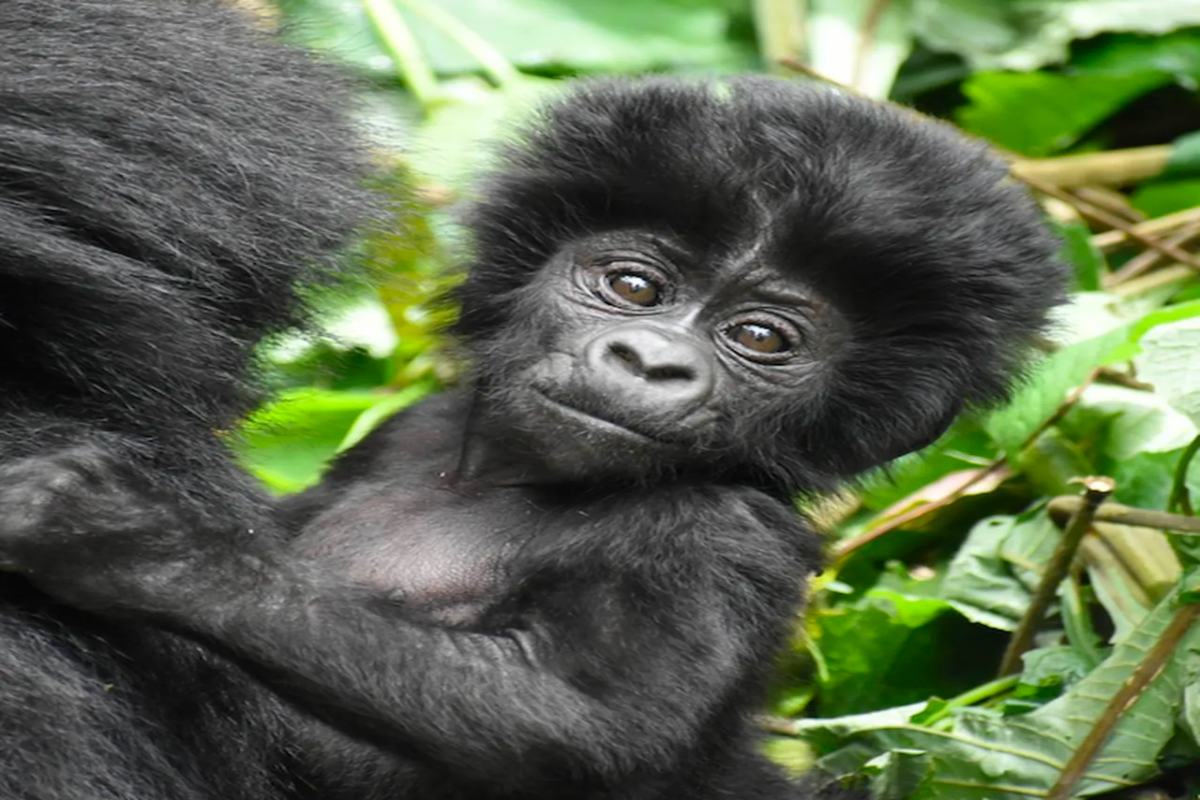
Best Time to See Gorillas in Rwanda and Uganda: A Complete Guide
Seeing mountain gorillas in their natural habitat is one of Africa’s most unforgettable wildlife experiences. Both Rwanda and Uganda offer guided gorilla trekking in protected forests where visitors can observe endangered mountain gorillas in their natural environment.
But when is the best time to see gorillas in Rwanda and Uganda?
The answer depends on your priorities. If you prefer drier hiking trails and generally more comfortable trekking conditions, June to September and December to February are popular choices. If you want fewer visitors, greener forest scenery, and potentially lower travel costs, the wetter months may also suit your plans.
At Book Gorilla Tracking, we help travelers plan gorilla trekking experiences in Uganda and Rwanda, including permit arrangements, accommodation, transportation, and customized safari itineraries.
What Is the Best Time to See Gorillas in Rwanda and Uganda?
The best time to see gorillas in Rwanda and Uganda is generally during the two drier periods: June to September and December to February.
During these months, rainfall is often lower, and forest trails may be less muddy and slippery. These conditions can make hiking more comfortable, especially in steep areas where trekkers must navigate uneven ground and dense vegetation.
However, both countries have tropical mountain forests, so rain is possible even during the drier months. Mountain gorillas can be tracked throughout the year, subject to permit availability and park regulations.
Quick Guide to Gorilla Trekking Seasons
| Travel period | Typical conditions | What to expect |
|---|---|---|
| January–February | Generally drier | Good conditions for trekking and photography |
| March–May | Wetter, especially April | Muddy trails, lush scenery, and potentially fewer visitors |
| June–September | Generally drier | Popular trekking period with firmer trails |
| October–November | Often wetter | Green forest scenery and potentially quieter trails |
| December | Conditions often become drier | Good trekking opportunities, with high holiday demand |
These are general seasonal patterns, not guarantees of daily weather. Conditions vary with altitude, location, and the year.
Best Time for Gorilla Trekking in Uganda
Uganda is home to mountain gorillas in Bwindi Impenetrable National Park and Mgahinga Gorilla National Park.
Bwindi has four main trekking sectors: Buhoma, Ruhija, Rushaga, and Nkuringo. Mgahinga provides another opportunity to trek mountain gorillas in the Virunga Mountains.
June to September: A Popular Time to Visit Uganda
The period from June to September is generally one of Uganda’s drier seasons and a popular time for gorilla trekking.
Benefits include:
- Trails are often less muddy than during the wetter months.
- Hiking conditions can be more comfortable.
- It is convenient to combine gorilla trekking with other Uganda safari activities.
- The season is suitable for travelers planning game drives, boat cruises, and other outdoor experiences.
July and August are particularly popular, so it is wise to secure permits and accommodation well in advance.
December to February: Another Good Season
December to February is generally another drier period in southwestern Uganda.
These months suit travelers who want to combine gorilla trekking with destinations such as Queen Elizabeth National Park, Lake Bunyonyi, Kibale Forest National Park, or Murchison Falls National Park.
December can be especially busy around Christmas and New Year, so travelers planning holiday safaris should book early.
March to May: Gorilla Trekking During the Rainy Season
March to May is generally a wetter period in Uganda, with April often experiencing substantial rainfall.
The main challenges include slippery trails, muddy slopes, wet clothing, and potentially more demanding hiking conditions. Some road journeys may also take longer when conditions are poor.
However, gorilla trekking continues during the rainy season when park operations permit. Travelers may enjoy lush forest scenery, fewer visitors at some lodges, and seasonal offers on selected tourism services.
For visitors with flexible schedules and suitable hiking equipment, the rainy season can still provide a rewarding gorilla trekking experience.
October to November: A Greener Forest Experience
October and November often bring more rainfall to Uganda’s gorilla trekking regions.
The forest becomes lush, and the atmosphere can be particularly appealing to nature photographers and travelers who enjoy quieter travel periods.
Rainfall can make trails challenging, so waterproof hiking boots, a rain jacket, and a daypack cover are useful. Travelers should also allow flexibility in their transport arrangements.
Best Time for Gorilla Trekking in Rwanda
Rwanda’s main mountain gorilla trekking destination is Volcanoes National Park, located in the northwestern part of the country near the Virunga Mountains.
The park offers guided treks to habituated mountain gorilla groups, with forested slopes and volcanic scenery forming the backdrop to the experience.
June to September: Rwanda’s Main Drier Season
June to September is generally regarded as a favorable period for gorilla trekking in Rwanda.
During these months, trails may be firmer, making hikes more comfortable. The period is popular with international visitors, including travelers combining gorilla trekking with cultural experiences, wildlife viewing, and other destinations in Rwanda.
Because demand can be high, travelers should arrange gorilla permits, accommodation, and transport early.
December to February: Shorter Drier Period
December to February is another useful period to consider for Rwanda gorilla trekking.
These months often provide relatively favorable hiking conditions, although rainfall can still occur in the park’s mountainous environment.
This period can suit visitors who want to combine gorilla trekking with a Kigali city visit, cultural activities, or other Rwandan destinations.
March to May: Visiting Rwanda in the Wetter Months
Rainfall generally increases during March to May, and trails in Volcanoes National Park can become muddy and slippery.
Trekking remains possible when permitted by park authorities, but visitors should be prepared for wet conditions and changes in the difficulty of the hike.
Travelers who prioritize quieter surroundings or greater flexibility may find this season appealing, although discounts and permit availability must be checked rather than assumed.
October to November: Forests and Mountain Scenery
October and November commonly fall within Rwanda’s shorter rainy period.
The surrounding landscape can be beautifully green, but wet trails and mist may affect hiking comfort and views. Waterproof clothing and sturdy footwear are recommended.
Gorilla trekking remains a year-round activity, subject to operational conditions and permit availability.
Rwanda vs Uganda: Which Is Better for Gorilla Trekking?
Both destinations offer exceptional mountain gorilla encounters. The best choice depends on your budget, travel schedule, preferred scenery, and the wider safari you want to experience.
| Feature | Uganda | Rwanda |
|---|---|---|
| Main trekking destinations | Bwindi Impenetrable National Park and Mgahinga Gorilla National Park | Volcanoes National Park |
| Drier trekking periods | June–September and December–February | June–September and December–February |
| Trekking terrain | Varies by sector; some trails are steep and demanding | Mountainous forest terrain with variable hiking difficulty |
| Additional safari options | Gorilla trekking, chimpanzee tracking, savannah safaris, boat cruises, and cultural experiences | Gorilla trekking, volcanic scenery, cultural experiences, and other national parks |
| Best planning advice | Select your trekking sector and arrange a permit before finalizing nearby accommodation | Arrange a Volcanoes National Park permit and plan accommodation and transfers around the trek |
Neither country guarantees an easy trek. The gorillas move freely, and the time needed to reach a group depends on their location, trail conditions, and the terrain.
Does the Season Affect Your Chances of Seeing Gorillas?
Gorilla trekking is conducted throughout the year, and seasonal rainfall does not mean that gorillas disappear during the wetter months.
The main difference between seasons is usually the comfort and difficulty of the trek, rather than a simple guarantee of seeing or not seeing gorillas.
Guides and trackers work to locate habituated gorilla groups, but the animals remain wild. Their location, movements, and behavior cannot be predicted exactly.
A responsible safari operator will explain the trekking process and help you prepare for the conditions expected during your visit.
Is Gorilla Trekking Cheaper During the Rainy Season?
The overall cost of a gorilla safari can vary according to the country, permit category, travel dates, accommodation, transport, and tour inclusions.
During some wetter months, travelers may find promotional offers from lodges or tour operators. However, these offers are not guaranteed, and gorilla permit prices depend on the applicable official tariff and eligibility rules.
Uganda has previously offered designated low-season gorilla permits during certain months. Travelers should confirm the current Uganda Wildlife Authority rates and terms before booking.
Rwanda’s permit prices and booking conditions should likewise be verified with the relevant official authorities.
When comparing the cost of gorilla trekking in Uganda and Rwanda, check what is included in the quotation. A lower safari package price may not include the gorilla permit, transfers, meals, or accommodation.
Best Month to See Gorillas for Different Travelers
The ideal month depends on what matters most to you.
For Easier Hiking Conditions
Consider June, July, August, September, January, or February. These months are generally drier, although rain can occur at any time.
For Travelers Seeking a Quieter Experience
Consider flexible travel dates during the wetter months, particularly March to May or October to November. Visitor numbers vary by destination and holiday period, so quieter conditions are not guaranteed.
For Budget-Conscious Travelers
Compare accommodation rates, transport costs, and available permit offers before selecting your dates. Traveling outside peak periods may reduce some expenses, but confirm all prices before committing.
For Photographers
Both seasons have advantages. Drier months can provide more comfortable hiking and clearer conditions, while wetter months can create lush forest scenery and soft, atmospheric light. Protect your camera equipment against rain and humidity.
For a Combined Wildlife Safari
If you want to combine gorilla trekking with savannah wildlife viewing in Uganda, the drier periods can be convenient for road travel and outdoor activities across several national parks.
What to Pack for Gorilla Trekking in Any Season
Rain can occur even during the drier months, so preparation is important regardless of your travel dates.
We recommend packing:
- Sturdy hiking boots with good grip.
- Long trousers and a long-sleeved shirt.
- A waterproof jacket or rain poncho.
- Gardening or hiking gloves.
- A small daypack and rain cover.
- Drinking water and permitted snacks.
- Insect repellent and sunscreen.
- A camera with flash disabled.
- Spare socks and warm layers.
- Personal medication and any necessary hiking support.
Hiring a local porter can help you manage your daypack and provide support on difficult sections of the trail. Follow the instructions of your guides and park rangers throughout the trek.
How Far in Advance Should You Book Gorilla Permits?
Gorilla permits are limited, and demand is often high during the drier seasons and major holiday periods.
For travel during June to September or around Christmas and New Year, it is sensible to start planning several months ahead. Booking earlier gives you more flexibility when choosing travel dates, trekking locations, and accommodation.
Before confirming your trip, establish:
- Whether you want to trek in Uganda or Rwanda.
- Your preferred travel dates and number of trekkers.
- The availability and current price of the relevant permit.
- The accommodation location relative to the trekking briefing point.
- Your transport arrangements before and after the trek.
Do not purchase non-refundable flights or accommodation until you understand the applicable permit terms and the booking conditions of your safari providers.
Plan Your Gorilla Trekking Safari with Book Gorilla Tracking
Whether you choose Uganda’s Bwindi Impenetrable National Park, Mgahinga Gorilla National Park, or Rwanda’s Volcanoes National Park, the right planning can make your mountain gorilla encounter more comfortable and rewarding.
The drier months of June to September and December to February are popular for trekking, while the wetter months offer an alternative for travelers who are comfortable with rain and muddy trails.
At Book Gorilla Tracking, we help travelers organize gorilla permits, accommodation, transportation, and personalized safari itineraries in Uganda and Rwanda.
Contact our team to check availability and plan your gorilla trekking adventure around your preferred travel dates, budget, and interests.
Frequently Asked Questions
1. What is the best time to see gorillas in Rwanda and Uganda?
June to September and December to February are generally favorable because they tend to be drier, with less muddy trails. Gorilla trekking is possible throughout the year, subject to permits and park operations.
2. Can I see gorillas in Uganda in April or May?
Yes. Gorilla trekking operates during wetter months when permitted by park authorities. However, trails can be muddy and slippery, so appropriate hiking equipment is important.
3. Is June a good month for gorilla trekking?
June is generally the beginning of the main drier season in both countries. It is a popular month, so early permit and accommodation arrangements are recommended.
4. Is December a good time to see gorillas?
December is often a suitable month for gorilla trekking, particularly as conditions become drier. Christmas and New Year can be busy, so availability should be checked early.
5. Does rain reduce the chance of seeing mountain gorillas?
Rain does not automatically prevent gorilla sightings. It mainly affects trail conditions and hiking comfort. Gorillas are wild animals, and their location cannot be guaranteed.
6. Which country should I choose for gorilla trekking?
Uganda and Rwanda both offer mountain gorilla trekking. Uganda provides trekking in Bwindi and Mgahinga, while Rwanda’s main destination is Volcanoes National Park. Compare the permit arrangements, overall budget, itinerary, and preferred travel style.
7. Are gorilla permits cheaper during the rainy season?
Some offers or designated low-season permits may be available, depending on the country and applicable rules. Always verify current official prices and eligibility before booking.
8. How long does gorilla trekking take?
The duration varies according to the location of the gorilla group and the terrain. The hike may take several hours, and steep or muddy trails can increase the physical demands.
9. Should I book gorilla permits before booking accommodation?
It is wise to check permit availability first and coordinate your accommodation with the confirmed trekking date and location. This helps avoid staying too far from the required briefing point.
10. Can I combine Uganda and Rwanda gorilla trekking in one trip?
Yes. A multi-country itinerary can be arranged, subject to permit availability, border-crossing requirements, transport logistics, and your travel schedule.