+256-702 595 926 | info@bookgorillatracking.com

Akagera National Park Rwanda: Complete Safari Guide

Akagera National Park: The Complete Rwanda Safari Guide

Introduction to Akagera National Park
Akagera National Park is Rwanda’s only savannah national park and one of East Africa’s rewarding destinations for traditional wildlife safaris. Located in eastern Rwanda along the border with Tanzania, the park features rolling hills, open grasslands, acacia woodlands, papyrus wetlands, rivers, and a network of lakes.
Covering approximately 1,122 square kilometres, Akagera offers a different experience from Rwanda’s famous mountain gorilla trekking destinations. Instead of spending the day hiking through montane forests, visitors can explore the savannah in a safari vehicle, search for large mammals, watch birds around the wetlands, and enjoy boat trips on Lake Ihema.
The park is also an important conservation success story. Through wildlife reintroductions and long-term conservation management, Akagera has restored populations of lions and rhinoceroses and become a destination where visitors can look for Africa’s Big Five.


Where is Akagera National Park located?
Akagera National Park lies in northeastern Rwanda, approximately 110–120 kilometres from Kigali, depending on the route and park entrance. The journey generally takes around two to three hours by road, although the final approach, traffic, weather, and time spent at the entrance can affect the total travel time.
The park’s eastern boundary follows the Akagera River system, which contributes to its wetlands and lakes. Its varied habitats support a wide range of wildlife, from large herbivores on the plains to hippos and crocodiles in the water.
Akagera is particularly suitable for travellers who want to include a savannah safari in a Rwanda holiday without travelling far from the capital.
Wildlife in Akagera National Park
One of the main reasons to visit Akagera is the opportunity to see a wide range of African wildlife in a relatively compact destination. Sightings are never guaranteed, because animals move freely throughout the park, but exploring different habitats improves your chances.
The Big Five

1. Lions
Lions were reintroduced to Akagera in 2015, marking an important step in restoring the park’s predator populations. Visitors may encounter them resting in the grass, walking along tracks, or moving through open woodland, especially during cooler periods of the day.

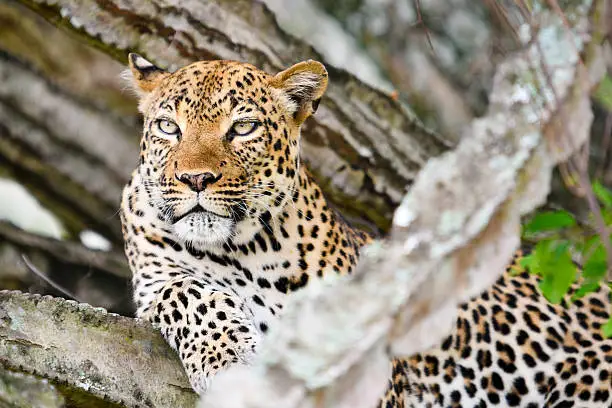
2. Leopards
Leopards are present but elusive. Their solitary and often nocturnal behaviour makes them more challenging to find than many grazing animals. An experienced safari guide can help identify tracks, likely habitats, and opportunities for sightings.

3. African elephants
Elephants are among Akagera’s most impressive animals. They can be seen feeding on vegetation, moving across the plains, or gathering near water. Always maintain a safe distance and follow your guide’s instructions.

4. Rhinoceroses
Akagera is home to eastern black rhinos and southern white rhinos. Black rhinos were reintroduced in 2017, followed by further rhino conservation and reintroduction efforts. Sightings depend on the animals’ movements and park regulations.

5. African buffaloes
Buffaloes are frequently sought after on game drives. They travel in herds, graze on open grasslands, and may gather around water sources, creating excellent opportunities for wildlife photography.
Other animals to see in Akagera
Beyond the Big Five, the park supports giraffes, zebras, impalas, topis, waterbucks, elands, hippos, crocodiles, baboons, vervet monkeys, and other species.

Wildlife sightings vary by season, location, and time of day. A well-planned safari should allow time to explore several sections of the park rather than concentrating on a single short drive.
Birdwatching in Akagera National Park
Akagera is also an excellent destination for birdwatchers. Its combination of lakes, papyrus swamps, woodland, and savannah supports more than 500 recorded bird species, making it attractive to both specialist birders and travellers who enjoy seeing birds alongside large mammals.


Birdwatching highlights include:
- Shoebill: A highly sought-after wetland bird associated with papyrus swamps and suitable marsh habitats.
- Papyrus gonolek: A striking specialist of papyrus vegetation.
- African fish eagle: Often seen around lakes and other open-water habitats.
- Grey crowned crane: An elegant bird found in suitable grassland and wetland areas.
- Waterbirds and savannah species: The park’s lakes, grasslands, and woodland offer a diverse mix of resident and seasonal birds.
Birding can be combined with a conventional game drive or planned as a specialist safari with more time for identification, photography, and searching specific habitats.
8 Days rwanda birding safari
For the best experience, travel with a knowledgeable birding guide and carry binoculars, a field guide, and a camera with a suitable telephoto lens.
Best things to do in Akagera National Park
Akagera offers more than traditional wildlife viewing. Its range of activities makes it suitable for couples, families, photographers, birdwatchers, and travellers exploring Rwanda for the first time.
1. Game drives
Game drives are the main safari activity. Explore open grasslands, woodland, and wildlife-rich plains while searching for lions, elephants, buffaloes, giraffes, zebras, and antelopes. Early morning and late afternoon are particularly useful times to look for active wildlife.

2. Boat safari on Lake Ihema
A boat trip offers a different perspective on the park. Look for hippos, Nile crocodiles, waterbirds, and other wildlife along the lake’s shores. It is an excellent activity for photographers and visitors who enjoy aquatic habitats.

3. Night game drives
A guided night drive offers opportunities to look for nocturnal animals such as bushbabies, genets, and other small mammals, along with possible sightings of hyenas and leopards. Night drives must follow the park’s authorised arrangements.

4. Birdwatching and wildlife photography
Spend more time around lakes, wetlands, and open plains to photograph waterbirds, raptors, large mammals, and changing landscapes. Specialist birding trips can be tailored to particular species and habitats.

5. Conservation and community experiences
Depending on current availability, visitors may arrange conservation-focused activities, guided walks, or cultural experiences with local communities. These provide insight into the work involved in protecting wildlife and supporting livelihoods around the park.
Check activity availability and booking requirements with the park before travelling, especially if your itinerary depends on a particular guided experience.
Best time to visit Akagera National Park
Akagera is open to visitors throughout the year, but the best time depends on your interests, preferred scenery, and tolerance for rain.


| Season | What to expect |
|---|---|
| June–September | Generally favourable for game viewing as vegetation becomes drier and animals may concentrate around remaining water sources. |
| December–February | A shorter dry period that can be suitable for game drives and wildlife photography. |
| March–May | A wetter period with green landscapes, although rain can make some roads more difficult. |
| October–November | Short rains often refresh the landscape and can provide rewarding birdwatching opportunities. |
These are broad seasonal patterns, not guarantees of weather or animal sightings.
When should birdwatchers visit?
Birdwatching is possible throughout the year. The wetter months can provide lush scenery and productive birding, while visiting at different times of year may offer different species and seasonal movements.
When is the best time for a family safari?
Families can visit year-round. The drier periods may make road travel easier, but the best itinerary also depends on children’s ages, driving tolerance, accommodation, and the length of each game drive.
Where to stay in Akagera National Park
Accommodation is available inside and around Akagera, ranging from comfortable safari lodges to tented camps and more budget-conscious options. Choosing where to stay can make a significant difference to your safari, particularly if you want early starts or time in the park’s northern areas.

Magashi Camp — Luxury
High-end safari experience
A luxury camp in the northeastern part of the park, associated with scenic lake views, guided wildlife activities, and an intimate wilderness atmosphere. It is suited to travellers seeking an exclusive safari experience.

Ruzizi Tented Lodge — Mid-range to upscale
Eco-conscious tented accommodation
Located near Lake Ihema, Ruzizi offers a nature-focused stay with a tented-lodge atmosphere. It is a good option for travellers who want to combine comfortable accommodation with wildlife and lake experiences.

Akagera Game Lodge — Comfortable lodge
Hotel-style accommodation
A lodge option for visitors who prefer conventional rooms and facilities rather than staying in a tented camp. Confirm current services, availability, and the best access arrangements for your planned safari.

Karenge Bush Camp — Seasonal wilderness stay
Rustic safari experience
A bush-camp option in the park’s northern sector, offering a more remote feel. It is particularly attractive to travellers who want to spend more time exploring the northern plains. Confirm operating dates before booking.
Other accommodation and camping options may be available, depending on current operating arrangements.
Safari planning tip: If your priority is seeing as much wildlife as possible, choose accommodation based on the areas you plan to explore, rather than price alone. Staying overnight can reduce the need for a long return drive to Kigali after a full day in the park.
How to get to Akagera National Park
By road from Kigali
Driving from Kigali is the most common way to reach Akagera. Allow approximately two to three hours for the journey, with extra time for traffic, stops, registration, and road conditions.
Visitors can arrange a private safari vehicle with a driver-guide or use a self-drive vehicle that meets the park’s requirements. A 4×4 is a sensible choice, particularly during rainy periods or for itineraries involving less accessible roads.
By air
Helicopter transfers may be available through specialist aviation operators. These can reduce travel time, but availability, landing arrangements, costs, and operating conditions must be confirmed in advance.
Can you visit Akagera on a day trip?
Yes. Akagera’s proximity to Kigali makes a day trip possible, particularly if you focus on the southern section and depart early. However, a single day limits the distance you can cover and the time available for wildlife viewing.
For a more relaxed experience, consider staying for one or two nights.
Suggested Akagera National Park safari itineraries

Add to Favorites
2-day Akagera safari from Kigali
Best for travellers with limited time
- Early departure from Kigali.
- Morning game drive in the park.
- Lunch and, if timing permits, a boat trip on Lake Ihema.
- Afternoon wildlife viewing before returning to Kigali.
This itinerary suits visitors who want a taste of Rwanda’s savannah wildlife without an overnight stay.
2 days / 1 night Akagera safari
Best for a short wildlife holiday
- Day 1: Travel from Kigali, enjoy a game drive, and take a Lake Ihema boat safari if available.
- Day 2: Set out for an early game drive, explore additional habitats, and return to Kigali.
An overnight stay gives you more flexibility and an opportunity to experience the park at different times of day.

3 days / 2 nights Akagera safari
Best for wildlife enthusiasts and photographers
- Day 1: Transfer from Kigali and explore the southern park.
- Day 2: Enjoy an extended game drive and explore other accessible areas, subject to your lodge location and road conditions.
- Day 3: Take a final morning wildlife drive before returning to Kigali.
Three days provide a better opportunity to explore different habitats at a comfortable pace, although wildlife sightings remain unpredictable.
Combining Akagera with other Rwanda destinations
Akagera can be combined with Rwanda’s forest parks and cultural attractions for a varied holiday.
- Volcanoes National Park: Combine a savannah wildlife safari with mountain gorilla trekking, golden monkey tracking, or scenic volcanic landscapes.
- Nyungwe National Park: Add rainforest hiking, chimpanzee trekking, canopy walks, and forest birdwatching.
- Kigali: Explore museums and memorial sites, local markets, restaurants, and the city’s contemporary culture.
A four- to seven-day Rwanda itinerary can combine several destinations, depending on activities, driving times, and accommodation preferences. Travellers who want both a Big Five safari and gorilla trekking should allow sufficient time for transfers and the relevant trekking arrangements.
Akagera National Park entrance fees and safari costs
You can add a dedicated Akagera National Park Entrance Fees section to the article, using a table that makes it easy for travellers to compare rates. Because park tariffs can change, the table should distinguish confirmed official rates from fees that still need verification before publication.
Akagera National Park Entrance Fees 2026
The official 2026 pricing list published by Akagera Management Company gives the following entrance fees and self-drive permits. The rates depend on nationality or residency status and the length of your visit.
Akagera National Park fees
| Visitor category | 1 day/night | 2 nights | 3 nights |
|---|---|---|---|
| Rwandan / EAC citizens | RWF 15,000 | RWF 22,500 | RWF 30,000 |
| Foreign residents of Rwanda / EAC | US$50 | US$75 | US$100 |
| International visitors | US$100 | US$150 | US$200 |
| Rwandan / EAC citizen children (6–12 years) | RWF 10,000 | RWF 15,000 | RWF 20,000 |
| Foreign resident children (6–12 years) | US$30 | US$45 | US$60 |
| International visitor children (6–12 years) | US$50 | US$75 | US$100 |
| Pan-African visitors from outside the EAC | US$50 | US$75 | US$100 |
| Pan-African / EAC residents | US$25 | US$38 | US$50 |
| Pan-African children (6–12 years) | US$30 | US$45 | US$60 |
| Pan-African children who are EAC residents | US$15 | US$23 | US$30 |
Additional vehicle and activity fees
Park entrance fees are not necessarily the total cost of your safari. The following additional charges appear in the official 2026/2027 tariff.
Akagera National Park
| Service | Fee |
|---|---|
| Vehicle / minibus registered in Rwanda or the EAC | US$10 |
| Bus / overlander registered in Rwanda or the EAC | US$20 |
| Foreign-registered vehicle / minibus | US$40 |
| Foreign-registered bus / overlander | US$100 |
| Guided self-drive game drive — half day | US$25 per guide |
| Guided self-drive game drive — full day | US$40 per guide |
| Scheduled daytime boat trip | US$35 adult / US$20 child |
| Scheduled sunset boat trip | US$45 adult / US$30 child |
| Park-operated night drive | US$40 adult / US$25 child |
| Park-operated game drive — half day | US$200 per vehicle |
| Park-operated game drive — full day | US$350 per vehicle |
Important notes for visitors
- The entrance fee includes self-drive game viewing.
- For overnight visitors staying inside the park, the fee is reduced by 50% for the second and third nights, with no additional entry fee for subsequent nights up to one week.
- Visitors staying outside the park pay the applicable entry fee for each day they enter.
- Residency status must be supported by appropriate documentation.
- The park operates a cashless payment system; check the official website for accepted payment options and current booking procedures.
The total cost of an Akagera safari depends on nationality or residency category, length of stay, transport, accommodation, guided activities, and the type of experience you choose.
Potential expenses include:
- Park entry fees.
- Vehicle or self-drive charges, where applicable.
- Safari vehicle and professional guide.
- Accommodation and meals.
- Boat safaris and night drives.
- Optional specialist birding or conservation activities.
Park tariffs can change, so avoid relying on older fee tables when preparing a quotation. Check the current official rates and booking conditions via Akagera national park managemenet before confirming a trip.
For travellers booking a package, ask for a clear breakdown of inclusions and exclusions, particularly park fees, accommodation, meals, vehicle costs, and optional activities.
What to pack for an Akagera safari
A few practical items can make your safari more comfortable:
- Neutral-coloured, lightweight clothing.
- A light jacket for early morning drives.
- Comfortable closed shoes.
- Sun hat, sunglasses, and sunscreen.
- Insect repellent.
- Binoculars and a camera.
- Reusable water bottle.
- Personal medication and basic toiletries.
- Rain jacket during wetter months.
Bring enough memory cards and battery power if wildlife photography is a priority. Follow your guide’s instructions about staying in the vehicle, maintaining safe distances from animals, and respecting park rules.
Responsible tourism and conservation in Akagera
Akagera’s recovery demonstrates how sustained conservation management can help restore wildlife populations and support tourism. African Parks has managed the park in partnership with the Rwandan government since 2010, with conservation enforcement, wildlife monitoring, and community engagement forming important parts of its work.
Visitors can contribute by booking authorised activities, respecting wildlife, avoiding litter, following guide instructions, and supporting legitimate local businesses.
Responsible travel helps ensure that the benefits of tourism extend beyond the visitor experience to wildlife protection and neighbouring communities.
Frequently asked questions about Akagera National Park
1. Is Akagera National Park worth visiting?
Yes. Akagera is a strong choice for travellers interested in savannah landscapes, the Big Five, birdwatching, boat safaris, and a traditional African game-drive experience within Rwanda.
2. Can you see the Big Five in Akagera?
Akagera is home to lions, leopards, elephants, rhinoceroses, and buffaloes. However, sightings of all five during a single visit are not guaranteed.
3. How many days do you need in Akagera National Park?
One day is possible, but two or three days allow more time for game drives, a boat trip, birdwatching, and exploring different areas of the park.
4. Is Akagera National Park suitable for families?
Yes. Families can enjoy game drives, scenery, birdwatching, and boat trips, subject to the age requirements and safety rules of each activity. Choose a comfortable itinerary and avoid excessively long driving days for younger children.
5. Can I visit Akagera without a tour operator?
Self-driving is possible, subject to park rules, registration, vehicle suitability, and current access arrangements. Visitors who are unfamiliar with the park may prefer a professional driver-guide.
6. What is Akagera National Park famous for?
Akagera is known for Rwanda’s Big Five savannah safari, its lakes and wetlands, diverse birdlife, and its conservation recovery.
7. Is Akagera better than a gorilla trekking destination?
They offer different experiences. Akagera is primarily a savannah wildlife destination, while Volcanoes National Park is known for mountain gorilla trekking. Travellers interested in both can combine them in one Rwanda holiday.
Plan your Akagera National Park safari
Akagera National Park is an excellent addition to a Rwanda holiday, whether you have a single day available from Kigali or want a longer wildlife-focused itinerary. With savannah game drives, lakeside scenery, birdwatching, and a range of accommodation options, the park offers a rewarding contrast to Rwanda’s mountain forests.
For the best experience, choose your travel dates carefully, allow enough time for wildlife viewing, and confirm current park fees and activity availability before departure.
Planning a Rwanda safari? Epic Uganda Vacation and Raptors Africa Safaris can help travellers explore options for a tailored East African itinerary combining Akagera with other wildlife destinations, primate experiences, and cultural highlights.
[…] the best lodges in Akagera National Park can make a significant difference to your Rwanda safari. Located in eastern Rwanda, Akagera is the […]
[…] Kigali International Airport before continuing to destinations such as Volcanoes National Park, Akagera National Park, and Nyungwe National […]
[…] as you wish. You can trek through the forests of Volcanoes National Park, discover the Big Five in Akagera National Park, walk above the treetops in Nyungwe Forest, explore Kigali’s cultural attractions or spend a few […]
[…] adventure begins in Akagera National Park, Rwanda’s only savannah national park, where you will enjoy guided game drives in search of […]
[…] boat safari on Lake Ihema is one of the most rewarding activities to include in a visit to Akagera National Park in eastern Rwanda. While traditional game drives allow visitors to explore the park’s […]
[…] a safari in Akagera National Park is an exciting opportunity to experience Rwanda’s savannah wildlife, beautiful lakes, […]
[…] lakes and rivers in Akagera National Park are central to its ecological importance and safari experience. They provide water for wildlife, […]
[…] Bush Camp is an intimate safari accommodation facility located in the northern section of Akagera National Park in eastern Rwanda. Set on a scenic ridge overlooking the wildlife-rich Kilala Plains and Muhororo […]