+256-702 595 926 | info@bookgorillatracking.com

Gorilla sectors In Bwindi Impenetrable National Park.

Bwindi impenetrable national park is home to one of the largest tropical rainforests in Africa. The National Park is located in the southwestern part of Uganda in the districts of Rubanda, Kisoro and Kanungu. This magnificent forest lies on the edge of the Albertine Rift Valley of the western branch of the East African Rift Valley, and it elevates from 1160 to 2607 meters (about 1.62 miles) above sea level. Bwindi National Park covers an area of approximately 331 square kilometers and is famous for its exceptional biodiversity with at least 160 species of trees and over 150 ferns.
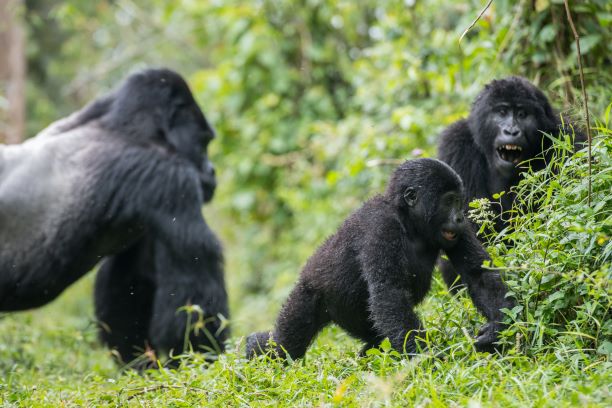
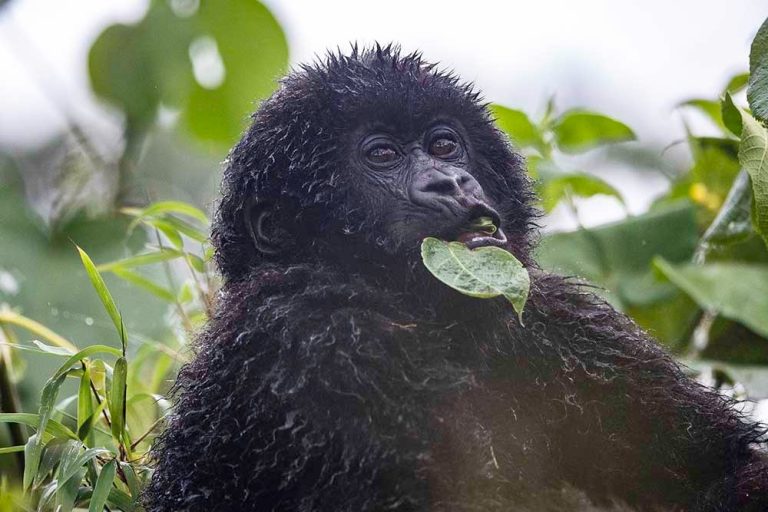
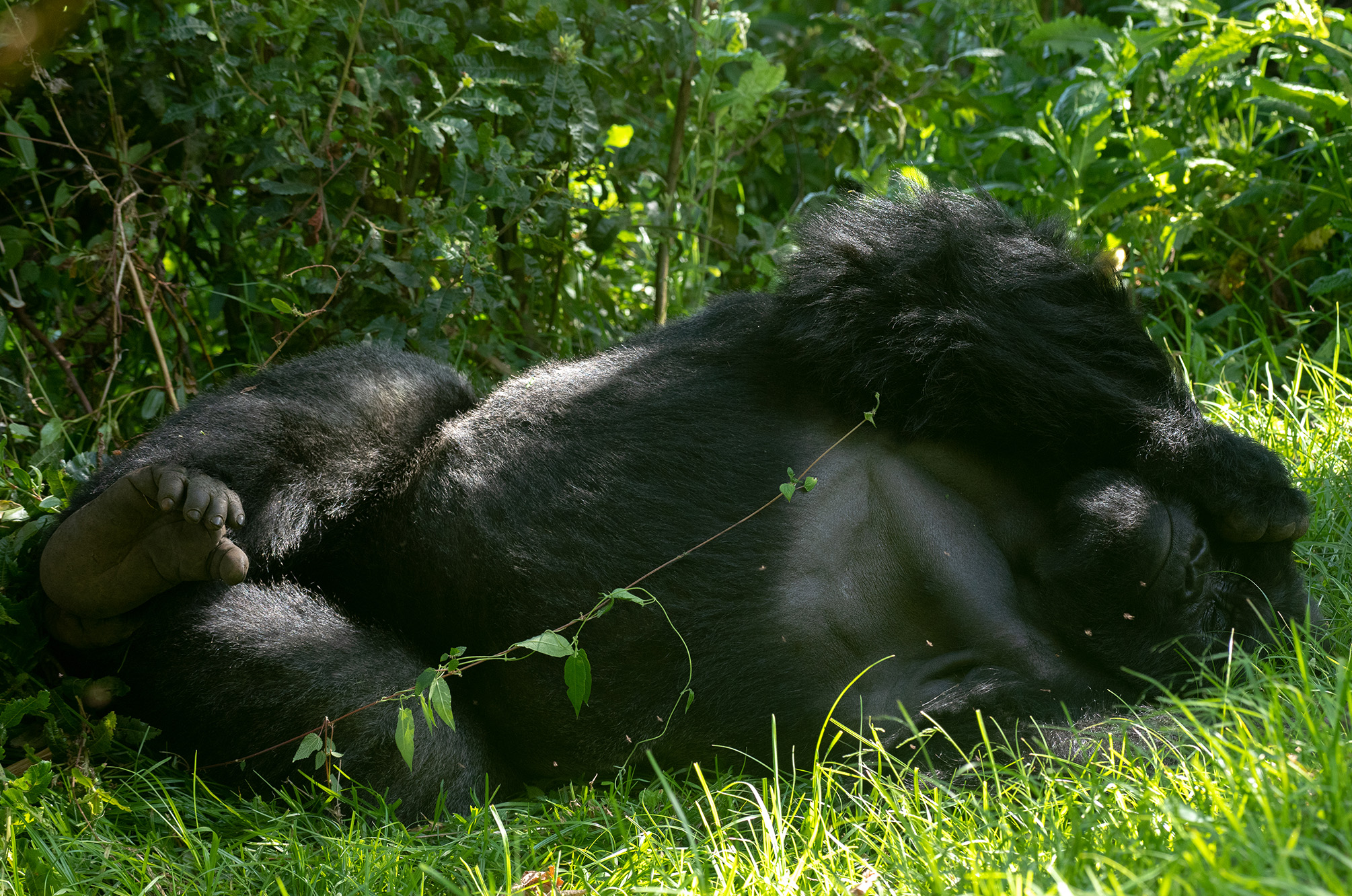
The magnificent forest is inhabited by mountain gorillas, and others stay on the lower slopes of Virunga ranges. The National Park accounts for over 459 mountain gorillas which is roughly 1/2 of the world’s population with half of the groups habituated and therefore can be tracked by visitors. The gorillas in this National Park stay in habituated families in the different sectors. Bwindi National Park has four gorilla trekking sectors namely; Buhoma, Rushaga, Ruhija, and Nkuringo.
Buhoma gorilla sector.
This beaming sector is located on the northern side of Bwindi Impenetrable National Park and is renowned for its exceptional incredible tracking trails and shouldn’t miss on the bucket list of visitors embarking on gorilla tracking. It is important to note that this region has one of the oldest gorilla families in the National Park and all offer sensational mountain gorilla expeditions.
There are various trails that have been developed in this region in the past couple of years and they include; the Munyanga River trails, Muzabiro Loop Trail, Rushura Hill Trail, and the bustling Ivy River Trail.
The Buhoma sector is leading in gorilla tracking expeditions in this forest and has five of the 21 habituated groups in Bwindi. The most sounding group in this sector is the Mubare group which was first tracked by visitors in 1993. It got its name from the nearby hills called Mubare where the family was first tracked.
Habinyanja is another group in this beautiful sector and it was habituated in 1997 with the purpose of making gorilla tracking possible for travelers around the globe. In the past years, it has been visited by over 1000 visitors.
Rushegura family on the other hand is well known for its large membership that is made up of 21 members with one silverback, a blackback, 5 adult aunties, 2 sub adults, 6 juveniles, and six infants. This group was first habituated in 2000 and gorilla tracking activities started later on in 2002 when it received its first visitors. Tracking this family tends to take a little bit less time as compared to the rest since it normally stays near the park headquarters and therefore can be encountered easily. The Buhoma area is steep and fairly raised.
Rushaga sector.
This region is situated in the southern part of the National Park, located in the Kisoro district, and is known for its extraordinary experiences due to the exciting gorilla families. It is made up of several gorilla families which include Mishaya which split from the Nshongi group in 2010, Nshongi which is one of the largest habituated groups in Bwindi National Park, Busingye composed of nine members, Kahungye composed of 13 mountain gorillas and 3 silverbacks with the dominant one known as Rumansi and Bweza group composed of only 7 gorillas with one silverback and two infants.
Mountain gorilla lovers often find being next to these families interesting and they get wholesome experiences from them due to their welcoming demeanor. The name Rushaga dates back to 1000 years when the existence of a unique tree species called Zanphophylum gilletti was common in this area. One of the trees was called Omushaga and many trees were called Emishaga therefore the village they inhabited was called Rushaga. This village was renowned for its lumbering activities in the early 1970s before the government and other international bodies stopped these activities to protect the forest as it was inhabited by mountain gorillas.
Local people therefore resorted to agriculture mainly subsistence farming such as sweet potatoes bananas maize, beans, peas, and Irish potatoes. This sector gained popularity in 2009 when its habituated families were officially open for tourism.
This came in handy with the popularity of gorilla conservation. Visitors flock to the park to visit this sector for spectacular experiences with these gentle giants. This sector has been featured in various travel magazines, websites and on CNN Travel. A visit to this great sector gives visitors opportunities to interact and learn more from gorillas in their natural habitat.
Nkuringo gorilla sector.
Nkuringo gorilla sector is also located in the southern part of the National Park offering sensational gorilla tracking tours. This sector is famous for housing one of the most celebrated silverbacks in Bwindi impenetrable national park called Rafiki. Rafiki was famous and popular among visitors to the National Park and it is unfortunate that he died at the hands of selfish poachers in the recent pandemic lockdown of midyear 2020.
The word Rafiki means friend in Swahili and was coined for him due to his friendly character. Even though he’s dead, he passed on the exciting traits to the juveniles and other generations who continue to exercise them amidst the visitors making it one of the popular sectors in the National Park.
Nkuringo was the second to be established in Bwindi National Park and has 3 habituated gorilla groups that are available for tracking which include; Nkuringo, Bushasho, Christmas, plus Posho which is currently undergoing habituation.
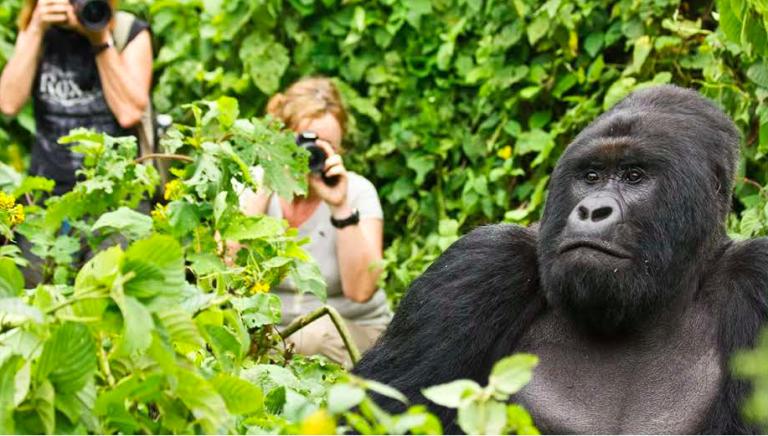
When a visitor buys a permit for the Nkuringo sector or any other gorilla sector, it doesn’t indicate the exact gorilla family to be tracked since the tracking speed and location of mountain gorillas determine what family to visit. Upon encounter, visitors are given an uninterrupted 60 minutes to live in the moment with these gorillas.