+256-702 595 926 | info@bookgorillatracking.com

Gorilla Habituation Experience Uganda: Complete Guide

Gorilla Habituation Experience in Uganda: Complete Guide to Bwindi
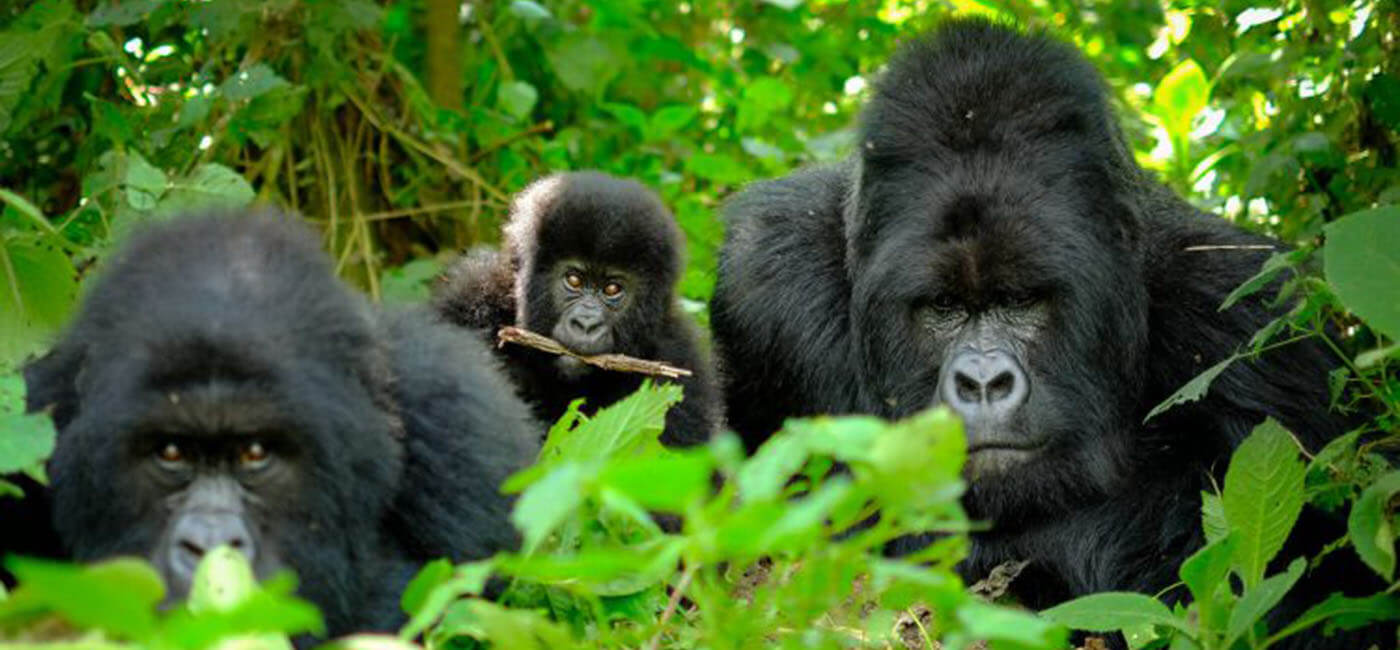
The Gorilla Habituation Experience in Uganda offers a rare opportunity to spend extended time observing wild mountain gorillas alongside researchers, trackers, and conservation staff. Unlike standard gorilla trekking, which involves visiting a fully habituated gorilla family, this activity introduces visitors to the scientific process of helping a wild gorilla group become accustomed to the presence of humans under carefully controlled conditions.
The experience takes place in the Rushaga sector of Bwindi Impenetrable National Park, in southwestern Uganda. Surrounded by dense tropical rainforest, Rushaga provides an opportunity to learn about mountain gorilla behaviour, conservation research, and the work involved in preparing gorilla families for future tourism.
For travelers interested in wildlife, primatology, and conservation, the Gorilla Habituation Experience offers a deeper perspective on protecting one of the world’s most endangered great apes.
At Raptors Africa Safaris, we help travelers plan gorilla experiences in Uganda, including permit arrangements, accommodation, transport, and tailored safari itineraries.
What Is the Gorilla Habituation Experience?
Gorilla habituation is a gradual, scientific process through which wild mountain gorillas become accustomed to the presence of authorised human observers. Researchers and trackers make carefully managed visits to a gorilla group, observing its behaviour and gradually helping the animals tolerate human presence without experiencing undue stress.
The purpose is to support conservation research and, where appropriate, prepare a gorilla family for regulated tourism. Habituation does not mean that gorillas become domesticated or completely tame. They remain wild animals, and their behaviour can be unpredictable.
The Gorilla Habituation Experience allows a limited number of visitors to accompany authorised researchers and trackers as they observe a family undergoing habituation. Visitors learn about gorilla social structures, feeding habits, communication, and the conservation measures used to protect them.
This activity is available in the Rushaga sector of Bwindi Impenetrable National Park, subject to current Uganda Wildlife Authority arrangements and permit availability.
Read more about the Rushaga Gorilla Trekking Sector and the Complete Guide to Bwindi Impenetrable National Park.
Where Does Gorilla Habituation Take Place in Uganda?
The Gorilla Habituation Experience takes place in Rushaga, in the southern part of Bwindi Impenetrable National Park. Bwindi is a UNESCO World Heritage Site known for its ancient rainforest, rich biodiversity, and important population of endangered mountain gorillas.
Rushaga is one of Bwindi’s four main gorilla trekking sectors, alongside Buhoma, Ruhija, and Nkuringo. Its forested slopes and varied terrain provide habitat for mountain gorillas and numerous other forest species.
Visitors travel into the forest with authorised guides, trackers, and habituation team members. The walking distance and difficulty depend on where the gorilla group is located and the conditions on the day.
The journey itself can be rewarding, with opportunities to appreciate the rainforest ecosystem, although wildlife sightings beyond the target gorilla group are never guaranteed.
How Is Gorilla Habituation Carried Out?
Gorilla habituation is conducted by trained conservation professionals, including researchers, trackers, and park staff with extensive knowledge of gorilla behaviour and the forest environment.
The process typically involves several stages:
1. Identifying and Observing a Gorilla Group
Researchers identify a suitable wild gorilla group for habituation and begin monitoring its behaviour, social structure, movements, and habitat use.
2. Gradually Introducing Human Presence
Authorised habituation teams visit the group repeatedly and carefully. They observe the gorillas from appropriate distances and use consistent, non-threatening approaches to reduce the animals’ fear of human presence.
The aim is not to force contact or encourage the gorillas to approach people. The process is managed to minimise stress and maintain the animals’ natural behaviour.
3. Monitoring Behaviour and Health
Researchers and trackers document the gorillas’ reactions, social interactions, feeding behaviour, and other observations. This information helps conservation teams assess how the group is responding and whether habituation can continue safely.
Veterinary teams and other specialists may also contribute to gorilla monitoring and conservation work when needed.
4. Assessing Readiness for Tourism
Habituation can take several years, often around two to three years or longer depending on the group and circumstances. Progress is not identical for every family.
Park and conservation authorities determine whether a group is sufficiently habituated for regulated tourism. The process requires continued monitoring, and a group is not considered safe simply because it tolerates some human presence.
What Happens During the Gorilla Habituation Experience?
The experience generally begins early in the morning with a briefing at the relevant park headquarters. Visitors receive guidance about the activity, safety procedures, and appropriate behaviour around gorillas.
They then enter the forest with authorised staff to locate the assigned gorilla group. Once the group is found, visitors observe the habituation team’s work and learn about the gorillas’ behaviour, social relationships, and habitat.
Participants may learn about:
- How researchers identify individual gorillas.
- How gorilla families are organised.
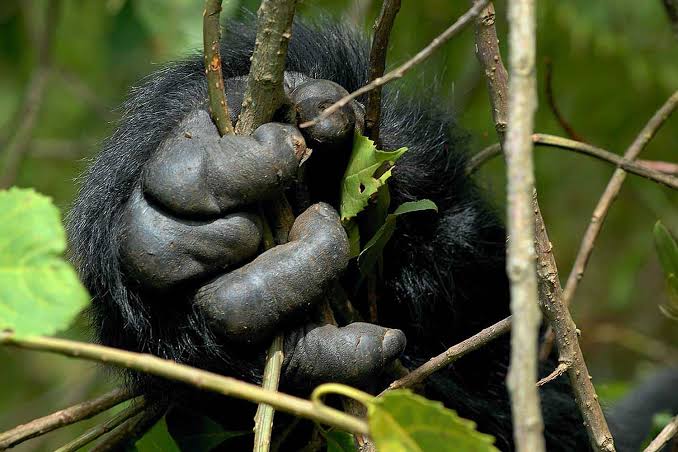
- What gorillas eat and how they forage.
- How gorillas communicate through sounds, gestures, and body language.
- How researchers record behaviour and monitor family changes.
- Why conservation, habitat protection, and disease prevention are important.
The Gorilla Habituation Experience generally allows up to four hours with the gorillas once they have been located, subject to the current rules and instructions of park authorities. The time required to reach the gorillas is separate and can vary considerably.
Visitors should understand that this is a guided wildlife experience, not permission to handle, feed, touch, or independently interact with gorillas. All activities are directed by the authorised team.
Gorilla Habituation Experience vs. Standard Gorilla Trekking
Both activities offer opportunities to observe mountain gorillas in Bwindi, but they have different purposes and visitor arrangements.
| Feature | Gorilla Habituation Experience | Standard Gorilla Trekking |
|---|---|---|
| Main purpose | Observe a group undergoing habituation alongside authorised teams | Visit a fully habituated gorilla family |
| Location in Bwindi | Rushaga sector | Buhoma, Ruhija, Rushaga, and Nkuringo |
| Time with gorillas | Up to four hours after locating them | Generally up to one hour after locating them |
| Visitor limit | Generally up to 4 visitors per session | Generally up to 8 visitors per family per day |
| Experience | Longer observation and learning about habituation and research | Guided wildlife encounter with an established tourism group |
| Permit | Separate habituation permit | Standard gorilla trekking permit |
| Physical demands | Can involve extended forest walking | Duration and difficulty vary by family location |
The Gorilla Habituation Experience may suit travelers who want to spend longer observing gorillas and learn about conservation research. Standard trekking may be more appropriate for visitors with limited time or those seeking a shorter gorilla encounter.
Both experiences require respect for wildlife and compliance with Uganda Wildlife Authority regulations.
How Much Does the Gorilla Habituation Experience Cost?
The Gorilla Habituation Experience has a separate permit from standard gorilla trekking. The commonly published international non-resident permit rate has been US$1,500 per person, but travelers should confirm the current rate and applicable visitor category before booking.
Permit rates may differ by nationality or residency status, and official tariffs or promotional arrangements can change. Check the current information with the uganda wildlife authority website or a licensed tour operator before making payment.
The permit does not necessarily cover all safari expenses. Travelers should budget separately for:
- Accommodation near Rushaga.
- Transport to and from Bwindi.
- Meals and drinks.
- Porter services, where available.
- Travel insurance and personal expenses.
- Additional activities or destinations.
Because the habituation experience has limited daily capacity, early booking is advisable, particularly for peak travel periods.
Best Time for the Gorilla Habituation Experience
The Gorilla Habituation Experience is available throughout the year, subject to permits, park conditions, and official arrangements. Many visitors prefer the relatively drier periods because trails may be easier to navigate.
June to September
These months are generally part of Uganda’s longer drier period. Hiking conditions can be more manageable, although rain is still possible in Bwindi’s rainforest.
December to February
This period is often relatively dry and can be suitable for gorilla habituation and other wildlife activities. Demand for permits and accommodation may be high on popular dates.
March to May and October to November
These periods are generally wetter, and trails may become muddy or slippery. However, gorilla habituation continues when conditions and park arrangements allow, and the forest can be especially lush.
There is no single month that guarantees an easier trek or a better gorilla encounter. Choose dates according to permit availability, your itinerary, and your comfort with hiking in changing weather.
What Should You Pack for Gorilla Habituation?
Because the experience can involve several hours in a rainforest environment, suitable clothing and equipment are essential.
Recommended items include:
- Hiking boots: Waterproof boots with good grip help on steep and muddy trails.
- Long trousers and long-sleeved shirts: These protect your skin from vegetation and insects.
- Waterproof jacket: Rain can occur throughout the year.
- Gardening or hiking gloves: Useful when navigating vegetation, as instructed by your guide.
- Drinking water and snacks: Carry supplies suitable for the day’s trek and follow your guide’s advice.
- Small daypack: Choose a comfortable, lightweight backpack.
- Insect repellent and sunscreen: Useful for outdoor conditions.
- Camera with a zoom lens: Flash photography is not permitted around gorillas.
- Personal medication: Carry any necessary medication and inform your guide of relevant concerns before the trek.
Porters may be available to help carry your bag, subject to local arrangements. Hiring a porter can support livelihoods in communities around the park.
Physical Fitness and Trekking Difficulty
The Gorilla Habituation Experience can be physically demanding because it involves walking through dense forest over uneven, steep, or muddy ground. The time spent hiking depends on where the gorilla group is located and how it moves.
A high level of athletic fitness is not required for every trek, but travelers should be prepared for prolonged walking and changing terrain. Regular walking or hill training before the trip may help.
If you have mobility concerns or are uncertain about the physical demands, discuss them with your safari operator before booking. They can explain the expected conditions and advise on suitable arrangements, but they cannot guarantee a short or easy trek.
Rules for Responsible Gorilla Habituation
Mountain gorillas are endangered, and close contact with humans can expose them to diseases. Following the rules protects both gorillas and visitors.
- Follow all instructions from authorised guides, researchers, and park staff.
- Maintain the distance required by current park regulations.
- Never touch, feed, chase, or surround gorillas.
- Do not use flash photography.
- Keep your voice low and avoid sudden movements.
- Do not leave rubbish in the forest.
- Inform park staff if you feel unwell before the activity.
- Respect the time limit and all safety requirements.
Gorillas remain wild animals throughout habituation. Even a group that has become accustomed to researchers can react unpredictably, so visitors must never assume that the animals are tame or harmless.
Where to Stay for Gorilla Habituation in Rushaga
Staying close to the Rushaga sector is usually the most convenient option because the activity begins early in the morning. Accommodation ranges from luxury lodges to mid-range properties and budget guesthouses.
When choosing a lodge, consider:
- Distance and transfer time to the Rushaga briefing point.
- Early breakfast availability.
- Transport arrangements for trekking day.
- Meal plans and packed lunches.
- Comfort and budget preferences.
- Whether you want to combine the experience with other destinations in southwestern Uganda.
Your safari operator can help select accommodation that matches your budget and travel dates. Confirm the exact location of the lodge before booking, as properties marketed as being in Bwindi may be based in different sectors.
How to Get to Rushaga for Gorilla Habituation
Travelers can reach Rushaga by road from Entebbe or Kampala, or incorporate the activity into a wider southwestern Uganda safari. Road journeys from these starting points can take much of the day, depending on traffic, road conditions, and the exact route.
Some visitors travel from Kigali, Rwanda, and enter Uganda through an authorised border crossing. This can be a practical option for certain itineraries, but border procedures, visa requirements, transfer times, and permit arrangements should be checked in advance.
Allow enough time to reach your accommodation before the activity rather than attempting a long transfer immediately before the morning briefing.
Combine Gorilla Habituation With Other Uganda Safari Experiences
A Gorilla Habituation Experience can be part of a longer Uganda itinerary. Depending on your available time, you could combine Rushaga with:
- Bwindi Impenetrable National Park: Forest walks, birdwatching, and community experiences.
- Queen Elizabeth National Park: Wildlife viewing and boat trips on the Kazinga Channel.
- Kibale National Park: Chimpanzee tracking in tropical forest.
- Lake Bunyonyi: Scenic views, island visits, and relaxation.
- Mgahinga Gorilla National Park: Mountain scenery and other guided primate or hiking experiences, subject to availability.
A well-planned itinerary should allow enough time for road transfers, rest, and the physical demands of forest activities.
Book Your Gorilla Habituation Experience With Raptors Africa Safaris
The Gorilla Habituation Experience in Rushaga offers a valuable opportunity to learn about the science, patience, and conservation work behind mountain gorilla tourism. Spending extended time with an authorised habituation team can provide insights into gorilla behaviour and the ongoing efforts to protect this endangered species.
Raptors Africa Safaris can help plan your experience, including permit arrangements, accommodation, transport, and additional destinations in Uganda. Since permits are limited and arrangements may change, confirm availability and current rates before finalising your trip.
Contact Raptors Africa Safaris to plan your Gorilla Habituation Experience in Bwindi Impenetrable National Park and discover Uganda’s remarkable mountain gorillas responsibly.
[…] attractive is the opportunity to choose between standard gorilla trekking and the extended Gorilla Habituation Experience. While standard trekking allows visitors to spend up to one hour observing a habituated gorilla […]