+256-702 595 926 | info@bookgorillatracking.com

Kabaka’s Lake Kampala Uganda – History, Things to Do and Travel Guide

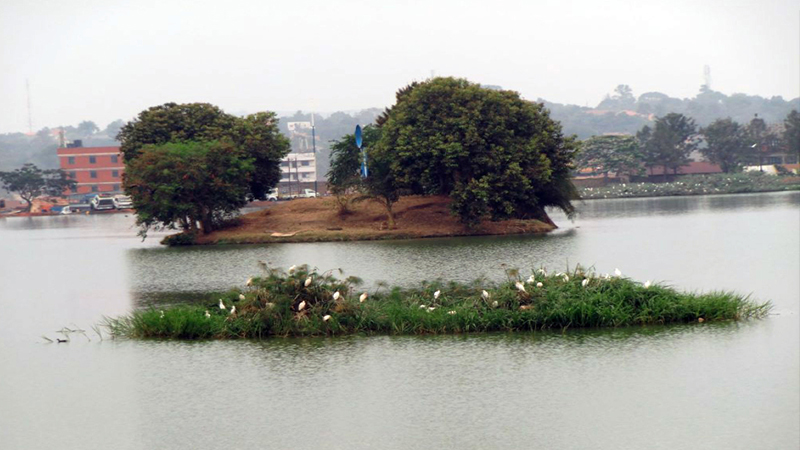
Kabaka’s Lake Kampala Uganda: History, Location, Things to Do and Visitor Guide
Kabaka’s Lake: Discover the History of Uganda’s Famous Man-Made Lake
Kabaka’s Lake is one of Kampala’s most interesting historical and cultural attractions, offering visitors an opportunity to explore the heritage of the Buganda Kingdom. Located in Ndeeba, within Lubaga Division in western Kampala, this remarkable man-made lake was excavated during the reign of Kabaka Mwanga II in the 1880s.
The lake is closely associated with the ambitions of Kabaka Mwanga II, who envisioned creating a water channel connecting his royal residence at Mengo with Lake Victoria. Although the original project was never completed, the lake remains an important historical landmark and a symbol of the organisation, leadership and collective labour of the Buganda Kingdom.
Today, Kabaka’s Lake attracts visitors interested in Uganda’s history, traditional leadership, cultural heritage and urban nature. Its peaceful waters, surrounding vegetation and birdlife provide a contrast to the busy streets of Kampala.
For travellers booking a Uganda safari, a visit to Kabaka’s Lake can be included in a Kampala city tour alongside the Kabaka’s Palace, Bulange, Kasubi Royal Tombs, Namirembe Cathedral and other cultural landmarks.
Where Is Kabaka’s Lake Located?
Kabaka’s Lake is located in Ndeeba, Lubaga Division, in the western part of Kampala, Uganda’s capital city. It lies close to the historic Mengo area, where the Buganda Kingdom’s royal palace and administrative institutions are situated.
The lake is accessible from the Kampala–Masaka Road and surrounding urban routes. Its location makes it convenient for visitors exploring Kampala’s cultural and historical attractions.
Kabaka’s Lake is situated within a wider area of significant Buganda heritage sites, including:
- Kabaka’s Palace (Lubiri) at Mengo.
- Bulange, the administrative headquarters of the Buganda Kingdom.
- The Royal Mile, connecting important royal and administrative landmarks.
- Namirembe Cathedral.
- Rubaga Cathedral.
- Kasubi Royal Tombs.
These attractions can be combined into a guided cultural excursion to understand the history, political organisation and traditions of the Buganda Kingdom.
History of Kabaka’s Lake
The history of Kabaka’s Lake dates back to the reign of Kabaka Mwanga II, one of the historical kings of Buganda. The lake was excavated by hand in the 1880s under his instructions.
It is widely associated with his plan to establish a waterway connecting the royal palace at Mengo with Lake Victoria.
Why Did Kabaka Mwanga II Construct the Lake?
Historical accounts commonly explain that Kabaka Mwanga II wanted a navigable water channel linking his palace at Mengo with his other royal residence near Munyonyo and Lake Victoria.
The proposed waterway was intended to make royal movement easier, provide an alternative route and strengthen the connection between the royal residence and the lake.
Other historical accounts associate the project with the Kabaka’s interest in swimming, fishing and recreation, as well as the availability of natural springs in the area.
Although these explanations are not entirely identical, they reflect the ambitions behind the construction of the lake and the wider waterway project.
The Construction of Kabaka’s Lake
The excavation of Kabaka’s Lake involved considerable manual labour. People from different parts of the Buganda Kingdom were mobilised to dig and shape the lake using traditional tools.
Historical accounts describe how chiefs, clan representatives and ordinary subjects participated in the work. The project was supervised by appointed leaders responsible for organising the labour.
The construction is often dated to around 1886, although accounts sometimes give different dates within the 1880s.
The lake is therefore remembered not only as an engineering achievement but also as a historical example of large-scale communal labour under the Buganda monarchy.
Why Was the Original Project Never Completed?
The proposed waterway from Mengo to Lake Victoria was never completed. Political instability, religious conflicts and the changing circumstances of Kabaka Mwanga II’s reign interrupted the project.
The lake remained as an independent water body rather than becoming part of a navigable channel connecting the royal palace to Lake Victoria.
Despite the unfinished plan, the lake survived as an important part of Buganda’s historical landscape and continues to be associated with the reign of Mwanga II.
Cultural and Historical Significance of Kabaka’s Lake
Kabaka’s Lake is more than a water body in the middle of Kampala. It represents an important part of Buganda’s cultural heritage and provides a connection to the kingdom’s history.
1. A Symbol of Buganda’s Traditional Leadership
The lake reflects the vision of Kabaka Mwanga II and the authority of the Buganda monarchy during the nineteenth century.
Its construction demonstrates how the kingdom mobilised people and resources to undertake large projects.
2. A Heritage Site for the Buganda Clans
The lake has a strong connection with the clan organisation of Buganda. Historical and tourism accounts describe the participation of different clans in its construction and the continued cultural importance attached to the site.
The Buganda Kingdom is traditionally organised around 52 recognised clans, each with its own identity, leadership and cultural responsibilities.
3. A Link to the History of Mengo
Kabaka’s Lake is closely associated with Mengo, the historic centre of the Buganda monarchy.
Visitors can combine a lake visit with a tour of the royal palace and Bulange to learn about the kingdom’s leadership, political institutions and cultural traditions.
4. A Historical Example of Traditional Engineering
The excavation of a large lake using manual labour in the nineteenth century remains an interesting part of Uganda’s history.
The lake illustrates the engineering knowledge, organisation and labour systems used before modern machinery became available.
Things to Do at Kabaka’s Lake
Kabaka’s Lake offers a quieter experience compared with many of Kampala’s busy attractions. Visitors can explore its historical background, appreciate its natural surroundings and learn about its relationship with the Buganda Kingdom.
The activities available may depend on current site management, conservation arrangements and visitor facilities.
1. Explore the History of the Lake
Understanding the story behind Kabaka’s Lake is one of the main reasons to visit.
A knowledgeable local guide can explain why Kabaka Mwanga II ordered its excavation, the proposed connection to Lake Victoria and the historical events that prevented completion of the original plan.
Visitors can also learn about the people who participated in the construction and the lake’s place in Buganda’s cultural heritage.
2. Enjoy the Scenic Views
The lake offers an attractive landscape within the urban environment of Kampala. Its open water, surrounding vegetation and changing reflections create a peaceful setting for visitors interested in photography and sightseeing.
The contrast between the lake and the surrounding residential neighbourhood makes it an interesting stop during a Kampala city tour.
3. Birdwatching
The vegetation and water habitats around Kabaka’s Lake support a variety of birds.
Depending on the season and conditions, visitors may look for:
- Grey crowned cranes.
- Pied kingfishers.
- Little egrets.
- Cattle egrets.
- Herons.
- Weavers.
- Other water-associated birds.
Early morning is generally a rewarding time for birdwatching, when bird activity can be more noticeable.
Visitors with a particular interest in Uganda’s birdlife can combine the lake with other birding destinations around Kampala, including Mabamba Wetland, which is famous for opportunities to see the shoebill.
4. Canoeing and Boat Activities
Boat rides and canoeing have been promoted as recreational activities at Kabaka’s Lake. The Kampala Tourism Portal also describes boat rides and canoe excursions among the visitor experiences associated with the lake.
However, visitors should confirm whether these activities are operating when planning their visit. Do not assume that boats, life jackets, guides or organised excursions are available on every day.
Water safety should always take priority. Avoid entering the water or using informal boat services without appropriate safety arrangements.
5. Photography
Kabaka’s Lake offers opportunities for landscape and cultural photography.
Visitors can photograph the open water, surrounding vegetation and birdlife while learning about the historical significance of the location.
Always seek permission before photographing individuals or private property around the shoreline.
6. Learn About Buganda’s Cultural Heritage
A visit to Kabaka’s Lake becomes more meaningful when combined with other Buganda Kingdom attractions.
A cultural guide can explain the kingdom’s traditional leadership structure, clan organisation, royal history and the importance of Mengo as a centre of Buganda’s political and cultural life.
This makes the lake particularly suitable for travellers who want to understand Uganda beyond its national parks and wildlife attractions.
Kabaka’s Lake and the Environment
Kabaka’s Lake is an important urban water body with historical, ecological and recreational value.
It supports aquatic habitats, birds and other organisms while forming part of the wider urban drainage environment.
However, the lake faces environmental pressures associated with urban development, waste disposal, sedimentation and changes in the surrounding wetlands.
A 2023 scientific study published in Water Practice & Technology examined eutrophication at Kabaka’s Lake and highlighted the effects of urban development, wastewater and inadequate waste management on its water quality.
These environmental challenges demonstrate why conservation and responsible management are important for the lake’s future.
Visitors can contribute to its protection by avoiding littering, respecting designated areas and supporting responsible tourism activities.
Kabaka’s Lake Tourism Development
Kabaka’s Lake has attracted renewed attention as a potential tourism destination in Kampala.
In July 2025, Buganda Kingdom announced plans to develop the lake into a modern tourism centre. The proposals reported at the time included improved visitor facilities, boat cruises, hospitality developments, a museum and recreational areas.
The development initiative also included efforts to improve access roads and address environmental problems such as sedimentation and water pollution.
These proposals reflect the potential of Kabaka’s Lake to become a more prominent cultural tourism attraction in Kampala.
However, announced development plans should not be confused with completed facilities. Travellers should confirm which visitor services are operational before including specific activities in their itineraries.
Best Time to Visit Kabaka’s Lake
Kabaka’s Lake can be visited throughout the year because it is located within Kampala and does not depend on seasonal wildlife movements.
However, weather conditions can influence the comfort of sightseeing and outdoor photography.
June to August
These months are generally part of Uganda’s drier season. They are convenient for walking around Kampala and combining several cultural attractions in one day.
December to February
This is another generally favourable period for city sightseeing. Visitors can combine Kabaka’s Lake with the royal palace, historical landmarks and other Kampala attractions.
March to May and September to November
These periods generally experience more rainfall. The surrounding vegetation may appear greener, but visitors should prepare for occasional showers and traffic delays.
Recommendation: Morning visits are particularly suitable for travellers interested in photography and birdwatching. Allow additional time when travelling between attractions because Kampala traffic can be unpredictable.
How to Get to Kabaka’s Lake
Kabaka’s Lake is easily accessible by road from different parts of Kampala.
From Entebbe International Airport
Visitors arriving at Entebbe International Airport can travel towards Kampala through the Entebbe Expressway or the older Entebbe–Kampala route, depending on traffic and their itinerary.
Once in Kampala, continue towards Mengo and Ndeeba.
The total journey time depends on traffic conditions, especially during morning and evening peak periods.
From Kampala City Centre
The lake is located west of central Kampala, in the Ndeeba area.
Visitors can reach it by private vehicle, taxi or boda boda. A private safari vehicle with a local guide is convenient for travellers combining the lake with several historical attractions.
From Kabaka’s Palace at Mengo
Kabaka’s Lake is conveniently located near the historic Mengo area. Visitors exploring the palace and Buganda Kingdom institutions can include the lake as part of the same cultural excursion.
Nearby Attractions to Combine with Kabaka’s Lake
A visit to Kabaka’s Lake can be combined with several important cultural and historical attractions in Kampala.
1. Kabaka’s Palace – Lubiri
The Kabaka’s Palace, commonly known as Lubiri, is the official royal residence associated with the Buganda monarchy.
Located at Mengo, the palace is an important landmark in the history of Buganda. Visitors can learn about the kingdom’s royal leadership, colonial history and the events that shaped Uganda.
2. Bulange – Buganda Parliament
Bulange is the administrative headquarters and parliament of the Buganda Kingdom.
The building is an important symbol of traditional governance and the kingdom’s modern administrative structure.
Its location along the Royal Mile makes it a natural addition to a visit to Kabaka’s Palace and Kabaka’s Lake.
3. Kasubi Royal Tombs
The Kasubi Royal Tombs are among Uganda’s most important cultural heritage sites and are recognised as a UNESCO World Heritage Site.
The site is the burial place of several former Buganda kings and provides insight into the kingdom’s royal traditions, architecture and cultural beliefs.
4. Namirembe Cathedral
Namirembe Cathedral, also known as St Paul’s Cathedral, is one of Kampala’s most prominent religious landmarks.
It is associated with the history of Anglican Christianity in Uganda and offers views of the surrounding city.
5. Rubaga Cathedral
Rubaga Cathedral is an important Catholic landmark in Kampala. It is associated with the development of Catholic Christianity in Uganda and the history of the Buganda Kingdom.
Its location on Rubaga Hill makes it a worthwhile stop on a cultural city tour.
Suggested One-Day Kampala Cultural Tour Including Kabaka’s Lake
Travellers with limited time can explore Kabaka’s Lake alongside other important historical attractions in Kampala.
Morning:
- Begin with a visit to Kabaka’s Palace at Mengo.
- Explore Bulange and the Royal Mile.
- Continue to Kabaka’s Lake to learn about its history and enjoy the surrounding scenery.
Afternoon:
- Visit Rubaga Cathedral or Namirembe Cathedral.
- Continue to Kasubi Royal Tombs, subject to opening arrangements and visitor access.
- Return to your hotel or proceed to another agreed destination.
The exact order can be adjusted according to traffic, opening times and the interests of the travellers.
Frequently Asked Questions About Kabaka’s Lake
1. Where is Kabaka’s Lake located?
Kabaka’s Lake is located in Ndeeba, Lubaga Division, in western Kampala, Uganda. It is close to Mengo and the historic royal institutions of the Buganda Kingdom.
2. Who constructed Kabaka’s Lake?
The lake was excavated during the reign of Kabaka Mwanga II of Buganda in the 1880s.
3. When was Kabaka’s Lake constructed?
The lake is commonly dated to around 1886, although historical accounts sometimes give slightly different dates within the 1880s.
4. Why did Kabaka Mwanga II construct the lake?
The most widely repeated historical explanation is that Mwanga II intended to create a water channel connecting his royal palace at Mengo with Lake Victoria and the royal residence near Munyonyo. The project was never completed.
5. Does Kabaka’s Lake connect to Lake Victoria?
No. The proposed channel connecting the lake to Lake Victoria was never completed. Kabaka’s Lake remains a separate water body.
6. Is Kabaka’s Lake a natural lake?
No. It is a man-made lake excavated by hand under the instructions of Kabaka Mwanga II.
7. What activities can visitors enjoy at Kabaka’s Lake?
Visitors can learn about its history, enjoy the scenery, observe birds and take photographs. Boat rides and canoeing have also been promoted, but their availability should be confirmed before visiting.
8. Can Kabaka’s Lake be included in a Kampala city tour?
Yes. It can be combined with Kabaka’s Palace, Bulange, the Royal Mile, Kasubi Royal Tombs, Namirembe Cathedral and Rubaga Cathedral.
9. Is Kabaka’s Lake important to the Buganda Kingdom?
Yes. It is an important historical and cultural landmark associated with Kabaka Mwanga II, the kingdom’s traditional leadership and the collective labour involved in its construction.
10. How long should I spend at Kabaka’s Lake?
The time required depends on your interest in its history and the activities available. Many visitors can include it as a short stop within a broader Kampala cultural tour.
Include Kabaka’s Lake in Your Uganda Safari with Book Gorilla Tracking
Kabaka’s Lake offers a different perspective on Uganda’s attractions. While the country’s national parks are famous for mountain gorillas, chimpanzees, elephants and other wildlife, Kampala’s historical landmarks reveal the cultural heritage and traditional leadership that have shaped the country.
A visit to Kabaka’s Lake provides an opportunity to learn about Kabaka Mwanga II, the history of the Buganda Kingdom and the remarkable human effort involved in creating this historic water body.
At Book Gorilla Tracking, we help travellers plan Uganda gorilla trekking holidays, wildlife safaris and cultural excursions. You can include Kabaka’s Lake in a Kampala city tour before or after visiting Bwindi Impenetrable National Park, Mgahinga Gorilla National Park, Kibale Forest or other destinations.
Whether you are beginning your Uganda holiday in Kampala or concluding your safari before departure, our team can help organise a personalised travel experience.
Contact Book Gorilla Tracking to include Kabaka’s Lake and Kampala’s cultural attractions in your Uganda safari itinerary.