+256-702 595 926 | info@bookgorillatracking.com

Uganda Safari Packages

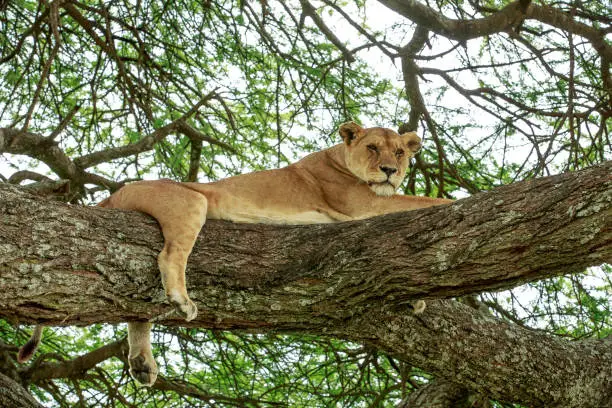
Uganda safari packages are popular with travelers who want the excitement of a traditional safari, animals, landscapes, guides, and game drives, while also adding experiences that feel truly exceptional. In Uganda, that “extra” is often primates: gorilla trekking in Bwindi Impenetrable Forest, chimpanzee tracking in Kibale National Park, and a host of other forest encounters that are difficult to replicate elsewhere.
But with so many package styles available, from budget to luxury, private to group, short to extended itineraries, choosing the right one can feel overwhelming. This guide explains the most common Uganda safari package formats, what’s typically included, where costs vary, and how to select a plan that matches your interests and comfort level.
What Uganda Safari Packages Usually Cover
Accommodation: Lodges and camps range from simple and comfortable to high-end luxury with premium views, guided activities, and better service.
Transport and guiding: Packages typically include a driver-guide and a safari vehicle. Many trips use a 4×4 due to road conditions and detours.
Park and activity logistics: This may include game drives, boat trips, guided walks, and park transfers between regions.
Meals: Many packages include breakfast and dinner, with lunch either included or provided as part of day planning, depending on the lodge style.
Park fees and activity fees: Park entry, ranger fees, and special activities are often the major “line items” that determine price. Gorilla trekking and chimp activities are usually the biggest cost drivers.
Key takeaway: The label “package” doesn’t always mean everything is included. Gorilla permits, chimp trekking permits, and certain park activities are sometimes charged separately.
The Main Types of Uganda Safari Packages
Uganda safari packages come in a few common categories. Understanding these helps you compare offers more fairly.
Standard “Classic Circuit” Packages (10–14 days)
These are the most common itineraries for first-time visitors from abroad. They often include: Murchison Falls National Park, Kibale National Park, Bwindi Impenetrable Forest, and Queen Elizabeth National Park. This format works well if you want a balanced mix of primate experiences and classic safari scenery.
Gorilla-Focused Packages (6–10 days)
If gorillas are your priority, some packages simplify the route to reduce travel time and concentrate on Bwindi and nearby parks. A first wildlife day or two (depending on arrival timing), Gorilla trekking in Bwindi, and optional add-ons such as a crater-lake area, cultural visit, or additional forest walking. This can be a great choice for travellers with limited time or those who want maximum energy for trekking day(s).
Chimpanzee and Forest Adventure Packages (7–12 days)
These itineraries centre on chimp tracking, guided walks, and biodiversity-rich rainforest regions. Bwindi and Kibale are frequently combined, sometimes with other forest environments, for birding and primate variety.
Gorilla Trekking Packages
Gorilla trekking is often the main reason travellers choose Uganda. It’s also one of the most operationally complex experiences to package. You’ll join a briefing and receive safety instructions. Rangers and trackers help locate gorilla families. You’ll trek in the forest, often for several hours, depending on where the gorillas are.
Gorilla permits are limited, and families are assigned. Many operators can secure permits in advance, but travellers should book early, especially for popular travel months and school holiday periods.
Chimpanzee and Forest Trek Packages
Chimp tracking is thrilling and often feels faster-paced than gorilla trekking, but it still requires patience and physical readiness. Weather and forest conditions can affect sightings and trekking routes. The number of chimp families tracked per day affects pacing. The skill of guides in reading the forest and locating chimpanzees matters.
Safari Add-Ons That Make Packages Feel Special
A package can become more memorable when it includes thoughtful extras. Common add-ons include:
- Boat trips (often on rivers connected to wildlife viewing)
- Cultural experiences (local communities, crafts, and traditional storytelling)
- Hiking and nature walks (waterfalls, viewpoints, or crater landscapes)
- Specialised wildlife experiences like night activities in certain areas (where appropriate and available)
- Birding days with targeted checklists and time for binocular viewing
Add-ons can raise cost, but they can also elevate your trip from “safari” to a personal journey with a human connection.
Sample Package Itinerary Concepts
While exact routes differ, here are common “package concepts” you’ll see from operators.
Concept 1: 12-Day Classic Circuit
- Days 1–2: Arrival + Murchison Falls wildlife and falls viewpoint
- Days 3–4: Savannah wildlife and boat segment
- Days 5–6: Kibale forest primates (chimp tracking)
- Days 7–9: Bwindi gorilla trekking with at least one buffer day
- Days 10–11: Queen Elizabeth landscapes (craters/lakes + game drives)
- Day 12: Return toward the departure point and fly out
Concept 2: 8-Day Gorilla Priority Safari
- Days 1–2: Transfer and acclimatisation near Bwindi
- Days 3–5: Gorilla trekking day + forest experiences
- Days 6–7: Optional chimp tracking or another nearby nature activity
- Day 8: Departure planning and travel back
Concept 3: 10-Day Chimp & Forest Adventure
- Days 1–3: Kibale-centred tracking and guided forest walks
- Days 4–6: Bwindi for gorilla trekking or additional primate focus
- Days 7–10: Queen Elizabeth or a lake region for wildlife drives and scenery
A real itinerary should include buffers for weather and logistics. Uganda’s treks and roads are not always perfectly predictable.
Common Mistakes When Booking Uganda Safari Packages
Not verifying what the gorilla permit includes: Some packages handle permits; others require separate arrangements.
Underestimating the physical demands of trekking: Gorilla trekking can be strenuous. Choose footwear and prepare accordingly.
Choosing too many parks for too few days: You can end up with a “driving tour” rather than an enjoyable safari.
Ignoring lodge location and trail access: Lodges closer to treks reduce stress and improve your energy.
Assuming “package price” means all taxes and fees are covered: Always confirm what’s included in the final total.
Uganda safari packages are compelling because they offer more than a standard game-drive itinerary. They combine rainforest primate encounters with dramatic landscapes and classic safari moments, all within one country.