+256-702 595 926 | info@bookgorillatracking.com

Bwindi Gorilla Trekking: Permits, Sectors & Safari Guide

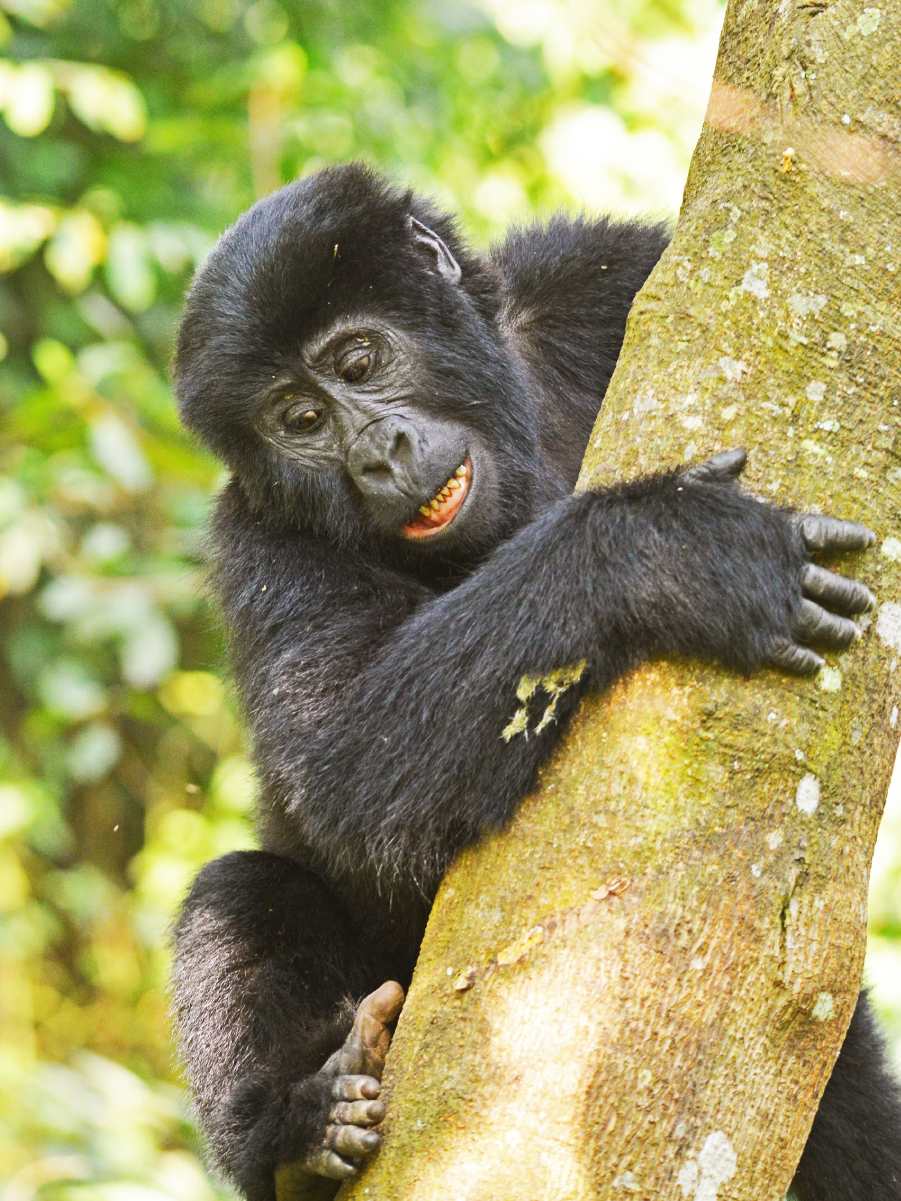
Bwindi Gorilla Trekking: Complete Guide to Uganda’s Mountain Gorillas
Bwindi Impenetrable National Park, located in southwestern Uganda, is one of Africa’s most remarkable wildlife destinations and a leading place to experience mountain gorilla trekking. This UNESCO World Heritage Site protects an ancient tropical forest filled with exceptional biodiversity, dramatic hills, deep valleys, rare birds, and endangered mountain gorillas. UNESCO recognizes Bwindi for its outstanding natural value and its importance as a habitat for almost half of the world’s mountain gorilla population. https://whc.unesco.org/en/list/682/
For many travelers, Bwindi gorilla trekking is the highlight of a Uganda safari. Guided by experienced trackers and park rangers, visitors hike through the forest in search of a habituated gorilla family and, when the group is found, spend a strictly limited period observing these remarkable primates in their natural habitat.
At Raptors Africa Safaris, we help travelers plan gorilla trekking adventures with the right permits, accommodation, transport, and local guidance. This guide explains Bwindi’s trekking sectors, permit arrangements, what to expect on the trail, the best time to visit, and how to make your experience responsible and rewarding.
Why Is Bwindi Impenetrable National Park Special?
Bwindi is much more than a destination for gorilla trekking. It is a globally important conservation area where montane and lowland forest ecosystems meet, supporting an extraordinary range of wildlife.
The park is known for its rich plant life, forest birds, butterflies, and mammals. Its location within the Albertine Rift also makes it important for species with restricted geographical ranges. Mountain gorillas are its most celebrated residents, but the forest offers nature lovers many other reasons to visit. https://whc.unesco.org/en/list/682/
Bwindi’s importance extends beyond biodiversity. Conservation work, scientific research, wildlife monitoring, veterinary care, and community tourism initiatives all contribute to protecting the forest and the species that depend on it.
By visiting responsibly, travelers can enjoy an exceptional wildlife experience while contributing to the tourism economy that supports conservation and surrounding communities.
Where to Go Gorilla Trekking in Bwindi
Bwindi is commonly divided into four main gorilla trekking sectors: Buhoma, Ruhija, Rushaga, and Nkuringo. Each has its own access routes, accommodation options, landscapes, and trekking characteristics.
Your assigned sector matters because you must report to the correct briefing point on your permit date. Choosing accommodation close to that sector can make the morning of your trek much easier.
1. Buhoma Gorilla Trekking Sector
Located in northern Bwindi, Buhoma is one of the park’s best-known trekking sectors. It offers access to habituated mountain gorilla families and a range of accommodation, from community guesthouses to comfortable and luxury lodges.
The surrounding area also offers opportunities for guided forest walks, birdwatching, and community-based experiences.
Buhoma is a good option for travelers looking for a well-established tourism area with a choice of places to stay. However, trekking difficulty varies, and visitors should not assume every trek here is easy.
2. Ruhija Gorilla Trekking Sector
Ruhija lies in eastern Bwindi, where high elevations and montane forest create a cool, scenic environment.
The sector is appealing to travelers interested in forest biodiversity, birdwatching, and gorilla trekking away from some of the busier tourism hubs. Treks can involve steep slopes and uneven ground, so a reasonable level of fitness is helpful.
Ruhija can also be incorporated into a broader southwestern Uganda itinerary, depending on permit availability and road travel times.
3. Rushaga Gorilla Trekking Sector
Rushaga, in southern Bwindi, is an important trekking area with access to several habituated gorilla families. Its permit availability and accommodation options make it a popular choice for many visitors.
The terrain varies, and some treks can be demanding. The time spent hiking depends on the location of the assigned gorilla family, the terrain, and the pace of the group.
Rushaga is also a sector to consider when exploring whether a gorilla habituation experience is available for your travel dates. This is a separate activity with its own permit requirements and conditions.
4. Nkuringo Gorilla Trekking Sector
Nkuringo is situated in southern Bwindi and is known for its striking landscapes and challenging terrain. The surrounding hills offer impressive views, while the forest provides habitat for mountain gorillas and other wildlife.
Trekking here can involve steep ascents and descents, making suitable footwear, preparation, and the support of experienced guides especially important.
Nkuringo is worth considering for travelers who want to combine gorilla trekking with scenic landscapes and accommodation in the southern part of Bwindi.
Which Bwindi Sector Should You Choose?
There is no single best sector for every traveler. Your decision should depend on permit availability, your accommodation preferences, physical fitness, and the route of your wider Uganda safari.
| Sector | General character | Best planning consideration |
|---|---|---|
| Buhoma | Established northern trekking area | Lodge choice and access to other local activities |
| Ruhija | High-elevation forest setting | Cooler conditions, birding, and trekking terrain |
| Rushaga | Southern trekking sector with several habituated families | Permit availability and possible habituation experiences |
| Nkuringo | Scenic, hilly southern sector | Trekking demands and steep terrain |
Planning tip: Secure your permit for the correct sector before finalizing your lodge. Ask your tour operator to coordinate your accommodation and transport with the confirmed briefing location.
Bwindi Gorilla Trekking Permits and Booking
A valid gorilla trekking permit is required to participate in standard mountain gorilla trekking in Bwindi. Permits are managed by the Uganda Wildlife Authority (UWA), and availability is limited to help manage visitor numbers and protect gorilla welfare.
A standard gorilla trekking permit generally allows a visitor up to one hour with the gorilla family once it has been located, subject to the instructions of the park rangers.
How Do You Book a Gorilla Trekking Permit?
Travelers can arrange permits through the Uganda Wildlife Authority or use a reputable safari operator to coordinate the booking and the rest of the trip.
Booking through an experienced operator can be helpful if you need to combine a permit with accommodation, airport transfers, private transport, and other national park activities.
The usual planning steps are:
- Choose your travel dates. Decide when you would like to trek and how many days you have for your Uganda safari.
- Check permit availability. Confirm whether a permit is available for your preferred date and trekking sector.
- Provide the required traveler details. Your operator will explain the identification information needed for the booking.
- Confirm the cost and payment terms. Request a clear breakdown of the permit and any other safari services.
- Arrange accommodation and transport. Stay near the assigned sector and allow sufficient time to reach the briefing point.
- Review the trekking instructions. Follow the latest guidance from UWA and your tour operator before the trek.
How Much Does a Bwindi Gorilla Permit Cost?
Gorilla permit rates depend on the applicable UWA tariff and traveler category, such as foreign non-resident, foreign resident, or East African citizen. Prices can change when new tariffs take effect.
For this reason, confirm the current price directly with UWA or through your safari operator before paying. Do not rely on an old online article or assume that a price from a previous season is still valid.
Your overall safari budget should also account for accommodation, transport, meals, optional activities, and any additional nights needed to reach your trekking sector.
Why Should You Book Early?
Gorilla trekking permits are limited, and popular travel periods can sell out well in advance. Booking early gives you a better chance of securing your preferred date and coordinating the rest of your itinerary.
This is especially important if you are traveling during June to September, around Christmas and New Year, or with a group that needs several permits for the same date.
What to Expect During a Bwindi Gorilla Trek
Gorilla trekking is an adventure through a natural forest environment rather than a visit to a conventional wildlife viewing area. The duration and difficulty of the trek vary depending on where the assigned gorilla family has moved.
1. Morning Briefing
Your experience generally begins at the designated sector headquarters. Park staff explain the trekking rules, introduce the guiding arrangements, and provide instructions on how to behave around gorillas.
You will be assigned to a trekking group and accompanied by authorized guides and trackers.
2. Walking Through the Forest
Once the trek begins, you follow guides and trackers through forest trails, uneven ground, and sometimes steep or muddy sections.
The hike may take a few hours or longer, depending on the location of the gorilla family. Be prepared for changing terrain, humidity, and occasional rain, even during the relatively dry months.
Your guide will set an appropriate pace and explain how to move safely through the forest.
3. Finding a Mountain Gorilla Family
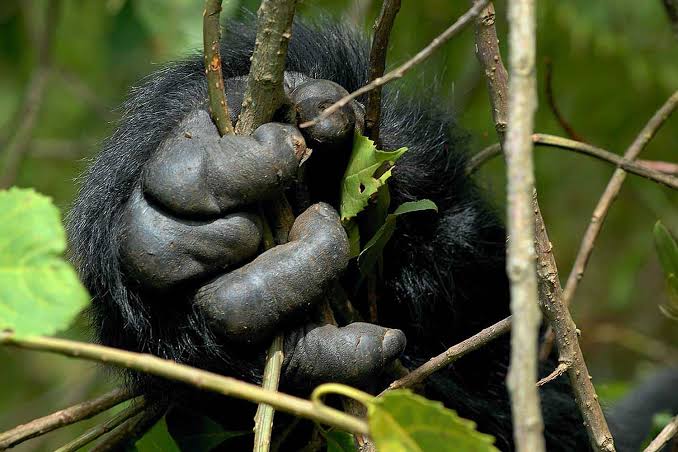
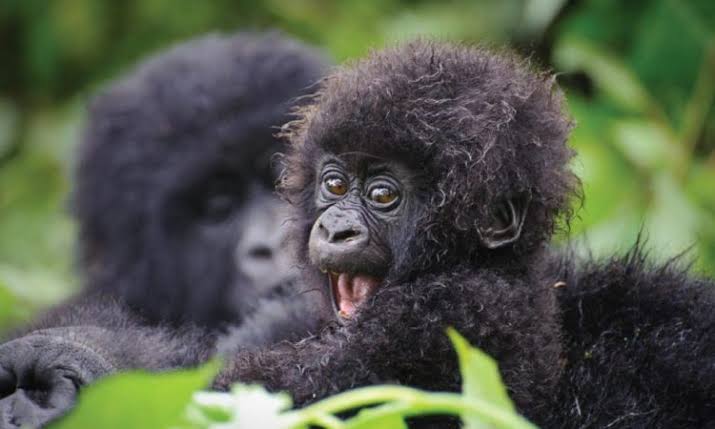
When the gorillas are located, your guides will explain how to approach and observe them. You may see adults feeding, grooming, resting, or moving through the vegetation. Younger gorillas may play or interact with other members of the family, while a dominant silverback often remains alert to the group’s surroundings.
Every encounter is different because gorillas are wild animals behaving naturally in their own habitat.
4. The Gorilla Encounter
Visitors are generally allowed up to one hour with the habituated gorilla family, subject to ranger instructions and applicable regulations.
This is the moment many travelers remember most: observing the gorillas’ social behavior and family interactions from the permitted viewing distance.
Keep your movements calm, speak quietly, avoid flash photography, and follow all instructions from your guides.
5. Returning From the Forest
After the encounter, the group returns along the forest trails. The return journey can be physically demanding, especially after a long trek.
Allow time to rest and hydrate once you return to your lodge. If you have planned a long road transfer on the same day, discuss the timing with your operator before booking.
What Wildlife Can You See in Bwindi?
Mountain gorillas are the main attraction, but Bwindi is also an exceptional destination for biodiversity.
Depending on the location and conditions, visitors may encounter or hear forest birds, butterflies, monkeys, and other wildlife. The park’s varied forest habitats support a rich range of species, including animals of conservation importance. https://whc.unesco.org/en/list/682/
Birdwatchers are particularly drawn to Bwindi because of its diverse forest birdlife, including species associated with the Albertine Rift.
Although the gorilla encounter is the primary focus of a standard trekking permit, the surrounding forest provides a deeper appreciation of Uganda’s natural heritage.
Best Time for Gorilla Trekking in Bwindi
Gorilla trekking is available throughout the year, subject to permit availability and park operations. However, some months are often preferred because of the likely trekking conditions.
June to September
These months generally form the main drier period in much of Uganda and are popular for gorilla trekking and wildlife safaris. Forest trails may be easier to navigate, although rain is still possible in Bwindi.
December to February
This is another commonly favored travel window. It is well suited to visitors combining gorilla trekking with chimpanzee tracking or savannah wildlife viewing.
March to May and October to November
These months tend to be wetter in many regions. Trails may become muddy and slippery, but the forest can be especially lush, and the scenery can be excellent for photography.
The best time for you depends on your comfort with rain, physical preparation, travel dates, and permit availability. No season guarantees a particular gorilla sighting or a shorter trek.
What to Pack for Gorilla Trekking in Bwindi
Good preparation makes a big difference to comfort and safety. Pack for humid forest conditions, possible rain, and uneven trails.
Recommended items include:
- Sturdy hiking boots with good traction, ideally waterproof.
- A waterproof jacket or rain shell.
- Long-sleeved shirts and long trousers to protect against vegetation and insects.
- Gardening or trekking gloves for holding vegetation when needed.
- A waterproof daypack or dry bag for your camera and other valuables.
- Insect repellent and sunscreen.
- A reusable water bottle and permitted snacks.
- A sunhat or cap.
- Light layers for cool mornings and higher elevations.
- Spare camera batteries and memory cards.
Follow the latest instructions from your operator and park staff regarding food, equipment, and what may be carried during the trek.
How Fit Do You Need to Be for Gorilla Trekking?
Gorilla trekking can range from a relatively manageable walk to a strenuous hike involving steep slopes and several hours on uneven ground.
You do not need to be an elite athlete, but a reasonable level of fitness helps. If possible, prepare with regular walks, hill hiking, stair climbing, or other activities that build stamina and balance.
Tell your safari operator in advance if you have concerns about mobility or fitness. While the trek cannot be guaranteed to be easy, the operator can discuss suitable arrangements and explain what support may be available.
Hire a Porter for Extra Support
Hiring a local porter is a practical way to make your trek more comfortable. Porters can carry your daypack and may help you navigate difficult sections of the trail.
Porter services also provide income for people living near the park, helping local households benefit directly from tourism.
Gorilla Trekking Rules: Protecting Visitors and Gorillas
Mountain gorillas are vulnerable to human diseases, and close encounters must be managed carefully. Visitors are required to follow the latest UWA rules and the instructions of their guides.
Important principles include:
- Maintain the distance specified by park authorities, commonly around seven metres under standard guidance.
- Do not touch, feed, or attempt to attract a gorilla.
- Avoid flash photography.
- Keep your voice low and movements calm.
- Stay with your group and follow ranger instructions.
- Do not litter or remove plants, animals, or other natural materials from the forest.
- Inform your operator if you are unwell before the trek.
If you have symptoms of an infectious illness, such as a cough or fever, contact your operator before departure. Park authorities may restrict participation to protect gorilla health.
If a gorilla approaches, do not attempt to touch it or move independently. Follow the ranger’s instructions.
These measures help reduce stress and disease transmission and make the experience safer for both visitors and wildlife.
Conservation and Community Benefits of Gorilla Trekking
Responsible gorilla tourism can play an important role in protecting Bwindi’s forest and supporting the communities that live around it.
Tourism revenue contributes to wildlife conservation and park management, while tourism-related jobs create income opportunities for guides, trackers, drivers, porters, lodge employees, and local businesses.
Community-based tourism can also support cultural experiences, local crafts, and other enterprises. When local people benefit from the presence of protected wildlife, there can be stronger incentives to support conservation.
Bwindi’s conservation future depends on continued habitat protection, responsible visitor management, research, and cooperation between authorities, conservation organizations, tourism businesses, and neighboring communities. UNESCO identifies community benefits and effective management as important elements of the park’s long-term protection. https://whc.unesco.org/en/list/682/
Research and Veterinary Care
Mountain gorillas benefit from ongoing monitoring, scientific research, and veterinary interventions when necessary. Conservation teams work to identify threats, monitor gorilla health, and support the long-term survival of the population.
Responsible visitors contribute to this wider conservation effort by respecting park rules and choosing operators that take wildlife protection seriously.
Respect Local Culture Around Bwindi
Communities around Bwindi have diverse cultural traditions and a strong connection to the surrounding landscape. Visitors can make their trips more meaningful by approaching local encounters respectfully.
When visiting villages or participating in cultural activities:
- Ask permission before photographing people.
- Dress appropriately for the setting.
- Listen to local guides and community hosts.
- Purchase crafts directly from artisans where possible.
- Choose community experiences that are led by local people and explain how the fees support them.
Respectful cultural tourism creates opportunities for visitors to learn while supporting local livelihoods.
Combine Bwindi Gorilla Trekking With Other Uganda Safari Experiences
Bwindi fits naturally into a wider Uganda itinerary. Depending on your available time and interests, you may combine gorilla trekking with other wildlife and cultural experiences.
Popular options include:
- Kibale National Park: Chimpanzee tracking and tropical forest exploration.
- Queen Elizabeth National Park: Game drives, savannah wildlife, and a boat cruise along the Kazinga Channel.
- Lake Bunyonyi: Scenic lake views, island excursions, and a relaxing break after trekking.
- Mgahinga Gorilla National Park: Golden monkey tracking, volcano scenery, and additional nature-based activities.
- Murchison Falls National Park: Wildlife viewing and a boat trip on the Nile, best included when you have enough time for the longer travel distances.
The right itinerary depends on your trip length, permit availability, and the amount of time you want to spend on the road.
Explore our Uganda safari options to plan a journey that matches your interests.
Plan Your Bwindi Gorilla Trekking Safari With Raptors Africa Safaris
A gorilla trekking adventure in Bwindi is an opportunity to experience one of the world’s most extraordinary primates in a protected natural environment. The forest, the challenging trails, and the chance to observe a gorilla family make this a memorable part of a Uganda safari.
With careful planning, you can choose a suitable trekking sector, arrange the right permit, prepare for the hike, and support responsible tourism along the way.
Raptors Africa Safaris can help organize your Bwindi gorilla trekking experience, including permit arrangements, accommodation, ground transportation, and a customized Uganda safari itinerary.
Visit www.bookgorillatracking.com to explore our trips and begin planning your adventure.
Contact our team to check permit availability and create a Bwindi gorilla trekking safari tailored to your dates, interests, and budget.
Frequently Asked Questions About Bwindi Gorilla Trekking
Where is Bwindi Impenetrable National Park located?
Bwindi Impenetrable National Park is in southwestern Uganda. It is a UNESCO World Heritage Site known for its biodiversity and mountain gorillas.
How many days do I need for Bwindi gorilla trekking?
One trekking day is required for a standard gorilla trekking experience, but most travelers should allow additional time for road transfers and accommodation. A multi-day itinerary can also include other Ugandan parks and attractions.
How long do you spend with gorillas in Bwindi?
The standard gorilla trekking experience generally allows up to one hour with the gorilla family once it has been located, subject to ranger instructions and applicable regulations.
Which Bwindi sector is best for gorilla trekking?
Buhoma, Ruhija, Rushaga, and Nkuringo all offer gorilla trekking opportunities. The best sector depends on permit availability, your accommodation, your wider route, and the trekking conditions you prefer.
Is gorilla trekking in Bwindi difficult?
It can be physically demanding because trails are uneven, steep, and sometimes muddy. Trek duration depends on where the gorilla family is located. Suitable footwear, preparation, and following your guide’s instructions are important.
What is the best month for gorilla trekking in Bwindi?
June to September and December to February are popular periods because conditions are often relatively dry. Trekking is possible throughout the year, and rain can occur in every season.
How much does a Bwindi gorilla trekking permit cost?
The price depends on the current Uganda Wildlife Authority tariff and your traveler category. Confirm the latest rate and payment terms before booking.
Can I see gorillas in Bwindi during the rainy season?
Yes. Gorilla trekking takes place year-round, subject to park operations and permit availability. Wet-season conditions may make the trails more slippery and the hike more challenging.
Is gorilla trekking safe?
Trekking is conducted under park rules and with trained guides and rangers. Visitors should follow all instructions, maintain the required distance, avoid touching gorillas, and inform their operator if they are unwell before the trek.
Can I combine gorilla trekking with other activities in Uganda?
Yes. Many travelers combine Bwindi with chimpanzee tracking in Kibale, wildlife viewing in Queen Elizabeth National Park, relaxation at Lake Bunyonyi, or other destinations depending on the time available.
[…] answer depends on your travel interests. Some visitors prefer the relatively dry months for gorilla trekking and wildlife safaris, while others choose the greener rainy seasons for birdwatching, photography, […]