+256-702 595 926 | info@bookgorillatracking.com

Gorilla Permits in Uganda

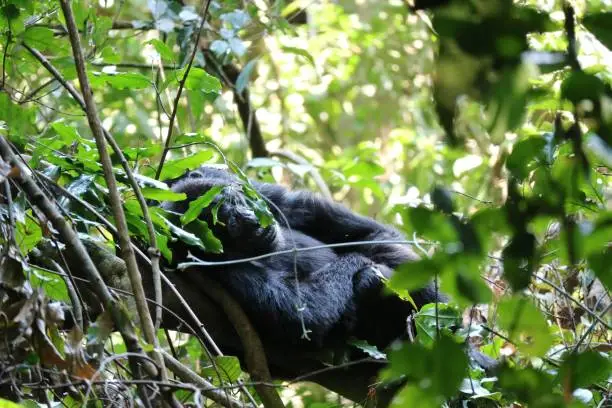
Gorilla trekking in Uganda is a flagship conservation tourism experience, an emotional, educational and rare opportunity to see mountain gorillas in the wild. Central to that experience is the gorilla permit: a strictly managed, conservation-focused authorization that controls visitor numbers, finances protection efforts, and channels benefits to local communities. This article explains how Uganda’s gorilla permit system works, the rationale behind it, where permits are valid, how to book and pay, current pricing structures (including seasonal rates), what permits include and exclude, the rules and responsibilities tied to permits, tips for securing and using permits, ethical considerations, and how permits contribute to conservation and local livelihoods. If you are planning a trek, this guide will help you budget, plan and align your visit with best-practice conservation principles.
Why Gorilla Permits Exist
Gorilla permits are not simply a tourism ticket; they are a conservation tool. Mountain gorillas survive in small, vulnerable populations that require constant protection, monitoring and veterinary intervention. Permits serve multiple purposes:
- Regulating visitor numbers to minimise disturbance and disease risk to gorillas.
- Generating predictable revenue streams for park management, anti-poaching patrols and ongoing conservation initiatives.
- Funding community development projects that support local livelihoods and reduce human–wildlife conflict.
- Supporting habituation, research, and veterinary work needed for long-term gorilla health and population stability.
Without the permit system, uncontrolled visitation could harm gorilla welfare and undermine conservation gains. The permit model aligns tourism demand with conservation funding needs and local socio-economic incentives.
Where Permits Apply
In Uganda, gorilla permits are required for trekking mountain gorillas and are valid in the primary parks where gorillas are habituated for tourism:
Bwindi Impenetrable National Park: The major gorilla tourism destination in Uganda, split into sectors (Buhoma, Ruhija, Rushaga, Nkuringo) with multiple habituated gorilla families. Bwindi holds roughly half of the world’s mountain gorillas.
Mgahinga Gorilla National Park: Located in the Virunga Massif on Uganda’s southwestern border. Mgahinga has fewer habituated groups and is often combined with regional itineraries including neighboring Rwanda and the Democratic Republic of Congo.
Permits are location- and date-specific: they name the park sector and the trekking date, and each permit entitles the holder to one trek with a habituated gorilla family (one hour viewing time).
Permit Pricing and Seasonality
Uganda uses a seasonal pricing strategy to manage demand and distribution of visitor numbers across the year. Prices have changed over time and may continue to, so always confirm current fees with the Uganda Wildlife Authority (UWA) or a licensed operator. Typical features of the pricing system include:
Low season vs high season rates: Lower permit prices during off-peak months encourage visitation when trail conditions are wetter and visitor numbers are lower; higher permits in peak months help manage demand and yield greater conservation revenue when tourism volume increases.
Differential pricing for nationals/residents: Many countries charge lower fees for national citizens or regional residents. Uganda historically has had concessional rates for East African citizens and residents; check UWA guidelines for current rates and eligibility requirements.
Because permit prices are set to support conservation and community programs, they are among the highest single-day wildlife viewing fees globally. While costly, these fees are fundamental for sustaining protected area operations and gorilla survival.
How to Book Gorilla Permits
Book through licensed tour operators. This is the most common and convenient route. Reputable operators handle permit applications, lodge reservations, transfers, and any additional permits (e.g., park entrance, other activities). They also assist with health requirements, insurance recommendations and contingency planning. Booking early is critical, popular seasons and sought-after sectors (for example, certain habituated gorilla families known for photogenic encounters) fill quickly. For peak months, secure permits at least six months to a year in advance; outside peak season, a few months’ lead time is usually sufficient.
What a Permit Includes and Excludes
Understanding inclusions avoids surprises when you arrive.
Typically included:
- The right to participate in a gorilla trek on a specified date and in a specified sector.
- The regulated one-hour viewing time with a habituated gorilla family under ranger supervision.
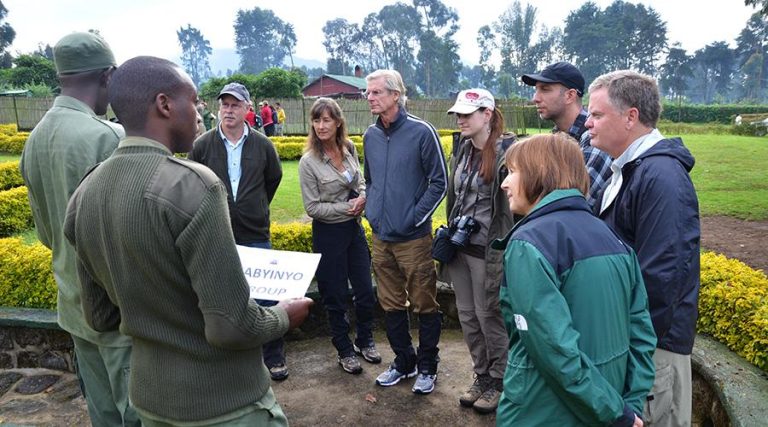
- Briefings and ranger/guide services associated with the trek.
Typically excluded:
- Transport to the park (international flights, domestic charters, road transfers).
- Accommodation and meals.
- Optional activities (chimp tracking, forest walks, cultural experiences).
- Insurance and health-related costs (vaccinations, malaria prophylaxis).
- Tips for guides, porters and lodge staff.
Many tour packages bundle permits with accommodation, transfers and guides; if you prefer a DIY approach, plan the separate logistics carefully.
Rules and Responsibilities Linked to Permits
Permits come with strict behavioral and health rules designed to protect gorillas and visitors. Rangers emphasise these at pre-trek briefings; violations can result in expulsion from the trek and potential future permit restrictions for offenders. Core rules include:
Health screening: Visitors with contagious illnesses (fever, persistent cough, diarrhoea) are typically not allowed to trek. Because gorillas are highly susceptible to human diseases, truthful disclosure of symptoms is essential.
Maintain distance: A recommended minimum distance—often 7 meters (about 23 feet)—is enforced unless a gorilla approaches. Close proximity increases disease transmission and stress risk.
One-hour limit: Each permit allows one hour of close observation. Rangers enforce this to minimise disturbance and prevent overexposure to pathogens.
No touching or feeding: Physical contact is prohibited for gorilla welfare and human safety.
No flash photography: Flashes can startle animals; quiet camera operation is required.
Follow ranger instructions: Rangers lead groups, set viewing positions, and give behavioral commands; obey promptly for safety.
Respect local culture and park property: Littering, damaging vegetation and disrespectful behavior toward local communities or staff can lead to penalties.
Being familiar with and adhering to these rules ensures a safe, ethical encounter and protects the future of gorilla tourism.
How Permit Revenue Is Used
Permit fees are deliberately high relative to other wildlife experiences because of the real costs of protecting a critically endangered species. Funds typically support:
- Park operations and ranger salaries.
- Anti-poaching patrols and law enforcement.
- Gorilla monitoring, habituation and research.
- Emergency veterinary care (e.g., Gorilla Doctors).
- Community development projects—schools, health clinics, water systems—and livelihood programs that reduce reliance on destructive resource use.
- Infrastructure that supports sustainable tourism.
When you buy a permit, you are financing these activities. This direct link between tourism and conservation is at the heart of Uganda’s gorilla trekking approach.
Tips for Securing Permits and a Smooth Trek
- Book early, especially for high season or specific sectors/sought-after gorilla groups.
- Use licensed, reputable operators who can provide confirmations and handle logistics.
- Travel flexibly if possible; midweek treks or low-season travel can ease scheduling and reduce costs.
- Purchase appropriate travel insurance and keep emergency contacts accessible.
- Prepare physically and mentally for variable trail conditions—mud, steep slopes and dense understory are common.
- Bring necessary documentation (passport, vaccination card, insurance) and copies of permit confirmations.
- Hire porters if needed and tip fairly—this supports local livelihoods and helps you enjoy the trek.
Conclusion
Gorilla permits are the gateway to one of the world’s most extraordinary wildlife encounters, but they are far more than a tourism product. Permits are a conservation instrument, carefully designed to protect mountain gorillas, fund critical protection and research efforts, and deliver benefits to communities that share gorilla landscapes.
Understanding how permits are allocated, what they include, the responsibilities they carry, and how fees are used will help you plan a responsible, meaningful visit. Book early, choose reputable partners, follow health and behavioral rules, and treat the experience as both a privilege and a contribution to conservation. In doing so, your permit will help ensure that future generations can also meet the mountain gorillas of Uganda in the wild.

[…] Booking a gorilla permit in Uganda is one of the most important steps when planning a gorilla trekking safari. Uganda’s mountain gorilla trekking takes place in Bwindi Impenetrable National Park and Mgahinga Gorilla National Park. The process involves choosing your trekking date and sector, checking permit availability, confirming the applicable UWA rate and completing the booking and payment process. This guide explains how Uganda gorilla permits work, current prices, booking requirements and practical planning advice. […]