+256-702 595 926 | info@bookgorillatracking.com

Uganda Gorilla Trekking Permit and Trip Cost: Complete Guide

Gorilla Trekking Cost in Uganda: Complete Guide to Permits, Safari Prices and Expenses
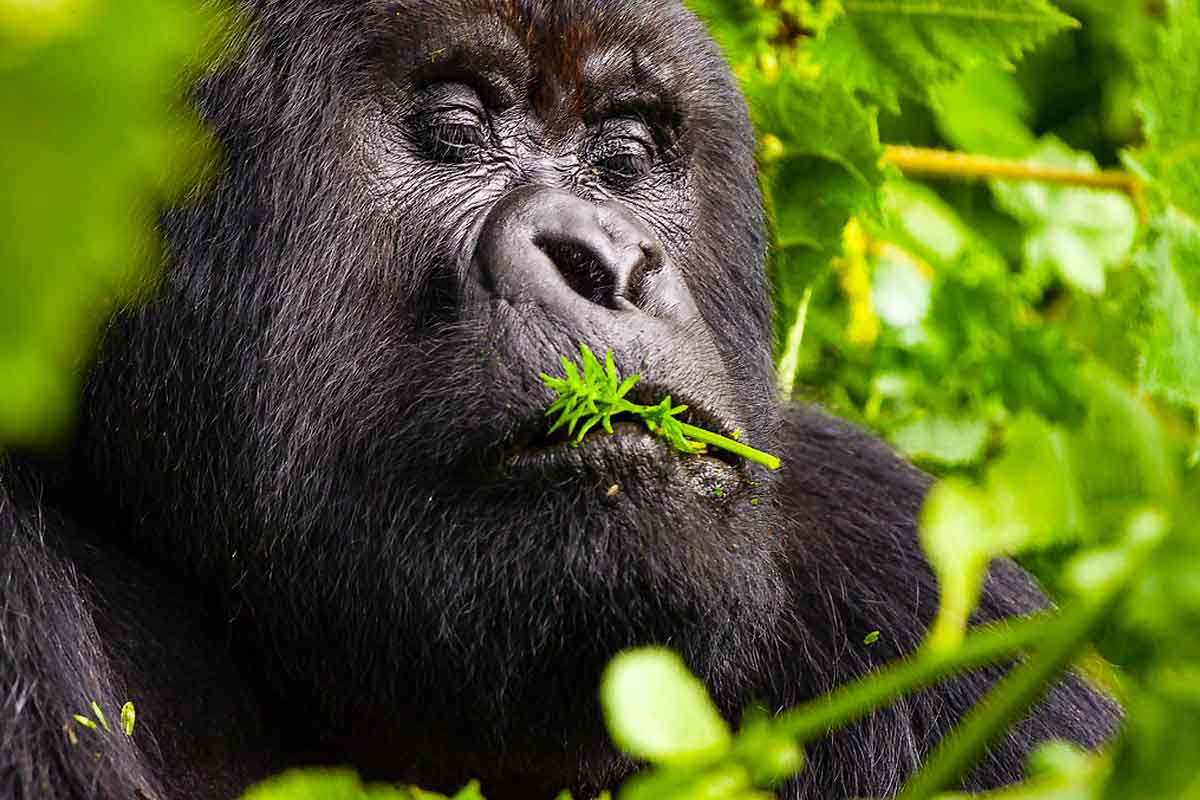
Gorilla trekking in Uganda is one of Africa’s most extraordinary wildlife experiences, attracting travellers from around the world who want to encounter endangered mountain gorillas in their natural habitat. Deep in the mist-covered forests of Bwindi Impenetrable National Park and Mgahinga Gorilla National Park, visitors have the rare opportunity to spend an unforgettable hour observing a habituated gorilla family.
However, before planning this remarkable adventure, one of the most important questions travellers ask is: How much does gorilla trekking cost in Uganda?
The overall cost of a Uganda gorilla trekking safari depends on several factors, including the gorilla trekking permit, accommodation category, transportation, duration of the safari, meals, and additional activities. Travellers can choose between budget, mid-range, and luxury safari packages depending on their preferences and available budget.
This comprehensive guide explains the cost of gorilla trekking in Uganda, including the latest permit prices, what the permit covers, accommodation expenses, transportation costs, additional safari expenses, and practical ways to save money without compromising your experience.
Whether you are planning a short gorilla trekking trip or a longer Uganda wildlife safari, understanding these expenses will help you prepare a realistic travel budget.
How Much Does Gorilla Trekking Cost in Uganda?
The main fixed expense of gorilla trekking in Uganda is the gorilla trekking permit issued by the Uganda Wildlife Authority (UWA). For foreign non-residents, the standard permit costs US$800 per person, while a discounted low-season permit costs US$600 per person during designated months.
The applicable price depends on the visitor’s residency category and travel date.
Uganda Gorilla Trekking Permit Prices
The following table summarises the published standard permit rates and the low-season discount for eligible visitor categories.
| Visitor Category | Standard Permit | Low-Season Permit |
|---|---|---|
| Foreign non-residents | US$800 | US$600 |
| Foreign residents | US$700 | US$500 |
| Rest of Africa citizens | US$500 | Not specified |
| East African citizens | UGX 300,000 | Not specified |
When is the low season?
Uganda’s discounted gorilla trekking permits apply during April, May, and November. The US$600 rate for foreign non-residents represents a saving of US$200 compared with the standard US$800 permit.
Please note that low-season permits have specific booking conditions, including restrictions on rescheduling. Confirm the applicable terms and availability with the Uganda Wildlife Authority or your tour operator before making payment.
For the latest information, visit the Uganda Wildlife Authority official tariff page.
Where Can You Go Gorilla Trekking in Uganda?
Uganda offers mountain gorilla trekking in two protected national parks, both located in the southwestern part of the country.
1. Bwindi Impenetrable National Park
Bwindi Impenetrable National Park is Uganda’s leading mountain gorilla trekking destination. This UNESCO World Heritage Site protects an extensive tropical rainforest ecosystem and is home to numerous habituated mountain gorilla families.
Bwindi has four main gorilla trekking sectors:
-
Buhoma Sector: Located in northern Bwindi, Buhoma is one of the park’s original gorilla trekking areas and offers access to several habituated gorilla families.
-
Ruhija Sector: Situated in eastern Bwindi, Ruhija is known for its montane forest scenery, birdlife, and gorilla trekking opportunities.
-
Rushaga Sector: Found in southern Bwindi, Rushaga has several habituated gorilla families and is also the main location for the gorilla habituation experience.
-
Nkuringo Sector: Located in southwestern Bwindi, Nkuringo offers challenging trekking terrain, spectacular mountain scenery, and opportunities to encounter habituated gorilla families.
The sector assigned to your permit determines your trekking starting point. Your accommodation should ideally be booked near the sector where you will trek to avoid unnecessary early-morning transfers.
2. Mgahinga Gorilla National Park
Mgahinga Gorilla National Park is Uganda’s smallest national park and forms part of the larger Virunga Conservation Area shared by Uganda, Rwanda, and the Democratic Republic of Congo.
The park is famous for its volcanic mountains, bamboo forests, golden monkeys, and mountain gorillas. Gorilla trekking in Mgahinga mainly focuses on the Nyakagezi gorilla family.
Mgahinga is an excellent option for travellers who want to combine mountain gorilla trekking with golden monkey tracking and volcanic mountain scenery.
Both Bwindi and Mgahinga offer the same standard foreign non-resident gorilla trekking permit price. The choice between them should therefore depend on permit availability, accommodation, travel logistics, and personal preferences.
What Does the Uganda Gorilla Trekking Permit Include?
A gorilla trekking permit is more than an entry ticket. It contributes to wildlife conservation, protected-area management, and community development.
The standard Uganda gorilla trekking permit generally includes:
-
Permission to trek: Authorisation to participate in a scheduled gorilla trekking activity on the confirmed date and at the assigned park or sector.
-
Park guide services: The services of an authorised Uganda Wildlife Authority guide who leads and supervises the trekking activity.
-
Park entrance fees: The applicable national park entrance fee for the tracking day.
-
Community development contribution: A contribution towards programmes benefiting communities living around protected areas.
-
Conservation support: Revenue that helps finance park management, wildlife monitoring, habitat protection, and other conservation activities.
Once trekkers locate their assigned gorilla family, they are generally allowed to spend a maximum of one hour observing the animals, subject to the applicable wildlife protection rules and ranger instructions.
What Is Not Included in the Gorilla Permit?
Although the permit covers the main trekking activity, it does not normally include:
-
International flights to Uganda.
-
Airport transfers.
-
Road transfers from Kampala, Entebbe, or Kigali to Bwindi or Mgahinga.
-
Accommodation before and after trekking.
-
Meals and drinks outside the agreed arrangements.
-
Porter services.
-
Personal travel insurance.
-
Tips for guides, porters, and lodge staff.
-
Optional activities such as Batwa cultural experiences, birding, and community walks.
These additional expenses should be included when calculating the complete cost of your Uganda gorilla trekking safari.
Additional Costs of Gorilla Trekking in Uganda
The total cost of a Uganda gorilla trekking safari varies considerably depending on your travel arrangements. Below is a breakdown of the main expenses to consider when preparing your budget.
1. International Flights to Uganda
International flights are an important part of your travel budget, particularly if you are travelling from Europe, North America, Asia, or Australia.
Most international visitors arrive through Entebbe International Airport, Uganda’s main international gateway.
Depending on your country of departure, airline, booking period, and travel season, return international flights may cost approximately US$700–US$2,000 or more.
Travellers planning a regional East African safari may also consider flying into Kigali International Airport in Rwanda and travelling by road to southwestern Uganda.
The best arrival airport depends on your itinerary, available flight connections, and the location of your gorilla trekking sector.
2. Domestic Flights and Road Transportation
Transportation is another significant component of the cost of gorilla trekking in Uganda.
Bwindi and Mgahinga are located several hours from Entebbe and Kampala by road. Travellers can choose between private 4×4 transfers, shared vehicles, or domestic flights.
Road transfers
A private 4×4 safari vehicle with a driver-guide is a popular option for travellers visiting Bwindi and Mgahinga.
Indicative private transfer costs may range from US$150–US$400 or more per vehicle, depending on the route, vehicle type, and service arrangement.
Road travel from Entebbe or Kampala generally takes approximately 8–10 hours to reach the different Bwindi sectors, depending on road conditions and the final destination.
Travellers starting from Kigali can reach southwestern Uganda in a shorter driving time, depending on the border crossing and trekking sector.
Domestic flights
Travellers who prefer to save time can book domestic flights from Entebbe to airstrips serving Bwindi and the surrounding region.
Common access airstrips include Kihihi and Kisoro, depending on the trekking sector and accommodation location.
A domestic scheduled or charter flight may cost approximately US$400–US$600 per person one way, although prices vary according to the operator, route, aircraft, and booking arrangements.
Flights are particularly useful for luxury travellers and those combining gorilla trekking with other Ugandan safari destinations.
3. Accommodation Costs Near Bwindi and Mgahinga
Accommodation is another major factor determining the overall price of a gorilla trekking safari.
Uganda offers a wide selection of lodges, tented camps, and guesthouses near both gorilla trekking destinations. Travellers can choose accommodation according to their preferred comfort level and budget.
Indicative accommodation costs per room per night include:
| Accommodation Category | Estimated Cost Per Night |
|---|---|
| Budget | US$50–US$80 |
| Mid-range | US$80–US$250 |
| Luxury | US$250–US$800+ |
Budget accommodation
Budget lodges and guesthouses provide basic but comfortable facilities for travellers who want to keep their safari expenses manageable.
They are suitable for backpackers, independent travellers, and visitors prioritising the gorilla trekking experience over luxury accommodation.
Mid-range accommodation
Mid-range lodges offer a balance between comfort, convenience, and affordability. Many provide private rooms, en-suite bathrooms, restaurants, and beautiful views of the surrounding forests.
Luxury accommodation
Luxury lodges provide premium accommodation, personalised services, excellent dining, and scenic surroundings. Some properties also offer spa facilities, private verandas, and exclusive safari experiences.
When selecting accommodation, consider its distance from your assigned trekking briefing point. Staying close to the sector can make your trekking morning more convenient.
4. Porter Fees and Local Support Services
Hiring a porter is highly recommended, particularly for travellers who are not accustomed to hiking on steep, muddy, and uneven forest trails.
Porters assist with carrying backpacks, water, cameras, and other personal belongings. They can also provide physical support on difficult sections of the trail.
Porter charges commonly range from US$10–US$30 per trek, depending on the location and service arrangement.
Hiring a local porter also provides direct economic benefits to communities living around the national parks.
In addition to porters, your safari may include a professional driver-guide, local guides, and other logistical support services. Confirm whether these services are included in your tour package before booking.
5. Meals, Drinks, and Personal Expenses
Food and drinks are additional expenses to consider when planning an independent gorilla trekking trip.
Many safari lodges offer full-board accommodation, including breakfast, lunch, and dinner. However, some budget establishments provide bed-and-breakfast or half-board arrangements.
If meals are not included, allow approximately US$15–US$70 per person per day, depending on your dining preferences.
You should also budget for bottled water, snacks, souvenirs, laundry, and other personal purchases.
6. Tips for Gorilla Trekking Guides and Porters
Tipping is a common way of appreciating the services provided by guides, rangers, porters, and lodge staff.
Although tips are generally discretionary, travellers often choose to reward staff who provide helpful and professional services during their safari.
An indicative budget of US$40–US$100 or more per trek for guides and porters combined may be appropriate, depending on the number of people, services received, and personal preference.
Tips should be given directly to the relevant service providers where possible.
How Much Does a Complete Uganda Gorilla Trekking Safari Cost?
The total cost of a Uganda gorilla trekking safari depends on the number of travel days, accommodation category, transportation arrangements, and additional activities.
For a foreign non-resident, the permit alone costs US$800 at the standard rate or US$600 during the designated low season.
A practical planning estimate for a short gorilla trekking safari, excluding international flights, is:
| Safari Category | Estimated Cost Per Person |
|---|---|
| Budget gorilla safari | US$1,000–US$1,500 |
| Mid-range gorilla safari | US$1,400–US$2,200 |
| Luxury gorilla safari | US$2,500–US$5,000+ |
These are indicative budgeting ranges rather than fixed tour prices. Actual quotations depend on the number of travellers, duration, accommodation, transport, season, and inclusions.
For travellers seeking a more extensive experience, Uganda gorilla trekking can be combined with wildlife safaris in Queen Elizabeth National Park, chimpanzee tracking in Kibale Forest, or game viewing in Murchison Falls National Park.
Combining destinations increases the overall safari budget but provides a more comprehensive Uganda wildlife experience.
How to Save Money on Gorilla Trekking in Uganda
Although gorilla trekking is a premium wildlife activity, there are several ways to manage your expenses without missing the main experience.
1. Travel During the Low Season
One of the most effective ways to reduce your gorilla trekking expenses is to travel during April, May, or November.
Foreign non-residents can access discounted permits at US$600 instead of the standard US$800, subject to availability and applicable conditions.
You may also find more affordable accommodation rates during quieter travel periods.
However, remember that these months generally experience more rainfall, which can make forest trails muddy and trekking more challenging.
2. Join a Group Gorilla Trekking Safari
Travelling with other visitors can significantly reduce the cost of transportation and other shared services.
Private safari vehicles, driver-guide expenses, and fuel costs can be shared among several travellers.
If you are travelling alone or as a couple, ask your tour operator whether there are available group departures that match your travel dates.
The gorilla permit itself remains individually priced.
3. Choose Road Transfers Instead of Domestic Flights
Domestic flights are convenient but can considerably increase the total safari cost.
If you have sufficient time, travelling by road from Entebbe or Kampala can be a more economical alternative.
Travellers can also start their gorilla trekking safari from Kigali, Rwanda, which may reduce driving distances to certain sectors of Bwindi and Mgahinga.
4. Select Accommodation According to Your Budget
You do not necessarily need to book a luxury lodge to enjoy an exceptional gorilla trekking experience.
Several comfortable budget and mid-range lodges are available near Bwindi and Mgahinga.
Choose accommodation that offers good service, convenient access to the trekking sector, and suitable meal arrangements.
5. Book Your Gorilla Permit and Accommodation Early
Gorilla permits are limited to protect mountain gorillas from excessive human disturbance.
Demand is particularly high during the drier travel periods, making early reservations important.
Booking in advance gives you more flexibility when selecting your preferred trekking date, sector, and accommodation.
Always confirm the permit reservation before making non-refundable accommodation or flight arrangements.
6. Combine Gorilla Trekking With Nearby Attractions
Planning a well-organised itinerary can help reduce unnecessary transportation expenses.
For example, travellers visiting Bwindi can combine gorilla trekking with Lake Bunyonyi, Queen Elizabeth National Park, or cultural experiences in nearby communities.
Those visiting Mgahinga can combine gorilla trekking with golden monkey tracking or hiking in the Virunga volcanoes.
A carefully planned itinerary allows you to experience more of Uganda without repeatedly travelling long distances.
Is Gorilla Trekking in Uganda Worth the Cost?
For many travellers, gorilla trekking is one of the most rewarding wildlife experiences in Africa.
Unlike conventional game drives, gorilla trekking takes you deep into tropical forests, where you follow experienced trackers in search of a habituated gorilla family.
Observing a silverback, watching young gorillas play, and seeing mothers care for their infants creates a memorable wildlife encounter.
The experience is also important for conservation.
Mountain gorillas are an endangered species, and tourism revenue contributes to their continued protection. Permit income helps support park management, ranger operations, gorilla monitoring, habitat protection, and community development programmes.
Furthermore, tourism creates employment opportunities for local guides, porters, accommodation providers, transport operators, and community businesses.
Therefore, the cost of a gorilla trekking permit represents an investment in both wildlife conservation and sustainable tourism.
Important Things to Know Before Booking a Uganda Gorilla Trekking Safari
Before paying for your gorilla trekking permit, consider the following practical points:
-
Minimum age: Gorilla trekking in Uganda is generally restricted to visitors aged 15 years and above.
-
Permit availability: Only a limited number of visitors are allowed to trek each habituated gorilla family daily.
-
Trekking duration: The time spent searching for gorillas varies depending on their location and movement.
-
Viewing time: Visitors are generally allowed a maximum of one hour with the gorilla family.
-
Physical fitness: Trekking can involve steep slopes, thick vegetation, muddy trails, and uneven terrain.
-
Clothing: Carry waterproof hiking boots, long trousers, gardening gloves, and a rain jacket.
-
Health requirements: Visitors must follow UWA’s gorilla trekking health and safety instructions, including guidance on illness and respiratory infections.
-
Travel insurance: Obtain appropriate travel insurance covering medical emergencies, evacuation, and trip interruption.
-
Permit confirmation: Ensure your permit is officially confirmed before travelling to the park.
Frequently Asked Questions About Gorilla Trekking Costs in Uganda
1. How much is a gorilla trekking permit in Uganda?
A standard gorilla trekking permit for foreign non-residents costs US$800 per person. During the designated low-season months of April, May, and November, discounted permits cost US$600 per person, subject to availability and booking conditions.
Other rates apply to foreign residents, citizens of other African countries, and East African citizens.
2. Is gorilla trekking cheaper in Uganda or Rwanda?
Uganda generally offers a more affordable standard gorilla trekking permit than Rwanda. Uganda’s standard foreign non-resident permit costs US$800, while Rwanda’s standard gorilla trekking permit costs US$1,500.
The overall safari cost also depends on accommodation, transport, and the length of your stay.
3. Which is cheaper, Bwindi or Mgahinga Gorilla National Park?
The standard gorilla trekking permit price is the same in both destinations. The main cost differences come from accommodation, transportation, availability, and the location of your preferred trekking sector.
4. Can I get a discounted gorilla trekking permit in Uganda?
Yes. Foreign non-residents can obtain discounted permits at US$600 during April, May, and November. These permits are subject to availability and specific rescheduling conditions.
5. How many days do I need for gorilla trekking in Uganda?
A short gorilla trekking safari can take two or three days, depending on your starting location. Travellers arriving in Entebbe may prefer three days or more to allow sufficient time for road transfers and trekking.
Those starting from Kigali can sometimes arrange shorter trips because of the relatively convenient road access to southwestern Uganda.
6. Does the gorilla trekking permit include accommodation?
No. The gorilla trekking permit does not include accommodation, meals, international flights, or transportation to the national park. These services must be arranged separately or included in a complete safari package.
7. Is tipping compulsory during gorilla trekking?
No. Tipping is discretionary, although it is a common way of appreciating the work of guides, porters, and other safari staff.
8. Can I book a Uganda gorilla trekking safari from Kigali?
Yes. Travellers can fly into Kigali International Airport in Rwanda and arrange a road transfer to Bwindi Impenetrable National Park or Mgahinga Gorilla National Park in Uganda.
This is a popular option for visitors who want to combine Rwanda and Uganda gorilla trekking experiences or reduce driving time to southwestern Uganda.
Book Your Uganda Gorilla Trekking Safari
Gorilla trekking in Uganda is a remarkable wildlife adventure that combines conservation, nature, and cultural experiences. Although the overall safari cost can be significant, careful planning allows travellers to choose an itinerary that matches their budget and travel preferences.
Whether you prefer an affordable budget safari, a comfortable mid-range experience, or an exclusive luxury gorilla trekking holiday, Uganda offers excellent opportunities to encounter mountain gorillas in their natural habitat.
At Book Gorilla Tracking, we can help you organise your Uganda gorilla trekking adventure, including securing your gorilla permits, selecting the appropriate trekking sector, arranging accommodation, and organising transportation.
Contact our team to check gorilla permit availability, receive a personalised quotation, and plan your unforgettable mountain gorilla encounter in Uganda.