+256-702 595 926 | info@bookgorillatracking.com

Uganda Gorilla Trekking

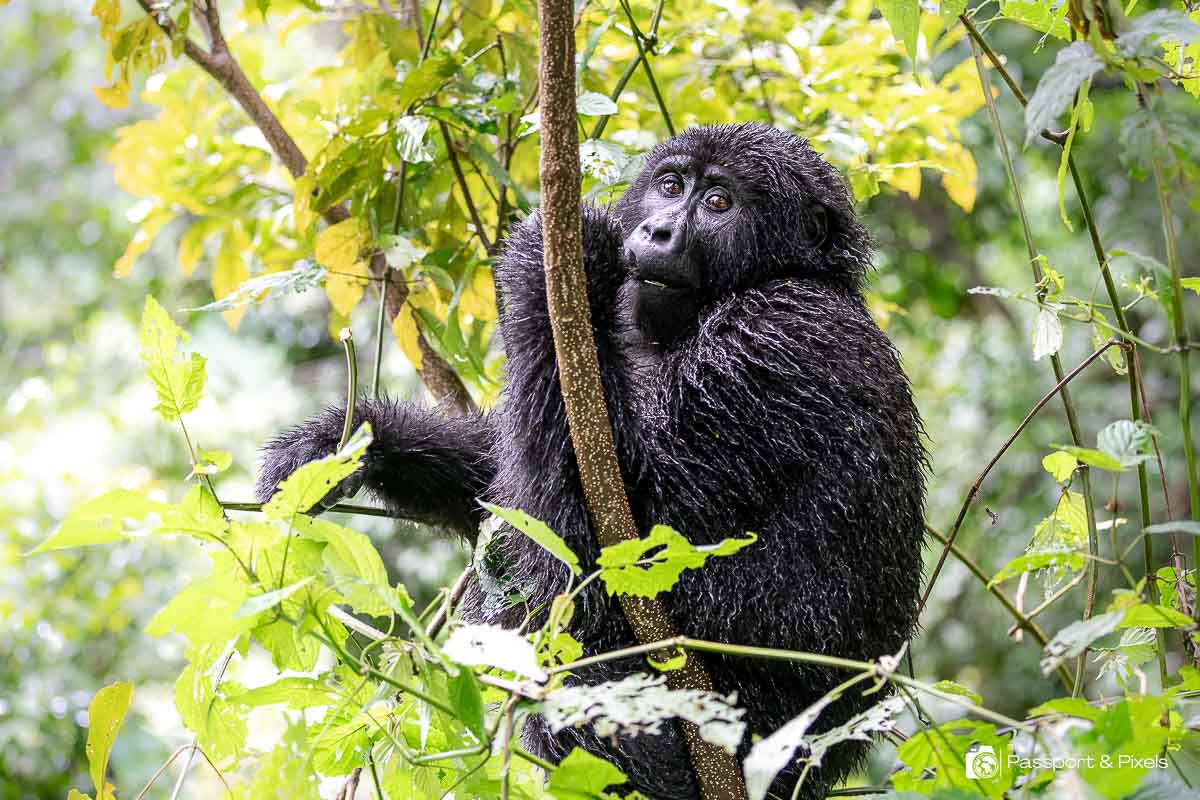
Gorilla trekking in Uganda is one of the world’s most iconic wildlife experiences. The country is home to the endangered mountain gorilla (Gorilla beringei beringei). Its well-managed national parks (Bwindi Impenetrable National Park and Mgahinga Gorilla National Park) offer excellent opportunities to observe these great apes in their natural forest habitat. This article explains what gorilla trekking in Uganda involves: where to go, how permits and logistics work, the trekking experience itself, what to expect from the gorilla encounter, best times to travel, practical tips for visitors, and ethical considerations. The goal is to help prospective visitors plan a safe, respectful, and unforgettable gorilla trekking trip.
Where to Go For Gorilla Trekking in Uganda
Bwindi Impenetrable National Park
Bwindi, in southwest Uganda, is the country’s primary gorilla destination. A UNESCO World Heritage Site, it protects roughly half of the world’s mountain gorilla population. The park’s steep, densely vegetated slopes and ancient forest make for lush trekking conditions and unforgettable encounters.
Bwindi is divided into multiple sectors (e.g., Buhoma, Ruhija, Rushaga, Nkuringo), each with its own habituated gorilla families and trailheads. Buhoma (north) and Rushaga/Nkuringo (south) are the most frequented for trekking permits.
Bwindi offers a wide range of accommodation (from budget community-run guesthouses to high-end lodges) making it accessible to many types of travellers. Road transfers from Kampala or Kigali (Rwanda) vary in duration; flight options to nearby airstrips are also available.
Mgahinga Gorilla National Park
Mgahinga, part of the Virunga Massif on Uganda’s southwestern border with Rwanda and the Democratic Republic of Congo, hosts a smaller number of habituated gorilla families. The park is less visited than Bwindi, offering a quieter trekking experience.
Many travellers combine gorilla trekking in Uganda with gorilla or golden monkey experiences in neighboring Rwanda or DRC for a regional perspective on the Virunga gorillas.
Gorilla Permits and Booking Logistics
Uganda issues a limited number of gorilla trekking permits daily to reduce disturbance and ensure a high-quality visitor experience. Permits are managed by the Uganda Wildlife Authority (UWA).
As of recent policy, permits are limited and must be purchased in advance; availability fluctuates with peak travel seasons and international demand. Book through a licensed tour operator. Provide required information and make necessary payments well in advance, particularly during high season (June–September and December–February). Each permit entitles the holder to one hour with a habituated gorilla group under the supervision of park rangers and guides.
Gorilla permit prices vary by nationality/residency status and government policy. Historically, permits for foreign non-residents have been priced higher than for East African residents. Confirm the current fee schedule before booking. Permit fees contribute to gorilla conservation, park management, and community development.
What to Expect during Gorilla Trekking in Uganda
Pre-trek briefing
On the morning of your trek, guides and rangers provide a mandatory briefing covering safety rules, how to behave around gorillas, trail conditions, and the day’s logistics. Porters and trackers may be allocated to assist with heavy packs or navigate difficult terrain.
Trail conditions and difficulty
Treks vary from easy (a short walk through gentle forest) to strenuous (several hours over steep, muddy slopes). A moderate level of fitness is recommended. The forest is dense and often wet; expect slippery roots, steep climbs, and potentially long hikes depending on where the gorilla group is that day. Some treks last less than an hour; others may take 6–8 hours (return included). Porters are available to carry gear and aid less-mobile visitors.
Tracking the gorillas
Rangers follow habituated groups of mountain gorillas that move across their home ranges. Trackers use previous night observations and troop movement patterns to lead guides to the gorillas’ current location. Finding the group depends on recent movements and forest cover; patience is part of the experience.
The Gorillas’ Habitat and Behavior
Mountain gorillas live in montane and bamboo forests at high elevations, often above 1,000 meters. Bwindi’s ancient forest is rich with epiphytes, mosses, and towering trees; the forest provides the gorillas’ food; leaves, stems, roots, fruits, and occasionally small invertebrates.
Gorilla social structure
Gorilla families (troops) are led by a dominant silverback male who protects the group. Families include adult females, juveniles, and infants. Interactions among members; grooming, play, feeding offer powerful insights into primate social life.
The One-Hour Rule – Quality over Quantity
Park regulations limit visitor time with habituated gorilla groups to one hour. Although brief, this concentrated period is carefully managed to maximize observation while minimizing stress and disease transmission risks to the gorillas.
Guides help visitors use the hour effectively, positioning, quiet observation, and interpretive commentary deepen the encounter despite the time limit.
Health, Safety, and Ethical Considerations
Gorillas are susceptible to human diseases. Visitors must follow strict hygiene measures: maintain recommended distance (usually 7 meters unless a gorilla approaches), avoid visiting if ill, and follow ranger instructions.
Mask policies and hand-sanitizing procedures may be in place, especially following lessons from global health concerns. Bring necessary medications, and consult a travel health clinic about vaccinations and malaria prophylaxis.
Obey guide instructions and stay calm around gorillas. If a gorilla charges or displays, follow ranger directions; often retreating slowly.
What is the best time for gorilla trekking in Uganda?
Gorilla trekking is possible year-round; however, dry seasons (June–September and December–February) are often favored because trails are firmer and hiking conditions are easier. The rainy seasons (March–May and October–November) mean muddier trails and heavier rains but fewer visitors and lush forest scenery.
The rains bring lush vegetation and migratory birds; photographers may prefer the vivid greens and dramatic atmospherics of the wet season.
Conclusion
Gorilla trekking in Uganda is an emotionally powerful and conservation-critical activity. It offers a rare opportunity to witness one of our closest living relatives in a natural setting while contributing directly to species protection and local development. With careful planning (securing permits early, preparing physically, respecting park rules, and supporting responsible operators), you can enjoy a safe, ethical, and unforgettable encounter. Whether you choose Bwindi’s dense, ancient forest or the quieter slopes of Mgahinga, Uganda’s gorilla trekking experiences deliver lasting memories and meaningful contributions to long-term conservation.
[…] itinerary is designed for travellers who want to experience Uganda’s most iconic wildlife, from mountain gorilla trekking in Bwindi Impenetrable National Park to shoebill watching, chimpanzee trekking, classic savannah […]