+256-702 595 926 | info@bookgorillatracking.com

Luxury Gorilla Trekking in Uganda

Luxury gorilla trekking in Uganda is the synthesis of raw wilderness and refined comfort. It combines one of Africa’s most emotional wildlife encounters (face-to-face time with endangered mountain gorillas) with high-end accommodations, bespoke service, gourmet dining, and seamless logistics. For travelers who want to witness these magnificent primates while maintaining comfort, privacy, and personalized attention, Uganda has become a premier destination. The experience is immersive yet indulgent, adventurous yet curated to the smallest detail.
Why Uganda for Gorilla Trekking?
Uganda is home to almost half of the world’s mountain gorillas, concentrated mainly in Bwindi Impenetrable National Park and Mgahinga Gorilla National Park. Compared with neighboring Rwanda, Uganda often offers more varied itineraries, a wider range of lodging styles (including authentic luxury safari lodges and exclusive-use villas), and opportunities to combine gorilla trekking with cultural visits, birdwatching, and other wildlife safaris. The country’s warm hospitality and growing reputation for responsible tourism make it an attractive choice for discerning travelers.
What “Luxury” Means in Gorilla Trekking
Luxury gorilla trekking is more than expensive lodgings; it is about service, exclusivity, and minimizing the friction between you and the forest. Key elements include:
- Exclusive or small-group permits for a more intimate trek.
- Private transfers and charter flight options to reduce travel time.
- Premium lodges or camps located close to trailheads, with superior views, privacy, and high-end amenities.
- Experienced, English-speaking guides, personalized briefings, and porter services.
- Fine dining, spa services, and curated cultural experiences.
- Responsible tourism practices: supporting conservation, community initiatives, and equitable benefits for local people.
Best Regions and Lodges for Luxury Gorilla Trekking
Bwindi Impenetrable National Park: The largest and most famous area for gorilla trekking in Uganda, Bwindi offers luxury lodges like Sanctuary Gorilla Forest Camp, Buhoma Lodge, Nkuringo Bwindi Gorilla Lodge, and Clouds Mountain Gorilla Lodge. These properties blend comfort with ecological sensitivity and often provide direct access to tracker teams.
Mgahinga Gorilla National Park: Smaller and quieter than Bwindi, Mgahinga is ideal for exclusive experiences. Luxury options are fewer but can include bespoke stays and private-use cottages.
Queen Elizabeth National Park and Kibale Forest (for chimps): For travelers wanting a multi-park luxury itinerary (gorillas in Bwindi or Mgahinga and chimpanzees in Kibale) there are seamless transfers and combined packages offered by specialized operators.
How the Trek Works
Permit Booking: Gorilla permits are strictly limited to protect gorillas and their habitat; purchasing well in advance is essential, especially for peak travel months (June–September, December–February). Luxury operators often hold blocks of permits and can secure flexible dates or exclusive-use permits.
Getting There: Many luxury itineraries include a charter flight from Entebbe or Kigali to airstrips near Bwindi (e.g., Kisoro, Bwindi, or Kihihi), reducing multiple hours of road travel and allowing spectacular aerial views of the patchwork of forests, farmlands, and lakes.
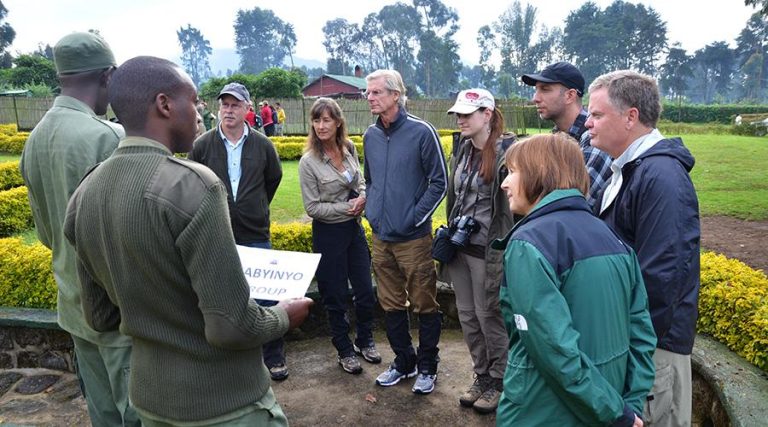
Pre-Trek Briefing: Professional guides give a safety and etiquette briefing, explain tracking methodology, and profile the gorilla family you’ll visit.
The Hike: Depending on the gorilla family, groups hike through steep, muddy, and dense forest. Luxury treks minimize discomfort by providing porters, walking sticks, rain gear, and even hand towels and refreshments on return.
One Hour with the Gorillas: By regulation, the viewing time is limited to one hour, but luxury itineraries often ensure a gentle pace to maximize the quality and emotional resonance of that hour. Photographers may appreciate extra assistance with equipment and lighting tips from guides.
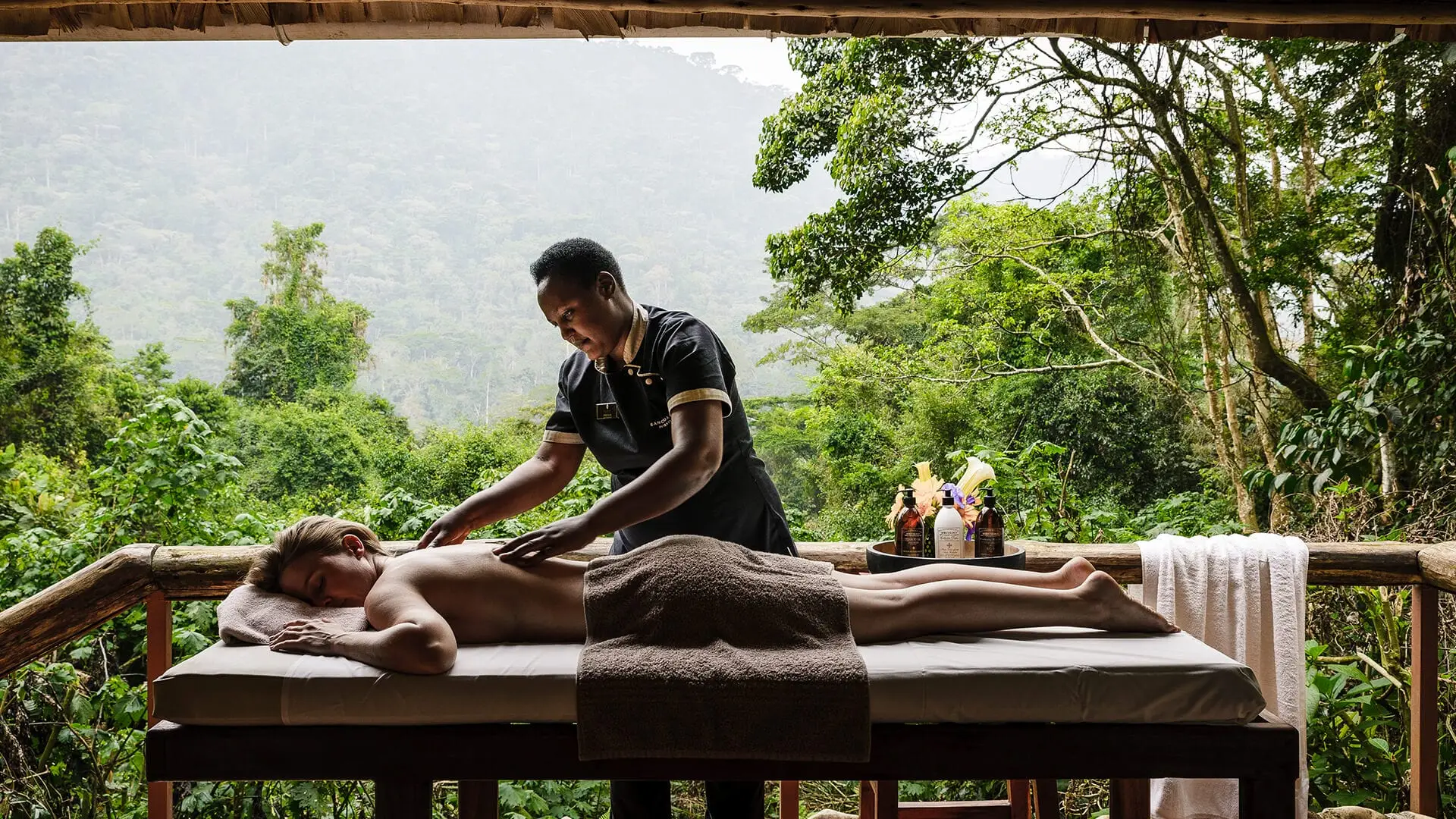
After the Trek: Luxury lodges provide hot showers, massages, and elevated dining to help you recover and reflect on the experience.
What to Expect on a Luxury Trekking Safari in Uganda
Treks vary from short, relatively flat walks to strenuous climbs; luxury operators tailor options to your fitness level where possible. High-quality, weatherproof clothing and sturdy waterproof boots are essential. Luxury lodges often offer concierge-level packing lists and can supply high-grade ponchos or gaiters. Uganda’s trackers are highly skilled; top-tier operators will pair guests with the most experienced tracker teams and offer private guides for exclusive experiences. Mountain gorillas are habituated but still wild; respectful distance rules and behavior protocols are strictly enforced. Wildlife photographers should bring fast lenses and be prepared for low-light forest conditions. Visitors should be in good health (gorillas can transmit diseases to humans) and follow vaccination and hygiene advice provided by guides and lodges. Many luxury providers include insurance, evacuation plans, and 24/7 guest support.
Responsible and Ethical Luxury Tourism
High-end travelers often expect, and can demand, high ethical standards. Responsible operators in Uganda set examples by:
Supporting community development projects (schools, clinics, water systems) to ensure local people directly benefit from tourism. Employing and training local guides, trackers, and lodge staff, contributing to capacity building. Practicing low-impact lodge construction, waste management, and water conservation. Participating in anti-poaching and gorilla monitoring initiatives to protect wildlife. Offering transparent conservation fees distribution and working with government conservation agencies.
When booking, ask lodges and outfitters how they contribute to conservation and what portion of fees benefits local communities. Luxury does not have to mean disconnected from purpose, in Uganda, it frequently translates into deeper, more meaningful engagement.
Cultural and Community Experiences
Luxury stays don’t have to be secluded; many operators integrate cultural experiences that are respectful and insightful:
- Village walks and visits to local markets.
- Performances by local dance and music groups, often with programs that support businesses and artisans.
- Visits to community conservation and education projects funded by tourism revenues.
- Participatory activities such as coffee or banana beer tastings, traditional crafts, or guided walks with local naturalists.
These interactions can deepen your understanding of the human story behind gorilla conservation – helping you see how tourism directly supports livelihoods.
What Makes Ugandan Luxury Unique
Proximity and Variety: Luxury lodges are often set on ridgelines, private concessions, or beside tea plantations with dramatic views and easy access to the forest.
Hospitality Culture: Ugandan hospitality; warm, genuine, and personalized enhances the luxury experience beyond mere amenities.
A Conservation Narrative: Many lodges are themselves conservation success stories, involving reforestation, community scholarships, and direct employment of trackers and guides.
Untouched Wilderness Feel: Even with high-end lodges, the overall vibe of gorilla country remains wild and intimate; far from the glitz of city resorts. Luxury here is subtle, respectful, and deeply primed toward nature.
Book Now and Start a Transformational Journey
Luxury gorilla trekking in Uganda is both an intimate wildlife encounter and a sophisticated travel experience. It offers the chance to meet one of our closest relatives in a setting of profound natural beauty while enjoying the highest standards of service and comfort. When chosen carefully, a luxury trip can amplify both the emotional impact of seeing gorillas and the positive outcomes for the animals and the communities that protect them. For travelers who value meaning as much as comfort, Uganda’s gorilla experience is not just a vacation. It is a once-in-a-lifetime connection to wilderness, humanity, and conservation.