+256-702 595 926 | info@bookgorillatracking.com

How Many Habituated Gorilla Families Are in Uganda? 2026 Guide

How Many Habituated Gorilla Families Are in Uganda?
Uganda has 28 habituated mountain gorilla groups reported as accessible to visitors: 27 in Bwindi Impenetrable National Park and one in Mgahinga Gorilla National Park. This breakdown was reported by the Associated Press in September 2025.
These gorilla groups are found in southwestern Uganda, where visitors can participate in guided mountain gorilla trekking experiences. Bwindi Impenetrable National Park has four main trekking sectors: Buhoma, Ruhija, Rushaga and Nkuringo. Mgahinga Gorilla National Park has one habituated gorilla group known as Nyakagezi.
Uganda is one of only three countries where visitors can track mountain gorillas in their natural habitat. The other two are Rwanda and the Democratic Republic of Congo.
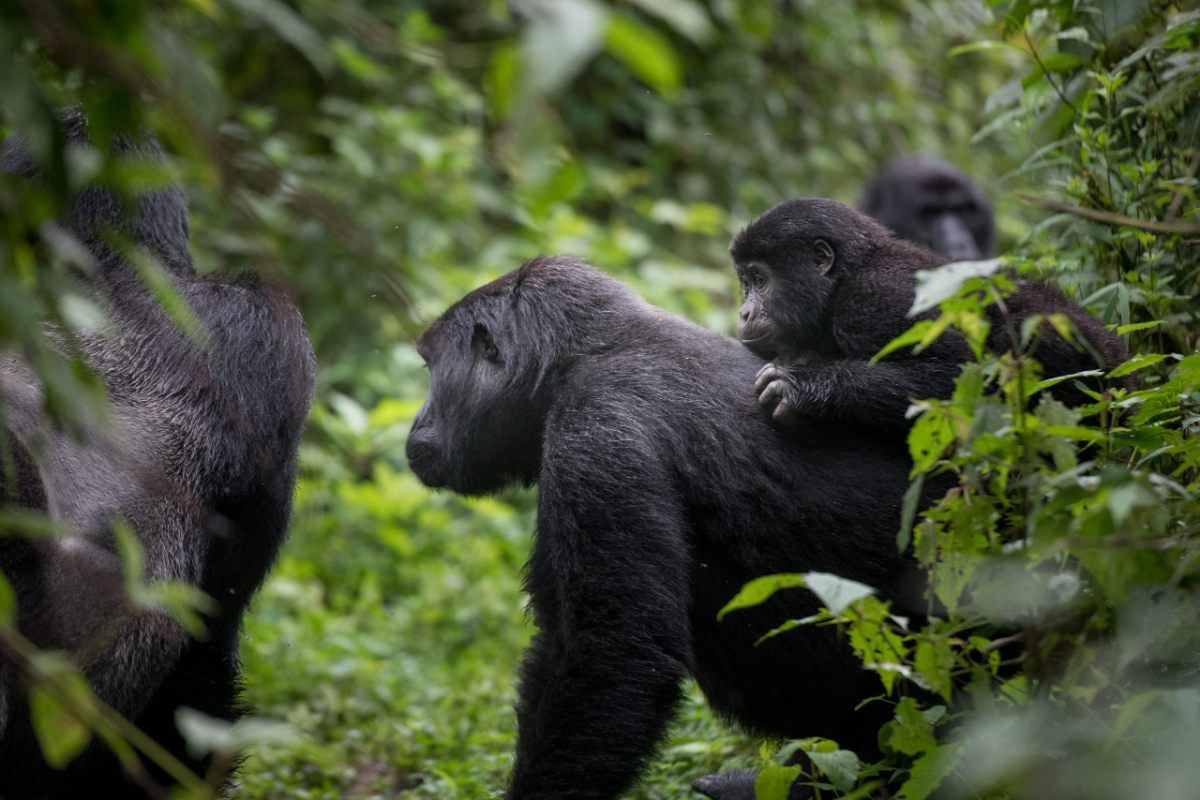
Gorilla trekking in Uganda offers an opportunity to observe endangered mountain gorillas in their natural forest environment. Visitors walk through dense vegetation and mountainous terrain with experienced Uganda Wildlife Authority (UWA) guides and trackers to locate an assigned gorilla family.
This guide explains how many habituated gorilla families are in Uganda, where they are found, the difference between gorilla trekking and the habituation experience, and how to book a permit.
How Many Habituated Gorilla Groups Are in Uganda?
According to a September 2025 Associated Press report, Uganda has 28 habituated gorilla groups accessible to visitors:
| National park | Reported visitor-accessible groups |
|---|---|
| Bwindi Impenetrable National Park | 27 |
| Mgahinga Gorilla National Park | 1 |
| Total | 28 |
The figures refer to groups that visitors can observe through regulated gorilla tourism. They should not be confused with the total number of wild gorilla social groups in Uganda or the wider mountain gorilla population.
Older tourism sources commonly quote 25 habituated tourist groups in Bwindi, plus the Nyakagezi group in Mgahinga. More recent reporting gives 27 visitor-accessible groups in Bwindi. Gorilla family numbers change because groups split, merge, grow and experience changes in their social structure.
For this reason, travellers should confirm the current trekking arrangements and permit availability with UWA or a licensed tour operator before booking.
Where Are Uganda’s Habituated Gorilla Families Found?
Uganda’s mountain gorillas are found in two national parks:
- Bwindi Impenetrable National Park.
- Mgahinga Gorilla National Park.
Both parks are located in southwestern Uganda, near the borders with Rwanda and the Democratic Republic of Congo. They form part of the wider Albertine Rift and Virunga mountain landscapes.
1. Bwindi Impenetrable National Park
Bwindi Impenetrable National Park is Uganda’s main mountain gorilla trekking destination. It is home to roughly half of the world’s mountain gorilla population and contains four designated gorilla trekking sectors.
The four sectors are:
- Buhoma
- Ruhija
- Rushaga
- Nkuringo
Each sector has its own gorilla families, trekking routes, accommodation options and access roads. The sector you select when booking is important because it determines where you report for your trek.
Buhoma Sector
Buhoma is located in the northern part of Bwindi. It is historically important because it was the starting point for Uganda’s mountain gorilla tourism programme.
The first gorilla family opened to tourism in Bwindi was Mubare, in 1993. Other recognised families associated with Buhoma include:
- Mubare
- Habinyanja
- Rushegura
- Katwe
- Muyambi
- Binyindo
The family roster and tourism allocations can change. Visitors should confirm which groups are available through the park’s current arrangements.
Buhoma is also known for its community tourism activities, forest walks and accommodation options ranging from budget guesthouses to luxury lodges.
Ruhija Sector
Ruhija is located in the eastern part of Bwindi and is known for its high-altitude forest, steep terrain and excellent birdwatching opportunities.
Recognised gorilla families associated with this sector include:
- Bitukura
- Oruzogo
- Mukiza
- Kyaguliro
Not every habituated group in the sector is necessarily open to ordinary tourist trekking. Some groups have research or conservation purposes, and their access status must be confirmed before they are included in a visitor itinerary.
Ruhija is particularly suitable for travellers interested in combining gorilla trekking with birdwatching and other forest experiences.
Rushaga Sector
Rushaga is situated in southern Bwindi and has a high concentration of habituated gorilla groups.
Some of the recognised families associated with Rushaga include:
- Nshongi
- Mishaya
- Bweza
- Kahungye
- Busingye
- Bikingi
- Kutu
- Mucunguzi
Rushaga is also the main location for Uganda’s Gorilla Habituation Experience. This activity allows visitors to accompany researchers and habituation teams as they work with a gorilla group that is still becoming accustomed to human presence.
Rushaga offers several accommodation choices and can be accessed from both the Kampala and Kigali directions.
Nkuringo Sector
Nkuringo is located in the southern part of Bwindi, on the park’s western side. It is known for its mountainous landscape and sometimes challenging gorilla trekking routes.
Recognised families associated with Nkuringo include:
- Nkuringo
- Bushaho
- Christmas
- Posho
The terrain in Nkuringo can be steep, and visitors should be prepared for a demanding hike. The sector also offers scenic views of the forest and surrounding highlands.
2. Mgahinga Gorilla National Park
Mgahinga Gorilla National Park is Uganda’s second mountain gorilla trekking destination. It is located in the Virunga Mountains, where Uganda shares a transboundary mountain ecosystem with Rwanda and the Democratic Republic of Congo.
The park has one habituated gorilla group available for tourism: Nyakagezi.
Nyakagezi Gorilla Family
The Nyakagezi group is the only habituated mountain gorilla family currently designated for tourist trekking in Mgahinga Gorilla National Park.
It is known for having several silverbacks within the same group, an interesting feature of its social structure. The family has also been associated with movement across the borders of Uganda, Rwanda and the Democratic Republic of Congo.
Because mountain gorillas move freely across the Virunga landscape, their location can change. Visitors planning a trek in Mgahinga should confirm the group’s location and trekking arrangements before travelling.
Gorilla trekking in Mgahinga begins at the Ntebeko Visitor Centre, where visitors register, attend a briefing and meet their assigned guides.
List of Some Habituated Gorilla Families in Uganda
Uganda has many named gorilla families, particularly in Bwindi. The following table provides examples of recognised families and their associated trekking sectors.
| National park | Sector | Recognised gorilla families |
|---|---|---|
| Bwindi | Buhoma | Mubare, Habinyanja, Rushegura, Katwe, Muyambi, Binyindo |
| Bwindi | Ruhija | Bitukura, Oruzogo, Mukiza, Kyaguliro |
| Bwindi | Rushaga | Nshongi, Mishaya, Bweza, Kahungye, Busingye, Bikingi, Kutu, Mucunguzi |
| Bwindi | Nkuringo | Nkuringo, Bushaho, Christmas, Posho |
| Mgahinga | Ntebeko | Nyakagezi |
Important: This is an illustrative list of recognised families, not a guaranteed or exhaustive list of all 28 visitor-accessible groups. Family composition, names, locations and tourism status can change. Some groups may be reserved for research or other conservation activities.
What Is the Difference Between Habituated and Non-Habituated Gorilla Families?
Not all mountain gorillas are accustomed to the presence of people. Habituation is a gradual process through which wild gorillas become familiar with the presence of researchers, trackers and, where authorised, visitors.
Habituated Gorilla Families
Habituated groups have undergone a controlled process that allows people to observe them under regulated conditions.
In Uganda, tourist trekking is conducted with the guidance of UWA rangers and trackers. Visitors are assigned to a designated gorilla family and must follow strict rules to protect the animals.
Non-Habituated Gorilla Families
Non-habituated gorillas remain wild and avoid regular human contact. They are not available for ordinary tourist trekking.
These groups are important for conservation because they contribute to the natural population and social structure of mountain gorillas without being exposed to routine tourism visits.
Research and Tourism Groups
Some habituated gorilla groups are used primarily for scientific research and conservation monitoring. Habituation does not automatically mean that a group is available for tourist visits.
The park authorities determine which groups can receive visitors and manage access according to conservation and operational requirements.
What Is the Gorilla Habituation Experience in Uganda?
Uganda offers two main gorilla tourism activities: standard gorilla trekking and the Gorilla Habituation Experience.
Standard Gorilla Trekking
Standard gorilla trekking involves hiking through the forest with UWA guides and trackers to locate a habituated gorilla family.
Once the group is found, visitors are allowed to spend a maximum of one hour observing the gorillas.
This activity is available in Bwindi Impenetrable National Park and Mgahinga Gorilla National Park.
Gorilla Habituation Experience
The Gorilla Habituation Experience takes place in Bwindi, particularly in the Rushaga area.
Unlike standard trekking, the habituation experience allows visitors to accompany researchers and habituation teams as they work with gorillas that are still undergoing the habituation process.
Visitors can spend up to four hours with the gorillas, subject to UWA regulations and the conditions of the activity.
This experience is suitable for travellers who want to learn more about gorilla behaviour, conservation and the process of preparing a wild group for carefully managed human observation.
How Many People Can Visit a Gorilla Family in Uganda Per Day?
For standard gorilla trekking, a maximum of eight visitors can be allocated to one habituated gorilla family per day.
Visitors can spend up to one hour with the gorillas once the group has been located.
For the Gorilla Habituation Experience, the permitted viewing period is up to four hours. The activity has separate permit arrangements and should not be confused with ordinary gorilla trekking.
These restrictions help minimise human disturbance and reduce the risk of disease transmission between people and gorillas.
Can You Choose a Specific Gorilla Family When Booking a Permit?
You can select the park and designated trekking entry point when arranging your gorilla permit, but you should not assume that you can reserve a particular named family.
According to Uganda Wildlife Authority’s tracking guidelines, permits are booked according to the trekking date and designated entry point. Visitors are allocated to a specific gorilla family on the day of tracking.
For example, if you book a permit for Rushaga, you will report to the Rushaga entry point. The park authorities will then allocate your trekking group according to the approved arrangements.
This system allows UWA to consider gorilla movements, visitor requirements and operational conditions when organising the daily treks.
How Much Does a Gorilla Trekking Permit Cost in Uganda?
Uganda’s gorilla permit fees depend on the visitor category and the applicable UWA tariff.
Visitor categories include:
- East African Community citizens.
- Rest of Africa citizens.
- Foreign residents in the East African Community.
- Foreign non-residents.
The Gorilla Habituation Experience has a separate permit fee from standard gorilla trekking.
Since tariffs can change, travellers should confirm the current rates with UWA or a licensed tour operator before making a booking. Always check that the permit category matches the visitor’s nationality and residence documentation.
How to Book a Gorilla Trekking Permit in Uganda
Gorilla permits are limited, and visitors are encouraged to arrange them early, particularly when travelling during popular holiday periods.
The booking process generally involves the following steps.
Step 1: Choose Your Gorilla Trekking Destination
Decide whether you want to trek in Bwindi Impenetrable National Park or Mgahinga Gorilla National Park.
If you choose Bwindi, select the appropriate sector: Buhoma, Ruhija, Rushaga or Nkuringo.
Step 2: Select Your Travel Date
Choose your preferred trekking date and check availability for the selected entry point.
Your accommodation and transport arrangements should match the location of the permit.
Step 3: Check Permit Availability
Contact UWA or a licensed tour operator to confirm available permits.
Foreign non-resident permits must be purchased through a tour operator licensed by the Uganda Tourism Board, in accordance with UWA’s published guidelines.
Step 4: Provide Your Details
Provide the personal information and identification details required for the booking.
Ensure that the information matches your passport or other relevant travel documents.
Step 5: Make Payment
Follow the official payment instructions and make the required payment to secure the permit.
Keep your booking confirmation and payment receipt for reference.
Step 6: Arrange Accommodation and Transport
Book accommodation near your selected trekking sector and arrange transport to the park.
Visitors travelling from Kigali may find southern Bwindi sectors convenient, while those travelling from Entebbe or Kampala should allow sufficient time for the road journey.
Step 7: Attend the Trekking Briefing
On the trekking day, report to your designated visitor information centre for permit validation, registration and briefing.
You will meet your UWA guides and trackers before entering the forest.
Gorilla Trekking Rules and Regulations in Uganda
Mountain gorillas are endangered animals, and visitors must follow conservation regulations during the trekking experience.
Important rules include:
- Minimum age: Visitors must be at least 15 years old.
- Viewing time: Standard gorilla trekking allows a maximum of one hour with the gorillas.
- Group allocation: Follow the family allocation and instructions provided by UWA.
- Health: Do not trek when you have an infectious illness. Visitors showing signs of illness may be refused access.
- Distance: Follow the recommended distance and all instructions from your guide.
- Photography: Do not use flash photography.
- Noise: Speak quietly and avoid sudden movements.
- Food and drink: Follow ranger instructions and do not eat or drink near the gorillas.
- Litter: Do not leave rubbish in the forest.
- Gorilla behaviour: Remain calm and follow your guide’s instructions if a gorilla approaches or displays unusual behaviour.
The rules are designed to protect gorillas and visitors while ensuring that tourism remains sustainable.
What Is the Best Time to Visit Uganda for Gorilla Trekking?
Gorilla trekking is available throughout the year in Bwindi and Mgahinga. However, weather conditions can influence the difficulty of the hike.
Dry Seasons
The drier periods generally occur from June to September and December to February.
These months often provide more favourable trail conditions, although rain can occur at any time in the tropical forests.
They are also popular travel periods, so visitors should arrange permits and accommodation early.
Rainy Seasons
The wetter periods generally occur from March to May and October to November.
Trails can become muddy and slippery, making trekking more challenging. However, the forest is lush, and some visitors prefer travelling during these months because of the quieter tourism atmosphere.
There is no guarantee of an easy trek in any season. The distance and difficulty depend largely on where the gorilla family is located.
How Difficult Is Gorilla Trekking in Uganda?
Gorilla trekking can be physically demanding because the parks are mountainous and covered in dense vegetation.
A trek may take several hours, depending on the location of the gorillas, terrain, weather and the speed of the group.
Bwindi has steep ridges, valleys and thick forest, while Mgahinga includes high-altitude volcanic slopes.
Visitors should prepare by:
- Walking regularly before the safari.
- Bringing comfortable, waterproof hiking boots.
- Wearing long trousers and long-sleeved clothing.
- Carrying a waterproof jacket.
- Bringing drinking water and energy snacks.
- Hiring a porter if they need assistance with their backpack or hiking support.
A walking stick can also be helpful on steep or slippery trails.
Can You Combine Uganda Gorilla Trekking with Other Safari Activities?
Yes. Uganda offers several wildlife and cultural experiences that can be combined with gorilla trekking.
Golden Monkey Tracking in Mgahinga
Golden monkey tracking is available in Mgahinga Gorilla National Park. Visitors can explore the bamboo forests in search of these lively primates.
Chimpanzee Tracking in Kibale Forest
Kibale National Park is one of Uganda’s best-known destinations for chimpanzee tracking. A combined gorilla and chimpanzee safari offers an opportunity to see two of Africa’s most fascinating great apes.
Wildlife Safari in Queen Elizabeth National Park
Queen Elizabeth National Park offers game drives, boat cruises along the Kazinga Channel and opportunities to see elephants, buffaloes, antelopes and other wildlife.
Birdwatching in Bwindi
Bwindi is an important birdwatching destination, particularly for visitors interested in Albertine Rift endemic species.
Batwa Cultural Experience
The Batwa cultural experience provides insight into the traditions, history and forest knowledge of the Batwa communities who historically lived in the forests around Bwindi and Mgahinga.
Uganda Gorilla Trekking from Kigali, Rwanda
Travellers can also reach Uganda’s gorilla trekking destinations through Kigali International Airport in Rwanda.
This option can be convenient for visitors who want to combine Rwanda and Uganda in one safari or reduce the road journey from Entebbe to southwestern Uganda.
The most suitable Ugandan sector depends on the route, border crossing, permit availability and accommodation arrangements. Rushaga, Nkuringo and Mgahinga are among the destinations commonly considered for itineraries starting in Kigali.
Visitors should arrange their Uganda gorilla permits in advance and confirm the correct border crossing and entry point with their tour operator.
Frequently Asked Questions About Habituated Gorilla Families in Uganda
1. How many habituated gorilla families are in Uganda?
A September 2025 Associated Press report identified 27 visitor-accessible gorilla groups in Bwindi Impenetrable National Park and one in Mgahinga Gorilla National Park, giving a total of 28. The number may change as gorilla families split, merge or have their tourism status updated.
2. How many gorilla families are in Bwindi Impenetrable National Park?
The September 2025 report identified 27 gorilla groups in Bwindi that visitors could see up close. Older tourism sources often quote 25 habituated tourist groups, which explains why different figures appear online.
3. How many habituated gorilla families are in Mgahinga?
Mgahinga Gorilla National Park has one habituated gorilla family available for tourist trekking, known as the Nyakagezi group.
4. What are the four gorilla trekking sectors in Bwindi?
The four main trekking sectors are Buhoma, Ruhija, Rushaga and Nkuringo. Visitors select their designated entry point when arranging their permit.
5. Which is the most famous gorilla family in Uganda?
Mubare is historically significant because it was the first gorilla family opened to tourism in Bwindi in 1993. Other well-known families include Habinyanja, Rushegura, Bitukura, Nshongi, Bweza, Nkuringo and Nyakagezi.
6. Can I choose the gorilla family I want to visit?
Ordinary gorilla permits are booked by date and designated entry point rather than by guaranteed family name. UWA allocates visitors to a specific family on the trekking day.
7. How many tourists are allowed to visit one gorilla family?
A maximum of eight visitors can visit one habituated gorilla family per day for standard gorilla trekking. The viewing period is limited to one hour.
8. How long does gorilla trekking take in Uganda?
The trek can take several hours. UWA indicates that treks may last approximately two to seven hours, depending on the location of the gorillas and the conditions in the forest.
9. What is the difference between gorilla trekking and gorilla habituation?
Standard gorilla trekking allows visitors to spend up to one hour with an already habituated gorilla group. The Gorilla Habituation Experience allows visitors to accompany researchers and habituation teams and spend up to four hours with a group undergoing habituation, subject to UWA regulations.
10. Can I trek gorillas in Uganda throughout the year?
Yes. Gorilla trekking is available throughout the year in Bwindi and Mgahinga. However, rainfall affects trail conditions, and the gorillas’ location determines the difficulty of the trek.
11. What is the minimum age for gorilla trekking in Uganda?
The minimum age for mountain gorilla trekking in Uganda is 15 years.
12. Is Uganda better for gorilla trekking than Rwanda?
Uganda and Rwanda both offer mountain gorilla trekking experiences. Uganda has two gorilla trekking parks, Bwindi and Mgahinga, while Rwanda’s tourism trekking takes place in Volcanoes National Park. Uganda also offers the Gorilla Habituation Experience in Bwindi. The best destination depends on your budget, travel route, preferred trekking experience and available permits.
Plan Your Uganda Gorilla Trekking Safari with Book Gorilla Tracking
Uganda is an outstanding destination for mountain gorilla trekking, with visitor-accessible habituated groups in Bwindi Impenetrable National Park and Mgahinga Gorilla National Park.
Whether you prefer the historic Buhoma sector, the high-altitude forests of Ruhija, the gorilla-rich Rushaga area, the scenic Nkuringo sector or the volcanic landscapes of Mgahinga, Uganda offers different trekking experiences.
At Book Gorilla Tracking, we help travellers organise gorilla permits, accommodation, transport and customised Uganda gorilla trekking safaris. We can also help you combine gorilla trekking with chimpanzee tracking, wildlife safaris, golden monkey tracking and cultural experiences.
Contact Book Gorilla Tracking to check permit availability and plan your Uganda gorilla trekking adventure.