+256-702 595 926 | info@bookgorillatracking.com

Nyakagezi Gorilla Family in Mgahinga Gorilla National Park

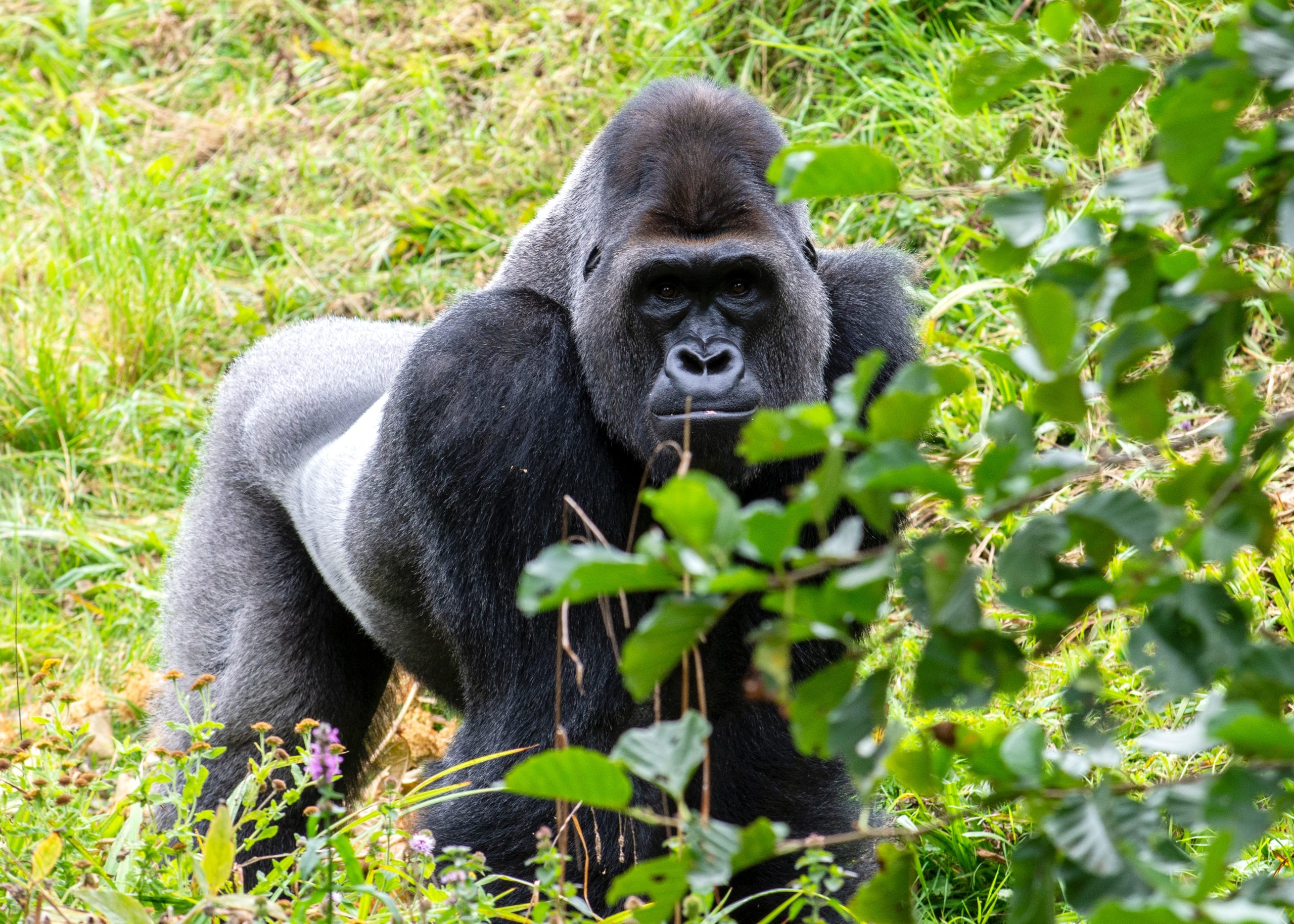
Nyakagezi Gorilla Family in Mgahinga Gorilla National Park, Uganda
Introduction to Mgahinga Gorilla National Park
Mgahinga Gorilla National Park may be Uganda’s smallest national park, covering approximately 33.7 square kilometres, but it is one of the country’s most remarkable destinations for wildlife enthusiasts and adventure travelers. Located in Kisoro District in southwestern Uganda, the park is famous for mountain gorilla trekking, golden monkey tracking, volcanic mountain hiking and cultural experiences.
Mgahinga is part of the Virunga Conservation Area, a spectacular volcanic landscape shared by Uganda, Rwanda and the Democratic Republic of Congo. Its montane forests, bamboo vegetation and diverse habitats provide shelter for endangered mountain gorillas and other wildlife.
The park’s main attraction is the Nyakagezi gorilla family, the habituated mountain gorilla group traditionally associated with gorilla trekking in Mgahinga. Visitors have the opportunity to observe these magnificent primates in their natural habitat while learning about their social behavior and the conservation efforts protecting them.
Beyond gorilla trekking, visitors can enjoy golden monkey tracking, birdwatching, guided hikes to Mount Sabyinyo, Mount Gahinga and Mount Muhabura, and Batwa cultural experiences. Nearby Lake Mutanda also offers beautiful scenery and opportunities to relax after a gorilla trekking adventure.
With its exceptional wildlife and dramatic mountain scenery, Mgahinga Gorilla National Park is an excellent destination to include in a Uganda safari organized by Raptors Africa Safaris.
Nyakagezi Gorilla Family: History and Background
The Nyakagezi gorilla family is the best-known habituated mountain gorilla group in Mgahinga Gorilla National Park. Its name comes from the Nyakagezi area associated with the group’s movements and early observations before it became habituated for tourism.
Mountain gorillas live in social groups led by a dominant silverback, although family structures and leadership arrangements can vary. The Nyakagezi family has attracted particular interest because of its history of several silverbacks living together within the same group.
In the past, the family was known for moving across the international borders of the Virunga region, including areas of the Democratic Republic of Congo. It later became established in Uganda, making Mgahinga an important destination for visitors interested in seeing mountain gorillas.
Although the family has often been described as relatively straightforward to track, gorillas are wild animals that move freely through their habitat. The length and difficulty of a trek depend on the family’s location, weather conditions and terrain on the day of the visit.
The opportunity to encounter Nyakagezi offers visitors an unforgettable wildlife experience and a chance to appreciate the importance of conserving mountain gorillas and their forest habitat.
Membership of the Nyakagezi Gorilla Family
The Nyakagezi gorilla family has historically been documented with nine members, including four silverbacks, two adult females, one juvenile and two infants. However, gorilla family membership changes over time through births, maturation and other natural events.
In November 2025, a birth announced by the Uganda Tourism Board brought the reported family size to 11 individuals. Therefore, older accounts listing nine members should be treated as historical rather than a definitive current count.
The family has been associated with several notable individuals, including Mark, Bugingo, Mafia, Matthew, Nshuti, Nyiramwiza, Mutagamba, Rukundo and Nkanda. Their status and the group’s current composition should be confirmed with the relevant wildlife authorities before publication or travel.
Mark: The Dominant Silverback
Mark has been identified in published accounts as the dominant silverback of the Nyakagezi gorilla family, taking over leadership from the older silverback Bugingo.
A silverback is a mature male mountain gorilla distinguished by the silver-grey hair that develops across his back. Dominant silverbacks play an important role in maintaining group cohesion, guiding movements and responding to potential threats.
Mark’s leadership is one of the notable aspects of the Nyakagezi family’s history. Observing the dominant silverback during a trek may offer visitors an opportunity to appreciate his size, behavior and interactions with other family members.
As with all wild gorilla groups, leadership and social relationships may change over time.
Bugingo: The Former Dominant Silverback
Bugingo is known for his former leadership of the Nyakagezi gorilla family and his long association with the group. Published accounts have described him as an exceptionally old silverback.
His history illustrates the changing dynamics of mountain gorilla families, where older males may lose their dominant position while continuing to live alongside other members.
Gorilla trekking provides a unique opportunity to learn about these social relationships from authorized guides and trackers who understand the behavior of the animals.
Other Members of the Nyakagezi Family
Other gorillas historically associated with the Nyakagezi family include Mafia and Matthew, described in earlier accounts as silverbacks, alongside adult females Nshuti and Nyiramwiza.
Mutagamba and Rukundo have been identified in historical descriptions as infants, while Nkanda has been described as a juvenile.
Young gorillas are particularly fascinating to observe because they may play, explore their surroundings and interact closely with their mothers and other family members. However, the age category and status of individual gorillas may change as they mature.
The family’s multiple silverbacks, females and younger individuals create opportunities to observe a range of mountain gorilla behaviors during the viewing period.
Where Can You Find the Nyakagezi Gorilla Family?
The Nyakagezi gorilla family inhabits Mgahinga Gorilla National Park in southwestern Uganda. The park lies within the Virunga volcanic landscape, where mountain gorillas occupy forested slopes and areas with abundant vegetation.
The terrain includes bamboo forests, montane vegetation and other high-altitude habitats. The gorillas move through these environments in search of food, resting places and suitable areas for their daily activities.
Mgahinga’s volcanic setting also makes the park attractive to visitors interested in mountain scenery. Mount Sabyinyo, Mount Gahinga and Mount Muhabura are important features of the landscape, although the precise location of the gorillas changes and should never be assumed from the mountain names alone.
Visitors must follow the trekking routes and instructions provided by the Uganda Wildlife Authority and their authorized guides.
How to Track the Nyakagezi Gorilla Family
Gorilla trekking in Mgahinga Gorilla National Park is a guided activity that allows visitors to search for the Nyakagezi family in its natural habitat. The experience requires a valid gorilla trekking permit and compliance with park regulations.
1. Book a Gorilla Trekking Permit
Before traveling to Mgahinga, arrange a gorilla trekking permit through the appropriate authorities or an authorized tour operator.
Permits are limited to help manage visitor numbers and protect the gorillas. Booking in advance is advisable, particularly during popular travel periods.
Raptors Africa Safaris can assist with permit arrangements, accommodation and transportation to Mgahinga.
2. Attend the Morning Briefing
On the trekking day, visitors report to the designated briefing point at the time provided by park officials.
Rangers explain the trekking procedures, safety requirements and responsible gorilla-viewing rules. Visitors are then assigned to a trekking group and accompanied by authorized personnel.
The briefing also covers the importance of keeping a safe distance from the gorillas, avoiding unnecessary noise and following the instructions of the guides throughout the experience.
3. Enter the Forest in Search of Gorillas
After the briefing, the trekking group enters the forest with guides and trackers to locate the Nyakagezi family.
The walk may pass through bamboo vegetation, montane forest and uneven mountain terrain. Some sections may be steep, muddy or slippery, especially after rainfall.
The duration varies according to where the gorillas are located and how far they move while feeding. Visitors should be prepared for several hours of walking and should not assume that every trek will follow the same route.
During the search, travelers may encounter birds, forest plants and signs of other wildlife.
4. Spend Time Observing the Nyakagezi Family
Once the gorillas are located, visitors are given a limited viewing period, generally one hour under standard gorilla trekking regulations.
This is the highlight of the experience. You may observe the silverback resting or moving through the vegetation, females caring for their young, and juveniles playing or exploring their surroundings.
The encounter provides an opportunity to appreciate the gorillas’ intelligence, family bonds and behavior in the wild.
Visitors must follow the prescribed viewing distance and