+256-702 595 926 | info@bookgorillatracking.com

Rushegura Gorilla Family in Bwindi, Uganda | Trekking Guide

Rushegura Gorilla Family in Bwindi Impenetrable National Park, Uganda
The Rushegura Gorilla Family is one of the habituated mountain gorilla groups found in the Buhoma sector of Bwindi Impenetrable National Park in southwestern Uganda. Known for its interesting history, changing leadership and movements around the northern part of the forest, Rushegura offers visitors an opportunity to observe endangered mountain gorillas in their natural habitat.
The family was established in February 2002 after separating from the larger Habinyanja gorilla group. The separation was led by a silverback named Mwirima, who went on to establish and lead the new family for more than a decade. Following his death in 2014, leadership passed to another silverback, Kabukojo, who was identified as the group’s leader in the International Gorilla Conservation Programme’s published family record.
Rushegura is an interesting group to learn about because its history illustrates how mountain gorilla families develop, separate and adapt as their social structures change. If you are planning a gorilla trekking safari in Uganda, here is what you should know about the family’s location, history, membership and trekking experience.
Where Is the Rushegura Gorilla Family Found?
The Rushegura Gorilla Family lives in Bwindi Impenetrable National Park, a UNESCO World Heritage Site in southwestern Uganda. The park protects an important population of endangered mountain gorillas and is internationally recognised for its exceptional biodiversity and montane forest ecosystem.
Rushegura belongs to the Buhoma trekking sector, situated in the northern part of Bwindi. Buhoma is one of the park’s four main gorilla trekking sectors, alongside Ruhija, Rushaga and Nkuringo.
The family is known for ranging relatively close to the Buhoma park headquarters and sometimes visiting gardens in nearby community areas. However, mountain gorillas move through the forest in search of food, so their location can change from day to day. Trekkers should not assume that the family will be close to the park entrance or a particular lodge on their trekking date.
Buhoma is a popular base for visitors exploring Bwindi. It has accommodation options, community tourism activities and access to guided forest experiences, making it a convenient starting point for a gorilla trekking safari in northern Bwindi.
History of the Rushegura Gorilla Family
The history of Rushegura dates back to February 2002, when a silverback named Mwirima separated from the Habinyanja gorilla family and established a new group.
The separation followed social and leadership dynamics within the larger Habinyanja family. Mwirima left with several members, forming an independent group that became known as Rushegura. The IGCP records that the family was formed following a split from Habinyanja and that Mwirima was its founding leader.
The name Rushegura is associated with the local tree species known as Ebishegura, which was found in the area where the separation took place. It is therefore more accurate to connect the group’s name with this tree than to describe it as a word meaning a grass-filled place.
Under Mwirima’s leadership, the family established its own social structure and home range in the Buhoma area. He was remembered as a strong and protective silverback who played an important role in maintaining the group’s cohesion.
Mwirima died in 2014. After his death, leadership changed, and silverback Kabukojo became the group’s leader. The family continues to be monitored as part of the conservation and gorilla tourism programmes in Bwindi.
How Many Members Are in the Rushegura Gorilla Family?
The number of members in a mountain gorilla family can change over time. Births, deaths, transfers between groups, dispersal and changes in social relationships all influence the size and composition of a family.
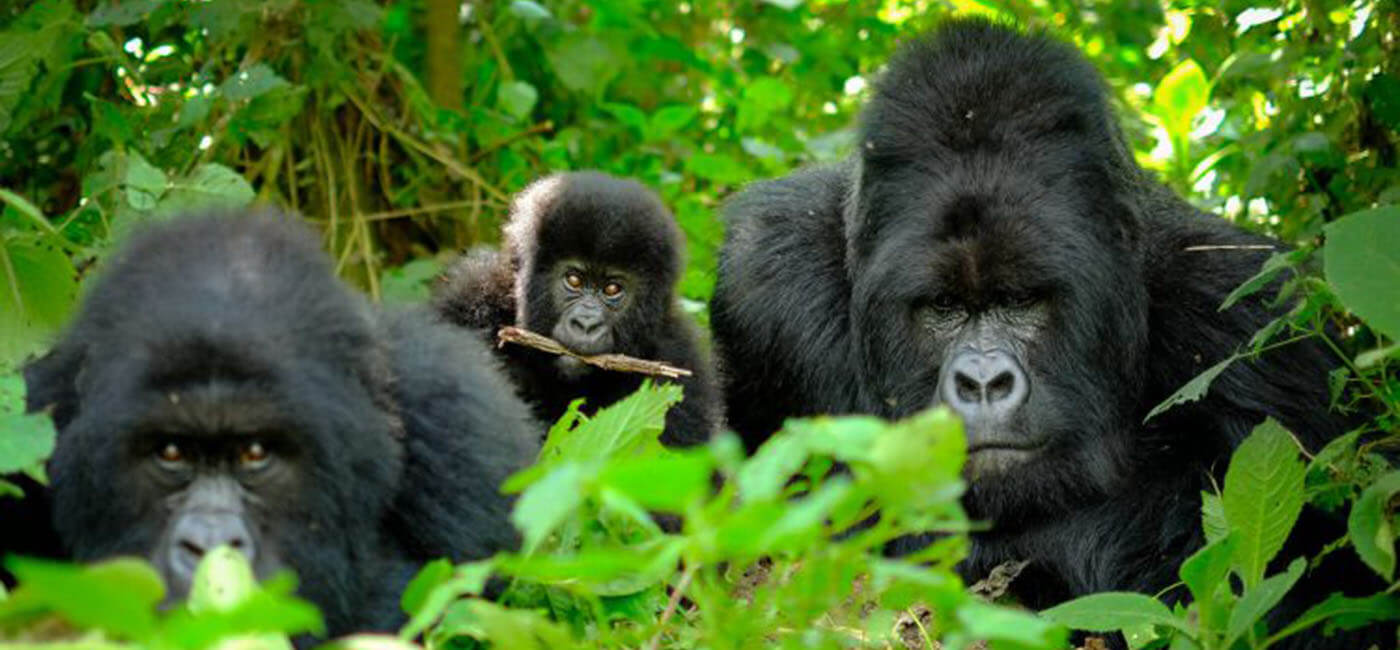
According to the International Gorilla Conservation Programme (IGCP), the Rushegura Gorilla Family had 16 members as of 31 January 2024. Its published record included different age and social categories, such as silverbacks, blackbacks, adult females, subadults and infants.
| Member category | IGCP record |
|---|---|
| Silverbacks | 2 |
| Blackbacks | 2 |
| Adult females | 5 |
| Subadult females | 1 |
| Subadult males | 2 |
| Infants | 4 |
| Total | 16 |
These figures are a dated conservation record, not a guaranteed current headcount. Gorilla family composition can change, so visitors should avoid relying on older membership lists or assuming that every individual named in previous reports is still in the group.
Leadership of the Rushegura Gorilla Family
Leadership is an important part of mountain gorilla social organisation. A dominant silverback generally plays a central role in group protection, movement and social stability, although the relationships within a family are more complex than a simple chain of command.
Mwirima – The Founding Silverback
Mwirima was the silverback who led the separation from Habinyanja in February 2002 and established the Rushegura family. He was known for his protective behaviour and his role in guiding the group’s movements.
Like other dominant silverbacks, he helped maintain group cohesion and respond to potential threats. His leadership was an important part of the family’s early development.
Mwirima died in 2014, marking the end of the group’s founding leadership period.
Kabukojo – The Successor
Following Mwirima’s death, Kabukojo became the dominant silverback associated with the Rushegura family. The IGCP family profile identifies Kabukojo as the group’s leader in its published record.
The leadership transition illustrates how gorilla families can adapt after the loss of a dominant male. The group continues to be monitored by conservation organisations, and its membership and social structure may change over time.
What Makes the Rushegura Gorilla Family Interesting?
Rushegura has several features that make it an interesting group to learn about during a Bwindi gorilla safari.
Its history of separation: The family was formed after breaking away from Habinyanja in 2002. This makes it a useful example of how new mountain gorilla groups can develop from existing families.
Its changing leadership: The transition from founding silverback Mwirima to Kabukojo highlights the importance of dominant silverbacks in group organisation and protection.
Its Buhoma home range: Rushegura is associated with the northern Buhoma sector and is known for ranging relatively close to the park headquarters and sometimes visiting nearby community gardens.
Its changing membership: The family has experienced changes in its membership over the years. Its published IGCP record provides a useful snapshot of its composition in January 2024, although the group may have changed since then.
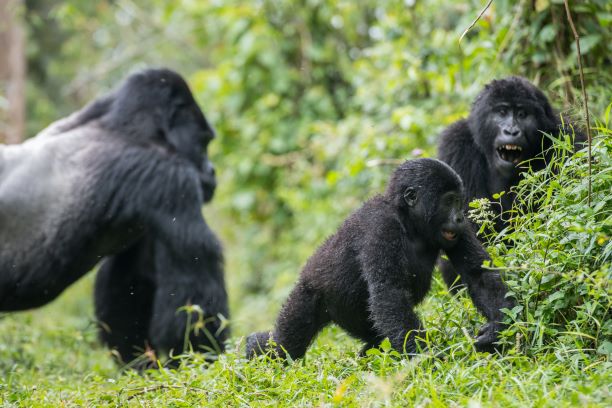
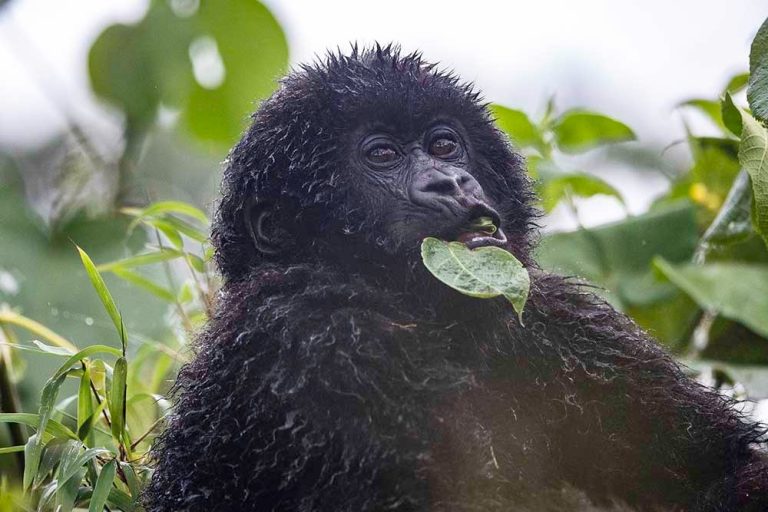
Its natural behaviour: During a trek, visitors may observe gorillas feeding, resting, grooming, playing or caring for their young. What you see depends on the group’s activities and location on the day.
Gorilla Trekking to See the Rushegura Gorilla Family
Gorilla trekking is one of Uganda’s most memorable wildlife experiences. Visitors heading to Buhoma have the opportunity to explore the forest with trained guides and trackers as they search for a habituated mountain gorilla family.
If you would like to trek in the Buhoma sector, it is important to arrange your permit in advance, particularly during busy travel periods. You can explore our four-day Bwindi gorillas and Lake Bunyonyi safari as one way to include gorilla trekking in a wider Uganda itinerary.
1. Arrive at the Buhoma Trekking Headquarters
Your trekking day begins with an early-morning visit to the Buhoma visitor information centre or designated briefing point. Uganda Wildlife Authority staff explain the trekking procedures, safety guidelines and expected conduct when visitors encounter the gorillas.
You are assigned to a gorilla family within the sector according to the park’s allocation procedures. Although you may have a particular interest in Rushegura, booking a permit for Buhoma does not guarantee that you will be assigned to this specific family.
2. Begin the Forest Trek
After the briefing, you set off with authorised guides and trackers into Bwindi’s forest. Trackers help locate the gorillas by following signs such as feeding sites, nests and fresh movements.
The terrain can be steep, muddy and slippery, with thick vegetation in some areas. Your guide will determine the route and pace based on the gorillas’ location and the conditions in the forest.
3. Find and Observe the Gorillas
Once the trackers locate the assigned family, your guide will explain how to approach and behave around the gorillas. You may see adults feeding or resting, females caring for infants, and younger gorillas playing or interacting with other members.
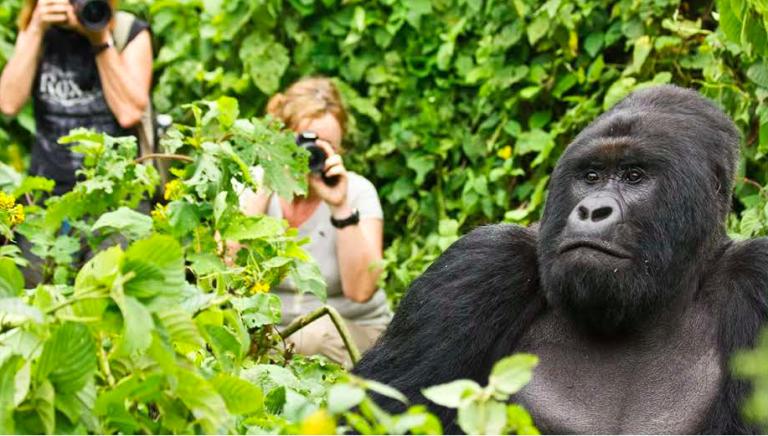
Visitors are allowed a maximum of one hour with a habituated gorilla family during standard trekking. This limited viewing time helps protect the gorillas from excessive human disturbance.
4. Return from the Forest
After the observation period, your guide leads you back towards the starting point. Trekking conditions vary, so the return journey may take time depending on the terrain and the group’s pace.
The experience is physically demanding but rewarding, offering a rare opportunity to observe mountain gorillas in the wild.
How Long Does It Take to Trek the Rushegura Gorilla Family?
There is no fixed trekking time for Rushegura or any other habituated gorilla family in Bwindi. The duration depends on where the gorillas have moved, the condition of the forest trails, the weather and the pace of the trekking group.
Uganda Wildlife Authority indicates that gorilla treks can take approximately two to seven hours, including the time spent walking through the forest. Some treks may be shorter, while others require a longer hike.
Once the gorillas are found, visitors on a standard gorilla trekking experience are allowed up to one hour to observe them.
It is advisable to prepare for a full morning or longer rather than planning other activities immediately after the trek.
Can You Guarantee a Trek to the Rushegura Gorilla Family?
No. A gorilla trekking permit for Buhoma does not guarantee that you will visit Rushegura specifically.
Uganda Wildlife Authority allocates visitors to available habituated gorilla families within their designated trekking sectors on the day of the activity. Family allocation is influenced by operational arrangements and the movement of gorillas within the forest.
If Rushegura is the group you are particularly interested in, you can tell your tour operator when making your booking. However, the final allocation remains subject to UWA procedures and availability.
Booking early is still important because the number of visitors permitted to trek each habituated family is restricted.
Gorilla Trekking Rules and Regulations in Bwindi
Mountain gorillas are endangered and can be vulnerable to human diseases and disturbance. Visitors must follow the instructions of their guides and Uganda Wildlife Authority rangers throughout the trek.
Important rules include:
- The minimum age for gorilla trekking in Uganda is 15 years.
- A maximum of eight visitors may visit a habituated gorilla family during a standard trekking session.
- The maximum viewing time is one hour.
- Do not trek if you have a cold, flu or another contagious illness.
- Follow the ranger’s instructions about the appropriate distance from the gorillas.
- Do not touch the gorillas, even if one approaches you.
- Avoid loud noises, sudden movements and gestures that may disturb the animals.
- Flash photography is not permitted.
- Do not eat, drink or smoke while close to the gorillas.
- If you need to cough or sneeze, cover your mouth and nose and turn away from the gorillas.
- Do not leave rubbish in the forest.
- Remain with your group and follow your guide’s directions throughout the encounter.
These rules help protect both visitors and the gorillas. Always follow the latest instructions provided during the official briefing.
Best Time to Trek the Rushegura Gorilla Family
Gorilla trekking in Bwindi is available throughout the year. However, some months are generally more favourable for visitors who prefer relatively drier forest trails.
Dry Seasons
The relatively drier periods are commonly experienced from June to August and December to February. These months are popular for gorilla trekking because the trails may be less muddy and walking conditions can be more manageable.
They are also busy travel periods, so booking permits and accommodation early is recommended.
Rainier Seasons
Bwindi receives rainfall throughout the year, with wetter periods commonly occurring around March to May and September to November.
During these months, forest trails can become muddy and slippery. However, gorilla trekking continues, and the forest remains an excellent destination for wildlife and birdwatching.
The best time for your trek ultimately depends on your travel schedule, budget and preference for forest conditions.
What to Pack for Rushegura Gorilla Trekking
The forest environment can be wet, cool and physically demanding. Pack suitable clothing and equipment to make your experience more comfortable.
Recommended items include:
- Waterproof hiking boots with good grip.
- Long trousers and long-sleeved shirts.
- A lightweight waterproof jacket or raincoat.
- Gardening gloves for holding vegetation along the trail.
- A small backpack for personal belongings.
- Drinking water for the walk, consumed away from the gorillas.
- Snacks to eat only when permitted and away from the gorillas.
- A camera with flash switched off.
- Extra camera batteries and memory cards.
- Sunscreen and insect repellent.
- A walking stick, which may be available at the park or through your lodge.
- A hat and any personal medication you may need.
Hiring a local porter is also a helpful option. Porters can assist with carrying your bag and navigating difficult sections of the trail, while providing income to members of the surrounding communities.
Other Activities Around Buhoma
A gorilla trekking safari in Buhoma can be combined with other activities in and around Bwindi. Depending on your interests and available time, consider:
Bwindi forest walks: Guided nature walks provide opportunities to explore the forest, learn about its vegetation and look for birds and other wildlife.
Birdwatching: Bwindi is an important birding destination, particularly for visitors interested in Albertine Rift species.
Batwa cultural experiences: Learn about the traditional forest knowledge and history of the Batwa people through responsible community-led activities.
Community walks: Explore villages around Buhoma, learn about local livelihoods and support community tourism initiatives.
Lake Bunyonyi: Extend your safari with a visit to Lake Bunyonyi, known for its scenic islands and surrounding terraced hills. It is a popular place to relax after gorilla trekking.
Frequently Asked Questions About the Rushegura Gorilla Family
1. Where is the Rushegura Gorilla Family located?
The Rushegura Gorilla Family is found in the Buhoma sector of Bwindi Impenetrable National Park in southwestern Uganda.
2. When was the Rushegura Gorilla Family formed?
The family was formed in February 2002 after separating from the larger Habinyanja gorilla group.
3. Who founded the Rushegura Gorilla Family?
The group was founded by a silverback named Mwirima, who led the family after its separation from Habinyanja.
4. Who is the current leader of the Rushegura Gorilla Family?
The IGCP family profile identifies Kabukojo as the group’s leader. Its published record should be treated as a dated conservation reference because leadership can change.
5. How many gorillas are in the Rushegura family?
The IGCP recorded 16 members as of 31 January 2024. Gorilla family numbers change over time, so this should not be treated as a guaranteed current count.
6. What does the name Rushegura mean?
The name is associated with the local tree species Ebishegura, found in the area where the family separated from Habinyanja.
7. How long does it take to trek the Rushegura family?
The duration depends on the gorillas’ location and trail conditions. UWA indicates that gorilla treks may take approximately two to seven hours, with up to one hour spent observing the gorillas.
8. Can I specifically book a Rushegura gorilla trekking permit?
You can book a permit for the Buhoma sector, but you cannot guarantee an allocation to Rushegura. UWA assigns visitors to a habituated family on the trekking day.
9. What is the minimum age for gorilla trekking in Uganda?
The minimum age is 15 years. Visitors must also follow all park rules and ranger instructions.
10. Is Rushegura suitable for first-time gorilla trekkers?
Rushegura is one of the habituated families in Buhoma and can be included in a first-time gorilla trekking safari. However, the difficulty of the trek depends on the group’s location and forest conditions on the day, not simply the family being visited.
Book Your Bwindi Gorilla Trekking Safari
The Rushegura Gorilla Family offers an opportunity to learn about the social organisation, history and conservation of mountain gorillas in Bwindi Impenetrable National Park. From its formation under Mwirima in 2002 to its subsequent leadership changes, the family has an interesting story within Uganda’s mountain gorilla conservation programme.
If you are planning to visit Bwindi, Book Gorilla Tracking can help you organise your gorilla trekking permit, transport, accommodation and safari itinerary. Contact our team early to check permit availability for your preferred travel dates and arrange a memorable gorilla trekking experience in Uganda.