+256-702 595 926 | info@bookgorillatracking.com

Mubare Gorilla Family in Bwindi, Uganda | Buhoma Gorilla Trekking

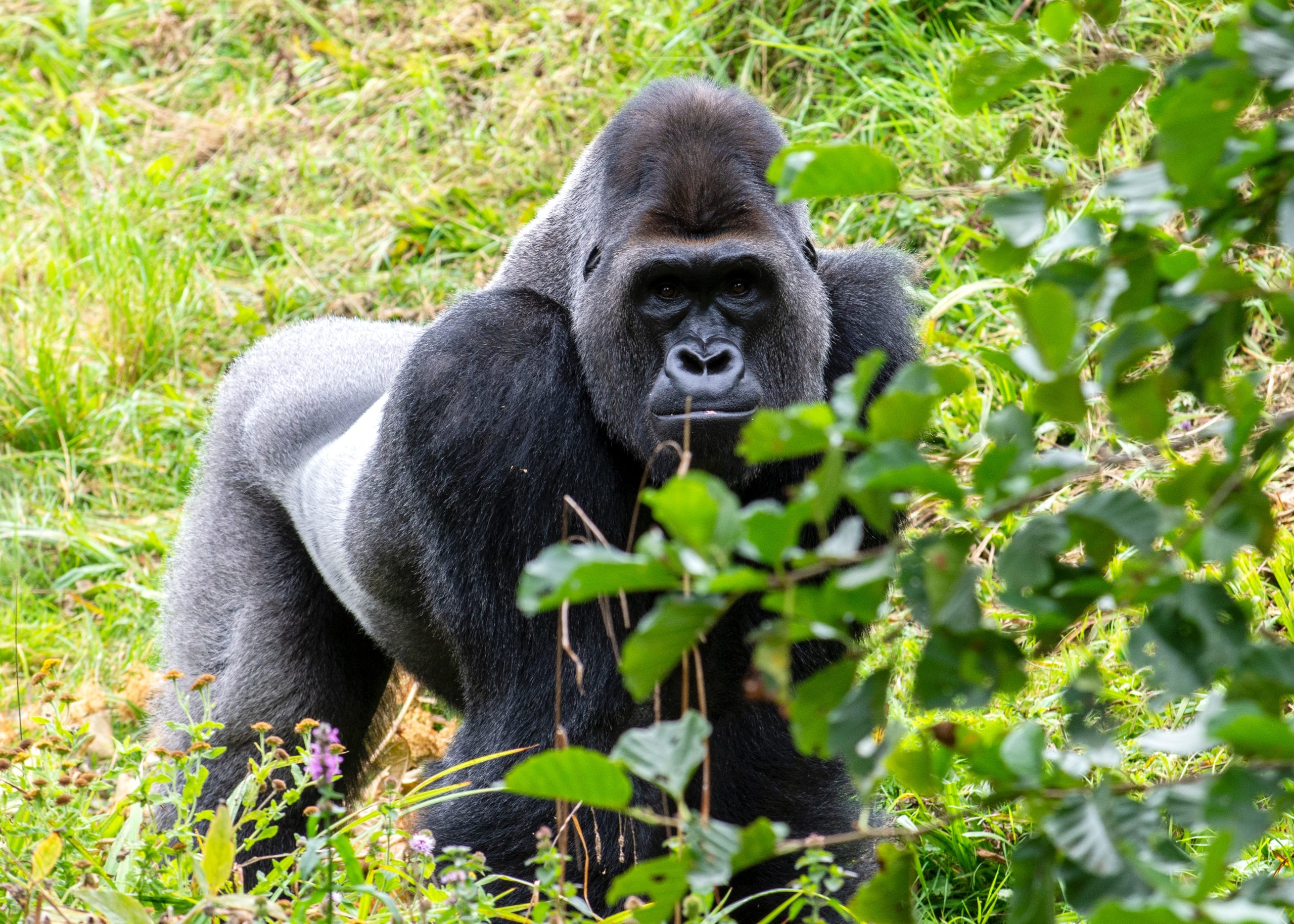
Mubare Gorilla Family in Bwindi, Uganda: History, Leadership and Trekking Guide
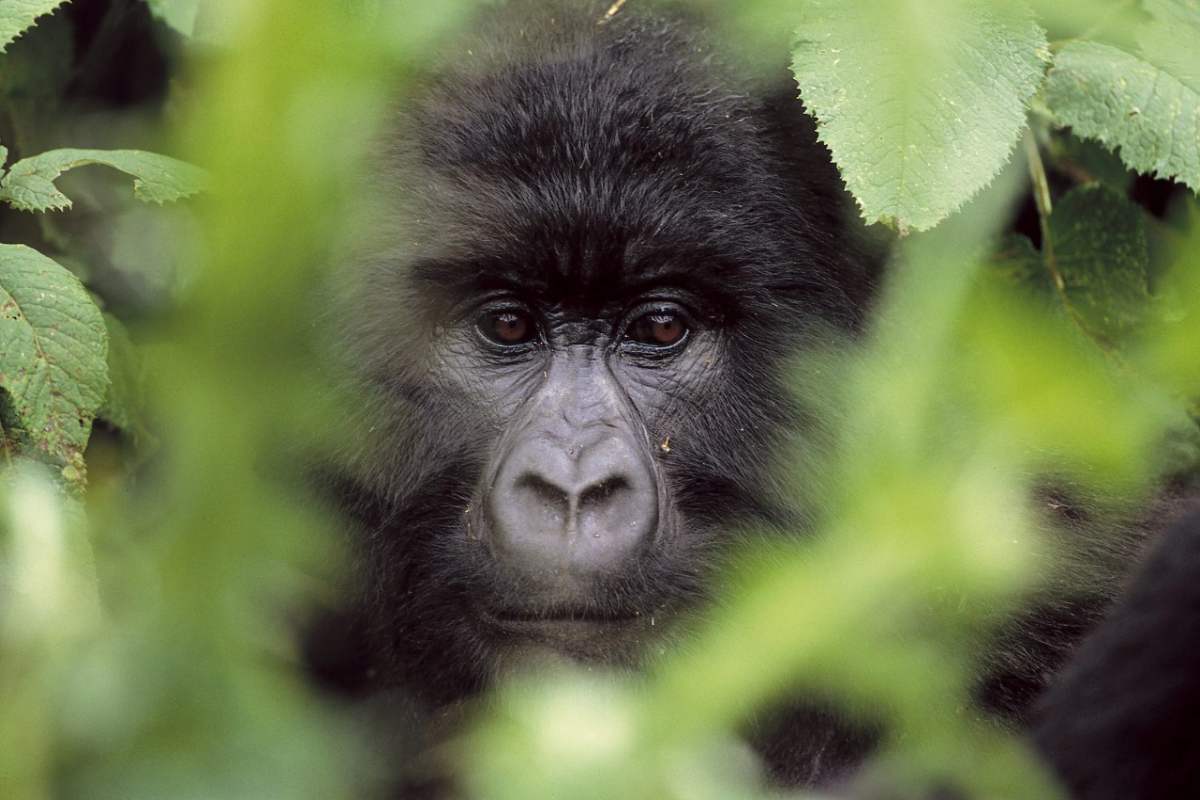
Mubare Gorilla Family in Bwindi Impenetrable National Park, Uganda
The Mubare Gorilla Family is the oldest habituated mountain gorilla group in Bwindi Impenetrable National Park and holds a special place in Uganda’s gorilla conservation history. Located in the Buhoma Sector in southwestern Uganda, Mubare was the first mountain gorilla family in Bwindi to be habituated for tourism and opened to visitors in 1993.
The family takes its name from the nearby Mubare Hills, where researchers and trackers first encountered the group. Its early habituation marked an important milestone in Uganda’s wildlife tourism industry, introducing visitors to the experience of observing endangered mountain gorillas in their natural forest habitat.
Mubare is particularly interesting because of its unusual social structure. Unlike many mountain gorilla families that may contain several mature males, the group is historically characterised by single-male leadership and a strong intolerance of competition between adult males.
The family has experienced significant leadership changes, including the death of its founding silverback, Ruhondeza, in June 2012 and the subsequent takeover by silverback Maraya in November 2017.
According to the International Gorilla Conservation Programme (IGCP), the Mubare Gorilla Family had seven members as of 31 January 2024: one silverback, three adult females, one juvenile and two infants. This is a dated conservation record, not a confirmed 2026 population.
For visitors planning a Uganda gorilla trekking safari, Mubare offers an opportunity to experience one of the most historically significant gorilla families in Bwindi while learning about the behaviour, social relationships and conservation of mountain gorillas.
Where Is the Mubare Gorilla Family Located?
The Mubare Gorilla Family is found in the Buhoma Sector of Bwindi Impenetrable National Park, in southwestern Uganda.
Buhoma is situated in the northern part of Bwindi, within Kanungu District. It is the historic starting point of gorilla tourism in the park and is home to several habituated mountain gorilla families.
The sector is also known for its forest nature walks, birdwatching opportunities, community tourism activities and accommodation facilities.
Mubare was first encountered around the Mubare Hills, from which it takes its name. Its home range is within the Buhoma area, although the gorillas move through the forest in search of food and suitable resting places.
The location of the family changes from day to day, meaning that the trekking distance cannot be guaranteed in advance.
How to Reach the Mubare Gorilla Family in Buhoma
Visitors must travel to the Buhoma Sector to participate in a trek there.
By road from Kampala or Entebbe: The journey follows southwestern Uganda through Masaka, Mbarara, Ntungamo and Rukungiri, continuing towards Kihihi and Buhoma. Depending on the starting point, road conditions and stops, the drive can take approximately 8–11 hours.
By air: Travellers can arrange a domestic flight from Entebbe or Kajjansi to an airstrip serving the Buhoma area, followed by a road transfer to their lodge.
From Kigali, Rwanda: Visitors can travel through an approved Uganda-Rwanda border crossing and continue to Buhoma. This option is useful for travellers combining Rwanda and Uganda in one safari. Travel time depends on the border crossing, immigration procedures and road conditions.
It is advisable to arrive in the Buhoma area the day before gorilla trekking so that you can attend the morning briefing without a long transfer on the same day.
What Makes the Mubare Gorilla Family Unique?
Mubare is particularly important because of its long history, distinctive leadership pattern and role in the development of gorilla tourism in Uganda.
1. The Oldest Habituated Gorilla Family in Bwindi
Mubare was the first gorilla family in Bwindi to undergo habituation for tourism. It was opened to visitors in 1993, making it an important part of the history of mountain gorilla conservation in Uganda.
Its habituation demonstrated that carefully managed tourism could allow people to observe mountain gorillas while contributing to conservation and the livelihoods of communities around the park.
2. A Social Structure Characterised by Single-Male Leadership
The Mubare group is known for its single-male leadership structure. IGCP describes it as having a strong intolerance of competition between adult males.
In many mountain gorilla groups, several adult males may coexist. However, Mubare’s history has been marked by conflicts during leadership transitions, particularly when another mature male challenged the dominant silverback.
This behaviour makes the group interesting from a conservation and behavioural perspective. It also illustrates how competition, dominance and social relationships can influence the stability of mountain gorilla families.
3. A History of Leadership Changes
The family has experienced several important leadership transitions, from Ruhondeza to his son Kanyonyi and later to Maraya.
These events have shaped the group’s membership and social structure. They also demonstrate how mountain gorilla families can change following the death or displacement of a dominant silverback.
4. A Connection to the Development of Gorilla Tourism
Because Mubare was the first group habituated for tourism in Bwindi, it holds a special place in the history of the park.
Visitors tracking the family are not simply observing mountain gorillas; they are also visiting a group associated with the beginnings of Uganda’s gorilla tourism programme.
History of the Mubare Gorilla Family
The Mubare Gorilla Family has undergone significant changes since researchers first encountered it in the Mubare Hills.
Discovery and Habituation in 1993
The group was first encountered by researchers and trackers around the Mubare Hills in Bwindi Forest.
A habituation process was then undertaken to familiarise the gorillas with the controlled presence of researchers and trackers. After this process, Mubare became the first gorilla family in Bwindi to open for tourism in 1993.
Its introduction to visitors marked the beginning of a new chapter in Uganda’s conservation tourism industry.
The Leadership of Silverback Ruhondeza
Ruhondeza was the founding and historical leader of the Mubare group. He led the family for many years and became one of the most recognised silverbacks in Bwindi.
During his leadership, the group was reported to have grown to approximately 18 members. However, its composition changed over time through births, deaths and the movement of individuals.
Ruhondeza was also associated with a strong intolerance of potential male competitors. IGCP’s account describes his history of infanticide, a behaviour sometimes associated with changes in male leadership among gorillas.
As he grew older, some females were able to evade him and protect their infants, contributing to the survival of some younger members.
Ruhondeza died of old age in June 2012. His death marked the end of an important period in the family’s history.
Kanyonyi Takes Over Leadership
Following Ruhondeza’s death, leadership passed to his surviving oldest son, silverback Kanyonyi.
Kanyonyi inherited a group that had already experienced changes in membership and social structure. He continued leading the family until November 2017, when another silverback, Maraya, challenged him.
Before the confrontation, Kanyonyi had reportedly fallen from a high tree and sustained injuries that left him vulnerable.
Maraya Takes Over the Mubare Family
In November 2017, Maraya, who had previously lived as a solitary silverback, fought Kanyonyi and killed him before taking over leadership of the Mubare group.
The takeover resulted in further changes to the family’s membership. According to IGCP, most group members migrated after Kanyonyi’s death, while a couple of infants became victims of infanticide.
Maraya subsequently became the dominant silverback and is identified by IGCP as the leader in its published family record.
The events surrounding the leadership transition are an important part of Mubare’s history and help explain why its present-day composition is smaller than the approximately 18 members reported during Ruhondeza’s leadership.
How Many Members Are in the Mubare Gorilla Family?
The International Gorilla Conservation Programme recorded seven individuals in the Mubare Gorilla Family as of 31 January 2024.
The recorded composition was:
| Gorilla category | Number |
|---|---|
| Silverback | 1 |
| Adult females | 3 |
| Juveniles | 1 |
| Infants | 2 |
| Total | 7 |
The family was led by silverback Maraya in the IGCP record.
Older tourism articles sometimes describe Mubare as having nine members or give other historical population figures. These numbers may refer to earlier observations. The January 2024 IGCP record is a more clearly dated reference, but it should not be presented as the group’s confirmed 2026 population.
Why Does the Mubare Family’s Size Change?
Mountain gorilla families are dynamic social groups whose membership changes naturally.
Some of the factors that influence their size include:
- Births: New infants increase the number of family members.
- Deaths: Gorillas may die through natural causes, disease or injuries.
- Migration: Individuals may leave their original group and join another family.
- Leadership changes: A new silverback taking over a group can influence its social structure and membership.
- Group formation: Mature males may leave existing families and establish separate groups.
One example is the formation of the Muyambi Gorilla Family in 2019. According to IGCP, silverback Muyambi left Mubare with four adult females, establishing a separate group that was recorded with seven members as of 31 January 2024.
This development shows how the social structure of one gorilla family can contribute to the formation of another.
Who Is the Current Leader of the Mubare Gorilla Family?
Silverback Maraya is identified as the leader of the Mubare Gorilla Family in IGCP’s published profile.
Maraya took over leadership in November 2017 after fighting and killing Kanyonyi, who had succeeded his father Ruhondeza in 2012.
Maraya’s takeover was a major turning point in the family’s history. The change in leadership was followed by the departure of several members and the loss of some infants.
The group is known for single-male leadership, meaning that one dominant silverback holds the main leadership position rather than sharing it with several mature males.
As with all wild gorilla families, leadership can change. Visitors should rely on the latest information from park trackers and conservation authorities rather than assuming that an older family profile reflects every subsequent development.
How to Trek the Mubare Gorilla Family in Bwindi
Mubare gorilla trekking follows the standard gorilla tracking procedure established by Uganda Wildlife Authority (UWA).
Visitors must first obtain a valid gorilla trekking permit for the Buhoma entry point. On the trekking day, they report to the Buhoma Visitor Information Centre for permit verification, registration and a briefing.
UWA guides and trackers then organise the visitors into trekking groups and lead them into the forest.
Step 1: Book a Gorilla Trekking Permit for Buhoma
Contact UWA or a licensed tour operator to check permit availability for your preferred date at the Buhoma entry point.
Permits are booked according to the trekking date and designated entry point, not by guaranteed gorilla family name.
If you would like to visit Mubare, you can communicate your preference to your tour operator. However, the final allocation is made by UWA on the trekking day.
Step 2: Travel to Buhoma
Arrange road transport or a domestic flight and transfer to the Buhoma area.
It is recommended that you stay near the sector the night before your trek so that you can reach the visitor centre in time for the morning briefing.
Step 3: Attend the Morning Briefing
On the trekking day, report to the Buhoma Visitor Information Centre for registration and permit verification.
UWA rangers explain the trekking rules, visitor safety requirements and expected conduct in the forest.
Visitors are then allocated to gorilla families according to the park’s daily arrangements.
Step 4: Enter the Forest with Your Guides
After the briefing, you enter Bwindi Forest accompanied by UWA guides and trackers.
The trackers help locate the gorillas by following signs such as feeding areas, nests and other evidence of their movements.
The length and difficulty of the trek depend on the location of the assigned family.
Step 5: Spend One Hour with the Gorillas
Once the gorillas are located, visitors are allowed a maximum of one hour to observe them during standard gorilla trekking.
You can watch the silverback, adult females and younger gorillas as they feed, rest, groom and interact.
Photography is permitted, but flash photography is prohibited. Visitors must remain calm, follow the guide’s instructions and maintain the required distance.
How Long Does It Take to Trek the Mubare Gorilla Family?
The duration of a Mubare trek depends on the location of the gorillas on the day of tracking.
Some treks may take a relatively short time, while others require several hours of walking through steep slopes and dense forest.
UWA indicates that gorilla tracking can take approximately two to seven hours, depending on where the gorillas are located and the conditions in the forest.
The one-hour viewing period begins after visitors reach the gorillas. The full tracking experience includes the briefing, forest hike, gorilla observation and return to the visitor centre.
Visitors should not assume that Mubare will always be an easy or short trek because the family is associated with Buhoma. Mountain gorillas move freely within their habitat, and their location changes.
How Many Visitors Can Trek the Mubare Gorilla Family Per Day?
Under Uganda’s standard gorilla trekking rules, a maximum of eight visitors can visit one habituated gorilla family per day.
Visitors are allowed a maximum of one hour with the gorillas once the group has been located.
These limits help reduce human disturbance and minimise the risk of disease transmission between visitors and mountain gorillas.
Because permits are limited, it is advisable to book well in advance, particularly during popular travel periods.
How Much Does a Mubare Gorilla Trekking Permit Cost?
There is no separate permit fee for visiting the Mubare Gorilla Family. Visitors purchase a standard Uganda gorilla trekking permit for the Buhoma entry point.
The applicable price depends on the visitor’s category under the current Uganda Wildlife Authority tariff. Categories include:
- East African Community citizens.
- Rest of Africa citizens.
- Foreign residents.
- Foreign non-residents.
Permit fees may change when UWA introduces a new tariff. Confirm the current price and eligibility requirements before making payment.
The standard permit covers the regulated gorilla trekking activity and the permitted viewing time. Accommodation, transport, meals, porter services and other safari activities are separate costs unless included in a package.
Best Time to Trek the Mubare Gorilla Family
Gorilla trekking in Buhoma is available throughout the year. However, weather conditions can influence trail quality and hiking difficulty.
Dry Seasons: June to September and December to February
These periods generally experience less rainfall and may offer more favourable hiking conditions.
They are popular travel months, so visitors should book gorilla permits and accommodation early.
Rainy Seasons: March to May and October to November
Rainfall is generally higher during these months. Forest trails may become muddy and slippery, making some parts of the trek more demanding.
However, the forest is lush and green, and visitors can enjoy the rainforest environment.
Rain can occur at any time in Bwindi, so waterproof clothing and suitable hiking boots are recommended throughout the year.
What to Pack for Mubare Gorilla Trekking
Visitors should prepare for a hike through a mountainous tropical rainforest.
Recommended items include:
- Waterproof hiking boots with good grip.
- Long trousers and long-sleeved shirts.
- A waterproof jacket or rain poncho.
- Gardening or trekking gloves.
- A comfortable daypack.
- Drinking water.
- Energy snacks for the hike, to be consumed away from the gorillas as directed by your guide.
- A camera without flash.
- Insect repellent.
- Sunscreen and a hat.
- A walking stick, which may be available at the park.
Hiring a porter is also recommended for visitors who need help carrying their backpacks or require additional support on difficult sections of the trail. Porter services also provide income to local community members.
Other Activities to Combine with Mubare Gorilla Trekking
A visit to the Mubare Gorilla Family can be combined with several other experiences in Bwindi and southwestern Uganda.
Buhoma Community Walk
A guided community walk introduces visitors to local traditions, daily life and community conservation activities around Bwindi.
Bwindi Forest Nature Walks
Bwindi has designated nature trails that allow visitors to explore its vegetation, birdlife, butterflies and other forest wildlife with local guides.
Birdwatching in Bwindi
Bwindi is an important birdwatching destination, particularly for visitors interested in Albertine Rift endemic species.
Batwa Cultural Experience
The Batwa cultural experience offers insight into the traditional knowledge, history and cultural heritage of the Batwa communities who historically lived in the forest.
Queen Elizabeth National Park Safari
Visitors with additional time can continue to Queen Elizabeth National Park for game drives and a boat cruise along the Kazinga Channel.
Kibale Chimpanzee Tracking
A longer Uganda primate safari can include chimpanzee tracking in Kibale National Park. This gives visitors an opportunity to observe both mountain gorillas and chimpanzees during one holiday.
Frequently Asked Questions About the Mubare Gorilla Family
1. Where is the Mubare Gorilla Family found?
The Mubare Gorilla Family is found in the Buhoma Sector of Bwindi Impenetrable National Park in southwestern Uganda.
2. Why is the Mubare Gorilla Family famous?
Mubare is famous for being the oldest habituated gorilla family in Bwindi and the first group in the park opened to tourism in 1993. It is also known for its single-male leadership structure and its history of leadership changes.
3. How many gorillas are in the Mubare family?
IGCP recorded seven members as of 31 January 2024: one silverback, three adult females, one juvenile and two infants. The family’s composition may have changed since that record.
4. Who is the leader of the Mubare Gorilla Family?
IGCP identifies silverback Maraya as the leader in its published family profile. He took over the group in November 2017 after fighting and killing Kanyonyi.
5. Who was the first silverback to lead the Mubare family?
Ruhondeza was the historical founding leader of the Mubare group. He died of old age in June 2012, after which leadership passed to his son Kanyonyi.
6. When was the Mubare Gorilla Family opened for tourism?
The group was opened to visitors in 1993, making it the first habituated gorilla family in Bwindi to receive tourists.
7. What does the name Mubare mean?
The family takes its name from the Mubare Hills in Bwindi, where researchers and trackers first encountered the group.
8. Can I book a permit specifically for the Mubare Gorilla Family?
No. Visitors normally book a permit for a selected date and designated entry point, in this case Buhoma. UWA allocates visitors to a specific gorilla family on the trekking day. You can communicate a family preference, but it is not guaranteed.
9. How many visitors can trek the Mubare family per day?
A maximum of eight visitors can visit one habituated gorilla family per day under standard gorilla trekking regulations.
10. How long can visitors stay with the Mubare gorillas?
Visitors can spend a maximum of one hour observing the gorillas after locating the group.
11. Is Mubare Gorilla Trekking difficult?
The difficulty depends on where the family is located. Buhoma has mountainous terrain, and visitors should prepare for several hours of walking through forest trails.
12. Can I combine Mubare gorilla trekking with other activities?
Yes. Visitors can combine the trek with birdwatching, forest nature walks, the Batwa cultural experience, community visits and wildlife safaris in Queen Elizabeth National Park.
Plan Your Mubare Gorilla Trekking Safari with Book Gorilla Tracking
The Mubare Gorilla Family holds a special place in Uganda’s mountain gorilla conservation history. As the first habituated gorilla group in Bwindi to open for tourism, it represents the beginning of a gorilla trekking programme that continues to support conservation and communities around the park.
Its history, from the leadership of Ruhondeza to Kanyonyi and Maraya, provides a fascinating insight into mountain gorilla social behaviour and the changes that take place within wild gorilla families.
Whether you are planning a short gorilla trekking trip to Buhoma or a longer Uganda wildlife and primate safari, arranging your permit, accommodation and transport in advance will help make your experience more convenient.
Book Gorilla Tracking can help you organise your Uganda gorilla trekking safari, including permit arrangements, accommodation, transport and customised itineraries.
Contact our team to check permit availability and start planning your Mubare-area gorilla trekking experience in Bwindi Impenetrable National Park.
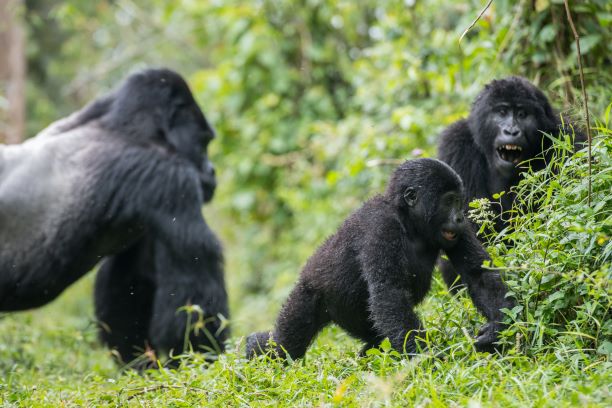
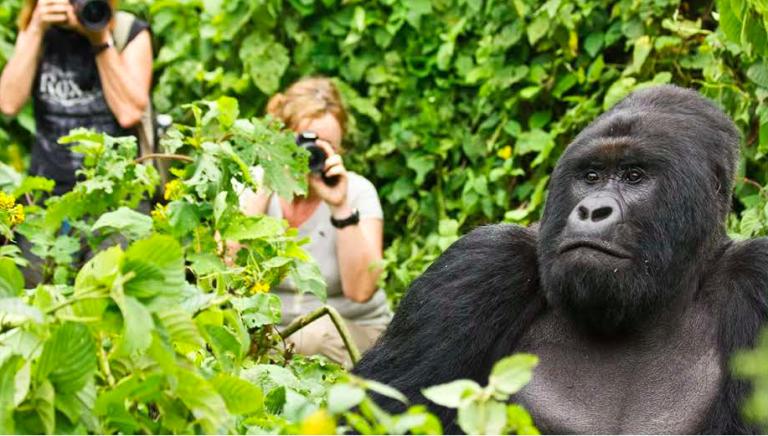
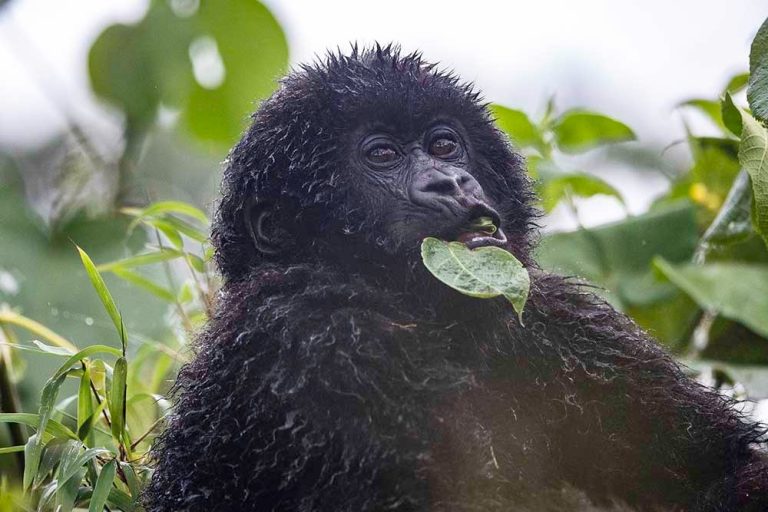
[…] Mubare Gorilla Family: One of Bwindi’s oldest habituated tourism groups, opened to visitors in 1993. […]