+256-702 595 926 | info@bookgorillatracking.com

Bweza Gorilla Family in Bwindi, Uganda | Rushaga Trekking Guide


Bweza Gorilla Family in Bwindi Impenetrable National Park, Uganda
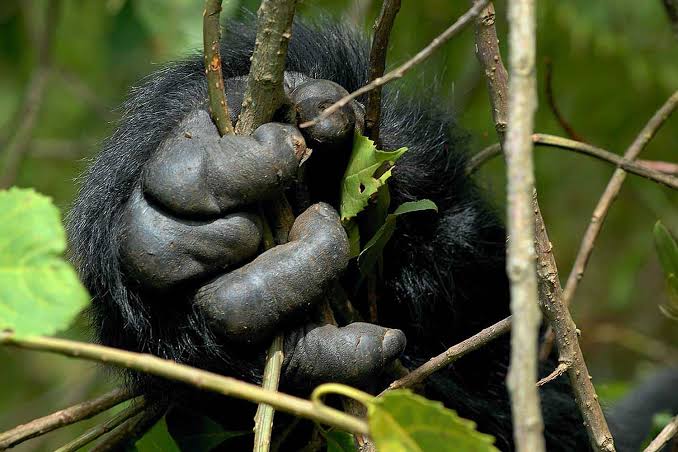
The Bweza Gorilla Family is one of the habituated mountain gorilla groups found in the Rushaga sector of Bwindi Impenetrable National Park in southwestern Uganda. The group is known for its interesting origins, having separated from the historically large Nshongi gorilla family to establish an independent group.
Bweza has an especially interesting leadership history. It was initially led by silverback Kakono, who guided the family after its separation from Nshongi. As Kakono grew older, another silverback, Rurehuka, eventually took over leadership. The group is also notable for frequently foraging on community land adjacent to Bwindi’s forest boundary.
According to the International Gorilla Conservation Programme (IGCP), the Bweza Gorilla Family had 14 members as of 31 January 2024. Its membership included three silverbacks, adult females, younger gorillas and infants.
For visitors planning a Uganda gorilla trekking safari, Bweza offers an opportunity to observe mountain gorillas in their natural habitat while exploring the beautiful forest landscape of southern Bwindi. This guide covers the family’s location, history, membership, leadership and trekking experience.
Where Is the Bweza Gorilla Family Located?
The Bweza Gorilla Family is found in the Rushaga sector of Bwindi Impenetrable National Park, in southwestern Uganda.
Rushaga is located in the southern part of Bwindi, within Kisoro District. It is one of the park’s four main gorilla trekking sectors, together with Buhoma, Ruhija and Nkuringo.
Bwindi is a UNESCO World Heritage Site recognised for its ancient montane forest, exceptional biodiversity and importance as a habitat for endangered mountain gorillas. The forest also supports chimpanzees, forest elephants, monkeys, butterflies and numerous bird species.
Rushaga is an important destination for visitors interested in mountain gorilla trekking. Several habituated gorilla families are monitored in this sector, including Bweza, Nshongi, Mishaya and Busingye.
One interesting feature of the Bweza group is its association with areas close to the forest boundary. According to IGCP, the family likes to forage on community land adjacent to the park. This makes the relationship between wildlife conservation and neighbouring communities particularly relevant to its story.
However, the family’s location changes as its members move in search of food and suitable resting places. Visitors should not assume that the gorillas will be found in a particular location on their trekking date.
History of the Bweza Gorilla Family
The history of the Bweza Gorilla Family is closely connected to the Nshongi gorilla group, which was once among the largest habituated mountain gorilla families in Bwindi.
Bweza originally belonged to the Nshongi group before separating and establishing an independent family. The split was associated with the natural social dynamics of mountain gorillas, particularly relationships and competition among adult males.
Origins in the Nshongi Gorilla Family
The Nshongi group was historically a large multi-male mountain gorilla family. Over time, competition and changes in relationships among its adult males contributed to the separation of some members.
Silverback Mishaya first separated from Nshongi in July 2010 to establish the Mishaya family. Another separation later resulted in the formation of Bweza.
Published accounts differ slightly on the precise timing of Bweza’s separation. IGCP describes the members as detaching from Nshongi in early 2013, while its Nshongi family profile records the split in August 2012. The important point is that Bweza emerged from Nshongi during this period and became an independent group under silverback Kakono.
Formation Under Silverback Kakono
After the separation, Kakono became the founding leader of the Bweza group.
The new family established its own social structure and home range within the Rushaga sector. Its independence was an example of how mountain gorilla families can develop through natural group fissions.
The formation of Bweza also illustrates the changing social organisation of the Nshongi group, whose original membership gradually divided into several separate families.
Leadership Transition from Kakono to Rurehuka
The Bweza family later experienced a change in leadership.
According to IGCP, Kakono had begun showing signs of ageing, creating an opportunity for the younger silverback Rurehuka to take over. The IGCP profile describes Kakono as 37 years old and Rurehuka as 25 at the time of the recorded leadership transition.
Rurehuka subsequently became the group’s leader, while Kakono remained part of the family record.
This transition is an interesting example of how leadership can change within a multi-male mountain gorilla family. Dominant silverbacks play an important role in group protection, movement and social organisation, but their position can change as they age and relationships within the group evolve.
How Many Gorillas Are in the Bweza Gorilla Family?
According to the International Gorilla Conservation Programme, the Bweza Gorilla Family had 14 members as of 31 January 2024.
The published family composition was:
| Gorilla category | Number |
|---|---|
| Silverbacks | 3 |
| Blackback | 1 |
| Adult females | 4 |
| Subadult female | 1 |
| Subadult male | 1 |
| Juveniles | 1 |
| Infants | 3 |
| Total | 14 |
The presence of three silverbacks makes Bweza an interesting example of a multi-male gorilla family. Although Rurehuka is identified as the leader, other adult males are also part of the group’s social structure.
These figures represent IGCP’s recorded composition on 31 January 2024, not a guaranteed current headcount. Mountain gorilla families change naturally through births, deaths, dispersal, immigration and changes in social relationships.
For this reason, older websites may display different membership figures. Always consider the date and source of a population record before describing a group’s size as current.
Who Is the Leader of the Bweza Gorilla Family?
The IGCP family profile identifies Rurehuka as the leader of the Bweza Gorilla Family.
He took over from Kakono after the older silverback began showing signs of ageing. His leadership marks an important chapter in the family’s development since its separation from Nshongi.
Kakono – The Founding Leader
Kakono was the silverback who initially led Bweza after it separated from Nshongi. He helped establish the group’s independent social structure and guided its early development.
His leadership was important during the period when the family was becoming established as a separate habituated group.
As Kakono grew older, however, his position changed, allowing Rurehuka to assume leadership.
Rurehuka – The Successor
Rurehuka succeeded Kakono as the dominant silverback. His leadership is documented in IGCP’s published Bweza family profile.
A dominant silverback generally plays a central role in directing group movements, responding to potential threats and maintaining social cohesion. In a multi-male family such as Bweza, other silverbacks and blackbacks also contribute to the group’s social dynamics.
Leadership can change over time, so published records should be checked for their update dates rather than assuming that a historical leader remains in charge indefinitely.
What Makes the Bweza Gorilla Family Unique?
The Bweza Gorilla Family has several characteristics that make it an interesting group to learn about during a gorilla trekking safari.
1. Its Origin from the Nshongi Family
Bweza originated from the historically large Nshongi gorilla group. Its formation provides an example of how mountain gorilla families can divide into smaller independent groups.
2. Its Multi-Male Social Structure
IGCP’s January 2024 record lists three silverbacks and one blackback among the 14 members. This makes Bweza an interesting group for understanding the social relationships that can exist among adult males in a gorilla family.
3. Its Leadership Transition
The transition from Kakono to Rurehuka is an important part of Bweza’s history. It illustrates how leadership may change as dominant males age and group relationships evolve.
4. Its Association with Community Land
IGCP notes that Bweza frequently forages on community land adjacent to Bwindi. This highlights the connection between the park’s wildlife and neighbouring communities.
Mountain gorillas sometimes move beyond the forest boundary, making cooperation between conservation authorities and local residents important for reducing human-wildlife conflict.
5. Its Location in Rushaga
The Rushaga sector offers a rewarding mountain gorilla trekking experience in southern Bwindi. Visitors can also combine a trek with birdwatching, community activities and excursions to nearby Lake Mutanda.
Gorilla Trekking to See the Bweza Gorilla Family
Gorilla trekking is one of Uganda’s most memorable wildlife experiences. It involves hiking through Bwindi’s forest with trained guides and trackers to locate a habituated mountain gorilla family.
Visitors interested in Bweza should arrange a gorilla trekking permit for the Rushaga sector. However, a Rushaga permit does not guarantee that you will be allocated to this particular family. Uganda Wildlife Authority assigns visitors to a habituated group on the trekking day.
1. Book Your Gorilla Trekking Permit
The first step is to arrange a gorilla trekking permit for Rushaga on your preferred travel date.
Permits are limited because only a small number of visitors are allowed to visit each habituated family during a standard trekking session. Booking early is advisable, particularly during busy travel periods.
When arranging your safari, tell your tour operator that you are interested in visiting Bweza. The operator can advise you about the available permits and booking arrangements. However, the final family allocation is made by Uganda Wildlife Authority.
2. Attend the Morning Briefing
Your trekking day begins with an early-morning briefing at the Rushaga visitor information centre or designated briefing point.
Rangers explain the trekking procedures, safety precautions and rules for observing mountain gorillas. Visitors are organised into trekking groups and allocated to available habituated families.
During the briefing, inform your guide about any physical limitations that could affect your ability to walk through the forest.
3. Begin the Forest Trek
After the briefing, you enter Bwindi accompanied by an authorised guide and trackers.
Trackers help locate the gorillas by following signs such as feeding remains, nests, footprints and fresh movements. They communicate with the guides to help determine the appropriate route towards the family.
The terrain in Rushaga can be steep, muddy and uneven. Some trails pass through thick vegetation, while others involve climbing or descending forested hillsides.
Wear suitable hiking boots and prepare for a physically demanding walk. You may also hire a local porter to carry your backpack and assist you on difficult sections of the trail.
4. Observe the Bweza Gorilla Family
Once the gorillas are located, your guide explains how to approach and behave around the family.
You may see the dominant silverback Rurehuka, other adult males, females and younger gorillas. Depending on the family’s activities, you might observe individuals feeding, resting, grooming, playing or interacting socially.
Because Bweza is known to forage on community land adjacent to the park, its movements can take it through areas near the forest boundary. However, the actual location on your trekking day cannot be predicted.
Visitors on a standard gorilla trekking experience are allowed a maximum of one hour with the habituated family. This limit helps reduce disturbance and protects the gorillas.
5. Return from the Forest
After the viewing session, your guide leads the group back towards the starting point.
The return journey may take time depending on the terrain, weather and distance covered. Once you reach the visitor centre, you can return to your lodge or continue with other activities around Rushaga and Kisoro.
How Long Does It Take to Trek the Bweza Gorilla Family?
The time required to find the Bweza Gorilla Family depends on where the gorillas are located on the trekking day.
Mountain gorillas move through the forest in search of food and suitable resting places. This means one trek may be relatively short, while another may require several hours of hiking.
Uganda Wildlife Authority indicates that gorilla treks can take approximately two to seven hours, depending on the location of the family and forest conditions.
Once the gorillas are found, visitors on a standard trekking experience are allowed up to one hour to observe them.
It is advisable to reserve most of the morning or a larger part of the day for the trek rather than planning a tightly scheduled activity immediately afterwards.
Can You Specifically Book the Bweza Gorilla Family?
You can book a gorilla trekking permit for the Rushaga sector and express your interest in visiting Bweza. However, you cannot guarantee allocation to this particular family.
Uganda Wildlife Authority allocates visitors to specific habituated gorilla families on the trekking day. Permits are booked according to the date and designated entry point rather than as a guarantee of visiting a named family.
This arrangement takes account of the gorillas’ movements and the park’s operational procedures.
If Bweza is your preferred family, tell your tour operator when making your booking. They can explain the available options, but the final allocation remains subject to UWA procedures.
Gorilla Trekking Rules and Regulations in Bwindi
Mountain gorillas are endangered and vulnerable to human diseases and disturbance. Visitors must follow Uganda Wildlife Authority’s rules and the instructions of their guides and rangers.
Important guidelines include:
- The minimum age for gorilla trekking in Uganda is 15 years.
- A maximum of eight visitors may visit a habituated gorilla family during a standard trekking session.
- The maximum viewing time is one hour.
- Do not trek if you have a cold, flu or another contagious illness.
- Follow the ranger’s instructions about the appropriate distance from the gorillas.
- Never touch the gorillas, even if one approaches you.
- Avoid loud noises, sudden movements and actions that may disturb the animals.
- Flash photography is not permitted.
- Do not eat, drink or smoke while observing the gorillas.
- If you need to cough or sneeze, cover your mouth and nose and turn away from the gorillas.
- Do not leave rubbish in the forest.
- Remain with your trekking group and follow your guide’s instructions.
These measures protect both visitors and gorillas. Always follow the latest instructions provided during the official briefing.
Best Time to Trek the Bweza Gorilla Family
Gorilla trekking in Bwindi is available throughout the year. However, some months are generally more favourable for visitors who prefer relatively drier forest trails.
Dry Seasons: June to August and December to February
These periods are commonly considered favourable for gorilla trekking because the trails may be less muddy and walking conditions can be more manageable.
They are also popular travel periods, so it is advisable to arrange permits and accommodation well in advance.
Rainier Seasons: March to May and September to November
Bwindi receives rainfall throughout the year, and the wetter periods can bring muddy and slippery trails.
Although trekking may be more challenging, the forest remains lush and beautiful. Visitors can still enjoy gorilla trekking with suitable clothing, footwear and preparation.
The best time for your visit ultimately depends on your travel schedule, budget and preference for forest conditions.
What to Pack for Bweza Gorilla Trekking
The forest environment can be wet, cool and physically demanding. Packing suitable clothing and equipment helps make the trek more comfortable.
Recommended items include:
- Waterproof hiking boots with good grip.
- Long trousers and long-sleeved shirts.
- A lightweight waterproof jacket or raincoat.
- Gardening gloves to protect your hands when holding vegetation.
- A small backpack for personal belongings.
- Drinking water for the trek, consumed away from the gorillas.
- Snacks to eat away from the gorillas and only when permitted.
- A camera with flash switched off.
- Extra camera batteries and memory cards.
- Sunscreen and insect repellent.
- A walking stick, which may be available through your lodge or at the park.
- Personal medication and basic first-aid supplies.
You may also hire a local porter to carry your backpack and assist you on difficult sections of the trail. This provides practical support while creating income opportunities for people living around the park.
Other Activities Around Rushaga
A gorilla trekking safari in Rushaga can be combined with other experiences in southwestern Uganda.
Gorilla Habituation Experience
Rushaga is an important location for the Gorilla Habituation Experience. This activity allows a limited number of visitors to accompany researchers and habituation teams as they work with gorillas that are still becoming accustomed to human presence.
Unlike standard gorilla trekking, the habituation experience allows a longer period with the gorillas, subject to applicable rules and permit conditions.
Lake Mutanda
Lake Mutanda is a scenic freshwater lake near Kisoro, surrounded by green hills and views of the Virunga Volcanoes. Visitors can enjoy canoeing, boat excursions, birdwatching and relaxation along its shores.
Batwa Cultural Experiences
Community-led Batwa experiences provide an opportunity to learn about the traditional forest knowledge, history and cultural heritage of the Batwa people. Choose responsible activities that respect local communities and support their participation in tourism.
Birdwatching
Bwindi is an important birding destination, with numerous forest species and birds associated with the Albertine Rift. Visitors can arrange guided birdwatching walks around the forest and surrounding areas.
Guided Forest Walks
Nature walks offer opportunities to explore Bwindi’s vegetation, learn about the forest ecosystem and look for smaller wildlife species.
Frequently Asked Questions About the Bweza Gorilla Family
1. Where is the Bweza Gorilla Family found?
The Bweza Gorilla Family is found in the Rushaga sector of Bwindi Impenetrable National Park in southwestern Uganda.
2. When was the Bweza Gorilla Family formed?
The family separated from the Nshongi gorilla group in 2012 or early 2013, depending on the historical record being consulted. It subsequently established itself as an independent group under silverback Kakono.
3. Who founded the Bweza Gorilla Family?
The group was initially led by silverback Kakono after its separation from Nshongi.
4. Who is the leader of the Bweza Gorilla Family?
The IGCP family profile identifies Rurehuka as the group’s leader. He took over from Kakono after the older silverback began showing signs of ageing.
5. How many gorillas are in the Bweza family?
IGCP recorded 14 members as of 31 January 2024. The group composition may have changed since that date.
6. Why is the Bweza Gorilla Family interesting?
Its history of separation from Nshongi, leadership transition from Kakono to Rurehuka, multi-male social structure and association with community land make it an interesting group to learn about.
7. How long does it take to trek the Bweza Gorilla Family?
The trek may take approximately two to seven hours, depending on the gorillas’ location and forest conditions. Visitors are allowed up to one hour with the family during a standard trekking experience.
8. Can I book a permit specifically for Bweza?
You can book a permit for the Rushaga sector and express your interest in Bweza, but UWA allocates visitors to specific habituated families on the trekking day. A visit to this particular group cannot be guaranteed.
9. What is the minimum age for gorilla trekking in Uganda?
The minimum age is 15 years. Visitors must also follow all park rules and ranger instructions.
10. Can I combine Bweza gorilla trekking with other Uganda activities?
Yes. You can combine a gorilla trek in Rushaga with the Gorilla Habituation Experience, birdwatching, Lake Mutanda, Batwa cultural activities and other destinations in southwestern Uganda.
Book Your Bweza Gorilla Trekking Safari in Uganda
The Bweza Gorilla Family has an interesting conservation history, from its origins in the Nshongi group to the leadership of Kakono and the subsequent transition to Rurehuka. Its multi-male social structure and movements near the forest boundary make it a fascinating group to learn about during a visit to Bwindi.
If you are planning to explore Rushaga, Book Gorilla Tracking can help you organise your gorilla trekking permit, accommodation, transport and a customised Uganda safari itinerary.
Contact our team to check permit availability for your preferred travel dates and plan your journey to Bwindi Impenetrable National Park. Whether you are interested in gorilla trekking, birdwatching or exploring the communities around the forest, we can help you arrange a memorable Uganda wildlife experience.
[…] to have six gorilla families available for standard gorilla trekking, namely Nshongi, Mishaya, Bweza, Kahungye, Busingye and Rwigi. In addition, the sector is home to groups associated with […]