+256-702 595 926 | info@bookgorillatracking.com

Entebbe Wildlife Conservation Education Centre Guide


Entebbe Wildlife Conservation Education Centre: Animals, Activities and Visitor Guide
The Entebbe Wildlife Conservation Education Centre, officially known as the Uganda Wildlife Conservation Education Centre (UWEC), is one of Uganda’s leading wildlife attractions. Located on the shores of Lake Victoria in Entebbe, the centre offers visitors an opportunity to discover Uganda’s wildlife, learn about conservation, and understand the importance of protecting endangered animal species and their natural habitats.
Popularly known as Entebbe Zoo, the centre goes beyond traditional animal viewing. It combines wildlife education, animal rescue, conservation awareness, research, and recreational activities, making it an excellent destination for families, school groups, nature enthusiasts, and international travelers.
For visitors arriving at Entebbe International Airport, the centre is a convenient introduction to Uganda’s natural heritage before continuing to destinations such as Bwindi Impenetrable National Park, Queen Elizabeth National Park, Murchison Falls National Park, or Kibale National Park.
At Raptors Africa Safaris, we encourage travelers to explore Uganda beyond its famous national parks. A visit to the Entebbe Wildlife Conservation Education Centre can be a meaningful addition to a Uganda safari, especially for visitors interested in wildlife, conservation, and educational travel.
Where Is Entebbe Wildlife Conservation Education Centre Located?
The Uganda Wildlife Conservation Education Centre is located at Plot 56/57 Lugard Avenue in Entebbe, Uganda, near the shores of Lake Victoria.
Entebbe is a major entry point for international visitors and is situated southwest of Kampala, Uganda’s capital city. The centre is easily incorporated into an Entebbe city tour, an airport transfer itinerary, or a longer Uganda safari.
Its location makes it particularly convenient for travelers who have a few hours available before an international flight or who want to explore local attractions before beginning a wildlife safari.
What Is the Uganda Wildlife Conservation Education Centre?
The Uganda Wildlife Conservation Education Centre was established in 1952 as a facility for receiving injured, orphaned, and confiscated wild animals. Over time, it developed into a broader wildlife conservation and education institution.
Today, UWEC combines animal care and wildlife education with conservation outreach, research, and awareness programmes. Its goal is to help visitors understand Uganda’s biodiversity and encourage responsible attitudes toward wildlife and the environment.
The centre also provides opportunities for people to learn about the challenges facing wild animals, including habitat destruction, illegal wildlife trafficking, and human-wildlife conflict.
Unlike a conventional zoo focused primarily on displaying animals, UWEC places significant emphasis on conservation education and helping visitors understand the ecological importance of the species in its care.
Animals to See at Entebbe Wildlife Conservation Education Centre
A visit to UWEC provides opportunities to learn about a variety of African wildlife species. The animals available for viewing may change depending on animal welfare requirements, rehabilitation programmes, and the centre’s current collection.
1. Lions
Lions are among Africa’s most recognizable carnivores and play an important role in maintaining ecological balance within savannah ecosystems.
At UWEC, visitors can learn about lion behavior, feeding habits, social structures, and the conservation challenges facing wild populations. The experience is particularly valuable for travelers who want to understand more about the predators they may encounter during game drives in Uganda’s national parks.
2. African Elephants
African elephants are remarkable mammals known for their intelligence, social relationships, and important role in shaping their environments.
Educational experiences involving elephants can help visitors understand their feeding behavior, movement patterns, and ecological importance. Conservation discussions also highlight threats such as habitat loss, poaching, and conflicts between people and wildlife.
3. Chimpanzees
Chimpanzees are among humanity’s closest living relatives and are known for their intelligence, social behavior, and ability to use tools.
Visitors can learn about chimpanzee communication, family groups, forest habitats, and the conservation challenges affecting wild populations.
For travelers interested in primates, a visit to UWEC can provide useful background before embarking on chimpanzee tracking in Kibale National Park or gorilla trekking in southwestern Uganda.
Special chimpanzee experiences may require advance reservations and must follow the centre’s current health, safety, and animal-welfare requirements.
4. Giraffes
Giraffes are distinctive African mammals recognized for their long necks, patterned coats, and browsing habits.
Learning about giraffes helps visitors understand how animals adapt to different feeding opportunities and habitats. Their role in African ecosystems also illustrates the importance of protecting the landscapes that support large herbivores and other wildlife.
5. Rhinoceroses
Rhinoceroses are among Africa’s most threatened large mammals and are important symbols of wildlife conservation.
Educational encounters can introduce visitors to rhino biology, habitat needs, and the threats posed by illegal wildlife trafficking.
Travelers interested in seeing rhinos in Uganda’s conservation and safari settings may also consider Ziwa Rhino Sanctuary, subject to current visitor arrangements.
6. The Shoebill and Other Birds
Uganda is an exceptional destination for birdwatching, and the shoebill is one of its most sought-after bird species.
UWEC provides opportunities to learn about birds, their adaptations, and the importance of conserving wetlands and other habitats. The shoebill is especially interesting because of its unusual appearance and association with papyrus swamps.
Visitors interested in seeing shoebills in their natural habitat can consider a guided excursion to Mabamba Wetland, depending on their itinerary and current birding conditions.
Top Things to Do at Entebbe Wildlife Conservation Education Centre
1. Enjoy a Wildlife Viewing Tour
A general visit allows you to explore the centre and observe the animals in its care.
Visitors can learn about different species, their habitats, feeding behavior, and conservation needs. Guided interpretation can make the experience more informative, especially for first-time visitors to Uganda.
Allow enough time to explore at a comfortable pace and follow all instructions provided by animal-care staff.
2. Experience a Guided Forest Walk
The centre offers forest trail experiences that introduce visitors to the natural environment within its grounds.
Depending on the available programme, visitors may encounter free-ranging birds, butterflies, mammals, and other small wildlife while learning about indigenous plants and their ecological value.
The forest trail is a useful option for nature lovers who want to combine animal viewing with a peaceful outdoor experience.
3. Learn About Wildlife Rescue and Rehabilitation
Wildlife rescue is an important part of UWEC’s work. Animals may be received after being injured, orphaned, confiscated from illegal trade, or affected by other threats.
Learning about these cases helps visitors understand why conservation institutions are necessary and how veterinary care, rehabilitation, public awareness, and partnerships can support wildlife protection.
The centre’s work also illustrates the importance of preventing wildlife trafficking and reducing activities that threaten natural habitats.
4. Participate in Special Visitor Experiences
UWEC offers special programmes that may include behind-the-scenes experiences, chimpanzee-related activities, and opportunities to learn more about animal care.
These experiences can provide additional insight into the work of animal keepers, veterinarians, and conservation educators.
Availability, eligibility, prices, and booking requirements vary by programme. Contact the centre in advance if a particular activity is important to your itinerary.
5. Visit with Children or School Groups
The centre is a valuable destination for families and educational groups.
Children can discover different animal species, learn about biodiversity, and develop a better understanding of the relationship between humans, wildlife, and the environment.
Schools can also use visits to complement lessons in biology, environmental studies, geography, and conservation.
6. Enjoy the Centre’s Recreational Facilities
In addition to wildlife experiences, UWEC promotes leisure activities for visitors. Depending on current availability, facilities may include a restaurant, children’s play areas, and access to a lakeside beach area.
These amenities can make the centre a convenient day-out destination for families and travelers staying in Entebbe.
Why Is Entebbe Wildlife Conservation Education Centre Important for Uganda?
Wildlife Conservation Education
Conservation education helps people understand why wild animals and their habitats need protection. By providing opportunities to observe animals and learn from educational programmes, UWEC encourages visitors to appreciate Uganda’s natural heritage.
Animal Rescue and Care
The centre has a history of receiving animals that need assistance, including injured wildlife and animals confiscated from illegal trade. Animal-care teams provide appropriate care and work within conservation and animal-welfare programmes.
Where rehabilitation and release are appropriate, decisions depend on the animal’s condition, species, and professional assessment.
Environmental Awareness
Wildlife depends on healthy ecosystems, including forests, wetlands, grasslands, and freshwater environments.
Through education and outreach, the centre helps visitors understand how pollution, habitat destruction, and unsustainable activities affect biodiversity.
Supporting Responsible Tourism
A visit to UWEC provides an opportunity to support wildlife education while learning about responsible tourism.
Visitors can contribute by following animal-welfare guidelines, respecting staff instructions, avoiding the feeding or disturbance of animals unless explicitly authorized, and supporting legitimate conservation initiatives.
Entebbe Wildlife Conservation Education Centre Entrance Fees
Entrance fees vary according to visitor category, age, and the type of experience selected.
The centre’s published day-visit rates have included the following categories:
- East African adults and children.
- Foreign residents living in Uganda.
- International visitors.
- School groups and educational institutions.
- Visitors booking special experiences.
Fees and programme prices may change, so it is advisable to check the official rates before visiting.
For current information, visit the official UWEC rates page: https://uwec.ug/our-rates/.
Special activities may have separate fees and reservation requirements.
Entebbe Wildlife Conservation Education Centre Opening Hours
UWEC lists its general opening hours as 8:30 a.m. to 6:30 p.m., Monday to Sunday on its official website.
Opening arrangements and special programme schedules can change. Confirm the current hours before traveling, especially if you plan to visit immediately before a flight or combine the centre with other activities.
For general visitor enquiries and reservations, the official website lists the following contact details:
- Telephone: +256 414 320 520
- Address: Plot 56/57 Lugard Avenue, Entebbe, Uganda
- Website: https://uwec.ug/
Best Time to Visit Entebbe Wildlife Conservation Education Centre
The centre can be visited throughout the year, making it a convenient attraction for visitors arriving in Uganda during different seasons.
Morning visits can be a good choice for travelers who prefer to begin their day early and allow enough time to explore the exhibits and participate in available activities.
The dry seasons are often convenient for combining the centre with outdoor excursions around Entebbe and Lake Victoria. However, the centre remains an option during rainy periods, provided visitors prepare for the weather.
If you are planning a broader Uganda safari, consider the timing of your wildlife activities, accommodation bookings, and onward transfers when scheduling your visit.
Other Attractions to Visit Near Entebbe Wildlife Conservation Education Centre
Entebbe offers several attractions that can be combined with a visit to UWEC.
1. Mabamba Wetland
Mabamba Wetland is a renowned birdwatching destination on the northern shores of Lake Victoria, particularly famous for shoebill sightings.
A guided canoe excursion through the wetland offers opportunities to observe wetland birds and learn about the importance of conserving papyrus habitats.
Bird sightings depend on seasonal and local conditions, so encounters with specific species cannot be guaranteed.
2. Entebbe Botanical Gardens
The Entebbe Botanical Gardens provide a relaxing setting for walking, birdwatching, and learning about plant life.
The gardens are particularly appealing to visitors who enjoy nature photography and want to explore another side of Entebbe’s biodiversity.
3. Lake Victoria
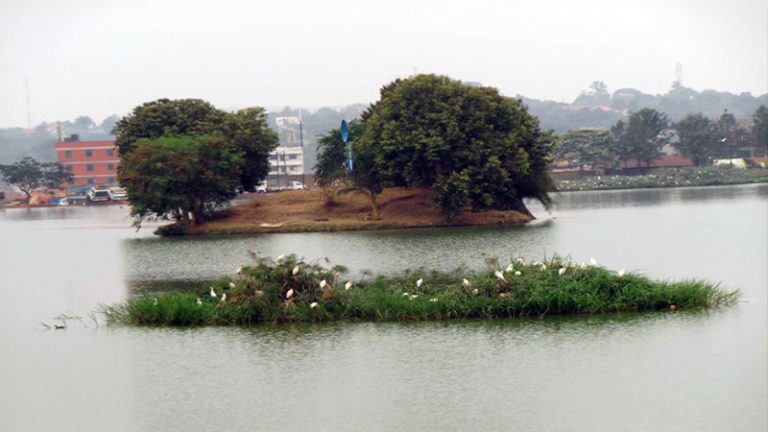
Lake Victoria offers opportunities for lakeside relaxation, scenic views, and selected boat excursions.
Visitors can incorporate time by the lake into a half-day or full-day Entebbe itinerary, depending on their interests and the available activities.
4. Ngamba Island Chimpanzee Sanctuary
Ngamba Island Chimpanzee Sanctuary is a separate conservation destination on Lake Victoria that provides care for rescued and orphaned chimpanzees.
Visits require advance planning, including confirmation of boat transfers, schedules, and available activities. It can be a valuable addition for travelers particularly interested in primate conservation.
5. Kampala City
Travelers with additional time can continue to Kampala to explore its markets, cultural landmarks, religious sites, and urban attractions.
A combined Entebbe and Kampala itinerary offers a broader introduction to Uganda’s history, culture, and daily life before a safari to the country’s national parks.
How to Include Entebbe Wildlife Conservation Education Centre in a Uganda Safari
UWEC is easy to incorporate into different Uganda travel itineraries.
Half-day Entebbe excursion: Visit the centre and explore selected attractions around Entebbe.
One-day Entebbe tour: Combine UWEC with the Botanical Gardens, a lakeside activity, or another attraction, depending on opening times and transport arrangements.
Uganda safari arrival itinerary: Visit the centre after arriving in Entebbe or before continuing to another destination, allowing enough time for immigration, luggage collection, and transfers.
Primate and wildlife safari: Combine a UWEC visit with chimpanzee tracking in Kibale National Park, wildlife viewing in Queen Elizabeth National Park, or gorilla trekking in Bwindi Impenetrable National Park.
For travelers arriving on late flights or departing early, it is generally better to schedule the visit separately rather than risk missing a flight or a time-sensitive safari activity.
Why Visit Entebbe Wildlife Conservation Education Centre with Raptors Africa Safaris?
At Raptors Africa Safaris, we help travelers discover Uganda through tailor-made wildlife safaris, primate encounters, cultural experiences, and nature excursions.
A visit to the Entebbe Wildlife Conservation Education Centre can be included in a personalized itinerary based on your arrival time, interests, accommodation, and onward travel plans.
Whether you want a short Entebbe excursion, a family-friendly wildlife experience, or a longer journey combining chimpanzee tracking and gorilla trekking, we can help you organize a practical itinerary.
Our goal is to help visitors experience Uganda’s wildlife and natural heritage while appreciating the importance of responsible tourism and conservation.
Visit https://www.bookgorillatracking.com/ to explore gorilla trekking opportunities and inquire about your Uganda safari.
Frequently Asked Questions About Entebbe Wildlife Conservation Education Centre
1. What is Entebbe Wildlife Conservation Education Centre?
It is a Ugandan wildlife conservation and education institution commonly known as Entebbe Zoo. It provides wildlife viewing and educational experiences while supporting animal care, conservation awareness, research, and outreach.
2. Where is Entebbe Wildlife Conservation Education Centre located?
The centre is located at Plot 56/57 Lugard Avenue in Entebbe, Uganda, near Lake Victoria.
3. Which animals can I see at UWEC?
The centre cares for a variety of wildlife, with species that may include lions, elephants, chimpanzees, giraffes, rhinoceroses, birds, and other animals. The exact collection available for viewing can change.
4. How much is the entrance fee?
Entrance fees depend on visitor category and the selected activity. Check the official rates page at https://uwec.ug/our-rates/ for current prices before your visit.
5. How long should I spend at the centre?
A half-day visit is a practical option for many travelers. Visitors interested in guided activities, educational experiences, or a more relaxed outing may prefer to allow additional time.
6. Is the centre suitable for children?
Yes. The centre offers wildlife education opportunities that can be valuable for families and children. Visitors should supervise children and follow all animal-welfare and safety instructions.
7. Can I visit UWEC before a flight from Entebbe International Airport?
Yes, provided your schedule allows enough time. Account for traffic, airport check-in requirements, and the time needed to return to the airport. Confirm opening hours and your flight arrangements before planning the visit.
8. Can I combine UWEC with gorilla trekking in Uganda?
Yes. You can visit UWEC in Entebbe before or after a gorilla trekking safari, depending on your flight schedule. Gorilla trekking requires a separate permit and travel arrangements to the designated national park.
9. What is the difference between UWEC and a national park?
UWEC is a conservation education facility where visitors learn about animals in its care. National parks protect larger natural ecosystems where visitors can experience wildlife in the wild through activities such as game drives, guided walks, and primate tracking.
Plan Your Entebbe Wildlife Visit with Raptors Africa Safaris
The Entebbe Wildlife Conservation Education Centre is an excellent place to begin discovering Uganda’s wildlife. Through animal encounters, educational activities, and conservation awareness, the centre introduces visitors to the importance of protecting the country’s remarkable biodiversity.
Its convenient location makes it an appealing addition to an Entebbe city tour or a longer Uganda safari.
Plan your Uganda adventure with Raptors Africa Safaris. Visit www.bookgorillatracking.com to inquire about gorilla trekking, wildlife safaris, and tailor-made travel experiences across Uganda and East Africa.

[…] cultural experiences around central Uganda or use it as part of a journey connecting Kampala and Entebbe with other […]