+256-702 595 926 | info@bookgorillatracking.com

Eastern Lowland Gorilla Trekking in Congo: Cost & Guide

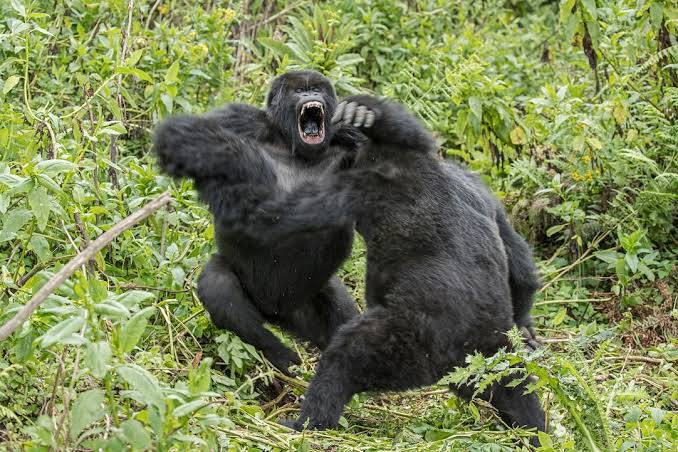
Eastern Lowland Gorilla Trekking in Congo: Permits, Costs, How to Get There and Travel Guide
Eastern lowland gorilla trekking in the Democratic Republic of Congo (DRC) is a remarkable wildlife experience for travellers interested in great apes, rainforest conservation and off-the-beaten-path African adventures. The eastern lowland gorilla, also known as Grauer’s gorilla, is the largest of the four recognised gorilla subspecies.
The best-known destination for seeing these gorillas in the wild is Kahuzi-Biega National Park, near Bukavu in eastern DRC. The park protects montane and lowland rainforest, exceptional biodiversity and one of the world’s most important habitats for eastern lowland gorillas.
However, anyone planning a trip must understand the current situation: tourism at Kahuzi-Biega has been reported as suspended because of insecurity in South Kivu. The park’s official information and travel advisories should be checked before making any bookings. This guide explains the traditional trekking experience, historical prices, travel logistics and safety considerations without suggesting that a trek is currently available.
Is Eastern Lowland Gorilla Trekking in Congo Currently Available?
As of October 2026, travellers should not assume that eastern lowland gorilla trekking at Kahuzi-Biega is open. The park has published notices indicating that tourism activities are suspended, while the UK Foreign, Commonwealth & Development Office advises against all travel to South Kivu because of the security situation.
Before arranging a safari, check the official Kahuzi-Biega National Park website and the latest DRC travel advice.
Do not pay for permits, accommodation or transport based on old tour listings that do not confirm current operations.
How Much Does Eastern Lowland Gorilla Trekking Cost?
The main cost of a gorilla trek is usually the gorilla-tracking permit. Other expenses may include transport, accommodation, meals, park-related charges, visas, insurance and the services of a tour operator.
Historical gorilla-tracking permit price
Older tourism information has quoted an eastern lowland gorilla permit at approximately US$400 per person at Kahuzi-Biega National Park. This is a historical reference only, not a verified current tariff. Because tourism has been suspended, a current permit price and availability cannot be confirmed.
| Safari expense | What to know |
|---|---|
| Gorilla-tracking permit | Historical listings quoted about US$400 per person; not a confirmed current rate |
| Transport | Depends on the starting point, vehicle, road conditions and whether a private driver is required |
| Accommodation | Depends on the property, comfort level and availability |
| Meals | May be included in accommodation or safari packages |
| Visa and border costs | Depend on nationality, entry route and current regulations |
| Travel insurance | Must cover the destination and planned activities; check exclusions carefully |
| Porter services and tips | May be additional costs if trekking resumes and these services are available |
What does a gorilla safari package include?
When the park is officially open and permits are available, a properly itemised package may include:
- Gorilla-tracking permit, where confirmed.
- Transfers from the agreed pickup point.
- Accommodation and meals according to the itinerary.
- A driver-guide and local transport.
- Assistance with border procedures, where applicable.
- Pre-trip information about clothing, fitness and trekking rules.
Always request a written quotation showing what is included and excluded. Do not assume that a historical permit price covers park entry, transport, accommodation or other expenses.
Where Can You See Eastern Lowland Gorillas in Congo?
Kahuzi-Biega National Park is the principal destination associated with eastern lowland gorilla trekking. It lies in South Kivu, near the city of Bukavu, and includes both montane and lowland forest habitats.
The park is internationally recognised for its conservation importance. Eastern lowland gorillas are different from mountain gorillas, which are associated with destinations such as Bwindi Impenetrable National Park and Mgahinga Gorilla National Park in Uganda, and Volcanoes National Park in Rwanda.
Kahuzi-Biega has historically been the best-known place for visitors to track eastern lowland gorillas in their natural habitat. Nevertheless, its current operational status must be confirmed before travel.
What Is the Difference Between Eastern Lowland and Mountain Gorillas?
Both are great apes, but they belong to different gorilla subspecies and occupy different habitats.
| Feature | Eastern lowland gorilla | Mountain gorilla |
|---|---|---|
| Scientific name | Gorilla beringei graueri | Gorilla beringei beringei |
| Main habitat | Lowland and montane forests of eastern DRC | Montane forests of the Virunga region and Bwindi |
| Best-known trekking destination | Kahuzi-Biega National Park, DRC | Uganda’s Bwindi and Mgahinga; Rwanda’s Volcanoes National Park |
| Physical characteristics | Generally larger-bodied, with a stockier build | Adapted to colder, higher-altitude forest environments |
| Trekking conditions | Forest hiking, with difficulty depending on terrain and gorilla location | Forest hiking, with difficulty depending on terrain and gorilla location |
Both experiences require patience, respect for wildlife and compliance with conservation rules. Neither guarantees a particular viewing distance or a specific duration of hiking.
What to Expect During an Eastern Lowland Gorilla Trek
When tracking is officially operating, the experience generally begins with a briefing from park personnel. Visitors are informed about the rules, safety precautions and conduct required when approaching gorillas.
1. Registration and briefing
Visitors traditionally gather at the designated park headquarters or briefing point. Rangers explain the trekking procedure and assign visitors to the relevant tracking arrangements.
Arrive at the time confirmed by the park or tour operator. Carry the required identification and permit documentation.
2. Hiking through the forest
The trek involves walking through forest terrain in search of a gorilla group. The duration and difficulty can vary depending on the gorillas’ location, the terrain, weather and trail conditions.
The forest may be humid, muddy, steep or slippery. Visitors should be prepared for uneven ground and periods of physical exertion.
3. Observing the gorillas
When a group is located, visitors must follow the ranger’s instructions and observe from the distance required by the current park rules.
Gorillas may feed, rest, move through vegetation, groom one another or interact within their family group. Sightings are wildlife encounters rather than staged performances, so the animals’ behaviour and visibility cannot be guaranteed.
Historical visitor guidance has described a limited observation period, commonly around one hour, but travellers must confirm the rules that apply if and when the park reopens.
4. Returning from the trek
After the observation period, the group follows its guides back through the forest. Depending on the route and conditions, the return walk may be physically demanding.
Allow enough time for the full excursion rather than planning another activity immediately afterward.
How Difficult Is Eastern Lowland Gorilla Trekking?
The trek can be moderately demanding or strenuous. Difficulty depends on the location of the gorillas, the route selected by the tracking team, elevation, rain and ground conditions.
You should be comfortable walking for several hours over uneven terrain. There may be muddy slopes, exposed roots, thick vegetation and sections where progress is slow.
For a more comfortable experience:
- Begin regular walking or hiking preparation before your trip.
- Wear sturdy hiking boots with good grip.
- Carry enough drinking water.
- Bring a waterproof jacket and protect electronic equipment from rain.
- Tell the tour operator about mobility limitations before planning a trek.
- Consider hiring a porter if the park is open and porter services are officially available.
A good level of fitness helps, but it does not eliminate the challenges of rainforest terrain.
What to Pack for Eastern Lowland Gorilla Trekking
If trekking resumes, suitable clothing and equipment will make the forest hike more comfortable.
Recommended items include:
- Waterproof hiking boots with good traction.
- Long trousers and long-sleeved shirts.
- A lightweight waterproof jacket or raincoat.
- Gardening or hiking gloves for handling vegetation where permitted.
- A small backpack.
- Drinking water and suitable snacks, following park guidance.
- Insect repellent.
- Sunscreen for travel outside the forest.
- A camera with a quiet operating mode and an extra battery.
- Waterproof protection for phones, cameras and documents.
- Personal medication and basic first-aid supplies.
Avoid bright or noisy clothing if the park’s current guidance recommends muted colours. Follow all instructions on camera use, flash photography and proximity to wildlife.
What Are the Rules for Eastern Lowland Gorilla Tracking?
Gorilla trekking is a conservation activity, not simply a wildlife-viewing excursion. Rules help protect visitors, gorillas and the forest.
When trekking is permitted, follow the official instructions in force at the time. Common gorilla-viewing principles include:
- Stay with your authorised ranger or guide.
- Keep the required distance from gorillas.
- Do not touch, feed or attempt to attract the animals.
- Avoid sudden movements, loud talking and unnecessary noise.
- Never use flash photography unless the authorities explicitly permit it.
- Do not leave litter in the forest.
- Follow instructions about coughing, sneezing, masks and other disease-prevention measures.
- Inform the responsible authorities if you feel unwell before the trek.
- Do not attempt to track gorillas independently or enter closed areas.
Exact visitor rules can change. The park’s instructions take priority over older online articles.
How to Get to Kahuzi-Biega National Park
Kahuzi-Biega is near Bukavu in eastern DRC. In the past, visitors commonly used Bukavu as a base before travelling to the park’s Tshivanga visitor area. However, the current security situation significantly affects travel planning.
Option 1: Travel through Bukavu
Historically, visitors could reach Bukavu and continue by road towards the park headquarters at Tshivanga. Older park information described the road journey from Bukavu to Tshivanga as taking roughly one and a half hours, depending on conditions.
This is a historical route description, not a recommendation to travel now. South Kivu is currently subject to severe travel warnings, and road access, border crossings and transport availability may change without notice.
Option 2: Travel from Rwanda
Some historic itineraries approached Bukavu through the Rwanda–DRC border crossing at Rusizi/Ruzizi. Border access and entry requirements can change, and the crossing may close at short notice.
Do not plan a cross-border transfer based on old schedules or assume that a border crossing is operating. Check official government advice and the current status of the crossing before considering any itinerary.
Option 3: Travel from another destination in the DRC
A journey from elsewhere in the DRC may involve domestic transport and additional road transfers. Eastern DRC has serious security and transport challenges, and flights or ground routes may be disrupted.
A route that appears geographically short on a map may be impractical or unsafe. Do not attempt to reach the park through unofficial routes or arrange transport into a closed area.
Flights, road transfers and border formalities
Before any future trip, independently verify:
- Which airports are operating and accepting commercial flights.
- Whether the intended border crossing is open to your nationality and itinerary.
- Current visa and entry requirements.
- Whether road transfers are officially advised and operational.
- Whether the park has authorised tourist access.
- Whether accommodation and emergency assistance are available.
Do not book non-refundable travel until the park’s status and the entire route have been confirmed.
Is Eastern Lowland Gorilla Trekking in Congo Safe?
At present, safety is the most important consideration. Kahuzi-Biega is located in South Kivu, where the security situation has been unstable. The UK Foreign, Commonwealth & Development Office advises against all travel to South Kivu and reports that routes and border crossings can be disrupted. Its advice also warns that travel against official recommendations can affect insurance coverage.
Read the UK government’s current DRC travel advice before making any decisions. Travellers should also consult the official advice issued by their own government.
Do not treat a guide, a tour operator’s reassurance or an old visitor review as proof that an area is safe. A park may have an established history of tourism while current conditions make a visit inadvisable.
Safety checks before planning a future trek
If the park announces a reopening, verify all of the following before paying for a trip:
- The park authority has formally confirmed that tourist visits are permitted.
- Current government travel advice no longer advises against the intended journey, or you have carefully assessed the implications of any warning.
- Your operator is legally established and can provide verifiable contact details.
- The route, border arrangements and transport are confirmed.
- Your insurer explicitly covers the destination, trekking activity and security-related risks relevant to your itinerary.
- You understand the cancellation and refund policy if the park closes again.
No operator can guarantee personal safety in a conflict-affected area. If official advice continues to warn against travel, the prudent decision is to postpone the visit.
Best Time to Visit Kahuzi-Biega National Park
Kahuzi-Biega’s rainforest climate means rain can occur throughout the year. Drier periods have traditionally been considered more comfortable for hiking because paths may be less muddy, while wetter periods can make forest walking more challenging.
However, seasonal weather is secondary to the current security and access situation. There is no useful travel date to recommend while tourism remains suspended or access cannot be confirmed.
If the park reopens, ask the authorities about trail conditions, rainfall, permitted trekking dates and any seasonal changes to operations.
Where to Stay for Eastern Lowland Gorilla Trekking
Bukavu has historically served as a base for travellers visiting Kahuzi-Biega. Accommodation choices in the wider area have included hotels and guesthouses, with the appropriate option depending on budget, comfort requirements and the itinerary.
Do not reserve accommodation simply because a property appears in an old safari itinerary. Confirm that it is operating, that transport is available and that the journey is consistent with current travel advice.
A responsible tour operator should explain the practical arrangements clearly and should not advertise a package as confirmed when the park is closed.
Can You Combine Eastern Lowland Gorilla Trekking With Other Activities?
Historically, travellers interested in eastern DRC have explored options such as Bukavu, Lake Kivu and conservation-related visits. These activities should not be assumed to be accessible or safe under current conditions.
Any future combination itinerary must be checked destination by destination. A place being outside the national park does not automatically mean it is safe to visit.
If your priority is seeing gorillas soon, consider a destination where official authorities confirm that gorilla tourism is operating and where current government travel advice supports your plans. Uganda and Rwanda have established mountain gorilla trekking programmes, but availability, permit prices and travel conditions must still be verified for your dates.
Frequently Asked Questions About Eastern Lowland Gorilla Trekking
1. How much is an eastern lowland gorilla permit in Congo?
Older tourism information quoted approximately US$400 per person for a permit at Kahuzi-Biega. This is a historical figure only; it is not a verified current price. Confirm the park’s operating status and official tariff before making any payment.
Eastern Lowland Gorilla Trekking Fees in Congo
| Activity or service | Published price |
|---|---|
| Eastern lowland gorilla trekking permit — international visitors | US$400 per person |
| Mount Kahuzi or Mount Biega ascent — international visitors | US$100 per person |
| General hiking trails — international visitors | US$35 per person |
| DRC tourist visa, where applicable through the park’s arrangement | US$100 |
2. Is Kahuzi-Biega National Park open to tourists in October 2026?
Available park information indicates that tourism has been suspended because of insecurity in South Kivu. Check the official park website for the latest announcement before planning a visit.
3. How long does an eastern lowland gorilla trek take?
The duration depends on where the gorillas are located, the terrain and weather. Historical visitor information has described hikes lasting several hours, sometimes longer. Any current timing should be confirmed with the park when tourism resumes.
4. How long can visitors stay with the gorillas?
Older guidance commonly described an observation period of around one hour after the gorillas were located. Visitors must follow the rules in force when the park officially reopens.
5. What is the minimum age for gorilla trekking?
Historical Kahuzi-Biega visitor guidance listed a minimum age of 15 years. Confirm the official age requirement and any current conditions directly with the park before making arrangements.
6. Can I travel to Kahuzi-Biega from Kigali?
Historically, some itineraries travelled from Rwanda through the Rusizi/Ruzizi border crossing towards Bukavu. Border operations and security conditions can change at short notice. Do not plan this journey without checking official travel advice, border status and park access.
7. Is eastern lowland gorilla trekking suitable for beginners?
It may be possible for visitors with a reasonable level of fitness, but the forest terrain can be steep, muddy and physically demanding. The difficulty depends on the gorillas’ location and the route. Discuss fitness and mobility needs with the park before booking any future trek.
8. What is the difference between eastern lowland gorilla trekking and mountain gorilla trekking?
Eastern lowland gorillas are a different subspecies from mountain gorillas. Kahuzi-Biega in eastern DRC is the best-known destination associated with eastern lowland gorilla tracking, while mountain gorilla trekking is offered in destinations including Uganda’s Bwindi and Mgahinga and Rwanda’s Volcanoes National Park.
9. Should I pay a deposit for a future Congo gorilla trek?
Do not pay for a trek presented as confirmed while the park is closed or access remains unverified. If tourism resumes, obtain written confirmation from the authorised provider, verify the permit arrangements and understand the refund policy before transferring money.
Plan Your Gorilla Safari Responsibly With Raptors Africa Safaris
Eastern lowland gorillas are among Africa’s most extraordinary primates, and Kahuzi-Biega National Park has an important role in their conservation. A future visit could offer a meaningful opportunity to learn about these great apes and the rainforest ecosystem they depend on.
For now, however, responsible planning means prioritising verified information over promises of availability. Confirm the park’s official reopening, current permit rates, travel advisories, border arrangements and insurance coverage before committing to a trip.
Raptors Africa Safaris encourages travellers to make informed decisions and to choose wildlife experiences that respect conservation rules and current safety conditions.
Contact Raptors Africa Safaris to discuss gorilla-safari alternatives and to review your travel plans. Any itinerary involving Kahuzi-Biega should remain subject to official reopening and verified access.
[…] is one of Africa’s most remarkable destinations for travellers seeking rare wildlife encounters, western lowland gorilla tracking, and immersive rainforest adventures. Located in the northwestern part of the Republic of Congo, […]