+256-702 595 926 | info@bookgorillatracking.com

Lwiro Primate Sanctuary, DR Congo: Chimpanzee Conservation

Lwiro Primate Sanctuary, DR Congo: Things to Do, How to Get There and Safety Guide
Lwiro Primate Sanctuary, officially known as the Lwiro Primate Rehabilitation Centre, is a wildlife conservation facility in South Kivu Province, eastern Democratic Republic of the Congo (DRC). The centre rescues and cares for chimpanzees, monkeys and other wildlife affected by poaching, illegal wildlife trafficking and the exotic pet trade.
Located in Lwiro village, approximately four kilometres from Kahuzi-Biega National Park, the sanctuary is an important part of the region’s primate conservation efforts. Its work combines wildlife rehabilitation, environmental education, scientific research and community engagement.
For travellers researching Congo wildlife tourism, Lwiro offers an opportunity to understand what happens to primates rescued from illegal trade and why protecting wildlife requires both conservation and community involvement.
However, South Kivu is experiencing serious security challenges. This guide explains the sanctuary’s conservation work, its geographical location, historical travel routes and the essential safety information visitors need to understand before considering a future visit.
Where Is Lwiro Primate Sanctuary Located?
Lwiro Primate Sanctuary is situated in Lwiro village, South Kivu Province, in the eastern Democratic Republic of the Congo.
The sanctuary is approximately four kilometres from Kahuzi-Biega National Park, a UNESCO World Heritage Site renowned for its forests and endangered Grauer’s gorillas, also known as eastern lowland gorillas.
Bukavu, the provincial capital, is the nearest major city. The sanctuary’s location has historically made it a potential addition to itineraries exploring Bukavu, Lake Kivu and Kahuzi-Biega National Park.
The region forms part of the Albertine Rift, an area of exceptional biodiversity that supports numerous primates, birds and other wildlife.
Things to Do at Lwiro Primate Sanctuary
Lwiro is primarily a rehabilitation and conservation facility rather than a conventional wildlife park. Its main purpose is to provide appropriate care for rescued animals and contribute to protecting primates in the wild.
Educational visits have historically introduced visitors to the centre’s work. Availability must be confirmed directly, as insecurity has affected tourism and visitor activities in the region.
1. Learn About Chimpanzee Rescue and Rehabilitation
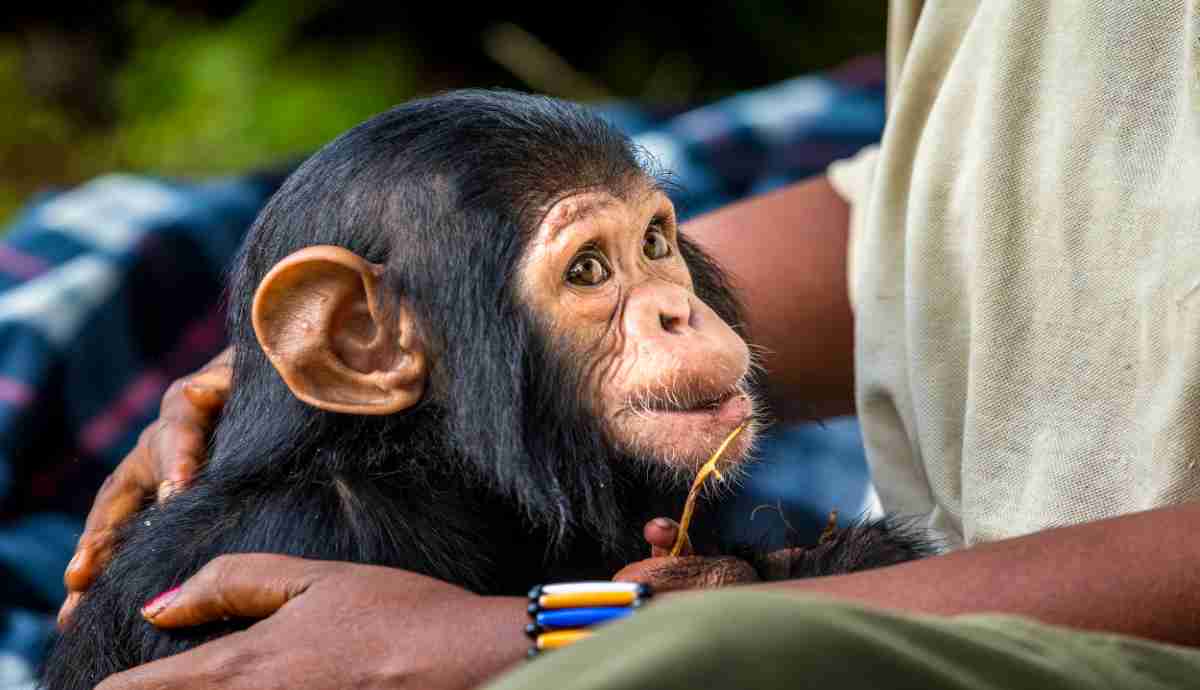
Chimpanzee rescue is one of Lwiro’s principal conservation activities.
Many chimpanzees arrive at the centre as orphans after their mothers have been killed by hunters. Others have been confiscated from illegal wildlife traders or rescued from unsuitable captive conditions.
Young chimpanzees can experience trauma, injuries, malnutrition and behavioural difficulties following separation from their mothers. Their recovery requires specialised veterinary care, appropriate nutrition, careful monitoring and opportunities for suitable social interaction.
Lwiro works to improve the welfare of rescued chimpanzees and, where circumstances permit, support their rehabilitation and potential reintegration into appropriate natural habitats.
Visitors researching the sanctuary can learn why chimpanzees should remain in the wild and why keeping them as pets creates serious animal welfare and conservation problems.
2. Discover Monkey Conservation
In addition to chimpanzees, Lwiro cares for monkeys rescued from poaching and illegal wildlife trafficking.
Different monkey species have different dietary, social and environmental requirements. Rehabilitation therefore involves understanding each animal’s needs and providing appropriate long-term care.
The centre’s work highlights the importance of wildlife rescue facilities in supporting conservation authorities. When illegally traded animals are confiscated, suitable care facilities are needed to ensure their welfare.
For conservation-minded travellers, this work demonstrates how wildlife protection extends beyond national parks to include rescued animals that cannot immediately return to the wild.
3. Understand the Impact of Illegal Wildlife Trade
Illegal wildlife trafficking is a serious threat to primates in Central Africa.
Chimpanzees and monkeys may be captured for the exotic pet trade, while hunting for bushmeat can leave young animals orphaned. The capture and killing of primates can also damage family groups and place additional pressure on wild populations.
Lwiro works with conservation authorities to care for rescued animals and support efforts to combat wildlife trafficking.
Learning about this work helps visitors understand the connection between poaching, habitat protection, law enforcement and animal welfare.
Responsible tourism also means avoiding the purchase of wildlife products and rejecting activities that exploit captive primates for entertainment.
4. Explore Environmental Education and Conservation Awareness
Environmental education is another important part of Lwiro’s mission.
The centre has historically worked with schools and local communities to raise awareness about wildlife protection, responsible environmental practices and the threats facing primates.
These programmes help explain why conserving wildlife requires the participation of people who live near forests and protected areas.
Education can encourage respect for wildlife laws, reduce demand for illegally traded animals and help younger generations understand the importance of biodiversity.
Lwiro’s conservation work also recognises that community welfare and sustainable livelihoods are important elements of long-term environmental protection.
5. Learn About Wildlife Veterinary Care and Research
Rescued primates often require specialised veterinary treatment and long-term monitoring.
Some animals arrive with injuries or illnesses, while others need careful assessment following years of captivity. Their recovery can involve veterinary care, nutrition, behavioural observation and management of their social environments.
Lwiro also supports research, professional training and collaboration with conservation organisations.
These activities contribute to local expertise in wildlife rehabilitation and help strengthen the broader response to illegal wildlife trade.
6. Understand Community-Based Conservation
Protecting wildlife in eastern Congo involves more than rescuing individual animals.
Communities living around forests face challenges related to livelihoods, access to resources and environmental pressures. Conservation programmes that provide education, employment and alternative income opportunities can help address some of the pressures contributing to wildlife exploitation.
Lwiro has reported community development and outreach initiatives alongside its animal rehabilitation work.
Its approach illustrates how wildlife conservation, education and community welfare can complement one another.
Important: The activities described above explain the sanctuary’s conservation work. They should not be interpreted as confirmation that tourist visits, guided tours or visitor programmes are currently available.
How to Get to Lwiro Primate Sanctuary
Lwiro is located near Bukavu in South Kivu Province. Historically, visitors reached the sanctuary by travelling to Bukavu and continuing by road towards Lwiro village and Kahuzi-Biega National Park.
The wider region has also been connected to Rwanda through the Rusizi border area. Kamembe Airport in Rwanda has historically served travellers visiting the Bukavu region.
These routes describe the area’s geographical connections and historical travel arrangements. They are not a recommendation to travel now, nor confirmation that the routes are currently open or safe.
Travelling from Bukavu
Bukavu has historically been the main urban starting point for journeys to Lwiro.
From Bukavu, the sanctuary is located in the direction of Kahuzi-Biega National Park. Local road transport has traditionally been used to reach the Lwiro area.
Under present conditions, however, travellers should not attempt this journey simply because the distance is short. Road access, checkpoints, transport availability and security conditions can change rapidly.
Travelling from Rwanda
Rwanda has historically provided a regional connection to Bukavu through the Rusizi border crossings near Kamembe.
Travellers researching a future itinerary should understand that crossing the border does not establish that onward travel to Lwiro is safe. Border operations, entry requirements and transport routes may be disrupted.
Do not make arrangements based solely on historic journey times or previously published safari itineraries.
Can Lwiro Be Combined With Kahuzi-Biega National Park?
Geographically, Lwiro and Kahuzi-Biega National Park are close to one another. Historically, visitors interested in primate conservation have considered combining an educational visit to Lwiro with a guided wildlife experience in the park.
The two places have different conservation roles:
- Lwiro Primate Sanctuary: Focuses on rescuing and rehabilitating primates and other wildlife affected by illegal trade and related threats.
- Kahuzi-Biega National Park: Protects natural habitats and wildlife, including endangered eastern lowland gorillas.
At present, visitors must verify each site’s operational status independently. The park’s official website states that Kahuzi-Biega National Park is temporarily closed to visitors because of the security situation in South Kivu.
Is Lwiro Primate Sanctuary Safe to Visit?
Safety is the most important consideration for anyone researching a visit to Lwiro.
As of October 2026, the UK Foreign, Commonwealth & Development Office advises against all travel to South Kivu and several other provinces in eastern Democratic Republic of the Congo. Its guidance describes the security situation in the region as highly unstable and unpredictable.
The sanctuary’s location near Bukavu and Kahuzi-Biega National Park means that its accessibility cannot be considered separately from the wider security situation.
Main Safety Concerns
Armed conflict: Fighting and changes in territorial control can create serious risks for visitors and local communities.
Uncertain road access: Routes may become disrupted or unsafe without warning.
Border disruptions: The Rwanda–DRC border crossings may be subject to sudden changes in access or operating conditions.
Limited emergency assistance: Medical assistance, evacuation options and consular support may be limited during a security emergency.
Travel insurance restrictions: Insurance may not cover travel undertaken against official government advice.
Safety Advice for Future Travellers
Before considering a future visit to Lwiro:
- Consult the latest travel advisory issued by your government’s foreign ministry.
- Check directly with the sanctuary for confirmed visitor arrangements and operating status.
- Verify access conditions through reliable official sources rather than relying on old travel blogs or tour listings.
- Do not travel against official advice or assume that an open border makes the wider journey safe.
- Review insurance coverage and emergency arrangements before travelling to the region.
For the latest information, consult the UK government’s Democratic Republic of the Congo travel advice.
For information about Lwiro’s conservation work, visit the official Lwiro Primate Rehabilitation Centre website.
Best Time to Visit Lwiro Primate Sanctuary
In normal circumstances, visitors to South Kivu have considered seasonal weather when planning outdoor activities around Bukavu and Kahuzi-Biega National Park.
The region has a tropical highland climate, with rainfall varying throughout the year. Drier periods may make road journeys and outdoor excursions more convenient when destinations are operating normally.
However, seasonal weather is not the deciding factor at present. Security and access restrictions take priority. A traditionally favourable travel season does not make the region safe to visit.
Any future trip should only be considered when official advice and reliable information confirm that travel is appropriate and the sanctuary is accepting visitors.
Frequently Asked Questions About Lwiro Primate Sanctuary
Where is Lwiro Primate Sanctuary located?
Lwiro Primate Sanctuary is in Lwiro village, South Kivu Province, eastern Democratic Republic of the Congo. It is approximately four kilometres from Kahuzi-Biega National Park.
What animals are cared for at Lwiro?
The sanctuary primarily cares for chimpanzees and monkeys rescued from poaching, illegal wildlife trafficking and the exotic pet trade. It has also cared for other confiscated wildlife.
When was Lwiro Primate Sanctuary established?
The Lwiro Primate Rehabilitation Centre was established in 2002 by the Congolese Institute for Nature Conservation and the Centre de Recherche en Sciences Naturelles.
Can tourists visit Lwiro Primate Sanctuary in 2026?
Do not assume that visits are currently available. Educational visits have been reported as suspended because of increased insecurity. Contact the centre directly for current information, and follow official travel advice for South Kivu.
How do you get to Lwiro Primate Sanctuary?
Historically, visitors travelled from Bukavu by road, with regional connections from Rwanda through the Rusizi border area. These are historical routes, not confirmation of current access or safety.
Is Lwiro Primate Sanctuary the same as Kahuzi-Biega National Park?
No. Lwiro is a primate rehabilitation centre, while Kahuzi-Biega is a national park protecting wildlife and natural habitats. They are located close to each other but have different purposes.
How can travellers support Lwiro’s conservation work?
Travellers can learn about primate conservation, share accurate information about wildlife trafficking and consult the sanctuary’s official website for current ways to support its work.
Discover Primate Conservation in the Democratic Republic of the Congo
Lwiro Primate Sanctuary plays an important role in protecting primates affected by poaching and illegal wildlife trade. Through rescue, rehabilitation, environmental education and community engagement, the centre contributes to the wider effort to safeguard the Democratic Republic of the Congo’s remarkable biodiversity.
For Raptors Africa Safaris, Lwiro is a valuable conservation topic that complements destination guides about Bukavu, Kahuzi-Biega National Park and eastern lowland gorillas.
Nevertheless, conservation importance should not be confused with present-day tourism accessibility. Any future visit must depend on confirmed sanctuary operations, reliable access information and the latest official security advice.