+256-702 595 926 | info@bookgorillatracking.com

Bukavu, DR Congo: Things to Do and Safety Guid

Bukavu, DR Congo: Things to Do, Attractions and Travel Safety Guide
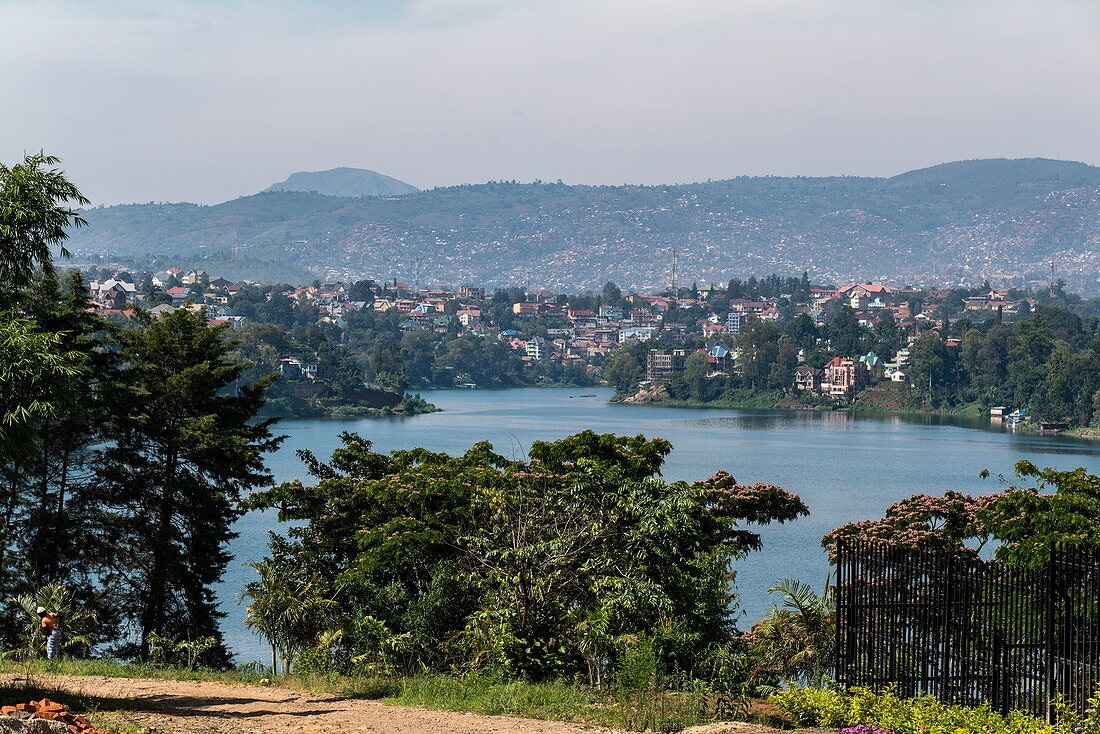
Bukavu is a city in the eastern Democratic Republic of the Congo (DRC), situated on the southwestern shore of Lake Kivu in South Kivu Province. Known for its lakeside setting, surrounding green hills and proximity to important rainforest habitats, Bukavu has long been associated with the natural beauty and cultural diversity of the African Great Lakes region.
For travellers researching Congo safaris, gorilla trekking, birdwatching and rainforest adventures, Bukavu is an important destination to understand. The nearby Kahuzi-Biega National Park is particularly famous for protecting Grauer’s gorillas, also known as eastern lowland gorillas.
However, Bukavu is located in a region affected by armed conflict and serious security concerns. Before considering any visit, travellers must consult current official travel advisories and verify whether transport routes, protected areas and tourism services are operating safely.
This guide by Raptors Africa Safaris explores the main attractions around Bukavu, activities historically available to visitors, travel arrangements and essential safety information.
Where Is Bukavu Located?
Bukavu is the provincial capital of South Kivu in eastern Democratic Republic of the Congo. It lies on the southern shore of Lake Kivu, close to the border with Rwanda.
The city occupies a hilly landscape overlooking the lake and surrounding countryside. Its location has historically made it an important regional centre for trade, transport and access to the forests of eastern Congo.
Bukavu is also geographically connected to Rwanda through the Rusizi border area. Although cross-border travel has historically been possible, visitors should never assume that border crossings, road connections or other transport services are currently available.
Top Things to Do in Bukavu and the Surrounding Area
1. Explore Lake Kivu
Lake Kivu is one of the most striking natural features of the Great Lakes region. Its deep blue waters, green hills and lakeside settlements create beautiful scenery that has historically attracted domestic and international visitors.
Under suitable security conditions, visitors may enjoy lakeside sightseeing, photography and cultural encounters with communities living around the lake.
Boat excursions and other water activities have also been associated with the wider Lake Kivu region. However, travellers must verify current operating conditions and use legitimate operators. The availability of a boat or functioning lakeside facility should not be taken as evidence that travel to Bukavu is safe.
2. Visit Kahuzi-Biega National Park
Kahuzi-Biega National Park is the best-known wildlife attraction associated with Bukavu. Located in South Kivu, the park protects extensive tropical rainforest, montane forest and important wildlife habitats.
The park is internationally recognised for its population of Grauer’s gorillas, the largest living gorilla subspecies. These eastern lowland gorillas differ from the mountain gorillas found in Uganda’s Bwindi Impenetrable National Park and Rwanda’s Volcanoes National Park.
Historically, visitors have travelled to Kahuzi-Biega for guided gorilla trekking, forest walks and wildlife experiences. Gorilla trekking involves hiking through forest with authorised park personnel to observe a habituated gorilla group under established conservation rules.
The park is also important for biodiversity conservation, including the protection of forest ecosystems and other wildlife.
Important travel notice: Do not book a Kahuzi-Biega gorilla trek without independently confirming the park’s current operating status, security arrangements, permit availability and access conditions. Historical tourism information does not establish that visits are currently possible or safe.
3. Hike Mount Kahuzi
Mount Kahuzi is a prominent volcanic mountain within the Kahuzi-Biega landscape. Its forested slopes and high-altitude vegetation make it a notable feature of the region.
When conditions permit, guided hiking has offered nature enthusiasts opportunities to explore the mountain’s vegetation, appreciate the surrounding landscape and learn about the ecology of the Albertine Rift.
Hiking in this environment requires suitable footwear, preparation for changing weather and authorised local guidance. Any proposed hike must be assessed against current security conditions and official park restrictions.
4. Discover the Region’s Birdlife and Rainforests
The forests around Bukavu form part of the biologically rich Albertine Rift, an area known for its distinctive wildlife and bird diversity.
Nature enthusiasts have historically visited the region to explore forest habitats, observe birds and learn about conservation efforts. The area’s different elevations and vegetation types contribute to its ecological importance.
Birdwatching and forest walks should only be considered when relevant protected areas are officially accessible and local security conditions permit visits. Independent excursions into remote forests are not advisable in areas affected by conflict or instability.
5. Experience Bukavu’s Local Culture
Bukavu has a distinctive urban character shaped by its lakeside location, regional trade and the cultural diversity of eastern Congo.
Under normal circumstances, visitors may be interested in local markets, traditional food, crafts and the everyday life of lakeside communities. Cultural visits can provide insight into the region’s traditions and livelihoods.
Travellers should seek permission before photographing residents and avoid photographing military personnel, security installations or other sensitive locations. Cultural activities must also be assessed in light of the prevailing security situation.
6. Visit Lwiro Primate Rehabilitation Centre
Lwiro Primate Rehabilitation Centre, also known as Lwiro Primate Sanctuary, is an important wildlife conservation facility in South Kivu, near Bukavu and approximately four kilometres from Kahuzi-Biega National Park. Established in 2002 by Congolese conservation and scientific institutions, the centre provides care for chimpanzees, monkeys and other wildlife rescued from poaching, illegal wildlife trafficking and the exotic pet trade.
Unlike a national park where visitors primarily observe wildlife in its natural habitat, Lwiro focuses on rescuing, rehabilitating and caring for animals that cannot immediately return to the wild. Its work also includes veterinary care, conservation research, environmental education and community outreach.
What Can You Learn at Lwiro Primate Sanctuary?
A visit, when available and authorised, can provide insight into several aspects of wildlife conservation:
- Chimpanzee conservation: Learn about the threats facing eastern chimpanzees and the challenges of caring for orphaned individuals.
- Monkey rehabilitation: Discover how rescued monkeys receive care and protection following confiscation from illegal wildlife traders.
- Wildlife rescue: Understand how conservation authorities and sanctuary staff respond to wildlife trafficking and illegal hunting.
- Environmental education: Learn about programmes that raise awareness of wildlife protection among local communities and young people.
- Primate rehabilitation: Gain insight into the long-term care and carefully planned reintroduction of suitable animals into secure natural habitats.
The centre’s work is particularly significant because the Democratic Republic of the Congo holds a major proportion of the world’s remaining eastern chimpanzees. By caring for rescued animals and supporting conservation education, Lwiro contributes to the wider protection of endangered wildlife.
Combining Lwiro with a Bukavu or Congo Safari
Historically, Lwiro Primate Rehabilitation Centre has been included in itineraries exploring Bukavu and Kahuzi-Biega National Park. Its proximity to the park makes it geographically suitable for combining primate conservation education with other nature-based experiences when the region is accessible.
However, visitors must confirm directly with the centre whether visits are being accepted and what arrangements apply. Do not assume that guided tours or other visitor activities are currently available.
Safety notice: Lwiro is in South Kivu, a region affected by serious insecurity. Check current official travel advisories before considering travel, and do not proceed against official advice. The centre’s conservation importance does not mean that the surrounding area is safe to visit.
Is Bukavu Safe for Tourists?
Safety is the most important consideration for anyone researching a visit to Bukavu.
As of October 2026, the UK Foreign, Commonwealth & Development Office advises against all travel to South Kivu and North Kivu. Its Democratic Republic of the Congo travel guidance describes a highly unstable security situation and reports that Bukavu has been captured by M23 rebels and Rwanda Defence Forces.
The situation can change rapidly, affecting civilian movement, transport, border crossings and access to essential services. Travellers should consult the latest advice issued by their own government’s foreign ministry before making decisions.
Main Safety Concerns in Bukavu
Armed conflict: Fighting and changes in territorial control can create serious risks for visitors and local communities.
Border closures: The border between Rwanda and the Bukavu area may be disrupted or closed at short notice.
Transport uncertainty: Road journeys, flights, boat services and other transport connections may be unavailable or unsuitable for travel.
Limited emergency assistance: Consular support and emergency services may be restricted during periods of instability.
Travel insurance restrictions: Insurance policies may exclude trips undertaken against official government travel advice.
Safety Advice for Travellers
Before considering a future visit to Bukavu:
- Check the latest official travel advisory for the Democratic Republic of the Congo.
- Do not travel against an official recommendation to avoid the area.
- Confirm the status of border crossings, roads, flights and protected areas through reliable official sources.
- Avoid relying on old travel blogs, historic tour itineraries or social media posts as proof that a destination is currently accessible.
- If already in the region, follow official security instructions and seek reliable local assistance to assess safe options for departure.
How to Get to Bukavu
Historically, Bukavu has been connected to Rwanda through the Rusizi border area. Regional travel has also involved road transport, Lake Kivu boat connections and air services in the wider region.
These are historical and geographical travel options, not confirmation of current availability or safety.
Anyone researching a future visit should verify whether the intended route is operating, whether the relevant border crossing is open to their nationality and purpose of travel, and whether the journey is considered safe by the appropriate authorities.
Travellers should not assume that an open border or functioning transport service makes the wider journey safe.
Best Time to Visit Bukavu
Bukavu has a tropical highland climate influenced by elevation, rainfall and Lake Kivu. In ordinary circumstances, relatively dry periods can be more convenient for outdoor activities such as hiking and forest exploration.
However, the weather should not be the deciding factor for travel at present. Security conditions take priority over seasonal considerations, and a traditionally favourable travel season does not make an unsafe destination suitable for tourism.
Any future trip should depend on current official travel advice and confirmation that the intended attractions and transport arrangements are operating appropriately.
Where to Stay in Bukavu
Bukavu has historically accommodated business travellers, regional visitors and tourists exploring Lake Kivu and Kahuzi-Biega National Park.
Accommodation availability and operating conditions can change during periods of instability. Before considering a future stay, travellers should obtain recent confirmation directly from the property and establish whether safe access, essential services and emergency arrangements are available.
Hotel listings, old reviews and previously published safari packages should not be treated as proof that accommodation is currently operating safely.
Bukavu and Eastern Congo Gorilla Safaris
Bukavu is especially relevant to travellers researching eastern lowland gorilla trekking in the Democratic Republic of the Congo.
It is important to distinguish between eastern lowland gorillas in Kahuzi-Biega National Park and mountain gorillas in Uganda and Rwanda. These animals occupy different habitats and require different safari arrangements.
For travellers planning a future gorilla safari, Uganda’s Bwindi Impenetrable National Park and Rwanda’s Volcanoes National Park are alternative destinations to research, subject to their own current travel requirements and conditions.
Raptors Africa Safaris recommends that travellers prioritise reliable security information, conservation regulations and confirmed operating arrangements when comparing gorilla destinations.
Frequently Asked Questions About Bukavu
What is Bukavu famous for?
Bukavu is known for its location on Lake Kivu, its green hillside landscape and its historical role as a gateway to Kahuzi-Biega National Park, which protects endangered Grauer’s gorillas.
Can you see gorillas near Bukavu?
Kahuzi-Biega National Park has historically offered guided eastern lowland gorilla trekking. Current availability depends on official park operations, permit arrangements and security conditions. Travellers should confirm these details before considering a visit.
Is Bukavu safe to visit in 2026?
As of October 2026, the UK FCDO advises against all travel to South Kivu, where Bukavu is located. Travellers should follow the latest official advice issued by their own government.
Can you travel from Rwanda to Bukavu?
Bukavu has historically been connected to Rwanda through the Rusizi border area. However, border access can change at short notice. Verify the latest official information before making any travel arrangements.
What is the difference between Bukavu and Goma?
Bukavu is the capital of South Kivu, while Goma is the capital of North Kivu. Both are important cities in eastern Democratic Republic of the Congo and are situated near Lake Kivu. Both areas have experienced serious security challenges.
What are the main attractions near Bukavu?
Kahuzi-Biega National Park is the region’s best-known wildlife attraction. Lake Kivu, the surrounding highlands and the Albertine Rift’s rainforest habitats are also important natural features.
Plan Your African Safari Responsibly
Bukavu and its surrounding landscapes are significant for their natural beauty, biodiversity and cultural heritage. Lake Kivu and Kahuzi-Biega National Park have historically made the region important to travellers interested in eastern lowland gorillas and rainforest conservation.
Nevertheless, tourism potential must be separated from current travel conditions. Raptors Africa Safaris encourages travellers to make informed decisions based on official security advice, reliable local information and confirmed access arrangements.
Any proposed trip to Bukavu should remain conditional until the relevant authorities and operators confirm that travel is appropriate.
[…] Bukavu has historically been the main urban starting point for journeys to Lwiro. […]
[…] best-known destination for seeing these gorillas in the wild is Kahuzi-Biega National Park, near Bukavu in eastern DRC. The park protects montane and lowland rainforest, exceptional biodiversity and one […]