Call: +256 702 595 926 | Email: info@bookgorillatracking.com

What to Pack for a Uganda Safari

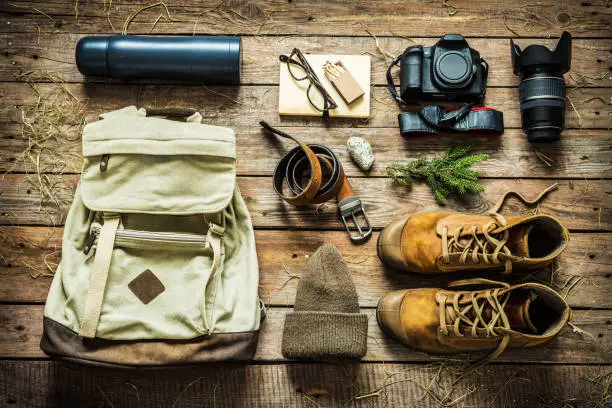
Planning a Uganda safari is exciting, think misty rainforests, golden savannas, and the chance to see incredible wildlife. But packing well is what turns your trip from “I hope I packed the right things” into “I’m comfortable, prepared, and able to fully enjoy every moment.” Uganda’s landscapes range from tropical forests to warmer lowlands, and weather can shift quickly. This guide breaks down what to pack for a Uganda safari, with specific items for everyday comfort, wildlife sightings, gorilla trekking, and travel logistics.
Whether you’re going for gorillas in Bwindi, chimpanzees in Kibale, tree-climbing lions in Ishasha, or general safari game drives across Queen Elizabeth National Park, this packing list will help you stay ready for the realities of the bush, sun, rain, dust, early mornings, and long days in open vehicles.
Start with the “Safari Essentials”
Every Uganda safari starts with clothing, footwear, water, and basic field items. Even if you plan to do mostly vehicle-based game drives, you will spend a lot of time outdoors.
Clothing basics
Pack in layers rather than one bulky outfit. Uganda can be warm during the day and cool in early mornings or evenings, especially near higher elevations like Bwindi and the Rwenzori region.
Include:
- T-shirts / breathable tops
- Long-sleeve shirts for sun and insect protection
- Lightweight long trousers
- Shorts for relaxed time and warm days
- Warm layer (fleece or light insulated jacket)
- Rain jacket or poncho (preferably hooded)
Choose breathable fabrics like cotton blends or moisture-wicking materials. Avoid heavy jeans as they take longer to dry if they get damp.
Underwear and sleepwear
- Underwear
- Socks
- Sleepwear
Hat and sunglasses
- Sun hat or cap (for strong sun during game drives)
- Sunglasses with UV protection
Footwear
Good footwear makes the biggest difference during a safari because you will be walking, often more than you expect. You may walk from lodges to vehicles, around camps, and during guided activities.
- Comfortable walking shoes or trail sneakers
- Closed-toe shoes for nature walks (especially if visiting wetlands or forest trails)
- Optional sandals (for lodge time only)
For gorilla trekking and forest walks
If you’re doing gorilla trekking in Bwindi, you’ll likely encounter muddy, wet, and slippery conditions. You should prioritize:
- Good grip (soled trail shoes)
- Shoes that are already broken in
- Avoid brand-new shoes that might blister
If your itinerary includes more intense forest trekking, consider waterproofing, but don’t rely on this alone. Shoes should be stable and comfortable.
Rain and Sun Protection (Uganda Weather Is Real)
Uganda’s weather can be unpredictable. You may start with sunshine and end up in a downpour, especially in forest regions. Packing for both rain and sun will save you discomfort and lost energy.
Rain gear
- Light rain jacket or poncho
- Small waterproof bag or dry pouch for keeping your phone and documents safe
- Optional umbrella (useful for some people, but in forest areas ponchos are often easier)
Sun protection
- Sunscreen
- Lip balm with SPF
- After-sun lotion (optional but helpful)
- Insect repellent (you’ll use it often)
Insect Repellent and Health Comfort
Insects are part of safari life. Even if malaria prevention is handled by medication prescribed by a clinician, repellent still helps with itching, bites, and discomfort.
- Insect repellent (look for products with DEET or picaridin)
- Anti-itch relief (like hydrocortisone cream or soothing gel, bring what you tolerate well)
First aid basics
A compact first aid kit is worth it. Include:
- Band-aids / blister patches
- Antiseptic wipes
- Pain reliever (e.g., ibuprofen)
- Oral rehydration salts
- Any personal medication (with extra in case of delays)
Consult your healthcare provider before travel for vaccinations and malaria prophylaxis recommendations. Also bring prescriptions in your name if possible.
Hydration and Snacks for Long Days
Safari days can be long and active. Even when you have meals and water stops planned, you’ll often want extra supplies in your day bag.
Hydration
- Reusable water bottle (capacity depends on your comfort)
- Electrolyte packets (optional, but helpful if you sweat a lot)
Many safaris provide drinking water, but having your own bottle reduces friction.
Snacks
Pack small snacks for drives or trekking pauses:
- Nuts, granola bars, or biscuits
- Dried fruit
- Chocolate (in cooler conditions, but note it can melt in intense heat)
Gorilla Trekking and Forest-Trek Specific Packing
Gorilla trekking is one of the most memorable experiences in Uganda, and it comes with specific physical demands. Even if your trek is guided and you’ll be supported, you should prepare.
- Daypack
- Waterproof cover for your bag
- Light rain jacket
- Gloves (optional; muddy branches can be rough)
- Biodegradable wipes or wet wipes
What to avoid
- Heavy bulky items that slow you down
- Loose accessories that can fall off in forest conditions
- Anything that prevents you from moving comfortably
Wear clothing you don’t mind getting slightly dirty. Forest trekking can be wet and muddy even when the weather looks fine earlier in the morning.
Electronics and Photography Kit
If you love photography, Uganda is a dream destination. You will want batteries ready because you’ll likely shoot a lot – especially early morning light and late afternoon golden tones.
Core camera items
- Camera (phone or DSLR/mirrorless)
- Extra memory cards
- At least 2–3 fully charged batteries
- Battery charger
- Power bank (very useful)
- Lens cloth (for dust and smudges)
Safety and backup
- Keep valuables in your daypack where possible.
- Use a dry bag or waterproof sleeve for your camera during rain.
- Consider organizing items in small pouches so you can grab them quickly.
Binoculars
For game drives, binoculars are often helpful. Many lodges provide them, but you shouldn’t rely on that- bring your own if you can.
Documents and Travel Logistics
Packing for a safari isn’t only about wildlife—your trip depends on documents and smooth logistics.
- Passport (valid for required length per your airline/entry rules)
- Visa approval if applicable
- Travel insurance documents
- Safari booking confirmations
- Copies of itinerary (digital and paper)
Money and payment
- Cash for tips and small purchases
- Some travelers prefer having a separate small envelope for daily expenses
- Credit/debit cards only if you’re confident ATMs or payment options work in your route
Pack for Comfort, Mobility, and Safety
The best Uganda safari packing strategy is simple: bring layers, sturdy footwear, reliable rain protection, and a small set of well-chosen essentials for trekking and long days. When you pack thoughtfully, you’ll spend less time adjusting discomfort and more time focusing on what you came for – wildlife encounters, stunning landscapes, and unforgettable experiences.

[…] For an 8-day rhino, chimpanzee and gorilla safari, consider packing: […]