+256-702 595 926 | info@bookgorillatracking.com

African Safari in Uganda

Uganda sits like a living mosaic at the heart of East Africa, where rainforest canopies, volcanic mountains, and vast savannas meet in surprisingly short distances. For travelers dreaming of an African safari, Uganda delivers something rare: variety. In one country, you can track great apes through misty forests, watch the sunrise over savanna grasslands, and cruise across lakes teeming with birds and wildlife. Add warm hospitality, dramatic scenery, and strong conservation efforts, and Uganda becomes not just a safari destination, but an experience that feels both wild and personal.
A safari in Uganda is more than game drives
Many people imagine a classic safari as sitting in a vehicle, spotting animals from a distance, and returning to a lodge for dinner. Uganda certainly includes those moments especially, in parks like Queen Elizabeth National Park and Murchison Falls National Park but the safari experience often goes deeper. Depending on your itinerary, you may hike through forests, search for primates on foot, travel by boat, or spend time in community-run areas. This blend of viewing and active exploration is part of what makes Uganda so compelling.
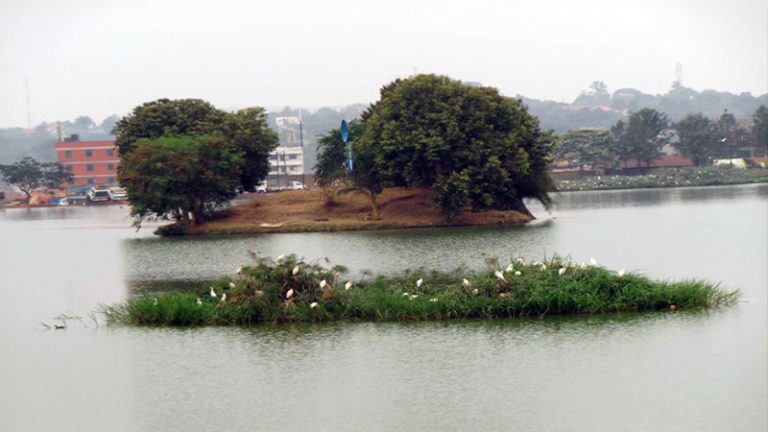
Uganda’s ecosystems create different safari “moods.” In the north and west you’ll feel the heat of the savanna and hear the call of birds rising from grasslands. In the southwest, the air changes; cooler, moister, and scented by forest vegetation. And along the rift valley and around lakes, you’ll witness how waterways shape wildlife behavior, from hippos and crocodiles to birds in thousands.
Uganda’s safari regions
Uganda’s best-known safari parks are spread across distinct regions, each with its own attractions and wildlife specialties.
Murchison Falls National Park
Murchison Falls National Park is one of Uganda’s most iconic safari destinations. It is famous for the Nile River forcing its way through a narrow gorge, creating a waterfall with intense power and dramatic scenery. The park combines river life, savanna landscapes, and strong wildlife viewing.
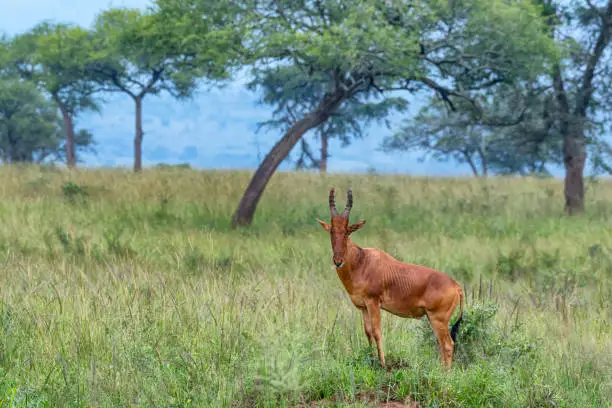
Game drives here often reveal Uganda’s “classic safari” animals; elephants, buffalo, giraffes, and many antelopes. Predators can also appear, including lions and leopards, though sightings depend on season and location. One of the greatest safari highlights is traveling along the river, where you may see hippos and crocodiles in large numbers and watch birds gather along the water.
This park is best for travelers who want big landscapes, river safari experiences, and the thrill of seeing wildlife near water.
Queen Elizabeth National Park
Queen Elizabeth National Park is one of the most diverse parks in Uganda. It includes crater lakes, wide plains, and channels that connect wetlands. This diversity supports an impressive variety of wildlife and birdlife. The park is especially well known for its boat cruise on the Kazinga Channel, where hippos and elephants often gather along the banks. The chance to see wildlife from the water is a safari “signature” in Uganda. You can also spot large herds in open areas during game drives, along with predators in certain zones.
If you’re lucky, you might hear about sightings of the park’s tree-climbing lions in Ishasha, an unusual behavior that makes the region unforgettable when it happens. This park is best for travelers who want: intense wildlife density, birdlife, boat cruising, and a variety of landscapes.
Kibale Forest National Park
If Uganda has a “primates identity,” Kibale Forest is one of its strongest chapters. Kibale is renowned for chimpanzees, and chimp tracking is often a once-in-a-lifetime experience. You’ll enter the forest with guides who know the habits of these animals – where they feed, how they move, and what time of day they’re most active.
Chimp tracking is not just about seeing animals; it’s about stepping into the rhythm of the forest. The sounds change from the open savanna to layered forest calls. You may watch insects, listen for bird activity, and move slowly through vegetation while your guides read signs of primate presence. Beyond chimpanzees, Kibale also supports other species, and the forest itself feels like a living museum, dense, textured, and alive with motion.
Bwindi Impenetrable Forest
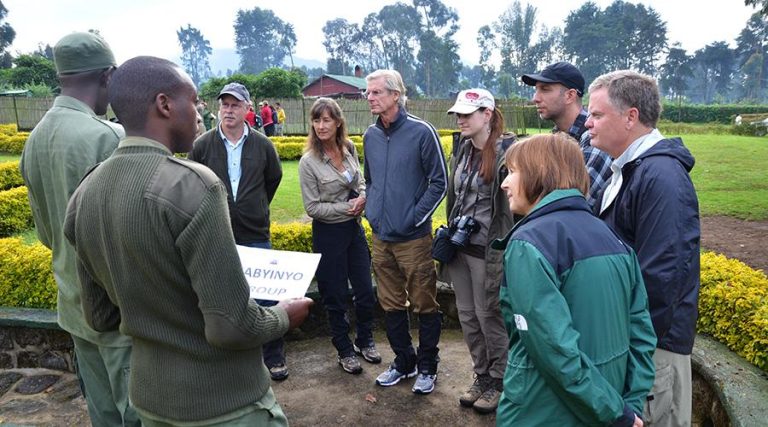
Bwindi Impenetrable Forest is among the most famous places on the planet for gorilla trekking. This ancient forest is steeped in conservation efforts, and trekking to find gorillas is both thrilling and deeply moving. It’s a safari that often feels spiritual, because of the closeness, the silence of the forest, and the realization that you’re witnessing creatures that share so much with humanity.
The trek itself can be physically demanding. Trails vary in steepness and may be muddy, especially in rainy seasons. But once you locate the group, the experience becomes unforgettable: gorillas moving calmly, eating, communicating through gestures and calls, and existing in their natural world with no sense of performance. Bwindi is also home to other primates, and even if you’re focused on gorillas, the surrounding forest ecosystem has plenty to offer.
Lake Mburo and other savanna-lake areas
Not all Uganda safaris require huge distances or all-day drives. Some smaller parks and areas offer safari charm with a more compact experience. Lake Mburo National Park is a good example—known for zebra, impala, and the possibility of giraffes, with water and wetlands acting as natural attraction points. These areas can be ideal for travelers who want a mix of wildlife viewing and scenic relaxation.
Best time to go on safari in Uganda
While Uganda is active year-round, the “best time” depends on what you want to prioritize.
Dryer seasons typically make trekking easier and wildlife easier to spot because vegetation is less dense and animals gather around water.
Rainy periods can bring lush greenery, dramatic scenery, and fewer crowds, though trekking conditions may be muddy and trails slower.
In forest areas, rain can change conditions quickly, and flexible expectations help. For many travelers, the right time is the time that aligns with their personal priorities, gorillas and chimp tracking schedules, weather comfort, and overall trip length.
Final thoughts
An African safari in Uganda doesn’t just entertain, it immerses you. It takes you from the roar of the Nile through dramatic falls, to the quiet tension of forest tracking, to the joy of seeing wildlife where land and water meet. Uganda’s beauty isn’t only in the animals, it’s in the ecosystems that host them, the guides who help you understand them, and the sense that you’re witnessing something living, not staged.