+256-702 595 926 | info@bookgorillatracking.com

Is Uganda Safe for Tourists?


When planning travel, safety is a top concern. Uganda, often called the “Pearl of Africa” for its remarkable natural and cultural riches, attracts tourists for gorilla trekking, chimpanzee tracking, safari game drives, and vibrant cultural experiences. Like any destination, Uganda has safety considerations, but with sensible precautions and awareness, most visitors travel there without incident. This article examines crime and personal safety, political stability, health risks, wildlife and nature hazards, road and transport safety, local laws and customs, emergency services, and practical tips so you can judge whether Uganda is a safe choice for your trip.
Overall Security and Political Stability
Uganda is broadly stable compared with several regional neighbours. Kampala, Entebbe, and major tourist destinations are well-travelled by foreigners and receive regular visitors. The government invests in tourism infrastructure and security in key parks and resorts.
Periodic demonstrations do occur, particularly in urban centers and around political events. These are usually peaceful but can turn disruptive. Tourists should avoid all protests and large gatherings and follow local media and embassy advisories during their visit.
While central and southern Uganda (Kampala, Entebbe, Murchison Falls, Queen Elizabeth, Bwindi, Kibale) are generally safe for tourists, some border regions – particularly areas bordering South Sudan, the Democratic Republic of Congo (DRC), and other remote northern zones can experience instability or have restricted access. Always check current travel advisories and consult local operators when planning visits to remote border regions.
Crime and Personal Safety
The most common incidents affecting tourists are petty thefts: pickpocketing, bag-snatching, and opportunistic scams in crowded urban settings and informal markets. These typically occur in busy areas of Kampala and other towns.
Violent crime against tourists is relatively rare, but it can occur. Use standard safety precautions: avoid walking alone after dark, secure valuables in hotel safes, and be cautious with ATMs and isolated streets.
Tourists can be targeted by tai overcharging, counterfeit money, and inflated prices for goods and services. Use reputable taxi services, agree fares in advance, and familiarize yourself with current exchange rates.
Most hotels and lodges catering to tourists maintain good security practices. Choose well-reviewed lodges and ask about security measures (secure parking, night guards, safe storage for valuables).
Health Risks and Medical Preparedness
Malaria is endemic in much of Uganda. Tourists should consult a travel health clinic for antimalarial prophylaxis options. Preventative measures (insect repellent, long sleeves at dusk, and bed nets where necessary) are important.
Yellow fever vaccination is often required and should be documented with an International Certificate of Vaccination. Hepatitis A, typhoid, tetanus, and routine immunizations are recommended; consult your doctor well before travel.
Traveler’s diarrhea and other foodborne illnesses are common causes of illness. Drink bottled or purified water, avoid ice from uncertain sources, and eat freshly prepared foods. Good hand hygiene reduces risk.
While major towns like Kampala have competent private hospitals, medical facilities in remote areas are limited. Travel insurance with medical evacuation coverage is strongly recommended. Operators often include emergency procedures and have contacts for evacuations.
Wildlife, Parks, and Natural Hazards
Uganda’s wildlife is a major attraction but can pose risks if approached incorrectly. Never attempt to touch, feed, or get close to wild animals. Always follow your guide’s instructions during game drives and forest treks.
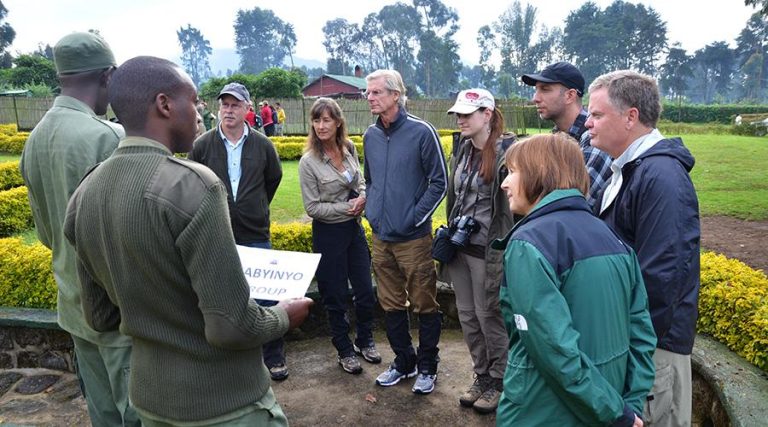
Mountain gorillas and chimpanzees can carry diseases transmissible to humans (and vice versa). Parks enforce strict rules: maintain the prescribed distance, avoid visiting if ill, and follow hygiene protocols. These measures protect both tourists and primates.
Seasonal weather (heavy rains and flash floods) can make roads impassable and increase risk for certain activities. Trekking in montane areas (Rwenzori, Mount Elgon) can be hazardous; use experienced guides and appropriate equipment.
Road Safety and Transport Considerations
Major highways are generally in good condition, but many secondary roads are rough, especially during the rainy season. Road accidents are a notable cause of injury; use seat belts, allow extra travel time, and avoid night driving on rural roads.
Domestic flights reduce road travel time and are generally safe when operated by reputable carriers. Charter flights into remote parks are common but check the safety record of operators and ensure insurance coverage.
Natural Disasters and Weather
Uganda has two rainy seasons (March–May and October–November). Heavy rains can lead to localized flooding, landslides in highland areas, and poor road conditions. Check weather forecasts and maintain flexible travel plans during rainy months.
Mountainous regions (Rwenzori, Mt. Elgon) can experience landslides and hazardous trails. Book treks with experienced guides, carry proper gear, and monitor weather advisories.
As with many countries, Uganda can experience localized disease outbreaks. Stay updated through official health advisories and keep vaccinations and travel insurance current.
Local Laws, Customs, and Cultural Sensitivity
Uganda has laws and regulations that differ from Western countries. Drug offenses carry heavy penalties. Public behavior that is acceptable in tourist contexts may be offensive locally; be aware of laws governing photography of military or government installations and adhere to visa conditions.
Uganda’s legal and social environment regarding LGBTQ+ issues is conservative. Same-sex relations can be subject to legal restrictions and societal discrimination. LGBTQ+ travelers should exercise caution, seek updated guidance from embassies and local contacts, and prioritize personal safety.
Dress modestly in rural areas and when visiting places of worship. Always ask permission before photographing people, especially in villages or culturally sensitive contexts.
Emergency Services and Consular Support
Know local emergency numbers and the location of the nearest medical facilities and police stations. Share these with your travel companions and operator.
Register with your embassy or consulate if possible, and keep their contact details handy. Consular offices can assist with lost passports, serious legal issues, and emergencies, though their ability to intervene is limited.
Reliable tour operators will have emergency protocols and contacts for medical evacuations and major incidents. Ensure your operator is reputable and that your insurance provider is informed of your itinerary.
Weighing Risks: Is Uganda Safe for You?
For many travelers, Uganda’s risks are manageable and outweighed by the country’s singular rewards: close wildlife encounters, rich landscapes, and cultural experiences. Most tourist incidents relate to petty crime or health issues that can be minimized through preparation.
Solo travelers (especially at night), LGBTQ+ visitors, those with significant medical conditions, and travelers planning to visit remote border regions should take extra precautions, consult up-to-date advisories, and possibly work with specialist operators who understand local dynamics.
Uganda is reasonably safe for tourists who plan carefully, respect local laws and customs, and take standard health and security precautions. Using reputable guides and operators, avoiding risky areas, and remaining aware of political developments will significantly reduce your exposure to potential problems.
Conclusion: Practical Preparedness Makes the Difference
Travel safety is a function of preparation, awareness, and sensible behavior. Uganda presents unique attractions and some predictable risks. By following the guidance above, most travelers can enjoy Uganda safely. The country’s conservation efforts, warm hospitality, and exceptional wildlife encounters continue to draw visitors who return with transformative experiences. With proper planning, your trip to Uganda can be a secure and deeply rewarding adventure.