+256-702 595 926 | info@bookgorillatracking.com

Uganda Travel Tips

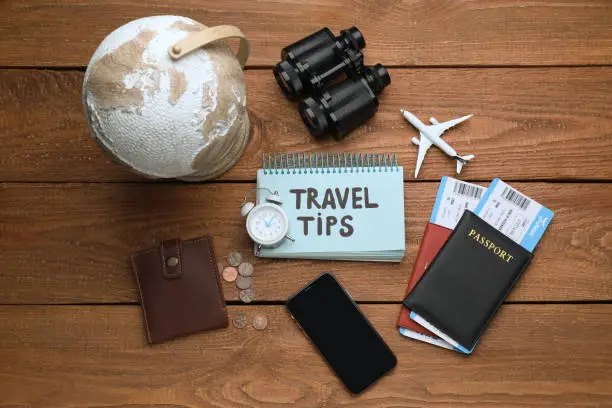
Uganda offers an extraordinary mix of landscapes and experiences: mountain gorillas in misty forests, chimpanzees in ancient woodlands, roaring waterfalls, sweeping savannas with big-game sightings, and vibrant local cultures. To get the most from a visit, it helps to prepare practically and culturally. This guide provides comprehensive travel tips covering planning, health and safety, transportation, wildlife etiquette, cultural norms, packing, money matters, and sustainable travel practices.
Planning Your Trip (When and Where to Go)
Choose your season with purpose
Dry months (June–September, December–February) are best for gorilla trekking, road travel, and savanna game viewing. Wet months (March–May, October–November) produce lush scenery, fewer visitors, and excellent birding, but roads and trails may be muddy.
Prioritize key experiences
Decide what matters most: gorilla trekking in Bwindi or Mgahinga, chimpanzee tracking in Kibale, big-game safaris in Queen Elizabeth and Murchison Falls, hiking the Rwenzori, or cultural/community visits. Distances and logistics mean you may need to prioritize rather than try to see everything in a short trip.
Book essential permits and accommodations early
Gorilla permits are limited and sell out months in advance, especially in peak season. Book permits, mid- and high-range lodges, and any internal flights as early as possible.
Allow time for travel between regions
Uganda’s roads can be slow; allocate realistic travel time between parks. Consider domestic flights or charters to save time when budget allows.
Visa, Documentation, and Entry Requirements
Most nationalities require an entry visa for Uganda. Apply for an e-Visa online before travel or obtain a visa on arrival where available (check current rules). Ensure your passport has at least six months’ validity from the date of entry and blank pages for stamps.
Keep a photocopy or digital scan of your passport, visa, gorilla/chimp permits, travel insurance, and emergency contacts. Leave copies with a trusted person at home.
Yellow fever vaccination is mandatory for many travelers entering Uganda; carry your International Certificate of Vaccination (yellow card). Check other recommended vaccines well before travel.
Health and Medical Preparations
Malaria prevention
Malaria is present in much of Uganda. Discuss antimalarial prophylaxis options with a travel clinic and use insect-repellent, long sleeves, and bed nets where appropriate.
Routine and travel vaccines
Stay up to date on routine immunizations. Hepatitis A, typhoid, and, depending on itinerary, rabies vaccinations are commonly recommended. Check the latest guidance from reputable health sources.
Travel insurance and medical evacuation
Secure comprehensive travel insurance that includes medical evacuation — remote areas may require airlift for serious emergencies.
First-aid kit
Pack a basic medical kit with essentials: plasters, antiseptic, painkillers, anti-diarrhea medication, oral rehydration salts, antihistamines, blister treatment, and any prescription meds. Include altitude-appropriate medications if trekking in highlands.
Water and food safety
Use bottled or purified water. Avoid ice from uncertain sources. Eat freshly cooked food and wash fruit carefully. Good hygiene reduces the risk of traveler’s diarrhea.
Money and Budgeting
The Ugandan shilling (UGX) is the local currency, but US dollars are widely accepted for major payments (permits, lodges). Bring crisp, non-damaged USD bills for use in rural areas. ATMs are available in larger towns and cities but may be unreliable in remote areas.
Major hotels and some lodges accept credit cards, but rural lodges may prefer cash. Inform your bank before travel to avoid blocked cards.
Tipping is customary; guides and drivers commonly receive $10–$20 per guest per day, lodge staff pooled tips are often around $5–$10 per guest per night, trackers and porters should be tipped after gorilla treks (suggested $5–$15). Check with your operator for local tipping protocols. Budgeting for Gorilla permits are a major cost; plan these into your budget early. Factor park fees, permits, domestic flights/charts, guide fees, and any optional activities like cultural experiences or spa treatments.
Transport and Getting Around
Uganda’s road network varies: primary highways are usually in good condition, but rural roads can be rough and slow, particularly in the rainy season. Choose a sturdy 4×4 for park transfers and remote routes.
Domestic flights (or charters) are time-saving and often recommended for tight itineraries or to reach remote parks quickly. Book early to secure seats.
If you self-drive, be prepared for unpredictable road conditions, pedestrians, animals, and limited signage in rural stretches. International driving permits are advisable.
Entebbe International Airport is the main entry point. Allow enough time for domestic connections and transfers, and confirm recommended check-in windows for charter flights.
Safety and Security
Uganda is generally safe for tourists, but petty crime (pickpocketing, bag snatch) can occur, especially in Kampala and urban centers. Use common-sense precautions: avoid isolated areas after dark, secure valuables, and use hotel safes.
Monitor local news and follow travel advisories from your government. Attend to local guidance if demonstrations or unrest occur.
Always follow your guide’s instructions during wildlife encounters. Maintain safe distances from animals; never approach, feed, or try to touch wildlife. Gorillas and primates can transmit diseases – adhere to strict park rules.
Keep a list of emergency numbers: your embassy/consulate, local tour operator, nearest hospital, and police. Program these into your phone and share with travel companions.
Wildlife and Ethical Tourism
Observe strict rules: stay at least 7 meters from gorillas (or the distance set by guides), keep voices low, avoid sudden movements, do not eat or drink near the animals, wear a mask if ill, and follow photography restrictions. A single visit can have a massive conservation impact, so act responsibly.
Support licensed guides and reputable operators who contribute to conservation and community programs. Avoid activities that exploit animals (e.g., unsanctioned close contact or unregulated interactions).
Consider donating to park conservation funds or participating in community tourism initiatives that support local livelihoods and reduce human-wildlife conflict.
Culture, People, and Etiquette
Ugandans are known for their hospitality. Dress modestly in rural areas and when visiting religious or community sites. Remove hats and sunglasses when greeting a local elder in some contexts.
Learn simple greetings in Luganda or local dialects; “Gyebale ko” (well done) and “Oli otya?” (how are you?) go a long way. A handshake is the common form of greeting.
Always ask permission before photographing people, especially in village settings. Some communities may expect a small fee for photos — clarify beforehand.
Bargaining is standard in markets and for souvenirs. Be polite and reasonable; remember that many artisans depend on sales for income.
Packing Essentials
Lightweight, breathable clothing for lowland days; warmer layers for highland nights and early mornings. Neutral, earth-toned clothing is best for safaris. Long sleeves and trousers help reduce insect bites.
Sturdy walking boots for trekking and comfortable closed shoes for game drives. Consider gaiters for muddy or thorny trails.
A lightweight waterproof jacket and quick-drying clothing are essential during the wet season. Pack a waterproof bag or dry sacks for electronics.
Bring a good telephoto lens for wildlife, a wide-angle lens for landscapes, spare batteries, and ample memory cards. Binoculars are invaluable for birding and game viewing.
Headlamp or flashlight, reusable water bottle with filter or purification tablets, sunscreen, hat, sunglasses, insect repellent (DEET), travel towel, and a small personal first-aid kit.
Connectivity and Communication
Uganda has several mobile networks offering tourist SIMs and data bundles. Purchase a local SIM at the airport or in towns; ensure your phone is unlocked.
Many lodges offer Wi-Fi, but speeds can be slow or limited in remote parks. Plan for reduced connectivity and consider this a chance to unplug.
Uganda uses British-style Type G plugs. Carry a universal adapter and a portable power bank for charging devices during long transfers.