+256-702 595 926 | info@bookgorillatracking.com

Rwanda Genocide Memorial Sites: A Complete Visitor Guide

Genocide Memorial Sites in Rwanda: A Comprehensive Guide to History, Remembrance and Cultural Tours
Rwanda is a country of remarkable natural beauty, rich cultural heritage and extraordinary resilience. Beyond its famous mountain gorillas, breathtaking landscapes and welcoming communities, Rwanda has an important history that every visitor should take time to understand. One of the most meaningful ways to learn about the country’s past is by visiting the genocide memorial sites dedicated to the victims of the 1994 Genocide against the Tutsi.
These memorials preserve the memory of the people who lost their lives, document the events that led to the genocide and educate present and future generations about the dangers of hatred, discrimination and intolerance. They also honour survivors and communities that continue to rebuild their lives.
For travellers interested in history, culture and responsible tourism, visiting Rwanda’s genocide memorial sites can be an important part of a broader journey through the country. The experience is deeply moving and requires sensitivity, respect and a willingness to learn.
Rwanda’s most significant memorial sites include the Kigali Genocide Memorial in Gisozi, Nyamata Genocide Memorial, Murambi Genocide Memorial and Bisesero Genocide Memorial. These four sites form a UNESCO World Heritage property inscribed in 2023. Other important places of remembrance include Ntarama and Nyanza Genocide Memorials.
Understanding the 1994 Genocide against the Tutsi in Rwanda
The 1994 Genocide against the Tutsi was one of the darkest periods in Rwanda’s history. Between April and July 1994, more than one million people were killed during approximately 100 days of organised mass violence. The Tutsi population was the principal target, while moderate Hutu and others who opposed the killings were also murdered.
The genocide did not happen suddenly without warning. Its roots included years of political division, ethnic discrimination, extremist propaganda and organised violence. Colonial-era policies contributed to the hardening of ethnic identities, while later political developments deepened divisions within Rwandan society.
On 6 April 1994, the plane carrying Rwanda’s then-President Juvénal Habyarimana was shot down near Kigali. This event became the immediate trigger for the widespread killings that followed.
Roadblocks were established, homes were searched and civilians were attacked in communities across the country. Churches, schools, government buildings and other public places where people had sought protection became scenes of massacres.
The genocide was halted in July 1994 when the Rwandan Patriotic Front took control of the country.
Today, Rwanda commemorates the victims through memorial sites, educational programmes, national remembrance activities and initiatives promoting unity and reconciliation.
Why Visit Genocide Memorial Sites in Rwanda?
Visiting genocide memorial sites is not an ordinary sightseeing activity. It is an opportunity to understand Rwanda’s recent history through preserved locations, photographs, personal belongings, testimonies and historical documentation.
There are several reasons why these places are important to visitors.
1. Understanding Rwanda’s history
Memorial sites explain the historical circumstances that contributed to the genocide, how the killings were organised and the consequences for individuals, families and communities.
2. Honouring the victims
The memorials provide dignified places where victims are remembered and families can honour loved ones who lost their lives.
3. Learning about reconciliation
Visitors learn about Rwanda’s efforts to rebuild communities, promote unity and address the consequences of the genocide.
4. Understanding the importance of peace
The exhibitions demonstrate the dangers of discrimination, dehumanisation, extremist propaganda and intolerance.
5. Supporting responsible tourism
Respectful visits contribute to preserving historical memory and supporting institutions involved in education, documentation and remembrance.
1. Kigali Genocide Memorial – Gisozi
The Kigali Genocide Memorial is among the most important places of remembrance in Rwanda. Located on Gisozi Hill in Kigali, it serves as the final resting place for more than 250,000 victims of the 1994 Genocide against the Tutsi.
Established in 1999, the memorial is an important centre for remembrance, education, documentation and genocide prevention. It helps visitors understand the events of 1994 while recognising the human stories behind the historical tragedy.
The memorial is managed in partnership with organisations supporting education and remembrance, including the Aegis Trust.
What to See at Kigali Genocide Memorial
The permanent exhibitions
The memorial has exhibitions explaining Rwanda’s history before the genocide, the events of 1994 and the country’s journey towards justice, reconciliation and renewal.
Visitors encounter historical photographs, personal testimonies, artefacts and educational displays that explain how extremist ideology and organised violence contributed to the genocide.
The children’s memorial
One of the most emotional sections is dedicated to children who were killed during the genocide. Through photographs and personal information, the exhibition reminds visitors that the victims were individuals with families, interests, ambitions and dreams.
The mass graves
The memorial contains mass graves where more than 250,000 victims are buried. These graves represent the scale of the tragedy and provide a dignified place for remembrance.
The Wall of Names
The Wall of Names commemorates victims of the genocide. Documentation remains an ongoing process because the names and identities of many victims are still being researched and recorded.
The memorial gardens
The gardens provide quiet spaces for reflection. They include areas dedicated to unity, reconciliation, remembrance and the lives of those who perished.
The Flame of Remembrance
The Flame of Remembrance symbolises the memory of the victims and the determination to prevent future atrocities. It is associated with Rwanda’s annual 100 days of commemoration, which begin on 7 April.
The Genocide Archive of Rwanda
The archive preserves testimonies, photographs, historical documents and other records relating to the genocide. It is an important resource for researchers, students and visitors seeking a deeper understanding of the country’s history.
Location and How to Get There
Kigali Genocide Memorial is located in Gisozi, within Kigali City. It is approximately a short drive from central Kigali and can be reached by private vehicle, taxi or an organised city tour.
Travellers arriving at Kigali International Airport can visit the memorial as part of a Kigali city excursion before continuing to other destinations in Rwanda.
Visitor Experience
Visitors can explore the exhibitions independently or arrange a guided experience. The memorial recommends booking in advance, particularly for groups.
The site normally opens from 9:00 am to 5:00 pm, with the last admission at 4:00 pm. Visitors should confirm opening arrangements before travelling, especially on public holidays and the last Saturday of the month, when opening hours are adjusted for Umuganda.
2. Nyamata Genocide Memorial – Bugesera District
The Nyamata Genocide Memorial is one of the most significant genocide memorial sites in the Eastern Province of Rwanda.
It is located in a former Catholic church where thousands of Tutsi sought refuge during the 1994 genocide. Instead of finding safety, many of those who had gathered inside the church were killed.
The building has been preserved as a place of remembrance, retaining physical evidence of the massacre and personal belongings associated with the victims.
Nyamata is one of the four memorial sites included in Rwanda’s UNESCO World Heritage property.
What to See at Nyamata Genocide Memorial
The former church building
The church is the central feature of the memorial. Visitors can learn about the people who sought refuge there and the events that resulted in the massacre.
Victims’ clothing and personal belongings
Clothing and personal items are preserved as reminders of the people who lost their lives. These objects help visitors understand the human dimension of the tragedy.
The memorial crypts and burial areas
The memorial includes burial areas where victims’ remains are commemorated. These spaces provide opportunities for families and visitors to pay their respects.
Historical explanations and remembrance
Information at the site helps visitors understand the events that took place in Bugesera and the wider pattern of violence across Rwanda.
Location and How to Get There
Nyamata is located in Bugesera District, Eastern Province, south of Kigali. It can be visited by road from Kigali and is commonly combined with Ntarama Genocide Memorial.
The journey offers an opportunity to learn about the history of Bugesera, a region that experienced severe violence during the genocide.
Why Visit Nyamata?
Nyamata provides a direct connection to one of the places where civilians sought protection during the genocide. Its preserved buildings and personal belongings make it an important historical and educational site.
Visitors should approach the experience with respect, recognising that the memorial is also a burial place for victims.
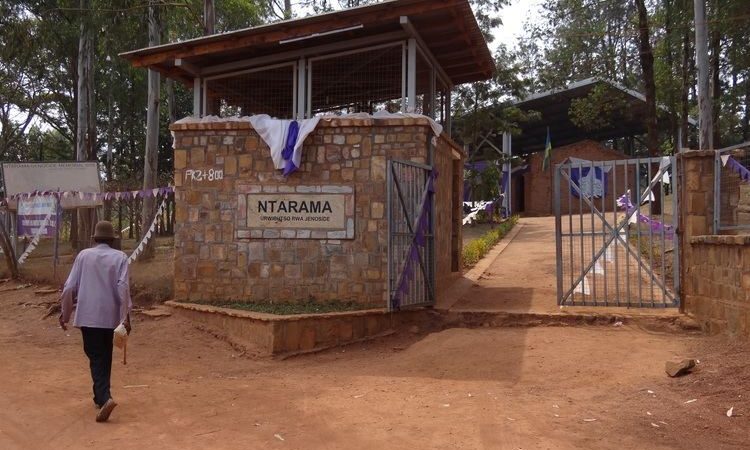
3. Ntarama Genocide Memorial – Bugesera District
The Ntarama Genocide Memorial is another important place of remembrance in Eastern Rwanda.
Like Nyamata, Ntarama is located in a former Catholic church where Tutsi civilians sought refuge during the 1994 genocide. Thousands of people were killed in and around the church.
Today, the building is preserved as a memorial and educational site, documenting the suffering of the people who were murdered there.
What to See at Ntarama Genocide Memorial
The former church
The church is the central memorial structure. Its preserved condition helps visitors understand the events that took place during the genocide.
Clothing and personal effects
Visitors can see personal belongings and other preserved evidence associated with the victims. These objects represent the lives interrupted by the violence.
Historical displays
The memorial provides information about the massacre and the wider history of the genocide in Bugesera.
Burial and remembrance areas
The site provides spaces for remembering victims and honouring those who lost their lives.
Location and How to Get There
Ntarama is located in Bugesera District, Eastern Province. It can be reached by road from Kigali and is often included in a combined Nyamata and Ntarama memorial tour.
Because the two sites are in the same general region, visitors can plan to explore both in one day, allowing sufficient time for reflection.
Nyamata and Ntarama: What Is the Difference?
Both memorials are located in former Catholic churches in Bugesera District. However, they commemorate separate massacres and preserve different historical experiences.
Visiting both sites provides a broader understanding of the violence that affected communities across the region.
4. Murambi Genocide Memorial – Nyamagabe District
The Murambi Genocide Memorial is one of the most sobering memorial sites in Rwanda.
Located in the Southern Province, the memorial occupies the grounds of a former technical school where thousands of Tutsi civilians sought refuge during the genocide.
People had gathered at the school believing that it would offer protection. However, the location became the scene of a devastating massacre.
Murambi is one of the four sites recognised by UNESCO as part of the Memorial Sites of the Genocide World Heritage property.
What to See at Murambi Genocide Memorial
The former technical school
The school buildings remain an important part of the memorial. They help visitors understand the circumstances in which people gathered at Murambi seeking safety.
Preserved remains
Some rooms contain preserved remains of victims. These displays are particularly distressing and provide a stark reminder of the brutality of the genocide.
Visitors should be emotionally prepared before entering these areas.
Historical documentation
The memorial explains the events that led to the massacre and the experiences of the people who sought refuge at the school.
Memorial grounds
The surrounding grounds provide space for remembrance and reflection.
Location and How to Get There
Murambi is located in Nyamagabe District in Southern Rwanda. It can be reached by road from Huye, Kigali and other towns in the Southern Province.
Visitors exploring the cultural and historical attractions of Huye can include Murambi in their itinerary.
Combining Murambi with Other Attractions
A visit to Murambi can be combined with:
-
The Ethnographic Museum of Rwanda, which presents Rwanda’s cultural heritage.
-
The King’s Palace Museum, which explores the country’s traditional monarchy.
-
Nyungwe National Park, for forest experiences, primate encounters and canopy walks.
These experiences provide different perspectives on Rwanda’s history, culture and natural heritage. A visit to Murambi should be planned separately enough to allow visitors time to reflect rather than rushing from one attraction to another.
5. Bisesero Genocide Memorial – Karongi District
The Bisesero Genocide Memorial is an important historical site that commemorates the Tutsi who resisted attacks during the 1994 genocide.
Unlike some other memorials that are associated with churches or schools, Bisesero is particularly remembered for the resistance of local people who attempted to defend themselves against armed attackers.
For nearly two months, Tutsi residents gathered in the hills and resisted the attacks using traditional weapons and whatever resources they could find. Many were eventually killed.
The memorial honours those who lost their lives and remembers the courage of those who attempted to protect their communities.
Bisesero is one of the four sites included in the UNESCO World Heritage listing.
What to See at Bisesero Genocide Memorial
The memorial structure
The site contains memorial structures dedicated to the victims and those who resisted the attacks.
Historical interpretation
Visitors learn about the resistance, the attacks against local communities and the events that unfolded across the hills of Bisesero.
The surrounding hills
The landscape is an important part of the historical story. The hills were places where people sought refuge and attempted to defend themselves.
Spaces for remembrance
Visitors can take time to reflect on the lives lost and the significance of the resistance remembered at the site.
Location and How to Get There
Bisesero is located in Karongi District, Western Province. It can be reached by road from Karongi and the Lake Kivu region.
The memorial can be included in a wider western Rwanda itinerary featuring Lake Kivu, cultural experiences and travel towards Nyungwe National Park.
Why Bisesero Is Historically Important
Bisesero represents the courage and determination of people who resisted the violence despite extremely difficult circumstances.
Its story is an important part of understanding the different experiences of communities during the genocide.
6. Nyanza Genocide Memorial – Kicukiro, Kigali
The Nyanza Genocide Memorial commemorates victims who were killed following the withdrawal of United Nations peacekeepers from the École Technique Officielle (ETO) in Kigali on 11 April 1994.
Many Tutsi civilians had sought protection at ETO, believing that the presence of international peacekeepers would keep them safe. When the peacekeepers withdrew, the civilians were left exposed to attacks.
Those who had gathered at the site were subsequently taken away and massacred.
The Nyanza memorial honours these victims and provides a place for remembrance, historical education and annual commemoration.
What to See at Nyanza Genocide Memorial
-
Memorial burial areas where victims are commemorated.
-
Monuments dedicated to those who were killed.
-
Memorial spaces used during remembrance activities.
-
Historical explanations about the events surrounding the withdrawal of peacekeepers from ETO.
Location and How to Get There
The memorial is located in Kicukiro, southeast of Kigali’s city centre. It can be visited by private vehicle or taxi as part of a Kigali historical tour.
It is an important addition to a city itinerary for travellers who wish to understand more about the experiences of civilians during the genocide.
Other Places of Remembrance in Rwanda
Beyond the major memorial sites described above, Rwanda has other places associated with remembrance, survivor experiences and the history of the genocide.
Some are managed as formal memorial sites, while others are local places of commemoration. Travellers should confirm their visitor arrangements before including them in an itinerary.
The four UNESCO-listed sites remain particularly important for visitors seeking a structured understanding of the genocide’s history and geographical impact.
UNESCO World Heritage Recognition of Rwanda’s Genocide Memorial Sites
In 2023, UNESCO inscribed four genocide memorial sites in Rwanda on the World Heritage List.
The sites are:
-
Kigali Genocide Memorial at Gisozi.
-
Nyamata Genocide Memorial.
-
Murambi Genocide Memorial.
-
Bisesero Genocide Memorial.
The recognition acknowledges their historical importance and their role in preserving the memory of the Genocide against the Tutsi.
Together, the four sites represent different aspects of the tragedy: the scale of the killings and national remembrance at Gisozi, massacres at Nyamata and Murambi, and the resistance remembered at Bisesero.
UNESCO also recognises their contribution to education, reconciliation and promoting peace and dialogue.
Best Time to Visit Genocide Memorial Sites in Rwanda
Genocide memorial sites can be visited throughout the year, subject to their opening arrangements and visitor procedures.
However, the experience can be particularly significant during Rwanda’s annual commemoration period.
April – National Genocide Commemoration
Rwanda begins its annual commemoration on 7 April, marking the start of the 100 days of remembrance.
During this period, memorial activities take place across the country. Visitors may encounter commemorative events, educational activities and community remembrance ceremonies.
Travellers visiting in April should be especially mindful of the significance of the period and confirm whether particular sites have special arrangements or restrictions.
June and July – End of the Commemoration Period
The 100-day commemoration period concludes in July. Visitors during this time can learn more about the country’s remembrance activities and the importance of preserving historical memory.
Visiting During Other Months
May, August, September, October, November, December, January, February and March can also be suitable months for visiting memorial sites.
The best time depends on your wider Rwanda travel plans, including gorilla trekking, wildlife safaris and cultural experiences.
How to Book a Visit to Genocide Memorial Sites in Rwanda
Travellers should check the official visitor arrangements for each memorial before setting out.
Rwanda provides an online application service through IremboGov for visits to genocide memorial sites. The service information states that applications can be made by Rwandan citizens and foreign visitors, and that applicants should select their preferred memorial site, date and time.
The published procedure requires visitors to apply at least two days before the intended visit. It also lists a processing time of one day and no application charge for the service. Requirements can change, so visitors should check the latest instructions before applying.
For the Kigali Genocide Memorial, visitors can also use its official booking arrangements for guided tours and other visitor packages.
Responsible Visitor Etiquette at Rwanda’s Genocide Memorial Sites
Genocide memorials are not ordinary tourist attractions. They are sacred places of remembrance, burial and education.
Visitors should observe the following guidelines:
Dress respectfully: Choose modest clothing appropriate for a place of remembrance.
Maintain silence where appropriate: Avoid loud conversations, unnecessary noise and disruptive behaviour.
Follow photography rules: Some memorials restrict photography, particularly in sensitive exhibition areas. Always follow instructions from site staff.
Respect human remains and personal belongings: Do not touch, move or interfere with preserved objects or memorial displays.
Avoid insensitive comments: Discussions should be approached with respect for survivors, victims and their families.
Listen to guides: Guides and memorial staff can provide important historical context and explain the significance of individual displays.
Allow time for reflection: Some exhibitions contain distressing material. Do not rush through the experience.
Be mindful when sharing images online: Avoid treating memorials as casual photo opportunities or using images of victims in insensitive promotional content.
How to Combine Genocide Memorial Visits with Gorilla Trekking in Rwanda
Rwanda is internationally recognised for mountain gorilla trekking in Volcanoes National Park.
Travellers planning a gorilla trekking holiday can combine their wildlife experience with historical and cultural visits in Kigali and other parts of the country.
A well-planned itinerary allows visitors to understand Rwanda beyond its wildlife attractions.
Suggested 5-Day Rwanda History and Gorilla Trekking Tour
Day 1: Arrival in Kigali and Kigali Genocide Memorial
Arrive at Kigali International Airport and transfer to your hotel. Depending on your arrival time, visit Kigali Genocide Memorial in Gisozi.
Explore the exhibitions, memorial gardens and historical documentation before returning to your accommodation.
Day 2: Nyamata and Ntarama Memorials
After breakfast, travel to Bugesera District to visit Nyamata and Ntarama Genocide Memorials.
Learn about the events that took place at the former churches and the experiences of the communities affected by the genocide.
Return to Kigali for an overnight stay.
Day 3: Kigali to Volcanoes National Park
After breakfast, travel northwards to Musanze, the gateway to Volcanoes National Park.
Depending on your interests and available time, explore the local community, visit cultural attractions or relax at your lodge in preparation for gorilla trekking.
Day 4: Mountain Gorilla Trekking
After an early breakfast, proceed to the park headquarters for a briefing by park rangers.
Join your assigned trekking group and enter the forest in search of a habituated mountain gorilla family.
Once the gorillas are located, visitors are allowed a regulated period to observe them under the guidance of the park rangers.
Return to your lodge after the trek.
Day 5: Departure
After breakfast, drive back to Kigali for your onward flight or continue with another Rwanda experience.
This itinerary can be extended to include Murambi, Bisesero or other historical and cultural attractions, although doing so requires additional travel days.
Suggested 7-Day Rwanda Memorial and Cultural Tour
For travellers interested in exploring more of Rwanda’s history, the following itinerary offers a wider experience.
| Day | Activity |
|---|---|
| Day 1 | Arrival in Kigali and city tour |
| Day 2 | Kigali Genocide Memorial and Nyanza Memorial |
| Day 3 | Nyamata and Ntarama memorials |
| Day 4 | Transfer to Huye and visit the Ethnographic Museum |
| Day 5 | Visit Murambi Genocide Memorial |
| Day 6 | Travel towards Karongi and visit Bisesero |
| Day 7 | Lake Kivu experience and return to Kigali |
This itinerary is subject to road conditions, opening arrangements and the time needed at each memorial. It is best suited to travellers who want a deeper historical and cultural journey rather than a short city excursion.
Can You Visit Genocide Memorial Sites Before or After Gorilla Trekking?
Yes. Visitors can arrange memorial visits before or after gorilla trekking, depending on their arrival and departure schedules.
For example, travellers arriving in Kigali can visit the Kigali Genocide Memorial before transferring to Musanze for gorilla trekking.
Those who finish gorilla trekking first can return to Kigali and visit the memorial before departure.
For travellers combining Uganda and Rwanda, a visit to Kigali’s memorial sites can also be included in a cross-border safari. This can be particularly useful for visitors planning to trek gorillas in Uganda’s Bwindi Impenetrable National Park or Mgahinga Gorilla National Park after arriving in Rwanda.
Frequently Asked Questions About Genocide Memorial Sites in Rwanda
1. What are the main genocide memorial sites in Rwanda?
The four main sites recognised by UNESCO are Kigali Genocide Memorial at Gisozi, Nyamata Genocide Memorial, Murambi Genocide Memorial and Bisesero Genocide Memorial.
Other important sites include Ntarama and Nyanza Genocide Memorials.
2. Where is the Kigali Genocide Memorial located?
Kigali Genocide Memorial is located in Gisozi, Gasabo District, Kigali City. It can be reached by car or taxi from central Kigali.
3. Is Kigali Genocide Memorial worth visiting?
Yes. It is an important educational and remembrance centre where visitors learn about the 1994 Genocide against the Tutsi through exhibitions, photographs, testimonies, archives and memorial gardens.
4. Can tourists visit Nyamata and Ntarama Genocide Memorials?
Yes. International visitors can apply to visit genocide memorial sites through the official IremboGov service, subject to the current visitor arrangements and approval process.
5. How many genocide memorial sites are there in Rwanda?
Rwanda has numerous places of remembrance across the country. The four sites included in the UNESCO World Heritage property are Gisozi, Nyamata, Murambi and Bisesero. Other recognised memorials include Ntarama and Nyanza.
6. Why is Murambi Genocide Memorial important?
Murambi commemorates victims who were killed at a former technical school where civilians had gathered seeking protection. It preserves historical evidence of the massacre and serves as an important educational site.
7. Why is Bisesero Genocide Memorial important?
Bisesero commemorates Tutsi civilians who resisted attacks for nearly two months during the genocide. It honours their courage and remembers those who lost their lives.
8. Can I visit genocide memorial sites during a Rwanda safari?
Yes. Memorial visits can be incorporated into a Rwanda itinerary alongside gorilla trekking, cultural tours, wildlife safaris and visits to Lake Kivu.
9. What should I wear when visiting genocide memorial sites?
Visitors should dress modestly and respectfully. Comfortable clothing and walking shoes are appropriate, particularly when visiting memorial grounds.
10. Are genocide memorial sites suitable for children?
Some memorials contain distressing historical material, photographs and preserved human remains. Parents and guardians should consider a child’s age and emotional maturity before visiting. It is advisable to check the nature of each exhibition in advance.
11. How long does it take to visit Kigali Genocide Memorial?
The time required depends on the visitor’s interests and whether they choose a guided experience. Visitors should allow sufficient time to explore the exhibitions, gardens and memorial areas without rushing.
12. Is there an entrance fee for Rwanda’s genocide memorial sites?
Visitor arrangements and charges may differ between memorials. IremboGov’s published application information lists the memorial-site visit application service as free of charge, but visitors should confirm the latest admission and booking conditions directly with the relevant site.
Why Book Your Rwanda Cultural and Historical Tour with Book Gorilla Tracking?
At Book Gorilla Tracking, we believe that exploring Rwanda should involve more than visiting its famous wildlife destinations. Understanding the country’s history, cultural identity and journey towards reconciliation adds an important dimension to the travel experience.
We can help travellers incorporate genocide memorial visits into wider Rwanda itineraries, including:
-
Kigali city and historical tours.
-
Visits to Kigali Genocide Memorial.
-
Nyamata and Ntarama memorial excursions.
-
Murambi and Bisesero historical tours.
-
Rwanda cultural experiences.
-
Mountain gorilla trekking in Volcanoes National Park.
-
Rwanda and Uganda combined gorilla trekking safaris.
-
Customised multi-day Rwanda safari packages.
Our approach is to help visitors plan meaningful journeys that respect local communities, historical sites and conservation priorities.
Whether you are interested in a short Kigali historical tour or a longer Rwanda itinerary combining cultural experiences with mountain gorilla trekking, Book Gorilla Tracking can help you plan your journey.
Conclusion: Discover Rwanda Through Its Places of Remembrance
Rwanda’s genocide memorial sites are among the country’s most important historical and educational destinations. They preserve the memory of the victims of the 1994 Genocide against the Tutsi and provide opportunities for visitors to understand the events that shaped modern Rwanda.
From Kigali Genocide Memorial in Gisozi to the former churches of Nyamata and Ntarama, the preserved school at Murambi and the hills of Bisesero, each site tells a different part of the country’s history.
Visiting these places is a deeply personal experience. It calls for respect, reflection and an appreciation of the importance of human dignity.
For travellers planning a Rwanda holiday, including a memorial visit alongside gorilla trekking and cultural experiences provides a more complete understanding of the country.