+256-702 595 926 | info@bookgorillatracking.com

Safari Guide to Queen Elizabeth National Park

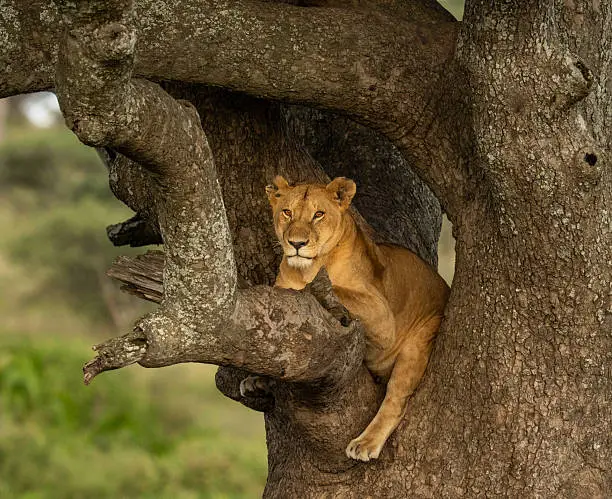
Queen Elizabeth National Park is one of Uganda’s most rewarding safari destinations. It is known for its dramatic landscapes, savannah plains, crater-lake country, river channels, and the famous Kazinga Channel well as strong wildlife viewing opportunities and a variety of activities beyond standard game drives. Whether you are chasing big cats, hippos, elephants, or birds, QENP offers a safari rhythm that feels both classic and uniquely Ugandan.
This safari guide explains what to expect, where to go inside the park, what animals you can realistically see, the best activities to book, when to visit, and practical tips for making your days smoother and more exciting.
Where is Queen Elizabeth National Park?
Queen Elizabeth National Park lies in western Uganda and is one of the country’s largest and most diverse protected areas. It connects multiple habitat types, meaning your safari experience doesn’t stay the same for long. In a short trip you can go from: open savannah, to crater-lake ecosystems, to the riverine landscapes around the Kazinga Channel.
Most itineraries also combine QENP with nearby parks such as Kibale (chimp tracking), Bwindi (gorillas), or Murchison Falls. That combination makes sense because QENP is a central “hub” for western Uganda travel routes.
The Kazinga Channel
The Kazinga Channel is the park’s headline attraction for many visitors. It connects two lakes and draws large numbers of animals to the water. Here you’ll often find hippos in large groups, crocodiles along the banks, elephants coming to drink, and a wide variety of birds that use the channel as a feeding and roosting area. Kazinga Channel wildlife viewing is usually done via boat cruises, where you’re close enough to see behavior rather than just spotting animals at a long distance.
The Savannah and Predator Country
Beyond the channel, Queen Elizabeth offers excellent habitat for large herbivores and their predators. You may encounter lions (in certain areas and seasons), leopards (less predictable but possible), hyenas, plus fast-moving antelopes and grazers that sustain the food chain.
Crater Lakes and Unique Scenery
The park includes areas of crater-lake landscape and rolling terrain. These areas can be scenic for photography and great for spotting different birdlife and animals moving between water sources.
What Animals You Can Expect to See
Safari success isn’t guaranteed, but QENP is considered one of Uganda’s more consistent wildlife destinations. Typical sightings include: elephants, hippos and crocodiles, buffalo, lions, Uganda kob and other antelope species, warthogs and other grazers, and birdlife. If your “must-see list” includes hippos, elephants, or classic savannah species, QENP is well-suited. If you want gorillas, you won’t find them here; QENP is about savannah wildlife and the channel ecosystem.
How to Build a Great Safari Day
A QENP safari isn’t just about game drives. Many lodges and tour operators offer a combination of activities. Choosing the right mix is where the guide makes a big difference.
Game drives are the backbone of most safaris. Many parks are most productive at sunrise and late afternoon when animals are active and temperatures are manageable. If you’re serious about photography, ask your guide about the best spots to pause for stability and light.
A boat safari is often a highlight because animals come to the water in bigger numbers than in many savannah areas. From the boat, you can typically observe, hippos feeding and moving, elephants walking along the shoreline, birds nesting and hunting over the water, crocodiles resting along banks. Boat cruising is also excellent for relaxed viewing, especially if you don’t want to spend every day in a vehicle.
Community and Cultural Visits (Optional but Meaningful). Many itineraries include cultural experiences through community programs near or within park areas.
Nature Walks and Wildlife Tracking. Some areas allow guided walks or specialized activities depending on conditions and regulations. These can be fantastic for, birding and insects, learning plant identification, and understanding animal behavior at ground level. Walking safaris require good footwear and respect for safety guidance. Your guide should brief you on what to do if animals approach.
Best Time to Visit (and How Season Changes the Safari)
Queen Elizabeth can be visited year-round, but seasons influence water levels in the Kazinga Channel region, visibility (dust vs. greenery), vegetation thickness and animal movement patterns, and the overall “feel” of the safari.
In general, drier periods often produce easier road travel and more visible savannah landscapes. Wetter periods can increase greenery and attract animals to consistent water sources, but can also affect road conditions and comfort. Your best approach is to choose a time of year that matches your tolerance for mud on roads, heat and dust, and the comfort level you want during long drives.
How to Get More Out of Every Day
Let your guide know your “priority animals”
If you care about lions, your guide can focus on predator habitats and times. If you care about hippos and elephants, prioritize channel access and water corridors.
Be flexible with routes
Wildlife doesn’t follow schedules. If your guide changes the plan based on real-time sightings or animal movement that often improves results.
Wake up early (if possible)
Early mornings can be magical: lower temperatures, calmer roads, and animals more active.
Bring the right gear
For QENP, essentials usually include: binoculars, a camera with a comfortable lens range, a hat and sunscreen, insect repellent, a light rain jacket, and water for long drives.
Practice “quiet observation”
Some of the best sightings occur when you’re patient and allow animals to come into view naturally.
Is Queen Elizabeth National Park Worth It?
Yes, Queen Elizabeth National Park is one of Uganda’s best safari choices because it combines classic savannah wildlife viewing, a standout Kazinga Channel experience with hippos, elephants, and birds, and scenic diversity that keeps the safari feeling fresh day to day.
[…] a challenging Margherita Peak expedition, or a longer Uganda adventure combining the Rwenzori with Queen Elizabeth National Park, Kibale Forest and Bwindi, we can tailor the itinerary around your […]
[…] with a wider Uganda safari. Depending on the itinerary, a trip can include destinations such as Queen Elizabeth National Park, Kibale Forest, Lake Mburo or Murchison Falls National […]
[…] Queen Elizabeth National Park […]