+256-702 595 926 | info@bookgorillatracking.com

7 Day Uganda Safari Itinerary


This 7-day Uganda itinerary blends classic safari moments with Uganda’s defining experiences; gorilla trekking, chimpanzee trekking, exceptional birding, and a Kazinga Channel boat cruise. It also balances driving time with meaningful activities, so the trip feels full, not rushed.
Day 1: Arrival, Mabamba Birding Tour, and Kampala City Tour
After landing (typically at Entebbe International Airport), you’ll be met by your safari driver/guide and transferred to a hotel in Entebbe. Depending on your arrival time, you may check in, refresh, and enjoy lunch. Kampala is lively and offers a good orientation day an introduction to Ugandan culture before you head into the parks.
Later, you’ll head toward Mabamba Swamp, an important wetland area near Lake Victoria. This is Uganda’s famous birding zone, especially for the rare Shoebill Stork (a must-see if you’re lucky). Even if you don’t find a shoebill immediately, Mabamba’s swamp ecology provides a strong birding experience: dense papyrus, water trails, and frequent sightings of other water birds.
Your guide and boat operator will move carefully through the swamp environment. You’ll learn to read subtle cues, ripples, call patterns, and where birds tend to feed. If shoebills are spotted, the experience is unforgettable because of their prehistoric look and slow, deliberate movement.
After birding, you will drive to Kampala for a city tour. This often includes a mix of viewpoints and city landmarks, local markets (depending on the day’s schedule), and cultural highlights that give context to modern Ugandan life. Dinner is followed by rest, since tomorrow brings your first full wildlife-focused day.
Day 2: Transfer to Lake Mburo National Park, Nature Walk, and Night Game Drive
After breakfast, you begin the journey southwest to Lake Mburo National Park. The drive gives you changing scenery, Uganda gradually shifts from populated areas toward savannah and open landscapes. You’ll check in, settle, and have lunch. Lake Mburo’s setting is special: it’s not just “another savannah park.” The lake and acacia-dotted plains support diverse species and create a strong wildlife density for a smaller park.
After lunch, you’ll head out for a guided nature walk. This is one of the most enriching ways to experience Mburo because it brings you close to insects, plants, and birdlife, tracks and signs of animals, and smaller predators and grazers that you might miss from a vehicle.
Your ranger guide teaches how to interpret the environment, how to estimate animal movement from fresh tracks, how to identify habitat by vegetation patterns, and what to listen for when the bush quiets.
Mburo is one of Uganda’s best parks for evening and night wildlife viewing. The night game drive focuses on nocturnal and crepuscular species, animals that become active after sunset. This may include sightings of nocturnal antelope, bushbabies, and other small wildlife,
while larger predators may also be possible depending on conditions and luck.
Expect a relaxed evening and early sleep. You’ll likely feel the “wild” shift from Kampala to the park environment as the day ends.
Day 3: Morning Game Drive and Transfer to Bwindi
Start early for the best chance at active wildlife. Morning viewing often brings: antelope grazing in open areas, predators or scavengers on patrol, and birds in full feeding mode. Game drive timing helps because animals tend to move and feed more in cooler temperatures.
After breakfast and morning game viewing, you begin the long transfer to Bwindi in southwestern Uganda. The drive is part of the safari story, Uganda’s landscapes become greener as you approach the forest zone. You’ll likely pass through towns and rural communities, then climb toward the park’s mountainous terrain.
When you arrive, check in, have dinner, and rest. If time allows, your guide may brief you lightly on what to expect for gorilla trekking, especially what to wear, how the trekking day starts, and what forest walking feels like.
Day 4: Gorilla Trekking and Optional Batwa Community Tour
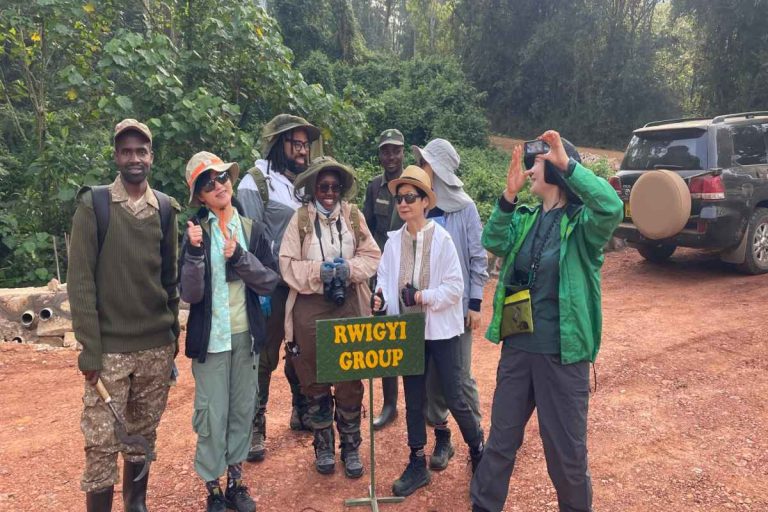
You’ll wake up early for the official gorilla trekking briefing. Rangers explain safety rules, distance requirements, and behavior guidelines. The briefing is important because it protects both visitors and gorillas. You then move to the trailhead area with your team, guide, ranger, and porters if needed.
The trek begins through Bwindi’s dense rainforest. Depending on the gorilla family location, the hike can vary from moderately challenging to physically demanding, often involving steep terrain, roots, and muddy sections. You will be guided at a pace that keeps you safe while allowing the rangers to follow the gorillas’ movement.
When you finally hear or see signs of gorillas, the whole forest changes emotionally. Then comes the moment most travelers dream of: you’re close enough to observe how the family behaves, the encounter becomes calm, observant, and intensely real. You’ll typically have a set time for viewing, and once the time ends, you’ll carefully depart and return.
After trekking, you will return to your lodge. Your body will appreciate a warm meal and a good rest. If you choose the optional Batwa community tour, you will learn about the Batwa (historically forest-dwelling communities) and their cultural relationship with the rainforest ecosystem. This experience is usually structured around storytelling and traditional life, cultural practices, and how conservation efforts intersect with local livelihoods.
Day 5: Game Drive in the Ishasha Sector
After breakfast, you travel to Ishasha, located in the southern part of Queen Elizabeth National Park. The drive is longer, but it’s worth it because Ishasha’s landscapes and wildlife patterns are distinctive. Ishasha is famous for its tree-climbing lions, though sightings depend on season and behavior. Even when lions aren’t in trees, Ishasha is still excellent for savannah wildlife and birdlife. Your afternoon drive focuses on open plains, riverine areas, and the landscape types where wildlife concentrates.
Day 6: Chimpanzee Trekking in Kyambura Gorge and Boat Cruise on Kazinga Channel
Kyambura Gorge is often described as a rainforest island within a savannah region. The transition is striking: you move from open landscapes into a hidden, dramatic gorge environment. Chimpanzee trekking works differently from gorilla trekking. Instead of habituated families you follow into forest space, your trackers locate chimpanzees through calls, movement signs, and sightings. Once you find the chimpanzees, the viewing often feels fast and energetic; chimps can move quickly and interact playfully. This trek can involve steep or uneven terrain, so comfort and careful footwear are important.
After trekking, you’ll return to the lodge area for lunch and to reset before the next highlight.
The Kazinga Channel is one of Uganda’s top wildlife experiences. It connects water systems in the region, and animals gather around the channel in large numbers.
On your boat cruise, you may see hippos resting and moving between feeding spots, crocodiles along riverbanks, elephants walking to drink, and many birds that thrive around the water.
The boat environment lets you observe behavior more naturally than vehicles do, watching how animals move through water, how hippos interact, and how predators balance stealth and timing.
Day 7: Transfer to Entebbe – Departure
If your departure flight is later in the day, you may have a short final viewing moment or a relaxed breakfast. You’ll then drive back to Entebbe, stopping as needed for restroom breaks and quick refreshments. The journey back is your “closing chapter” to the trip, though Uganda’s landscapes remain vivid throughout. You’ll arrive in Entebbe and transfer to the airport for your flight home.