+256-702 595 926 | info@bookgorillatracking.com

What to Pack for Rwenzori Trekking | Complete Gear Guide

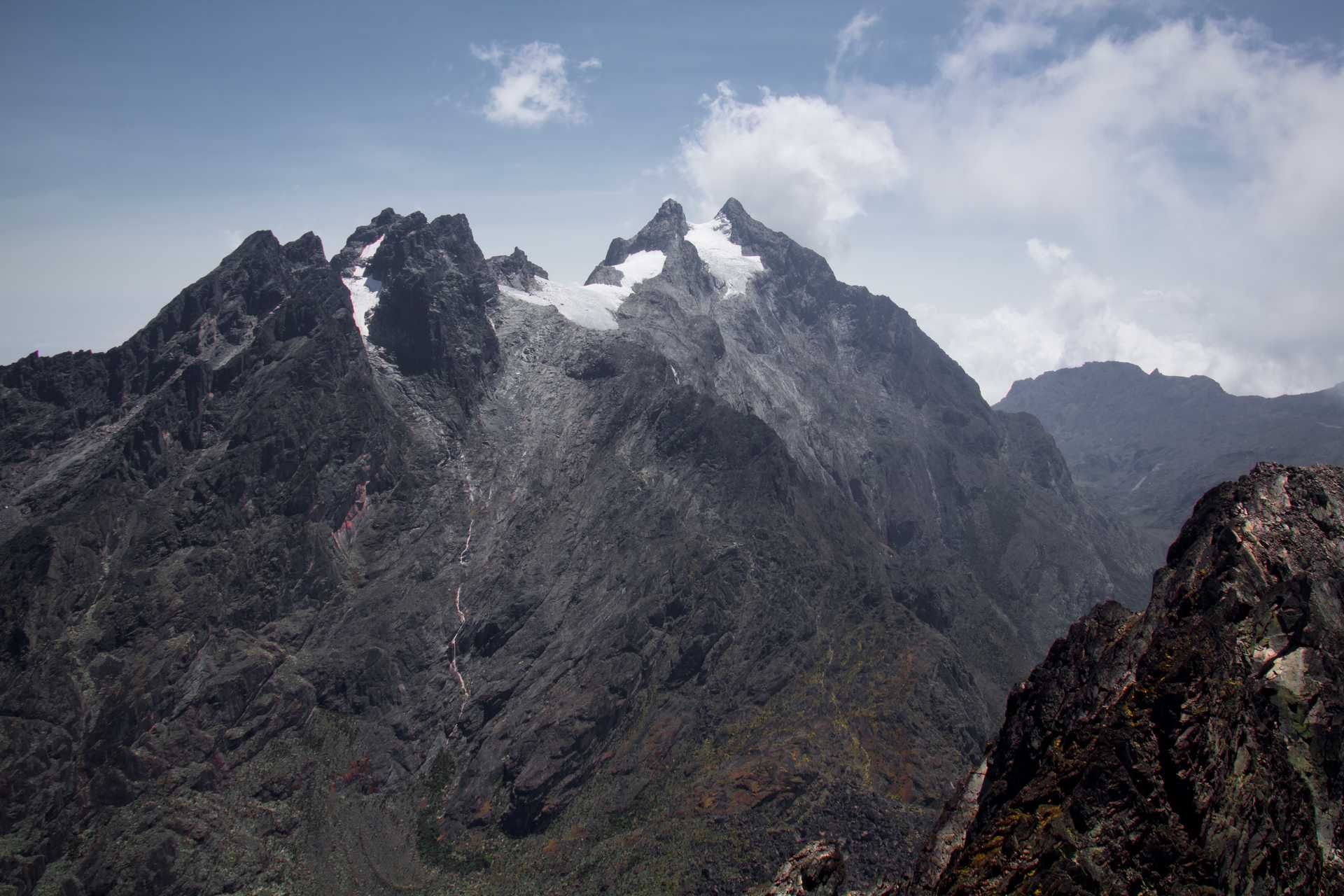
What to Pack for Rwenzori Trekking: Complete Gear and Packing Guide
Knowing what to pack for Rwenzori trekking is one of the most important parts of preparing for an adventure in the Rwenzori Mountains of Uganda.
The Rwenzori Mountains are very different from an ordinary hiking destination. The terrain can be steep and challenging, weather conditions can change quickly, and trekkers pass through several vegetation zones as they gain altitude. You may experience warm conditions in the lower valleys, rain in the forest, cold temperatures at higher elevations and potentially freezing conditions near the mountain peaks.
Because of these changing conditions, the right clothing and equipment can make a major difference to your comfort, safety and enjoyment.
Whether you are preparing for a shorter Rwenzori hike or a longer summit expedition, this Rwenzori trekking packing list will help you understand what to bring, what to wear and what equipment deserves the most attention.
Why Packing Properly for Rwenzori Trekking Matters
The Rwenzori Mountains are known for their dramatic landscapes, challenging terrain and unpredictable mountain weather.
A typical trek can take you through several ecological zones, including cultivated foothills, montane forest, bamboo, giant heather and high-altitude vegetation.
As you climb higher, temperatures generally become colder and conditions can become wetter.
This means you should prepare for several types of weather on the same trek.
Your packing list should therefore cover:
- Rain
- Cold temperatures
- Wet and muddy trails
- Steep terrain
- Long hiking days
- Cold nights
- High-altitude conditions
- Personal hygiene
- Navigation and communication
- Emergency and first-aid needs
The key principle is layering. Instead of carrying one extremely heavy jacket, bring several layers that can be added or removed as conditions change.
Essential Rwenzori Trekking Packing List

Here is a practical overview of the main equipment you should consider.
| Item | Importance |
|---|---|
| Waterproof hiking boots | Essential |
| Waterproof jacket | Essential |
| Waterproof trousers | Highly recommended |
| Warm fleece or mid-layer | Essential |
| Base layers | Essential |
| Warm hat | Essential |
| Gloves | Essential |
| Hiking trousers | Essential |
| Moisture-wicking socks | Essential |
| Backpack | Essential |
| Dry bags | Highly recommended |
| Headlamp | Essential |
| Water bottles or hydration system | Essential |
| Sleeping bag | Usually required |
| Trekking poles | Highly recommended |
| First-aid supplies | Essential |
| Sunscreen and sunglasses | Essential |
| Personal medication | Essential |
| Toiletries | Essential |
| Power bank | Recommended |
The exact equipment requirements can vary according to your route, trekking duration, altitude and the services included in your trekking package.
1. Good Hiking Boots
Your hiking boots are arguably the most important item on your Rwenzori trekking packing list.
Choose boots that are:
- Waterproof
- Comfortable
- Well broken-in
- Supportive around the ankles
- Suitable for muddy terrain
- Suitable for long hiking days
Avoid taking brand-new boots directly onto the mountain.
Wear them several times before your trek so your feet can become accustomed to them.
The Rwenzori trails can be wet and muddy, particularly in the forest and higher-altitude sections, so waterproof footwear can be extremely useful.
Bring enough time to test your boots before departure.
2. Waterproof Jacket
Rain is possible in the Rwenzori Mountains, even when conditions appear good at the beginning of the day.
A good waterproof jacket should be lightweight, breathable and capable of protecting you from sustained rain.
Your jacket should ideally have:
- Waterproof fabric
- Hood
- Adjustable cuffs
- Good ventilation
- Enough room to fit over a fleece
Keep your rain jacket somewhere accessible rather than at the bottom of your backpack.
Mountain weather can change quickly.
3. Waterproof Trousers
Waterproof trousers are another important part of your Rwenzori hiking gear.
They can be worn over your hiking trousers when rain begins and can provide additional protection from wet vegetation, mud and cold wind.
Choose a lightweight pair that can easily be packed into your daypack.
4. Base Layers
Base layers sit directly against your skin and help manage moisture and temperature.
Look for lightweight synthetic or merino-wool materials.
Avoid cotton as your main base layer because it absorbs moisture and dries slowly.
Bring enough base layers to maintain comfort throughout the trek.
5. Warm Fleece or Mid-Layer
A fleece or similar insulating layer is useful when temperatures drop.
You may begin a hiking day feeling warm and later encounter significantly colder conditions as you gain altitude.
A good fleece is lightweight, warm and easy to pack.
For higher elevations, you may need an additional insulated layer.
6. Warm Jacket
If your trek reaches high elevations, bring a properly insulated jacket suitable for cold mountain conditions.
A lightweight down or synthetic insulated jacket can provide valuable warmth during cold evenings and at higher elevations.
Keep it protected from moisture.
If using a down jacket, particular care should be taken to keep it dry because wet down loses much of its insulating ability.
7. Hiking Trousers
Bring comfortable hiking trousers that allow unrestricted movement.
Ideally, they should:
- Dry quickly
- Be breathable
- Allow easy movement
- Provide some protection from vegetation
- Be comfortable for long hiking days
Convertible trousers can be useful for lower elevations, although the weather should determine when they are appropriate.
8. Hiking Socks
Good socks can prevent blisters and help keep your feet comfortable.
Choose moisture-wicking hiking socks rather than ordinary cotton socks.
Bring several pairs so that you can change into dry socks when necessary.
Some trekkers also carry a separate pair specifically for sleeping.
How Many Pairs of Socks Should You Pack?
For a multi-day Rwenzori trek, carry enough socks for regular changes, plus at least one spare pair kept dry for emergencies.
The exact number depends on the length of your trek and your personal preference.
9. Gloves
Do not underestimate the importance of gloves.
Your hands can become cold, especially at higher elevations or when hiking in wet conditions.
A lightweight pair can be useful at lower elevations, while warmer insulated gloves may be necessary higher on the mountain.
Water-resistant gloves are particularly useful in wet conditions.
10. Warm Hat and Sun Hat
Bring both a warm hat and a sun hat.
A warm hat protects your head in cold conditions, while a lightweight sun hat can provide protection during sunny sections of the trek.
A buff or neck gaiter is also useful because it can protect your neck and face from cold wind and sun.
11. Backpack and Daypack
Your trekking operator may arrange porters to carry larger luggage, but you will normally still need a comfortable daypack for personal essentials.
Your daypack should be large enough to carry:
- Water
- Rain jacket
- Snacks
- Camera
- Sunscreen
- Personal medication
- Extra clothing layer
- Phone
- Small personal items
A rain cover is highly recommended.
12. Dry Bags and Waterproof Protection
One of the smartest additions to a Rwenzori trekking packing list is a set of dry bags.
Use them to separate and protect:
- Clothes
- Sleeping equipment
- Electronics
- Documents
- Camera equipment
- Spare socks
Even when your backpack has a rain cover, additional waterproof protection provides another layer of security.
Keeping one complete set of dry clothes in a waterproof bag can be particularly valuable.
13. Sleeping Bag
A suitable sleeping bag is important for multi-day Rwenzori trekking.
Temperatures can become very cold at higher elevations, so your sleeping bag should be appropriate for the expected conditions and altitude of your route.
Ask your trekking operator what sleeping equipment is provided before travelling.
If a sleeping bag is not included, you may need to bring or rent one.
14. Trekking Poles
Trekking poles can be extremely useful on the Rwenzori trails.
They can help with:
- Steep climbs
- Descents
- Muddy trails
- Uneven terrain
- Wet rocks
- Reducing pressure on your knees
Adjustable trekking poles are convenient because they can be shortened when not required.
15. Headlamp
A reliable headlamp should be part of your essential trekking equipment.
You may need it for early morning starts, moving around camps before sunrise or navigating after dark.
Bring spare batteries or a rechargeable power source.
Do not rely solely on your phone’s flashlight.
16. Water Bottles and Hydration
Staying hydrated is important during mountain trekking.
Carry reusable water bottles or a suitable hydration system.
Your guide or trekking operator should explain how water is supplied and treated during the trek.
Do not assume that every natural stream is automatically safe to drink from.
Water should be treated according to the recommendations of your trekking team.
17. Snacks and Energy Food
Long hiking days require energy.
Depending on what is provided as part of your trekking package, useful personal snacks may include:
- Energy bars
- Nuts
- Dried fruit
- Chocolate
- Biscuits
- Electrolyte products
Choose foods that are easy to carry and that you personally enjoy eating.
If you have dietary requirements, inform your trekking operator before departure so suitable meals and snacks can be planned.
18. First-Aid Kit
Carry a small personal first-aid kit even if your trekking team has a larger medical kit.
It can contain:
- Plasters
- Blister treatment
- Antiseptic wipes
- Pain relief medication
- Personal medication
- Small bandages
- Rehydration salts
- Any medication prescribed for you
Your guide or trekking operator should be informed about important medical conditions and medications before the trek.
19. Personal Medication
Bring enough prescription medication for the entire trip, preferably with some additional supply in case of delays.
Keep essential medication in your personal daypack rather than putting everything into luggage carried separately.
It is also sensible to keep medication in waterproof packaging.
20. Sunscreen and Sunglasses
Even when the mountain is cold, exposure to ultraviolet radiation can be significant at higher elevations.
Pack:
- High-SPF sunscreen
- Lip balm with sun protection
- Sunglasses
- Sun hat
Apply sunscreen regularly, particularly to exposed areas such as the face, ears and neck.
21. Toiletries and Personal Hygiene
Your toiletry kit should be lightweight and practical.
Consider bringing:
- Toothbrush
- Toothpaste
- Biodegradable soap
- Small towel
- Wet wipes
- Toilet paper
- Hand sanitiser
- Lip balm
- Moisturiser
- Personal hygiene products
Do not carry unnecessarily large containers.
A small toiletry bag can save considerable weight.
22. Camera and Photography Equipment
The Rwenzori Mountains are an extraordinary photography destination.
You may want to photograph:
- Mountain landscapes
- Forests
- Giant heathers
- Lobelias
- Valleys
- Waterfalls
- Wildlife
- Birds
- Local communities
- Trekking companions
However, protect your equipment carefully from rain and condensation.
A waterproof camera bag or dry bag is recommended.
For most trekkers, one versatile camera and lens combination is preferable to carrying excessive equipment.
Protecting Your Camera on the Rwenzori
Rain and humidity can be challenging.
Consider carrying:
- Waterproof camera cover
- Dry bag
- Lens cloth
- Spare batteries
- Extra memory cards
- Small cleaning kit
Keep electronics protected whenever you are not actively using them.
23. Power Bank and Electronics
Charging opportunities can be limited during a mountain trek.
A good power bank can keep your phone, GPS device or camera accessories operating for longer.
Bring the necessary charging cables and keep electronics protected from moisture.
If you are using rechargeable camera batteries, check with your trekking operator about available charging facilities before departure.
24. Walking Stick
A simple walking stick can be useful on steep and muddy sections.
Some trekkers prefer trekking poles, while others like having a single walking stick.
If you are renting equipment locally, ask your trekking operator what is available.
25. Passport and Important Documents
Do not forget your essential travel documents.
Keep secure copies of:
- Passport
- Visa documentation where applicable
- Travel insurance
- Emergency contacts
- Trekking booking information
- Accommodation details
- Flight information
Store digital copies securely as well as carrying physical copies where appropriate.
What Not to Pack for Rwenzori Trekking
Packing too much can make trekking unnecessarily difficult.
You generally do not need:
- Excessive casual clothing
- Heavy unnecessary electronics
- Large toiletry bottles
- Multiple pairs of bulky shoes
- Excessive food
- Valuable jewellery
- Unnecessary luggage
Focus on equipment that serves a practical purpose.
A lighter pack is usually more comfortable during long hiking days.
What Should You Wear on a Rwenzori Trek?
The best approach is to dress in layers.
A typical system could include:
Base layer → fleece/mid-layer → insulated jacket → waterproof outer layer
For your legs:
Hiking trousers → waterproof trousers when required
This system allows you to adjust your clothing according to the temperature, rainfall and level of physical activity.
Avoid dressing too heavily at the beginning of a climb. You can add layers as temperatures drop.
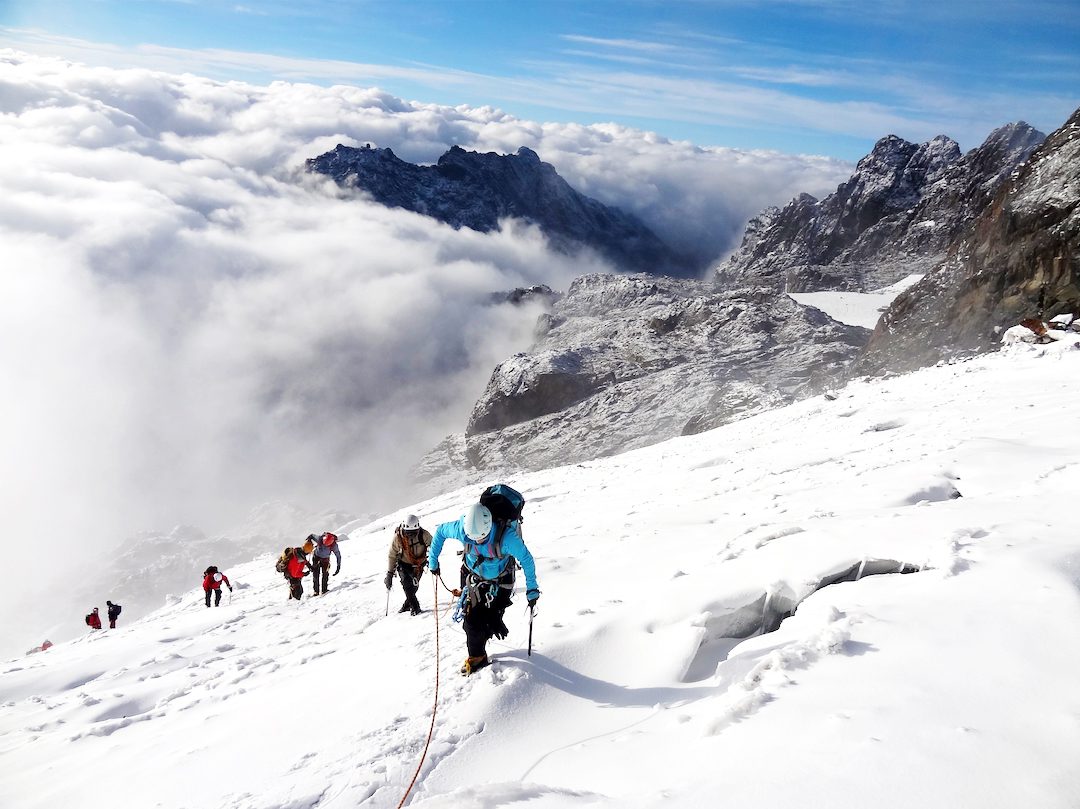
Packing for Different Rwenzori Altitudes
One of the distinctive features of Rwenzori trekking is the change in environment as you climb.
Lower sections can feel relatively warm and humid.
Higher sections can be cold, wet and exposed.
Near the higher peaks, conditions can become much more demanding.
Therefore, do not pack only for the weather you experience when you arrive in Uganda.
Pack for the full range of conditions you could encounter along your route.
Do You Need a Porter on the Rwenzori?
For multi-day Rwenzori trekking, porter services can make the experience considerably easier.
Porters can carry larger and heavier equipment, allowing you to concentrate on walking with a lighter daypack.
If you use porter services, pack your belongings into manageable waterproof bags and clearly separate items that you need during the day from those that can remain with your main luggage.
Using local porters also contributes directly to local employment around the mountain.
Rwenzori Trekking Packing Checklist
Before leaving for the mountain, use this quick checklist:
Clothing
- Hiking trousers
- Base layers
- Fleece
- Insulated jacket
- Waterproof jacket
- Waterproof trousers
- Hiking socks
- Warm hat
- Sun hat
- Gloves
- Buff or neck gaiter
Footwear
- Waterproof hiking boots
- Spare footwear where appropriate
- Extra socks
Trekking Equipment
- Backpack
- Rain cover
- Dry bags
- Trekking poles
- Headlamp
- Water bottles
- Sleeping bag
- Walking stick
Personal Items
- First-aid kit
- Personal medication
- Sunscreen
- Sunglasses
- Toiletries
- Hand sanitiser
- Toilet paper
- Snacks
Electronics
- Camera
- Spare batteries
- Memory cards
- Phone
- Power bank
- Charging cables
Documents
- Passport
- Travel insurance
- Trekking information
- Emergency contacts
Do You Need Special Equipment for Rwenzori Summit Trekking?
If your objective is to reach one of the higher Rwenzori summits, your equipment requirements may be more demanding than those for a lower-altitude mountain hike.
Summit routes can involve colder conditions, more challenging terrain and, depending on the route and summit, specialised mountaineering equipment.
Do not assume that equipment required for a normal mountain hike is sufficient for a technical summit expedition.
Before your trip, ask your trekking operator for a route-specific equipment list and confirm which technical equipment is provided locally and which items you are expected to bring yourself.
This is particularly important if you are planning to climb Margherita Peak on Mount Stanley, the highest summit of the Rwenzori Mountains.
You can also read our guide to Margherita Peak when planning your Rwenzori adventure.
Rwenzori Trekking With Epic Uganda Vacation
Preparing properly for the Rwenzori Mountains is part of the adventure.
The right boots, waterproof clothing, warm layers and personal equipment can make a significant difference when conditions change during the trek.
At Epic Uganda Vacation, we can help you prepare for your Rwenzori trekking experience, including advice on the route, accommodation, equipment, transfers and practical preparation.
Whether you want a shorter Rwenzori hiking experience or a longer expedition towards the high peaks, we can help you plan your journey according to your experience, fitness level and travel schedule.
Frequently Asked Questions About What to Pack for Rwenzori Trekking
What is the most important thing to pack for Rwenzori trekking?
Good waterproof hiking boots, waterproof clothing, warm layers and comfortable hiking socks are among the most important items.
Do I need waterproof clothes for the Rwenzori Mountains?
Yes. Rain is possible throughout the mountain, so a waterproof jacket and waterproof trousers are highly recommended.
Do I need a sleeping bag for Rwenzori trekking?
For multi-day treks, you will normally need suitable sleeping equipment. Whether you need to bring your own sleeping bag depends on the trekking package and equipment provided.
What shoes are best for Rwenzori trekking?
Waterproof, well-broken-in hiking boots with good ankle support and traction are recommended.
Do I need trekking poles?
Trekking poles are not always mandatory, but they can be extremely useful on steep, muddy and uneven sections of the Rwenzori trails.
What should I wear on a Rwenzori trek?
Dress in layers so you can adjust to changing temperatures. A moisture-wicking base layer, fleece or mid-layer, warm jacket and waterproof outer layer are useful.
What should I pack for a Rwenzori summit climb?
Summit expeditions require more specialised preparation. Depending on the route and summit, you may need technical mountaineering equipment. Always obtain a route-specific equipment list from your trekking operator.
Can I hire trekking equipment in Uganda?
Some trekking equipment may be available for hire, depending on the operator and route. Confirm availability and sizes before travelling rather than assuming everything can be rented after arrival.
Start Preparing for Your Rwenzori Trek
The Rwenzori Mountains are one of Uganda’s most extraordinary trekking destinations, but proper preparation is essential.
Pack for rain, cold, mud, steep terrain and changing mountain conditions, rather than packing only for the weather at the base of the mountain.
Most importantly, check your equipment before you travel and confirm with your trekking operator exactly what is included in your package.
If you are ready to explore the Mountains of the Moon, contact Epic Uganda Vacation to start planning your Rwenzori trekking adventure in Uganda.