+256-702 595 926 | info@bookgorillatracking.com

Best Time to Hike Rwenzori Mountains | Uganda Trekking Guide

Best Time to Hike Rwenzori Mountains in Uganda
The best time to hike the Rwenzori Mountains is generally during the drier periods of the year, particularly January and June to July. These months usually offer more favourable conditions for mountain trekking and climbing, although the Rwenzori are known for unpredictable weather and rainfall can occur at any time.
Unlike many East African mountains, the Rwenzori Mountains are exceptionally wet and their high-altitude environment can change quickly. Even during the drier months, hikers should be prepared for rain, mud, mist, cold temperatures and challenging trail conditions.
For travellers planning a trek in Uganda, understanding the Rwenzori hiking season is therefore essential.
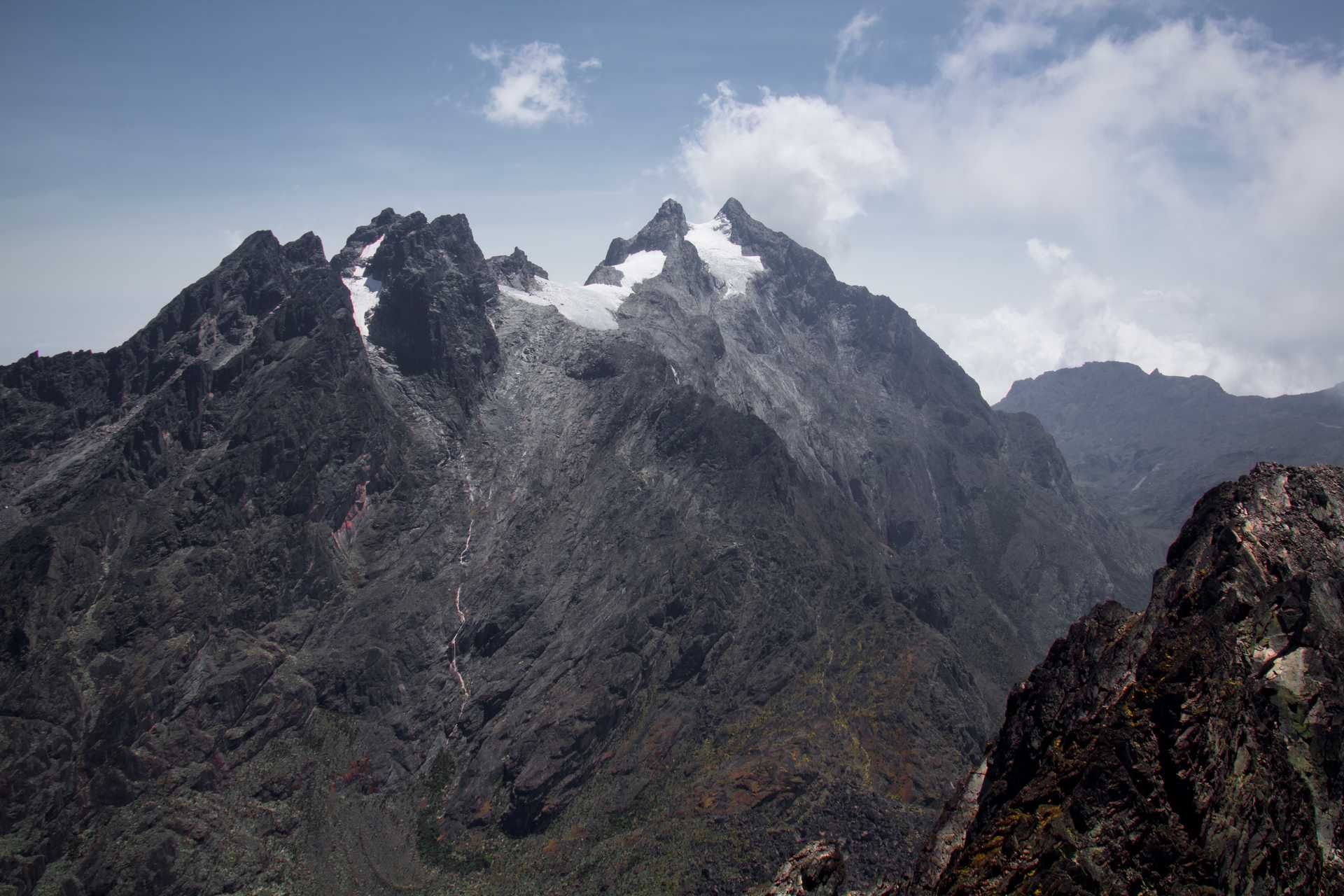
The Rwenzori Mountains offer some of Africa’s most spectacular mountain scenery, including glaciers, alpine vegetation, deep valleys, waterfalls and snow-covered peaks. The range is also home to Mount Stanley and Margherita Peak, which rises to 5,109 metres above sea level.
What Is the Best Month to Hike the Rwenzori Mountains?
If you want the simplest answer, January, June and July are among the best months for a Rwenzori trek.
The Uganda Wildlife Authority identifies January and June–July as the best period for climbing the Rwenzori.
These months generally provide a better balance between rainfall and trekking conditions.
However, it is important to understand that “best time” does not mean completely dry conditions.
The Rwenzori are a high-altitude mountain range with a wet and unpredictable climate. Rain, mist and cold conditions can occur even when you visit during a traditionally dry period.
Therefore, the best strategy is to choose a favourable season while preparing for mountain weather throughout the trek.
Rwenzori Weather Throughout the Year
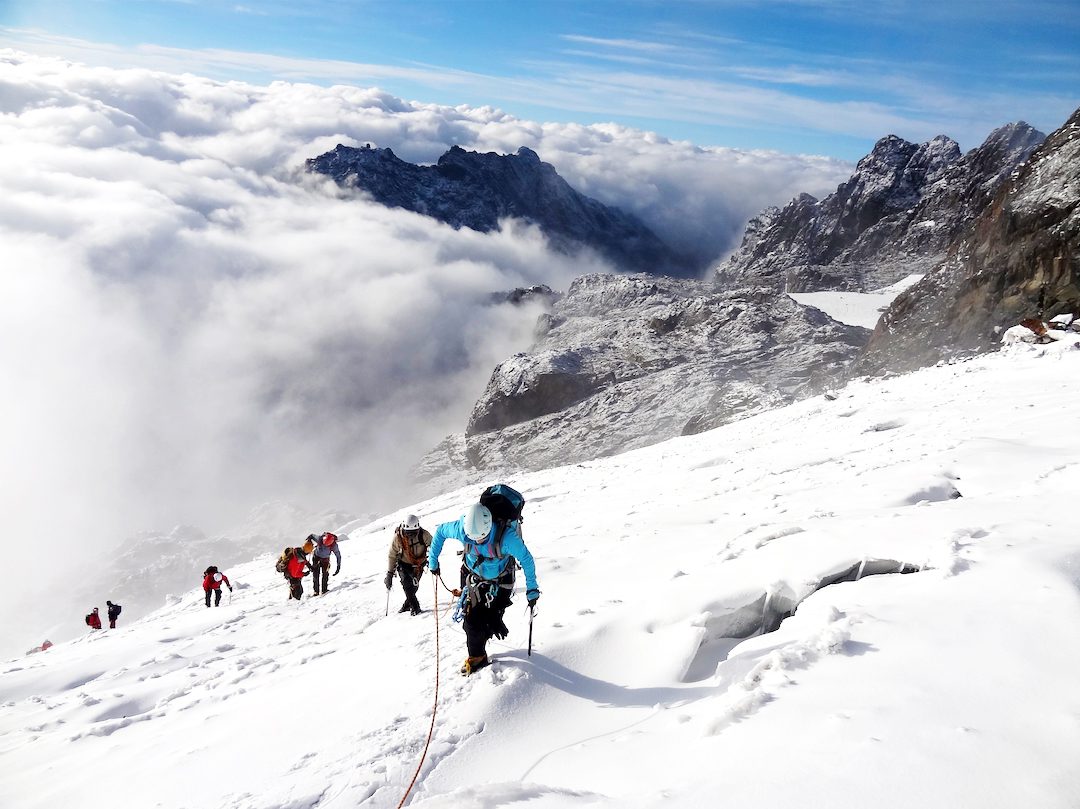
The Rwenzori have a climate that is very different from the warmer plains of Uganda.
As you climb higher, temperatures fall and weather conditions become increasingly alpine.
The mountain experiences significant rainfall, and Uganda Wildlife Authority information notes that rainfall is particularly heavy during parts of March–May and August–December. Even in the drier months, daily rain is possible.
This creates the dramatic landscapes for which the Rwenzori are famous, but it also means hikers need to be properly equipped.
January: Excellent Time for Rwenzori Hiking
January is one of the strongest choices for a Rwenzori trek.
It falls within Uganda’s shorter dry season and is specifically identified by UWA as one of the best months for climbing the mountain.
Advantages can include:
- More favourable trail conditions
- Lower rainfall compared with wetter periods
- Better opportunities for mountain views
- Good conditions for longer trekking days
- A good window for high-altitude climbing
Nevertheless, rain and mist can still occur.
If you are planning to attempt Margherita Peak, January can be an excellent period to consider, subject to current trail and safety conditions.
February: A Good Alternative
February can also be a good month for hiking in Uganda’s mountains.
It falls within the broader December–February drier period, although conditions on the Rwenzori can differ considerably from conditions elsewhere in Uganda.
For hikers who want to avoid the busiest periods while still benefiting from relatively favourable weather, February can be worth considering.
However, the higher elevations remain cold and wet, so proper mountain equipment is essential.
March to May: The Wetter Season
March to May generally brings increased rainfall.
April and May can be particularly wet in many parts of Uganda, and the Rwenzori can become more challenging during prolonged periods of rain.
This does not mean that hiking is impossible.
Experienced hikers can still trek during wetter months, but trails may become:
- Muddy
- Slippery
- Waterlogged
- More difficult to navigate
- More physically demanding
Rain can also reduce visibility, making it harder to enjoy the dramatic mountain views.
For travellers whose priority is the easiest possible trekking conditions, this is generally not the first period I would recommend.
However, if you are an experienced mountain trekker and are comfortable with challenging conditions, the wet season can offer a quieter and exceptionally green mountain experience.
June to July: One of the Best Rwenzori Hiking Periods
June and July are among the best months to hike the Rwenzori Mountains.
They fall within Uganda’s main dry season, and UWA specifically identifies June–July as a favourable climbing period.
This period is particularly attractive for hikers planning longer routes or attempting higher peaks.
Potential advantages include:
- Generally more favourable trail conditions
- Lower rainfall than during the main wet periods
- Good trekking conditions
- Cooler mountain temperatures
- Opportunities for clearer views
- Excellent conditions for photography when visibility is good
Because this is also a popular travel period in Uganda, early planning is advisable.
August to December: Wetter and More Unpredictable
From August onward, rainfall becomes more significant in the Rwenzori.
UWA describes August–December as one of the wetter periods in the mountain climate.
This can make trails more challenging, particularly in boggy and high-altitude sections.
However, the Rwenzori do not simply switch between “rainy” and “dry” in the same way as some safari destinations.
Weather can change rapidly.
You could experience sunshine in the morning, cloud and mist later in the day, followed by rain.
This is one of the defining characteristics of hiking the Rwenzori.
December: Another Good Window
December falls within Uganda’s broader shorter dry season and can provide another useful opportunity for mountain trekking.
Tourism Uganda identifies December–February as one of Uganda’s drier periods, while UWA’s Rwenzori information specifically highlights January and June–July as the strongest climbing period.
For this reason, I would describe December as a reasonable trekking window, but recommend January if you have flexibility and your priority is choosing one of the strongest months.
Best Time to Climb Margherita Peak
If your goal is not simply hiking in the Rwenzori foothills but climbing Margherita Peak, weather becomes even more important.
At 5,109 metres, Margherita Peak is the highest point of Mount Stanley and one of Africa’s highest summits.
The summit involves demanding high-altitude terrain and can include snow, ice, rock, glaciers and difficult weather conditions.
For a Margherita Peak expedition, the preferred period is generally the drier season, particularly January and June–July.
However, summit conditions can change regardless of the month.
This is why current information from your trekking operator and park authorities should always take priority over a general seasonal guide.
In 2024, Uganda Wildlife Authority announced that hiking to Margherita Peak had resumed following safety improvements, including a bridge across a glacier crevasse and additional climbing ropes.
Is Margherita Peak Suitable for Beginners?
Margherita Peak should not be treated as an ordinary hiking excursion.
It is a demanding high-altitude mountaineering experience requiring good physical preparation, appropriate equipment and experienced guides.
For travellers who want to experience the Rwenzori without attempting the highest summit, there are shorter and lower-altitude trekking options.
Tourism Uganda notes that shorter, non-technical treks and day hikes are possible in the Rwenzori area.
Best Time for a Rwenzori Photography Trip
Photographers may prefer the drier months because improved visibility can create better opportunities for mountain landscapes.
The Rwenzori offer extraordinary photographic subjects, including:
- Snow-covered peaks
- Glaciers
- Giant lobelias
- Giant groundsels
- Bamboo forests
- Heather-covered slopes
- Mountain valleys
- Lakes
- Waterfalls
- Misty forests
However, don’t assume that a completely clear day is always best.
Mist and clouds are part of the visual character of the Rwenzori and can produce dramatic photographs.
If photography is your priority, allowing extra time on the mountain can be more valuable than trying to predict the exact day when visibility will be perfect.
Best Time for Birding in the Rwenzori
The Rwenzori are also an important destination for birdwatchers.
The mountain ecosystem supports numerous bird species, including species associated with the Albertine Rift.
Possible birding highlights include:
- Rwenzori Turaco
- Handsome Francolin
- Archer’s Robin-Chat
- Blue-headed Sunbird
- Scarlet-tufted Malachite Sunbird
- Rwenzori Batis
- Kivu Ground Thrush
- Shelley’s Crimsonwing
Tourism Uganda records more than 250 bird species in Rwenzori Mountains National Park and highlights the area’s Albertine Rift birdlife.
A specialist birding trip may therefore combine the Rwenzori with other western Uganda destinations such as Bwindi, Kibale and Queen Elizabeth National Park.
What Is the Rwenzori Like During the Rainy Season?
Hiking during the wetter months can be challenging, but it also has advantages.
The mountain becomes intensely green, waterfalls can be impressive and the vegetation appears particularly lush.
The disadvantages are mainly practical.
You may encounter:
- Muddy trails
- Slippery rocks
- Persistent rain
- Reduced visibility
- Wet clothing and equipment
- Colder conditions
- More demanding trekking days
For experienced hikers, these conditions can be part of the adventure.
For first-time high-altitude trekkers, however, choosing a drier period is generally more comfortable.
Does It Rain in the Rwenzori During the Dry Season?
Yes.
This is one of the most important things to understand before booking a Rwenzori trek.
The Rwenzori are not a mountain destination where a “dry season” guarantees clear skies.
UWA notes that even during the drier months, daily rainfall can occur.
Therefore, every trek should be planned with rain in mind.
A waterproof jacket, waterproof trousers and protection for your backpack and electronics are essential.
What Should You Pack for a Rwenzori Hike?
Regardless of the month you choose, you need to prepare for cold, wet and changing mountain conditions.
Important items include:
- Waterproof hiking boots
- Waterproof jacket
- Waterproof trousers
- Warm base layers
- Fleece or insulated jacket
- Warm hat
- Gloves
- Good-quality socks
- Sleeping bag suitable for cold temperatures
- Headlamp
- Backpack rain cover
- Water bottles or hydration system
- Walking poles
- Sunglasses
- Sunscreen
- Personal first-aid supplies
- Dry bags for electronics
Your exact equipment list should depend on the route, altitude, number of trekking days and whether you are attempting a summit.
How Long Does It Take to Hike the Rwenzori?
The length of a Rwenzori trek depends on the route and your objective.
Shorter hikes can explore the foothills and lower mountain environments.
Longer expeditions are required for high-altitude routes and summit attempts.
A Margherita Peak expedition normally requires several days on the mountain, allowing time for acclimatisation and the ascent and descent.
Tourism Uganda notes that longer Rwenzori hiking experiences can take around 7–12 days, depending on the route and objective.
The most appropriate itinerary should therefore be selected based on your fitness, experience and specific goal.
Rwenzori Hiking vs. Margherita Peak Climbing
These terms are sometimes used interchangeably, but they represent different experiences.
Rwenzori hiking can include shorter trails, forest walks, foothill hikes and multi-day trekking without reaching the highest summit.
Margherita Peak climbing is a much more demanding high-altitude mountaineering expedition.
If you simply want to experience the extraordinary landscapes of the Mountains of the Moon, you do not necessarily have to climb to 5,109 metres.
This distinction is important when planning your Uganda adventure.
Can You Hike the Rwenzori All Year Round?
Rwenzori trekking is possible outside the preferred dry periods, but the conditions can be more difficult.
The mountain’s weather is unpredictable, and rainfall occurs even during the drier months.
For the best balance of trekking conditions and weather, January and June–July are the strongest months to consider, while December–February and June–August broadly represent Uganda’s more favourable dry periods.
If your travel dates are fixed during a wetter period, that does not automatically mean you should cancel your trek. Instead, prepare properly and work with an experienced local mountain operator.
How to Combine Rwenzori Hiking With a Uganda Safari
One of the advantages of travelling in Uganda is that a Rwenzori trek can be combined with a classic wildlife safari.
A well-planned itinerary could combine:
Rwenzori Mountains → Queen Elizabeth National Park → Bwindi Impenetrable National Park → Lake Mburo → Entebbe
This gives you the opportunity to experience:
- Mountain trekking
- Alpine landscapes
- Elephants
- Lions
- Hippos
- Chimpanzees
- Mountain gorillas
- Forest birds
- Savannah wildlife
For travellers with more time, the Rwenzori can also be combined with Kibale National Park, Murchison Falls National Park or other destinations in western Uganda.
Why Hike the Rwenzori Mountains?
The Rwenzori are unlike most other mountain destinations in East Africa.
Instead of simply climbing toward a summit, you pass through several distinct ecological zones, from montane forest and bamboo to giant heather, alpine vegetation and the high-altitude landscape around the glaciers.
The mountains are also a UNESCO World Heritage Site and one of Uganda’s most distinctive adventure destinations.
For travellers who want a physically challenging but deeply rewarding experience, the Rwenzori offer an extraordinary combination of mountain scenery, biodiversity and adventure.
Best Time to Hike Rwenzori: Our Recommendation
If you are asking us to choose the best time to hike the Rwenzori Mountains, our first choices would be:
January – one of the most favourable months for climbing.
June to July – another strong window with generally better trekking conditions.
December to February – a broader favourable period to consider, although January is particularly recommended for climbing.
March to May and August to December – generally wetter and potentially more challenging, although experienced hikers can still trek with proper preparation.
Most importantly, do not choose your travel dates based on weather statistics alone. Mountain conditions can change quickly, and safety, route conditions and current guidance from the park and trekking operator should always take priority.
Plan Your Rwenzori Hiking Adventure With Epic Uganda Vacation
The Rwenzori Mountains are one of Uganda’s greatest adventure destinations.
Whether you want to explore the lower mountain trails, undertake a multi-day trek or challenge yourself to reach Margherita Peak, choosing the right season can make your experience more comfortable and enjoyable.
At Raptors africa safaris, we can help you combine Rwenzori hiking with a wider Uganda safari, including Queen Elizabeth National Park, Kibale, Bwindi, Lake Mburo and other destinations.
Tell us your preferred travel dates, hiking experience and the type of Rwenzori experience you want, and we can help design a suitable Uganda itinerary.
Ready to explore the Mountains of the Moon? Contact Epic Uganda Vacation to start planning your Rwenzori hiking adventure.
Frequently Asked Questions About the Best Time to Hike Rwenzori
What is the best time to hike the Rwenzori Mountains?
January and June to July are among the best periods for hiking and climbing the Rwenzori. These months generally offer more favourable conditions, although rain can occur at any time.
What is the best month to climb Margherita Peak?
January is one of the strongest months to consider, with June and July also offering favourable conditions. Summit weather can change quickly, so current mountain conditions should always be checked before departure.
Can I hike the Rwenzori during the rainy season?
Yes. Hiking is possible during wetter months, but trails can be muddy and slippery and visibility may be reduced. Experienced hikers who are properly equipped can still enjoy the mountains.
Does it rain in the Rwenzori during the dry season?
Yes. The Rwenzori receive rainfall even during the drier periods, so waterproof clothing should always be included in your packing list.
How cold is the Rwenzori Mountains?
Temperatures become increasingly cold as you gain altitude, and conditions around the higher peaks can fall below freezing. Warm clothing and appropriate high-altitude equipment are essential.
How many days do I need to hike the Rwenzori?
It depends on the route and your objective. Shorter hikes can be completed in fewer days, while high-altitude and Margherita Peak expeditions require multi-day itineraries.
Is Rwenzori hiking difficult?
Yes. The difficulty depends on the route, but multi-day Rwenzori trekking is physically demanding. Margherita Peak is a serious high-altitude mountaineering challenge.
Can I combine Rwenzori hiking with gorilla trekking?
Yes. A Rwenzori and gorilla trekking itinerary is an excellent way to combine Uganda’s mountain adventure with one of the country’s most famous wildlife experiences.
What is the Rwenzori Mountains best known for?
The Rwenzori are famous for their dramatic mountains, glaciers, high-altitude vegetation, waterfalls, biodiversity and Mount Stanley’s Margherita Peak, one of Africa’s highest summits.