+256-702 595 926 | info@bookgorillatracking.com

Uganda Safari from Europe

If you are coming from Europe and dreaming of an “ultimate Africa” experience, where gorillas climb out of the mist, chimpanzees chatter in the canopy, and landscapes shift from savannah to rainforest, Uganda is one of the most compelling safari destinations on the continent. Often described as the “Pearl of Africa,” Uganda offers a rare combination: dense wildlife, dramatic scenery, cultural encounters, and some of the most immersive primate experiences in the world. From European departure hubs, Uganda is far but surprisingly practical to reach, and once you’re there, the adventure feels both wild and human-friendly.
This article walks you through what to expect from a Uganda safari traveling from Europe: when to go, how to plan your route, the best parks for different interests, what tours typically include, and how to pack and prepare.
Why Uganda is Different
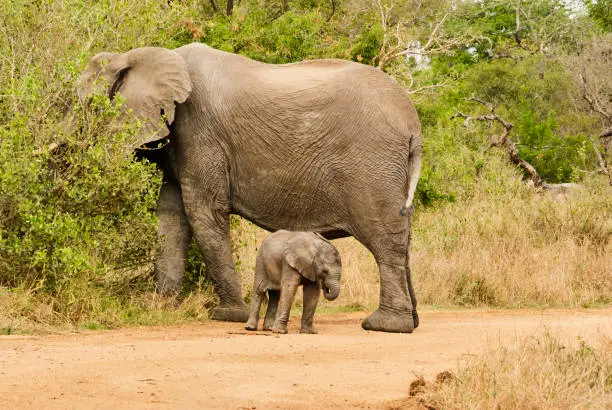
Many safari trips from Europe focus on big-game classics: lions, elephants, and vast open plains. Uganda certainly has its share of iconic animals (including elephants and buffalo), but what truly distinguishes Uganda is its primate biodiversity and accessibility of unique experiences.
Gorilla trekking in Bwindi Impenetrable Forest (a once-in-a-lifetime encounter).
Chimpanzee tracking in Kibale National Park and other forested areas.
Birding and scenic hikes across rainforest, crater lakes, and rolling hills.
Savannah wildlife in parks like Murchison Falls National Park.
Cultural experiences that make your trip feel grounded and personal.
For travelers from Europe, this blend is especially appealing because it offers “variety within one country.” Instead of choosing between a beach break and a safari in faraway regions, Uganda gives you a compact but diverse wildlife and landscape itinerary.
When to Go for a Safari in Uganda
Uganda’s climate is defined mostly by rainfall rather than a strict dry-wet calendar like some destinations. That said, there are two main rainy periods and corresponding dry windows.
June to August is often a reliable choice for many regions. December to February is another generally favorable window, especially for wildlife viewing. These periods tend to make roads more manageable and trekking conditions more comfortable (though “comfortable” still means you should be prepared for a workout).
Rain can be heavy in March to May and October to November, but it also brings life to the landscape, bright greenery, rushing rivers, and often fewer crowds. If you don’t mind mud and want a more relaxed travel rhythm, rainy seasons can be appealing.
If your priority is gorilla trekking, plan with buffer days. Weather can affect access and the daily conditions of trails, so choosing a dependable seasonal window can protect your schedule.
How to Get To Uganda from Europe
Flights to Uganda commonly route through major hubs, with Entebbe International Airport (EBB) being the typical entry point. From Europe, many itineraries include one connection, often via regional gateways (for example, through Middle Eastern or African hubs).
Plan for a slightly slower pace than a short European city break. A Uganda safari is more about experiences than speed, and distances can feel substantial because you’re traveling through varied terrain.
Best Places for a Uganda Safari
Uganda’s parks and forests are not all the same. The best itinerary depends on your interests. Here’s how the safari puzzle typically comes together.
Murchison Falls National Park
If you want a blend of savannah wildlife and one of Uganda’s most impressive natural features, Murchison Falls this park is a must. A dramatic spectacle as the Nile squeezes through a narrow gorge. Many itineraries combine vehicle drives with time on the river. For many European travelers, starting here provides a “big safari” feeling: open landscapes, classic wildlife moments, and a strong sense of adventure.
Kibale National Park
If gorillas are your dream, chimpanzees are often an equally thrilling “next step.” Kibale is among the best-known places to experience them, thanks to its forest habitat. You’ll spend time searching for the families that live in the trees. Uganda’s forest ecosystems can surprise you with additional species. Kibale is rewarding for birdwatchers. This is also a great region if you want a safari that feels more intimate and rainforest-like rather than purely savannah.
Bwindi Impenetrable Forest
Bwindi is the heart of Uganda’s gorilla tourism. Trekking here is not a quick hike, it’s an expedition shaped by weather, terrain, and where the gorillas decide to move. You’ll follow guides and trackers through the forest. Watching gorillas interact and feeding or resting in the wild is profoundly moving. Most travelers describe the experience as emotionally powerful, not just “a wildlife sighting.”
Permits are limited, and interest is high. Arrange well in advance, especially if you’re traveling during peak season or school holiday periods in Europe.
Queen Elizabeth National Park
Queen Elizabeth is often a “middle anchor” for safari itineraries. The landscapes are varied and the wildlife opportunities feel broad. Boat excursions linked to rivers and channels. Game drives, where sightings can include elephants and a range of species. Crater-lake scenery and dramatic views. This is a region that can make your safari feel like a balanced mix of activity and beauty.
How Long Should a Typical Uganda Safari?
Many trips run 10 to 14 days, especially when gorilla trekking is involved. This duration gives you time for travel days, permits, and the reality that trekking experiences aren’t guaranteed on demand. In Uganda, your safari doesn’t just “happen.” It unfolds based on wildlife movement, forest conditions, and logistics. A longer trip reduces stress and increases the chance that you’ll enjoy each day fully.
Is Uganda Safari Worth It from Europe?
For Europeans who want a safari that combines classic wildlife with world-class primate encounters, Uganda is extraordinarily compelling. The country offers experiences that feel rare, intimate, and scenic, with a logistical structure that, while involving travel time, can be efficiently organized via multi-day itineraries. If you approach your trip with realistic expectations (trekking is physical, weather can change plans, permits require advance planning), Uganda delivers in a way that feels unforgettable.
Whether you’re chasing gorillas, dreaming of chimpanzees, or simply hoping for an adventurous, meaningful journey beyond the usual tourist circuit, a Uganda safari is one of the most rewarding ways to experience Africa, especially from Europe.