+256-702 595 926 | info@bookgorillatracking.com

Uganda, Rwanda and Congo Border Crossings: Travel Guide


Land Border Crossings Between Uganda, Rwanda and Congo: A Complete Travel Guide
Introduction
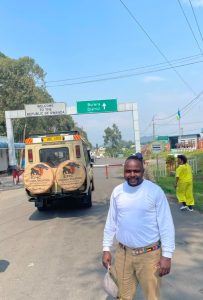
Uganda, Rwanda and the Democratic Republic of the Congo (DRC) share borders in the Great Lakes region of East and Central Africa. These neighbouring countries offer remarkable wildlife experiences, including mountain gorilla trekking, eastern lowland gorilla encounters, chimpanzee trekking, volcano hiking and rainforest exploration.
For travellers planning a multi-country safari, understanding the main land border crossings is essential. The correct crossing can influence driving distances, itinerary arrangements, immigration procedures and the time needed to travel between national parks and cities.
Important crossings include Katuna–Gatuna between Uganda and Rwanda, Cyanika–Kyanika between Rwanda and Uganda, Rusizi I and Rusizi II between Rwanda and the DRC, and Grande Barrière between Gisenyi in Rwanda and Goma in the DRC.
These border posts do not all connect three countries directly. Instead, they provide different routes through the region, allowing travellers to understand how journeys between Uganda, Rwanda and Congo can be organised.
Important safety notice: Border operations and travel restrictions can change quickly, particularly in eastern DRC. Before planning a trip, verify the latest official border status, immigration requirements and government travel advisories.
1. Katuna–Gatuna Border Crossing: Uganda and Rwanda
Katuna–Gatuna is one of the principal land crossings between Uganda and Rwanda. Katuna is the Ugandan side, located in Kabale District, while Gatuna is the Rwandan side in the country’s Northern Province.
The crossing lies along an important road corridor connecting Kampala and Kabale with Kigali. It also supports commercial trade and regional passenger transport.
Uganda’s Revenue Authority identifies Katuna–Gatuna as a One Stop Border Post, where relevant border agencies coordinate immigration and customs procedures.
Why is Katuna–Gatuna important for safari travellers?
The crossing can be useful for travellers combining Uganda and Rwanda in one itinerary. Depending on the route and the locations of booked activities, it may serve visitors travelling between Kigali, Kabale and parts of southwestern Uganda.
Potential itinerary connections include:
- Kigali to Kabale and onward to Bwindi Impenetrable National Park.
- Uganda gorilla trekking followed by a return journey to Rwanda.
- Multi-country road trips combining Rwanda’s cultural attractions with Uganda’s wildlife parks.
- Regional journeys between Kampala and Kigali.
The best crossing depends on the safari route. Katuna–Gatuna is not necessarily the most convenient option for every gorilla trekking sector.
What should travellers know?
Travellers should carry the appropriate passport or other officially accepted travel document, visa or entry authorisation where required, and any documents needed for a vehicle crossing.
Driving times and border processing times vary. Confirm current operating hours before departure, especially if your itinerary includes a scheduled gorilla trekking briefing or international flight.
2. Cyanika–Kyanika Border Crossing: Rwanda and Uganda
Cyanika–Kyanika is another important land crossing between Rwanda and Uganda. Cyanika is on the Rwandan side, while Kyanika is on the Ugandan side near Kisoro District.
The crossing is particularly relevant to travellers visiting the volcanic highlands of northwestern Rwanda and southwestern Uganda.
Why use Cyanika–Kyanika?
This route can be convenient for journeys between Musanze in Rwanda and Kisoro in Uganda. It is particularly relevant to travellers combining:
- Volcanoes National Park in Rwanda.
- Mgahinga Gorilla National Park in Uganda.
- Gorilla trekking in the southern or southwestern parts of Uganda, depending on the itinerary.
- Cultural visits and scenic drives through the Virunga highlands.
The crossing may be more convenient than Katuna–Gatuna for some journeys involving Kisoro or Mgahinga. However, the correct route depends on the exact lodges, trekking sectors and other stops included in the itinerary.
Practical information
The road passes through a mountainous region, where fog, rain and winding roads may affect journey times. Travellers should allow sufficient time for border formalities and onward transfers.
Cyanika–Kyanika is an international crossing between two countries, not a direct crossing into the DRC. A third-country destination requires a separate authorised route and the relevant immigration procedures.
3. Rusizi I Border Crossing: Rwanda and the Democratic Republic of the Congo
Rusizi I is a major crossing connecting the Kamembe area of southwestern Rwanda with Bukavu in South Kivu Province, DRC.
Kamembe is associated with Rusizi District and was historically known as Cyangugu. The crossing lies near the southern end of Lake Kivu, where the Ruzizi River flows out of the lake.
Why is Rusizi I important?
Under normal operating conditions, the crossing provides a connection between southwestern Rwanda and Bukavu. It is relevant to travellers researching Kahuzi-Biega National Park, eastern lowland gorillas and other attractions in South Kivu.
Potential route connections historically included:
- Kamembe and the wider Rusizi District.
- Bukavu and Kahuzi-Biega National Park.
- Regional journeys around Lake Kivu.
- Road travel linking southwestern Rwanda with eastern DRC.
However, these routes should not be interpreted as currently available tourism itineraries.
Current safety considerations
The security situation in South Kivu and changing public-health restrictions have affected cross-border movement. The UK government’s travel advice warns that the Rwanda–DRC crossings can close at short notice and advises against travel to Bukavu and other parts of eastern DRC.
Before considering this crossing, travellers must confirm whether ordinary passenger movement is permitted, whether health screening applies and whether the onward route is safe.
4. Rusizi II Border Crossing: Rwanda and the Democratic Republic of the Congo
Rusizi II is another crossing between Rwanda and the DRC, located in the Rusizi–Bukavu border area. It is distinct from Rusizi I and has an important role in regional trade.
In June 2025, Rwanda’s Ministry of Infrastructure announced the provisional handover of the new Rusizi II One Stop Border Post facility, designed to improve border processing and facilitate trade between the two countries.
What is the difference between Rusizi I and Rusizi II?
Both crossings connect Rwanda and the DRC, but they are separate border facilities with different infrastructure and traffic arrangements.
Rusizi II has a particular role in commercial transport and customs processing. Rusizi I is the established crossing associated with the town-centre connection between Kamembe and Bukavu.
The distinction matters because travellers should not assume that information about one crossing automatically applies to the other.
Can tourists use Rusizi II?
That depends on the current operating arrangements and applicable restrictions. The existence of a modern border facility does not guarantee that ordinary tourism crossings or onward travel into eastern DRC are permitted.
Confirm passenger eligibility, border opening status, visa requirements and the security situation before considering this route.
5. Grande Barrière Border Crossing: Rwanda and the Democratic Republic of the Congo
Grande Barrière, also known as La Corniche, connects Gisenyi in Rwanda with Goma in the DRC. It is one of the principal crossing points between the two countries in the northern Lake Kivu region.
The border is strategically important for residents, traders and regional transport. It is also historically associated with travellers visiting Volcanoes National Park in Rwanda or researching Virunga National Park in the DRC.
Why is Grande Barrière important?
Under normal operating conditions, this crossing links two neighbouring urban areas separated by the international border.
Potential regional connections include:
- Gisenyi and the Rwandan Lake Kivu shoreline.
- Goma and the northern Lake Kivu region.
- Travel involving Volcanoes National Park in Rwanda.
- Historical routes towards Virunga National Park and other destinations in eastern DRC.
The Grande Barrière crossing should not be confused with Petite Barrière, another crossing between Gisenyi and Goma.
Current border status and safety
Border opening hours and restrictions have changed repeatedly in recent years. In October 2026, reporting indicated that authorities controlling the Goma area had announced extended operating hours, while other Congolese authorities raised concerns about those changes. Such announcements should not be treated as a guarantee of safe or unrestricted passage.
The security situation in North Kivu remains volatile, and official travel advisories warn that the border may close at short notice.
For safari planning, do not assume that travellers can safely cross Grande Barrière simply because a border service is reported to be operating. Confirm the latest restrictions, the legal status of the crossing for your nationality and the safety of the destination beyond the border.
6. How Do These Border Crossings Connect Uganda, Rwanda and Congo?
The crossings form part of a wider regional network rather than one continuous border between all three countries.
| Border crossing | Countries connected | Main regional relevance |
|---|---|---|
| Katuna–Gatuna | Uganda and Rwanda | Kampala–Kabale–Kigali road corridor |
| Cyanika–Kyanika | Rwanda and Uganda | Musanze–Kisoro and the Virunga highlands |
| Rusizi I | Rwanda and DRC | Kamembe–Bukavu connection |
| Rusizi II | Rwanda and DRC | Regional trade and customs processing |
| Grande Barrière | Rwanda and DRC | Gisenyi–Goma connection |
Travellers combining Uganda, Rwanda and Congo must use separate authorised crossings for each international border. They must also ensure their visas, vehicle arrangements and itinerary comply with the rules of every country they enter.
7. Documents Required for Land Border Crossings
Requirements vary according to nationality, residency, travel purpose and the border being used. Before departure, check the immigration authorities of the countries concerned.
Common requirements may include:
- A valid passport or another officially accepted travel document.
- A visa or entry authorisation, if required for your nationality.
- Evidence of onward travel or accommodation where requested.
- Yellow fever vaccination documentation where required by the destination country.
- Vehicle registration and authorisation if crossing in a private or hired vehicle.
- Insurance and any required cross-border vehicle documents.
- Health screening documents or other public-health requirements where applicable.
Citizens of certain East African Community countries may qualify for specific travel-document arrangements. Do not assume these arrangements apply to every foreign visitor.
8. Tips for Planning a Multi-Country Safari
Choose the crossing according to your itinerary
Select the border based on the location of your accommodation, national parks and scheduled activities. A crossing that appears geographically close may not be the most practical route once road conditions and border formalities are considered.
Allow time for immigration
Border queues, customs procedures and vehicle checks can affect travel times. Avoid scheduling a border crossing too close to a flight departure or a time-sensitive trekking activity.
Confirm the rules for hired vehicles
Some safari vehicles may not be authorised to cross international borders. Your operator may need to arrange a vehicle change, local transfer or additional documentation.
Verify the situation before departure
Border operations may change because of security incidents, public-health measures or administrative decisions. Check official announcements shortly before travelling.
Prioritise safety over convenience
In particular, routes through North Kivu and South Kivu require careful assessment. Do not enter a region against official travel advice merely to preserve a multi-country itinerary.
Frequently Asked Questions
Can I travel from Uganda to Congo through Rwanda?
Geographically, Uganda, Rwanda and the DRC are connected through several regional routes. However, a journey involving all three countries requires authorised crossings, appropriate documents and confirmation that the intended route is safe and operational.
What is the difference between Katuna and Gatuna?
They are the names used on opposite sides of the same Uganda–Rwanda border crossing. Katuna is in Uganda; Gatuna is in Rwanda.
Are Cyanika and Kyanika the same border?
Yes. Cyanika is the Rwandan side, and Kyanika is the Ugandan side of the crossing near the Kisoro–Musanze route.
Are Rusizi and Cyangugu the same place?
Cyangugu is the former name commonly associated with the Kamembe area in southwestern Rwanda. Rusizi is the name of the district and is also used in the names of the Rusizi I and Rusizi II border posts.
What is Grande Barrière?
Grande Barrière, or La Corniche, is a major border crossing between Gisenyi in Rwanda and Goma in the DRC. Its operating status and safety conditions must be confirmed before travel.
Which crossing should I use for gorilla trekking?
For Uganda–Rwanda journeys, Katuna–Gatuna or Cyanika–Kyanika may be appropriate depending on the parks and lodges in your itinerary. Routes involving eastern DRC require additional scrutiny because of the security situation and restrictions affecting tourism.
Plan Your East African Safari With Raptors Africa Safaris
Understanding the land border crossings between Uganda, Rwanda and the Democratic Republic of the Congo helps travellers plan more realistic regional itineraries. Katuna–Gatuna and Cyanika–Kyanika connect Uganda with Rwanda, while Rusizi I, Rusizi II and Grande Barrière connect Rwanda with the DRC.
The best route depends on the traveler’s nationality, permits, accommodation, transport arrangements and the current status of each border.
Raptors Africa Safaris helps travellers research wildlife destinations and safari routes across East Africa. Before booking any cross-border journey, confirm official entry requirements and the latest security advice, especially for destinations in eastern DRC.
For more information about gorilla trekking and regional safari planning, visit Book Gorilla Tracking.
[…] is also geographically connected to Rwanda through the Rusizi border area. Although cross-border travel has historically been possible, visitors should never assume that […]