+256-702 595 926 | info@bookgorillatracking.com

Lake Munyanyange, Uganda: Flamingos & Birding

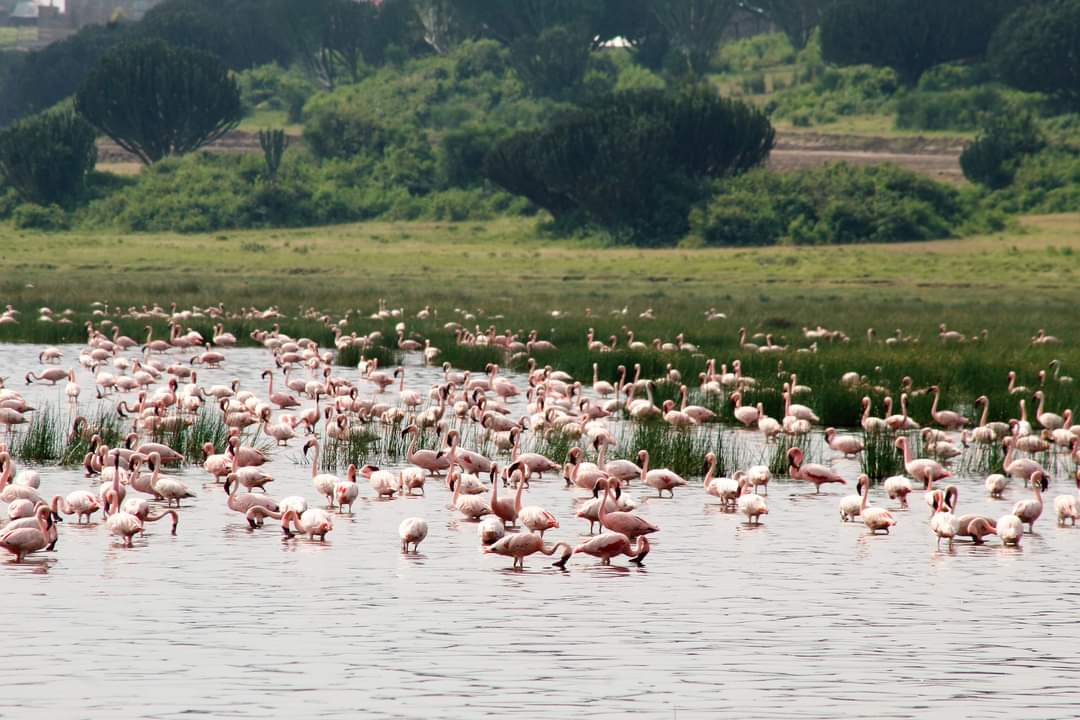
Lake Munyanyange, Uganda: Flamingos, Birdwatching and Crater Lake Safari Guide
Lake Munyanyange is a small seasonal crater lake in southwestern Uganda, near Katwe town and Queen Elizabeth National Park. It is known for attracting lesser flamingos and other waterbirds when conditions are favourable, making it an interesting destination for birdwatchers, photographers and nature lovers exploring western Uganda.
Unlike the larger freshwater lakes in the region, Lake Munyanyange is shallow and saline. Its changing water levels and mineral-rich environment create seasonal wetland habitats that can attract migratory birds, including flamingos.
A visit to Lake Munyanyange can be combined with traditional salt mining at nearby Lake Katwe, scenic drives through the Katwe crater-lake landscape and wildlife activities in Queen Elizabeth National Park. For travellers seeking more than a conventional game drive, this small lake offers an opportunity to discover another side of Uganda’s natural heritage.
Where Is Lake Munyanyange?
Lake Munyanyange is located near Katwe town in Kasese District, western Uganda. It lies northeast of Lake Katwe, close to the Queen Elizabeth National Park landscape and the Katwe-Kikorongo volcanic crater field.
The lake is a shallow, seasonal saline crater lake associated with the wider Kazinga Wildlife Sanctuary landscape. Although it is closely linked to tourism in Queen Elizabeth National Park, it is described in Uganda’s bird-monitoring reports as lying just outside the park itself.
Its location makes it convenient to include in a safari itinerary that features the Katwe area, the Kazinga Channel, wildlife drives and birdwatching in Queen Elizabeth National Park.
Why Is Lake Munyanyange Famous?
Lake Munyanyange is best known for its birdlife, especially seasonal concentrations of lesser flamingos.
The lake’s shallow water and saline conditions can support food sources used by waterbirds. When water levels and feeding conditions are suitable, flamingos may gather to feed and rest.
However, the lake is highly seasonal. It has dried out completely on some occasions, and official bird monitoring has recorded concerns about declining bird numbers and changing ecological conditions. Flamingo sightings therefore cannot be guaranteed on any particular visit.
For birdwatchers, this uncertainty is part of the reason to travel with a knowledgeable local guide who can advise on current conditions and alternative birding sites.
Lesser Flamingos at Lake Munyanyange
The lesser flamingo is the bird most closely associated with Lake Munyanyange. These elegant birds are known for their pinkish plumage, long legs and distinctive downward-curved bills, which help them feed on small organisms in suitable saline and alkaline waters.
Lake Munyanyange is one of the Ugandan sites used by lesser flamingos during their movements around the East African Rift Valley. Their presence depends on food availability, water levels and wider regional conditions.
When can you see flamingos?
Flamingos have been reported at Lake Munyanyange during parts of the second half of the year and into the following months. Published sources give different seasonal windows, and the lake’s changing conditions mean there is no single reliable month for every year.
If seeing flamingos is a priority, ask your safari operator or local birding guide to check recent reports before finalising your itinerary.
How to observe flamingos responsibly
Flamingos can be sensitive to disturbance, particularly when feeding or resting. Visitors should observe them from suitable viewpoints and avoid walking towards flocks in an attempt to get closer photographs.
Binoculars and a camera with a telephoto lens are useful. They allow you to enjoy the birds without disturbing their natural behaviour.
Birdwatching at Lake Munyanyange
Although flamingos are the main attraction, Lake Munyanyange also provides opportunities to look for other waterbirds and shorebirds.
Species recorded at the lake include:
- Lesser flamingo: The principal birding attraction when present in suitable numbers.
- Egyptian goose: A waterbird recorded during official monitoring of the lake.
- Pied avocet: A distinctive wader that may be found around shallow waters and muddy margins.
- Black-winged stilt: A long-legged wader associated with wetlands.
- Sacred ibis: A familiar wetland bird recorded at the site.
- Cattle egret: Often seen feeding in open areas and around livestock.
- Spur-winged plover: A ground-dwelling wader found in suitable open wetland habitats.
- Yellow-billed egret: Another species recorded during lake monitoring.
These species are based on documented observations rather than a guarantee of what visitors will see on a particular day. The official bird-monitoring report notes that the lake’s bird community and abundance can change considerably with conditions.
Birding beyond Lake Munyanyange
To make the most of a birdwatching holiday, combine Lake Munyanyange with other habitats in the Queen Elizabeth National Park region.
Kazinga Channel: Look for aquatic birds from a boat or suitable viewpoints along the channel.
Lake George: Explore a wider wetland and freshwater-lake environment.
Mweya Peninsula: Search for birds around the peninsula and its surrounding water bodies.
Maramagambo Forest: Discover forest species that differ from the waterbirds around the crater lakes.
Katwe crater-lake area: Explore additional volcanic lakes and open landscapes, with opportunities to learn about local geology and traditional salt production.
Combining several habitats can produce a more varied bird list than visiting one lake alone.
The Landscape and Ecology of Lake Munyanyange
Lake Munyanyange is part of the volcanic landscape surrounding Katwe. Ancient geological activity created numerous craters in the region, some of which hold water while others are dry or have different mineral characteristics.
The lake’s shallow basin and saline water conditions make it distinct from freshwater lakes such as Lake George. Its margins can become muddy, and the extent of open water changes with rainfall and evaporation.
These changes affect the habitats available to birds. When water levels are suitable, exposed shallow margins may provide feeding areas for waders, while other conditions may reduce the lake’s value as a wetland habitat.
The ecosystem is also vulnerable to pressures such as disturbance, waste and changes in surrounding land use. Protecting the lake and its birdlife is important for maintaining its ecological value and long-term tourism potential.
Things to Do at Lake Munyanyange
1. Go birdwatching
Birdwatching is the main reason many visitors include Lake Munyanyange in their Uganda safari. Explore the lake with a local guide, look for seasonal flamingos and identify the waders and other waterbirds that use the shoreline.
For the best experience, check recent bird reports and allow flexibility in your schedule.
2. Enjoy wildlife and landscape photography
The combination of a crater-lake setting, open water and seasonal birdlife creates opportunities for landscape and wildlife photography.
Early morning and late afternoon can offer attractive light, depending on weather and access. Use a long lens for distant birds and avoid approaching flocks too closely.
3. Visit the nearby Lake Katwe salt works
Lake Katwe is a separate saline lake near Munyanyange and is known for its traditional salt extraction industry. A guided visit can introduce travellers to local salt-mining techniques, the community’s livelihoods and the area’s history.
Combining the two lakes provides an interesting contrast between traditional industry and wetland birdlife.
4. Explore the Katwe crater-lake landscape
The wider area features volcanic craters, scenic viewpoints and other geological features. A guided drive through suitable parts of the region can provide insight into the landscape and how the lakes differ in water chemistry, appearance and use.
Road conditions and access should be checked locally, especially after heavy rain.
5. Combine the visit with a Queen Elizabeth National Park safari
Lake Munyanyange works well as a stop on a broader itinerary that includes wildlife viewing in Queen Elizabeth National Park. Travellers can add a game drive, a Kazinga Channel boat cruise or other birdwatching locations, depending on the available time.
Lake Munyanyange and Lake Katwe: What Is the Difference?
Although the lakes are close to each other, they offer different visitor experiences.
| Feature | Lake Munyanyange | Lake Katwe |
|---|---|---|
| Main interest | Seasonal birdwatching | Traditional salt mining |
| Lake type | Shallow, saline crater lake | Saline crater lake |
| Wildlife highlight | Lesser flamingos when present, plus other waterbirds | Birdlife may occur, but salt extraction is the principal cultural attraction |
| Visitor experience | Birding and landscape photography | Guided cultural and industrial heritage visit |
| Best approach | Check recent bird sightings and water levels | Arrange a respectful guided visit with local access advice |
Visiting both lakes offers a fuller understanding of the Katwe area, combining its ecological significance with the traditional industries that support nearby communities.
Best Time to Visit Lake Munyanyange
Lake Munyanyange can be visited at different times of the year, but the experience depends on rainfall, water levels and bird movements.
For flamingos
Flamingos are seasonal visitors, and the timing and size of their gatherings vary. Historical reports describe sightings during different periods, so travellers should confirm current conditions rather than relying on a fixed calendar.
For general birdwatching
Birdwatching is worthwhile whenever suitable water levels and bird activity coincide. However, the lake may have very little water or dry out completely, reducing opportunities to observe waterbirds.
For combining with a wildlife safari
The broader Queen Elizabeth National Park region can be visited throughout the year. Relatively dry periods may make some roads easier to navigate, but the best itinerary depends on your target wildlife, birding interests and travel conditions.
Travel tip: If flamingos are the main reason for visiting, ask your guide to verify recent sightings shortly before your trip and have an alternative birding location in mind.
How to Get to Lake Munyanyange
Lake Munyanyange is reached by road from the Katwe area in western Uganda. Most international visitors include it as part of a Queen Elizabeth National Park safari.
From Kampala or Entebbe
Travellers can drive west through Uganda towards Queen Elizabeth National Park, with an overnight stop or lunch break depending on the itinerary. The journey takes several hours, and total travel time depends on traffic, road conditions and stops.
From Kasese
Kasese is a convenient regional base for exploring parts of Queen Elizabeth National Park and the Katwe area. Local road conditions and the best approach to the lake should be confirmed before setting out.
From Mweya Peninsula
Travellers staying around Mweya can arrange an excursion to the Katwe crater-lake area. Whether it is best as a separate excursion or part of a wider circuit depends on the day’s activities, road conditions and the locations of other planned stops.
A local guide or tour operator can help coordinate access and suggest the most productive birdwatching route.
Where to Stay Near Lake Munyanyange
Most visitors stay in the Queen Elizabeth National Park area rather than selecting accommodation solely for Lake Munyanyange.
Mweya Peninsula
Mweya is a useful base for travellers who want to combine birdwatching with a Kazinga Channel boat cruise and wildlife drives in the central part of Queen Elizabeth National Park.
Katunguru and nearby areas
Accommodation around Katunguru may suit visitors exploring the Kazinga Channel region and other attractions in the park. Check transfer times to the Katwe crater lakes before booking.
Kasese
Kasese offers additional accommodation choices for travellers moving through western Uganda. It may be convenient for some routes, although the distance to planned activities should be considered.
When choosing accommodation, consider your full itinerary, not only the distance to the lake. Confirm current rates, availability, road access and activity arrangements with the lodge or tour operator.
Responsible Tourism and Conservation at Lake Munyanyange
Lake Munyanyange is a valuable but vulnerable wetland habitat. Responsible tourism helps reduce disturbance and supports continued appreciation of its birdlife.
Visitors should:
- Keep a respectful distance from flamingos and other birds.
- Avoid walking through the lake or muddy shoreline without local guidance.
- Never chase birds for photographs or block their movement.
- Take all rubbish away and avoid contaminating the lake.
- Follow local access rules and conservation guidance.
- Use knowledgeable local guides where available.
- Ask permission before photographing community members.
The lake’s seasonal changes and recorded declines in bird numbers underline the importance of protecting the wetland. Tourism should encourage conservation rather than place additional pressure on the habitat.
Is Lake Munyanyange Worth Visiting?
Lake Munyanyange is worth including in a Uganda safari for travellers interested in birdwatching, crater-lake landscapes and lesser-known natural attractions.
Its main appeal is the opportunity to observe seasonal flamingos and other waterbirds in a distinctive saline lake environment. The nearby Lake Katwe salt works add a cultural dimension, while Queen Elizabeth National Park provides opportunities for game drives and boat-based wildlife viewing.
The lake is best approached as part of a wider itinerary rather than a destination where flamingo sightings can be guaranteed. With flexible planning and current local information, it can be a rewarding stop for birders and nature enthusiasts exploring western Uganda.
Plan Your Lake Munyanyange Birding Safari with Raptors Africa Safaris
Raptors Africa Safaris can help you include Lake Munyanyange in a tailor-made Uganda safari. Combine crater-lake birdwatching with a Lake Katwe salt-mining visit, a Kazinga Channel boat cruise and wildlife viewing in Queen Elizabeth National Park.
Whether you are planning a dedicated birding holiday or a wider Uganda safari that includes chimpanzee tracking and mountain gorilla trekking, we can help you build an itinerary around your interests, travel dates and budget.
Contact Raptors Africa Safaris to plan your Uganda birding safari and discover the crater lakes and wildlife of Queen Elizabeth National Park.
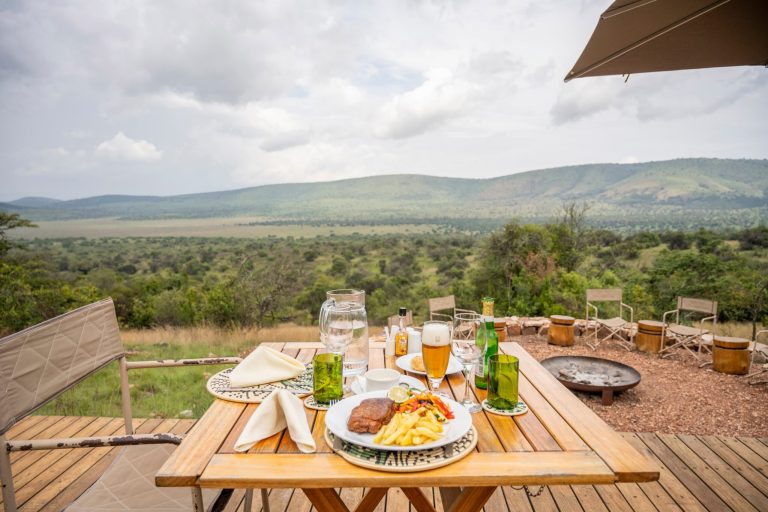
[…] can be combined with game drives in the Kasenyi Plains, a visit to Lake Katwe, birdwatching at Lake Munyanyange and other attractions in Queen Elizabeth National […]