+256-702 595 926 | info@bookgorillatracking.com

Kibale Night Primate Walk: Nocturnal Wildlife in Uganda

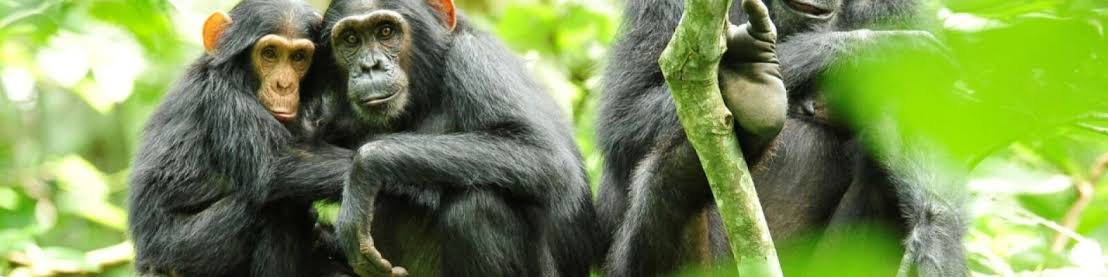
Kibale Night Primate Walk: Nocturnal Wildlife in Uganda’s Rainforest
The Kibale night primate walk is one of the most fascinating activities for travelers who want to discover Uganda’s rainforest after dark. Located in western Uganda near Fort Portal, Kibale National Park is famous for chimpanzee trekking, but its wildlife experience does not end at sunset. When daylight fades, nocturnal animals become active, offering visitors a different perspective on the forest.
During a guided night walk, visitors explore the forest with an experienced guide and, according to the current arrangements, authorized park personnel. Using spotlights to look among tree branches and vegetation, the team searches for nocturnal primates such as bushbabies and pottos, along with other wildlife that is difficult to observe during the day.
The walk also provides an opportunity to experience the rainforest’s night sounds, from insects calling in the undergrowth to the movements of animals through the trees. For wildlife enthusiasts, photographers and travelers looking for something beyond daytime chimpanzee trekking, the Kibale night primate walk is a memorable addition to a Uganda safari.
What Is the Kibale Night Primate Walk?
The Kibale night primate walk is a guided nocturnal forest experience that takes place after sunset. Unlike standard chimpanzee trekking, which focuses on locating chimpanzees during daylight, the night walk is designed to help visitors discover animals that are active at night.
The experience typically begins with a briefing before participants enter the forest with their guide. A spotlight or torch is used to scan the vegetation for eye-shine and movement, helping the guide locate animals without unnecessarily disturbing them.
Published Kibale activity information describes night walks departing at approximately 7:30 p.m. and lasting around 1.5 to two hours, although schedules can change. Confirm the current meeting point, departure time and duration when booking.
The experience is not a conventional hiking trip or a guaranteed wildlife sighting tour. It is a slow, attentive exploration of the forest at night, with sightings depending on weather, animal activity and the guide’s ability to locate wildlife.
Nocturnal Animals to Look for During the Kibale Night Walk
Kibale’s tropical rainforest supports a variety of nocturnal wildlife. The animals encountered vary from one night to another, so visitors should treat the following as possible sightings rather than a guaranteed checklist.
1. Bushbabies
Bushbabies, also known as galagos, are small nocturnal primates with large eyes, strong hind legs and an impressive ability to leap between branches.
They become active after dark, searching for food and moving through the forest canopy. Their calls can sometimes be heard before the animals are located with a spotlight.
Watching a bushbaby leap through the trees can be one of the highlights of a night walk. Their movements are fast, however, and a clear photograph may be difficult to obtain.
2. Pottos
The potto is a slow-moving nocturnal primate that spends much of its time in trees. It has large eyes adapted for low-light conditions and a distinctive appearance.
Unlike the fast-moving bushbaby, a potto may remain relatively still on a branch while feeding or moving through the forest. Finding one requires patience and a careful search of the vegetation.
A knowledgeable guide can help visitors distinguish a potto from other animals encountered during the night walk.
3. Tree Hyraxes
Tree hyraxes are mammals that can be difficult to observe during the day. Their calls may carry through the forest after dark, sometimes sounding surprisingly loud for an animal of their size.
If a tree hyrax is located, visitors may have an opportunity to observe it among branches or in a tree hollow. Sightings depend on its location and activity.
4. Civets and Other Nocturnal Mammals
Depending on the night and the route, visitors may encounter other nocturnal mammals, potentially including civets and other small forest-dwelling species.
These animals are generally elusive, and seeing them is never guaranteed. Guides must identify wildlife accurately rather than promising a particular species on every walk.
5. Night Birds, Insects and Other Forest Life
The night walk is not limited to primates. Visitors may hear or see nightjars, owls, moths, crickets and other creatures that become active after dark.
Even when larger animals are not visible, the forest remains full of activity. Listening to nocturnal calls and learning about the behavior of insects and mammals can make the walk rewarding in its own right.
How the Kibale Night Primate Walk Works
A typical experience follows these steps:
- Arrive for the briefing: Meet the guide at the designated location and receive instructions about safety, equipment and behavior in the forest.
- Enter the forest after dark: Walk at a measured pace along an approved route.
- Search for nocturnal wildlife: The guide uses a spotlight to scan trees and vegetation for animals and eye-shine.
- Observe animals quietly: Stop when wildlife is located and follow instructions about viewing distance and photography.
- Return with the guide: Leave the forest as a group and follow the designated exit arrangements.
The walk is generally around 1.5–2 hours according to published activity information, but actual arrangements should be confirmed before travel.
Kibale Night Walk Fees and Booking
Night-walk prices depend on visitor category and the applicable Uganda Wildlife Authority tariff.
The available 2026–2028 tariff listing includes a Kibale night nature walk associated with flying squirrel tracking at the following rates:
| Visitor category | Published rate |
|---|---|
| Foreign non-resident | US$50 |
| Foreign resident | US$30 |
| Rest of Africa | US$30 |
| East African citizen | UGX 20,000 |
Important: Confirm with Uganda Wildlife Authority or your tour operator that this is the correct tariff for the specific night primate walk you want to book, and ask whether park entrance fees are charged separately. Tariff descriptions and activity arrangements may change.
To arrange your walk:
- Confirm the date and departure time.
- Ask whether the activity is operating on your planned evening.
- Check the current fee and what it includes.
- Confirm the meeting point and transport arrangements.
- Reserve through an authorized provider before arriving.
Rules for the Kibale Night Primate Walk
The night walk takes place in the natural habitat of wild animals. Visitors should follow the guide’s instructions throughout the experience.
- Remain with the group and do not walk away from the guide.
- Keep quiet and avoid shouting or sudden movements.
- Never touch, feed, chase or attempt to handle wildlife.
- Do not shine lights continuously into an animal’s eyes; follow the guide’s instructions for using spotlights.
- Avoid flash photography unless the guide confirms that it is permitted under current rules.
- Do not litter or damage plants.
- Wear suitable footwear and watch your step on uneven or slippery ground.
- Inform your operator about mobility concerns or relevant health issues before booking.
- Follow any additional instructions issued during the briefing.
Night walks are not the same as chimpanzee trekking. If you want to observe chimpanzees, you must book the appropriate daytime tracking activity and permit. A night walk does not include a chimpanzee tracking permit.
What to Wear and Carry
The rainforest can be damp, and walking after dark requires extra care. Pack:
- Sturdy walking shoes or hiking boots with good grip
- Long trousers and a long-sleeved top
- A lightweight waterproof jacket
- Insect repellent
- A small backpack
- A fully charged torch or headlamp, if permitted by your guide
- A camera with low-light capability, if desired
- Any essential personal medication
Ask your tour operator whether a spotlight is supplied. Avoid bringing unnecessary equipment that makes walking difficult, and use lighting only as directed.
Best Time for a Kibale Night Primate Walk
Night walks may be available throughout the year, subject to park operations and weather conditions. The dry periods, commonly around June to September and December to February, can make forest trails easier to walk on.
Rainy conditions may make trails muddy and slippery. However, nocturnal animal activity varies naturally, and no season guarantees better sightings.
If the night walk is a priority, confirm its availability for your travel date and avoid planning a tight connection immediately afterward. Allow time to return to your lodge and prepare for the next day’s activities.
Where to Stay for the Kibale Night Walk
Choose accommodation based on the confirmed meeting point and your planned activities. Lodges closer to the relevant park access point can make evening transfers more convenient.
Accommodation options in the wider Kibale area include:
- Primate Lodge Kibale: A forest-oriented option for visitors prioritizing chimpanzee trekking and access to the Kanyanchu area.
- Turaco Treetops: A nature-focused lodge for travelers combining forest activities with relaxation.
- Chimpundu Lodge: An upscale option for visitors seeking comfortable accommodation in the Kibale area.
- Isunga Lodge: A hillside property known for its surrounding forest and countryside views.
- Kibale Forest Camp: A more rustic, nature-oriented accommodation option.
Check each property’s current operating status, location, transfer time and evening transport arrangements before booking. Do not assume that every lodge provides a complimentary transfer to and from a night walk.
Combine the Night Walk with Other Kibale Activities
Chimpanzee Trekking
Chimpanzee trekking is Kibale’s best-known wildlife activity. Visitors walk with authorized guides to locate habituated chimpanzees and observe their behavior during the day.
Adding a night walk creates a contrast between daytime primate activity and nocturnal wildlife.
Bigodi Wetland Sanctuary
Bigodi Wetland Sanctuary is a community-based attraction near Kibale, known for guided wetland walks, birdwatching and opportunities to see monkeys. It is an excellent choice for a morning or afternoon excursion.
Birdwatching in Kibale
Kibale’s forest trails support many bird species. A guided birding excursion can help visitors find forest birds and learn about the area’s biodiversity.
Kasenda Crater Lakes
The crater lakes near Fort Portal provide opportunities for scenic drives, countryside walks and photography. They can be included in a longer stay before or after visiting Kibale Forest.
Frequently Asked Questions About the Kibale Night Primate Walk
What time does the Kibale night walk start?
Published activity information gives a typical departure time of around 7:30 p.m. Confirm the exact time and meeting point with your tour operator or Uganda Wildlife Authority.
How long does the night primate walk last?
It typically lasts around 1.5–2 hours, although the duration can vary with current arrangements, weather and wildlife activity.
Which animals can I see?
Possible sightings include bushbabies, pottos, tree hyraxes and other nocturnal mammals, as well as night birds and insects. Sightings are not guaranteed.
Is the Kibale night walk the same as chimpanzee trekking?
No. The night walk focuses on nocturnal wildlife. Standard chimpanzee tracking is a separate daytime activity requiring the appropriate permit.
Is the night walk suitable for children?
Age requirements and suitability depend on current park rules, the route and the child’s ability to walk safely after dark. Confirm the minimum age and arrangements with the park authority before booking.
Do I need a permit for the night primate walk?
The activity has its own fee and booking arrangements. Confirm the required payment, whether park entrance is additional and how to reserve with an authorized provider.
Can I take photographs during the night walk?
Photography depends on conditions and current instructions. Use low-light equipment if available, and follow your guide’s directions about flash and spotlight use.
Book a Kibale Night Primate Walk with Raptors Africa Safaris
The Kibale night primate walk offers a different way to experience Uganda’s tropical rainforest. Searching for bushbabies, pottos and other nocturnal wildlife with an experienced guide can add an unusual and rewarding dimension to a safari.
For the best experience, confirm the current activity schedule and fee, choose accommodation with convenient evening transport, and consider combining the walk with chimpanzee trekking, birdwatching or a visit to Bigodi Wetland Sanctuary.
Contact Raptors Africa Safaris to include a Kibale night primate walk in your Uganda itinerary. We can help you plan transport, accommodation and available forest activities around your travel dates and interests.