+256-702 595 926 | info@bookgorillatracking.com

Kyambura Gorge: Uganda’s Valley of Apes

Kyambura Gorge: The Valley of Apes in Uganda
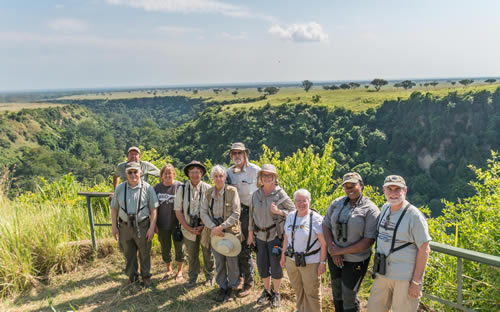
Kyambura Gorge, popularly known as the Valley of Apes, is one of the most remarkable places to visit in Queen Elizabeth National Park, western Uganda. Hidden beneath the surrounding savannah plains, this spectacular gorge shelters a tropical forest where chimpanzees, monkeys, birds and other wildlife thrive.
For travellers interested in chimpanzee trekking in Uganda, Kyambura Gorge offers an unusual experience: descending into a forested valley to search for wild chimpanzees while exploring one of the park’s most distinctive landscapes. Visitors can combine the trek with birdwatching, guided nature walks, game drives and a boat cruise along the Kazinga Channel.
Kyambura is also worth considering for travellers looking for a primate experience during a wider Uganda wildlife safari. Although chimpanzee sightings are not guaranteed, the gorge’s scenery, biodiversity and location within Queen Elizabeth National Park make it an appealing destination.
Where Is Kyambura Gorge Located?
Kyambura Gorge is situated in the eastern part of Queen Elizabeth National Park in southwestern Uganda. It lies within the Albertine Rift region, an area recognised for its diverse wildlife, forests, wetlands and dramatic landscapes.
The gorge is carved into the surrounding savannah and contains a riverine forest supported by the Kyambura River. Its steep slopes and dense vegetation create a striking contrast with the open grasslands above.
From the surrounding plains, the forest appears as a green corridor cutting through the landscape. Inside the gorge, the environment changes noticeably, with shaded trails, trees, vines, birdsong and opportunities to observe primates in their natural habitat.
Kyambura Gorge is managed as part of the Queen Elizabeth Conservation Area, and chimpanzee tracking is conducted under the relevant wildlife authority arrangements.
Why Is Kyambura Gorge Called the Valley of Apes?
The name “Valley of Apes” refers to the chimpanzees and other primates that inhabit the gorge and its surrounding landscape.
The forest provides an important habitat within a largely savannah-dominated national park. Chimpanzees live in the gorge, while other primates may be seen in the forest and nearby areas.
The gorge is especially interesting because it creates a relatively enclosed forest environment surrounded by open grassland. This unusual setting makes the experience different from visiting a large, continuous rainforest such as Kibale Forest.
However, chimpanzees are wild animals that move freely through the forest. Visitors may hear their calls or find signs of their activity without necessarily seeing them. It is best to approach Kyambura as a forest and wildlife experience rather than expecting a guaranteed chimpanzee encounter.
Top Things to Do in Kyambura Gorge
1. Chimpanzee Trekking in Kyambura Gorge
Chimpanzee trekking is the main activity in Kyambura Gorge. It allows visitors to explore the forest with trained guides and search for wild chimpanzees.
The experience usually begins with a briefing at the designated meeting point. Visitors then follow their guides into the gorge, where they look for chimpanzees and learn about their behaviour, feeding habits, communication and forest habitat.
The trek can involve descending steep slopes, walking on uneven ground and climbing back out of the gorge. Trail conditions depend on the weather, and walking may be more challenging after rain.
When chimpanzees are located, visitors must follow the guide’s instructions, maintain the required distance and avoid disturbing the animals. Standard tracking generally allows up to one hour of viewing once the chimpanzees are found, subject to current regulations.
Kyambura’s chimpanzees can be difficult to locate because their movements are unpredictable. The experience may therefore differ from one visit to another.
2. Chimpanzee Trekking Fees at Kyambura Gorge
The cost of chimpanzee trekking depends on the visitor’s residency category and the tariff applicable on the date of travel. Kyambura Gorge permits are different from chimpanzee-tracking permits for Kibale National Park.
The following rates have been published for Kyambura Gorge:
| Visitor category | Published rate for 2026 | Revised rate reported for 2027 |
|---|---|---|
| Foreign non-resident | US$100 | US$200 |
| Foreign resident | US$80 | US$150 |
| Rest of Africa | No separate rate listed in the older tariff | US$100 |
| East African citizen | UGX 50,000 | UGX 50,000 |
The 2026 figures are from the published Uganda Wildlife Authority 2024–2026 conservation tariff. Revised rates have been reported for implementation from 1 January 2027. Because online summaries of the newer tariff are not entirely consistent, confirm the applicable rate directly with Uganda Wildlife Authority or an authorised booking provider before making payment.
Important: The chimpanzee-tracking permit fee is not necessarily the total cost of visiting Kyambura Gorge. The published tariff states that the Kyambura tracking fee includes the guide fee but excludes park entrance fees. Visitors should confirm whether Queen Elizabeth National Park entrance fees, transport, accommodation and other activities are charged separately.
Before booking, check:
- Permit availability for your preferred date.
- The correct fee for your nationality and residency status.
- Whether park entrance fees are included.
- The meeting point and reporting time.
- The minimum age and current participation rules.
- The payment and cancellation conditions.
For visitors travelling during busy periods, arranging permits in advance is advisable.
3. Guided Forest and Nature Walks
Even when chimpanzees are not located, Kyambura Gorge offers a memorable forest-walking experience.
A guided walk introduces visitors to the gorge’s vegetation, riverine ecosystem and wildlife. Guides can explain how the forest survives within the surrounding savannah and why this habitat is important for primates and other species.
The terrain can be steep and slippery, so visitors should wear shoes with good grip and be prepared for changing trail conditions.
4. Monkey Watching
Chimpanzees are not the only primates associated with Kyambura Gorge. Other species that may be encountered in the wider area include red-tailed monkeys, black-and-white colobus monkeys, vervet monkeys and baboons.
The animals seen during a visit depend on their movements and the habitat being explored. Visitors should observe them quietly without feeding, touching or attempting to attract them.
5. Birdwatching in Kyambura Gorge
Kyambura Gorge is an interesting addition to a birdwatching itinerary in Queen Elizabeth National Park.
The forest and riverine vegetation support birds that use wooded habitats, while the surrounding savannah and wetlands provide opportunities to observe other species. The wider park is known for its diverse birdlife.
Bring binoculars and consider visiting with a knowledgeable birding guide who can help identify birds by their calls, plumage and behaviour.
For a longer birding trip, combine Kyambura Gorge with the Kazinga Channel, Maramagambo Forest, the Kasenyi Plains and other habitats in Queen Elizabeth National Park.
6. Nature and Landscape Photography
The gorge offers a different photographic setting from Uganda’s open savannah. Its steep slopes, green vegetation, forest trails and riverine habitat create opportunities for landscape and wildlife photography.
Light can be limited beneath the canopy, so a camera that performs well in shaded conditions can be useful. Binoculars are also helpful for observing wildlife at a distance.
When photographing chimpanzees, follow your guide’s instructions and avoid flash or any behaviour that disturbs the animals.
7. Combine Kyambura Gorge with a Queen Elizabeth Safari
One of Kyambura Gorge’s greatest advantages is its location within Queen Elizabeth National Park. Visitors can combine chimpanzee trekking with other activities in the park.
Popular options include:
- Game drives in the Kasenyi Plains: Search for elephants, buffaloes, antelopes, lions and other savannah wildlife.
- Kazinga Channel boat cruise: Look for hippos, crocodiles and waterbirds along the channel.
- Ishasha sector: Explore the southern part of the park, known for its tree-climbing lions, although sightings are not guaranteed.
- Maramagambo Forest: Discover another forest habitat with opportunities for guided nature activities.
- Birdwatching: Explore the park’s grasslands, wetlands and wooded habitats.
Combining these activities creates a more varied safari, with experiences ranging from forest trekking to open-plains wildlife viewing.
Kyambura Gorge vs Kibale Forest for Chimpanzee Trekking
Uganda has several chimpanzee-tracking destinations. Kyambura Gorge and Kibale Forest are two popular options, but they offer different experiences.
| Feature | Kyambura Gorge | Kibale Forest |
|---|---|---|
| Location | Queen Elizabeth National Park | Near Fort Portal, western Uganda |
| Landscape | Forested gorge surrounded by savannah | Extensive tropical forest |
| Main appeal | Dramatic scenery and a combined wildlife safari | Established chimpanzee-tracking destination |
| Sightings | Can be unpredictable | Generally regarded as one of Uganda’s stronger options for chimpanzee tracking |
| Other activities | Game drives, Kazinga Channel cruise and birdwatching | Bigodi Wetland Sanctuary, crater lakes and forest walks |
Choose Kyambura Gorge if you want to combine chimpanzee trekking with Queen Elizabeth National Park’s savannah wildlife.
Choose Kibale Forest if chimpanzee tracking is one of the main priorities of your trip. Kibale is widely recognised for its habituated chimpanzee communities, although sightings cannot be guaranteed at any destination.
If you have enough time, visiting both places provides a broader experience of Uganda’s forests and primates.
Best Time to Visit Kyambura Gorge
Kyambura Gorge can be visited throughout the year, subject to permit availability, park operations and trail conditions.
The drier periods, commonly June to September and December to February, may offer more manageable walking conditions. During wetter periods, trails can become muddy and slippery, although the forest may be especially lush.
Chimpanzee movements and visibility vary throughout the year. Visiting in a particular season does not guarantee that chimpanzees will be found.
For the best experience, arrange your tracking session in advance, wear appropriate footwear and allow sufficient time in your Queen Elizabeth National Park itinerary.
What to Pack for Chimpanzee Trekking
Prepare for a forest walk rather than a standard vehicle-based game drive.
- Hiking shoes: Choose footwear with good grip for steep and muddy trails.
- Long trousers: Help protect your legs from vegetation.
- Long-sleeved shirt: Useful for protection during forest walks.
- Rain jacket: Rain is possible even during drier months.
- Drinking water: Carry water and follow your guide’s instructions.
- Binoculars: Useful for birdwatching and observing wildlife.
- Camera: Choose equipment suitable for shaded forest conditions.
- Insect repellent: Helpful in forest and wetland habitats.
- Small daypack: Carry essentials without unnecessary luggage.
Follow the guide’s advice about equipment, safety and conduct during the trek.
Where to Stay Near Kyambura Gorge
Your best accommodation depends on your itinerary, preferred comfort level and the other activities you want to enjoy.
Mweya Peninsula
Mweya is a useful base for exploring the central part of Queen Elizabeth National Park, including the Kazinga Channel and nearby wildlife-viewing areas. It may suit travellers planning a boat cruise and game drives alongside chimpanzee trekking.
Accommodation Around the Eastern and Northern Park
Lodges in the eastern and northern parts of the park may be convenient for a visit to Kyambura, depending on their precise locations and road access. Confirm the transfer time to the tracking briefing point before booking.
Accommodation in Ishasha
Travellers planning to explore the Ishasha sector may prefer to spend a night farther south. However, allow sufficient driving time if you also intend to visit Kyambura Gorge.
When selecting a lodge, compare location, comfort, meal arrangements, road conditions and the timing of your planned activities.
Sample Two-Day Queen Elizabeth Safari with Kyambura Gorge
Day 1: Arrive in Queen Elizabeth National Park
Travel to the park and check in at your lodge. Depending on your arrival time, enjoy an afternoon game drive or a boat cruise on the Kazinga Channel. Spend the evening at your lodge.
Day 2: Chimpanzee Trekking at Kyambura Gorge
After breakfast, travel to the designated briefing point for your chimpanzee-tracking activity. Explore the gorge with your guide and search for chimpanzees and other forest wildlife.
After the trek, continue to your next destination or add another night for a more relaxed visit.
This itinerary can be extended to include the Kasenyi Plains, Ishasha sector, Maramagambo Forest or other destinations in western Uganda.
Responsible Tourism at Kyambura Gorge
Responsible tourism helps protect chimpanzees and the forest habitat on which they depend.
Visitors should:
- Follow instructions from authorized guides and rangers.
- Never feed, touch, chase or attempt to call chimpanzees.
- Maintain the required distance from wildlife.
- Avoid trekking when ill, especially with symptoms that could expose primates to human diseases.
- Keep noise to a minimum.
- Take all rubbish out of the forest.
- Respect local communities and other visitors.
- Follow all current wildlife-protection and safety regulations.
Chimpanzees are susceptible to some human illnesses, so health precautions are an important part of responsible tracking.
Frequently Asked Questions About Kyambura Gorge
1. How much is chimpanzee trekking in Kyambura Gorge?
The published 2026 tariff lists US$100 for foreign non-residents, US$80 for foreign residents and UGX 50,000 for East African citizens. Revised rates reported for 2027 are US$200, US$150, US$100 and UGX 50,000 respectively for foreign non-residents, foreign residents, visitors from the rest of Africa and East African citizens. Confirm the applicable rate before booking because tariff information can change.
2. Does the Kyambura chimpanzee permit include park entrance fees?
The published tariff states that Kyambura Gorge chimpanzee-tracking fees include the guide fee but exclude park entrance fees. Confirm the full cost with the booking provider before travelling.
3. Can I see chimpanzees in Kyambura Gorge?
Yes, chimpanzee tracking is available, but sightings are not guaranteed. Chimpanzees move freely through the forest and may be difficult to locate.
4. How difficult is the trek?
The trek can be moderately strenuous because visitors may descend and climb steep slopes and walk on uneven or muddy trails. The difficulty depends on the weather, trail conditions and the location of the chimpanzees.
5. How long does chimpanzee tracking take?
The total duration varies according to the time needed to locate the chimpanzees and the walking conditions. Standard tracking generally allows up to one hour of viewing once the animals are found, subject to current regulations.
6. Is Kyambura Gorge better than Kibale Forest?
The two destinations offer different experiences. Kyambura is attractive for travellers combining primates with Queen Elizabeth National Park’s wildlife, while Kibale is often preferred by travellers whose main priority is chimpanzee tracking.
7. Can I combine Kyambura Gorge with a game drive?
Yes. You can combine chimpanzee tracking with game drives, a Kazinga Channel boat cruise and other activities in Queen Elizabeth National Park.
8. Is Kyambura Gorge suitable for birdwatching?
Yes. The gorge’s forest habitat and the surrounding park provide opportunities for birdwatching. A knowledgeable guide and binoculars can improve the experience.
Plan Your Kyambura Gorge Safari with Raptors Africa Safaris
Kyambura Gorge offers a distinctive way to explore Uganda’s wildlife. From searching for chimpanzees in a forested valley to watching birds and exploring Queen Elizabeth National Park, the experience can be an excellent addition to a western Uganda safari.
Raptors Africa Safaris can help you plan a trip that combines Kyambura Gorge with game drives, the Kazinga Channel, Ishasha and other destinations according to your travel dates, budget and accommodation preferences.
Contact Raptors Africa Safaris to plan your chimpanzee-tracking experience in Uganda and discover the Valley of Apes.