+256-702 595 926 | info@bookgorillatracking.com

Chimpanzee Tracking Rules in Uganda and Rwanda

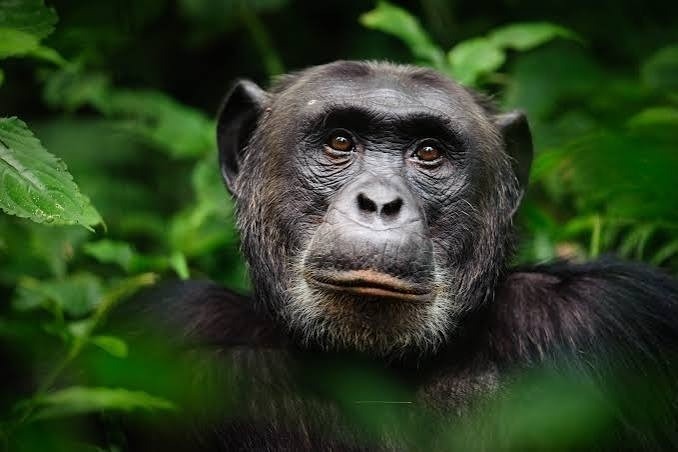
Chimpanzee Tracking Rules in Uganda and Rwanda: Age Limits, Safety and Permits
Chimpanzee tracking is one of the most memorable wildlife experiences in East Africa. Uganda offers chimpanzee trekking in destinations such as Kibale National Park and Kyambura Gorge, while Rwanda’s main destination is Nyungwe National Park.
Although the experience is similar in both countries, visitors must follow the rules established by the relevant wildlife authorities. These regulations help protect chimpanzees from human diseases, prevent dangerous encounters and reduce disturbance to their natural behavior.
If you are planning a chimpanzee trekking safari in Uganda or Rwanda, here are the important rules to understand before booking.
1. Minimum Age for Chimpanzee Tracking
The minimum age differs between Uganda and Rwanda.
| Destination | Minimum age |
|---|---|
| Kibale National Park, Uganda | 12 years |
| Kyambura Gorge, Uganda | 12 years |
| Nyungwe National Park, Rwanda | 15 years |
Uganda Wildlife Authority’s published rules set the minimum age for chimpanzee tracking at 12 years. Nyungwe’s published chimpanzee tracking information states that children under 15 are not permitted. Confirm the age requirement when booking, particularly if a child is close to the minimum age.
2. Do Not Track Chimpanzees When You Are Sick
Chimpanzees are vulnerable to several human respiratory and other infectious diseases. A cold, flu or other contagious illness can put the animals at risk.
Visitors who are sick should inform their tour operator or park staff before the activity. Do not conceal symptoms to avoid missing your trek.
Follow the park’s health screening instructions and any additional precautions communicated before departure.
3. Maintain a Safe Distance from Chimpanzees
Visitors must keep the distance instructed by their ranger or guide. Uganda Wildlife Authority’s published chimpanzee tracking rules specify a minimum distance of 10 metres.
Chimpanzees are wild animals and can move quickly, display unexpected behavior or react defensively if they feel threatened.
During your encounter:
- Do not approach chimpanzees to obtain a closer photograph.
- Never attempt to touch or feed them.
- Do not block their path or surround them.
- If a chimpanzee approaches, remain calm and follow your guide’s instructions.
- Never attempt to separate a young chimpanzee from its mother.
In Rwanda, follow the distance and positioning instructions given by the Nyungwe ranger team. Do not assume you can approach the animals simply because they appear calm.
4. Keep Quiet and Do Not Imitate Chimpanzee Calls
Chimpanzees communicate through calls, hoots, screams and other vocalizations. Visitors should observe them quietly and avoid imitating these sounds.
Shouting, making sudden noises or attempting to attract a chimpanzee’s attention can disturb the animals and affect the encounter.
Listen to your guide and allow the chimpanzees to behave naturally.
5. Do Not Feed, Touch or Chase Chimpanzees
Feeding wildlife can alter natural behavior and expose animals to inappropriate food or disease. Visitors must never offer chimpanzees snacks, fruit or any other food.
Do not chase chimpanzees when they move away, climb trees or disappear into vegetation. Your guide and trackers will determine how to proceed.
The objective is to observe the animals in their natural environment without forcing an encounter.
6. No Flash Photography
Photography is generally permitted during chimpanzee tracking, provided visitors follow the park’s instructions.
Before taking pictures:
- Switch off your camera flash.
- Avoid sudden movements while photographing.
- Do not move closer to the animals for a better image.
- Follow instructions if your guide asks you to lower your camera.
- Keep phones and camera equipment secure while walking.
A camera with good low-light performance or a suitable zoom lens can be helpful in the shaded forest.
7. Do Not Eat, Smoke or Leave Litter During the Trek
Uganda Wildlife Authority’s published rules prohibit eating, drinking and smoking during chimpanzee tracking. Visitors should follow the instructions given at the briefing regarding water and other essential supplies.
Visitors must also:
- Avoid smoking in the forest.
- Never leave food wrappers, plastic bottles or other rubbish behind.
- Avoid damaging plants or disturbing wildlife.
- Follow the guide’s instructions for any necessary hygiene arrangements.
Carry your rubbish out of the forest and leave the habitat as you found it.
8. Follow the Guide and Ranger at All Times
Chimpanzee tracking must take place through authorized park arrangements. Visitors should attend the briefing, remain with their group and follow the ranger’s instructions throughout the experience.
In Uganda, use an authentic permit and the designated entry point. Uganda Wildlife Authority identifies Kanyanchu and Buraiga in Kibale, as well as Kyambura in Queen Elizabeth National Park, among the designated tracking locations in its published guidelines.
In Rwanda, follow the permit, meeting-point and briefing instructions provided for Nyungwe National Park.
Do not attempt to track chimpanzees independently or enter restricted areas without authorization.
9. Respect the Chimpanzee Viewing Time Limit
In Uganda, standard chimpanzee tracking generally permits a maximum of one hour with the chimpanzees after they are located. The full trek may take several hours, depending on where the animals are found. The chimpanzee habituation experience has a different viewing allowance.
In Rwanda, tracking time depends on the location and movement of the chimpanzees. Follow the current viewing instructions given by your Nyungwe guide and park management.
Remember that the time spent searching for chimpanzees is different from the time allowed observing them.
10. How Many Visitors Can Track Chimpanzees Together?
Group limits help minimize disturbance and make it easier for guides to supervise visitors.
Nyungwe’s published information specifies a maximum of eight visitors per chimpanzee community per day.
In Uganda, group sizes and tracking arrangements are managed under Uganda Wildlife Authority procedures. Your permit and briefing will determine the arrangements for your activity.
Ask about group arrangements when booking if you are traveling with family or a larger party.
11. Obtain a Valid Chimpanzee Tracking Permit
A permit is required for regulated chimpanzee tracking experiences. Travelers should arrange permits through the relevant wildlife authority or an authorized tour operator.
When booking:
- Confirm the destination and tracking date.
- Provide the required identification and traveller details.
- Check the applicable permit category and total cost.
- Obtain written confirmation of the booking.
- Keep your permit confirmation and identification available on the day.
In Uganda, permit arrangements are managed by Uganda Wildlife Authority. In Rwanda, chimpanzee tracking in Nyungwe is organized through the park’s authorized booking arrangements.
Book early for popular dates, as the number of visitors allowed to track each community is limited.
12. What to Wear and Carry for Chimpanzee Tracking
Chimpanzee trekking takes place in tropical forest, where trails can be muddy, slippery, steep or uneven.
Pack the following:
- Sturdy hiking shoes or boots with good grip
- Long trousers and a long-sleeved shirt
- A lightweight rain jacket
- Drinking water, following your guide’s instructions
- Insect repellent
- A small backpack
- A camera or binoculars
- Waterproof protection for electronics
- Personal medication and any essential supplies
A reasonable level of fitness is helpful. Tell your tour operator in advance if you have mobility limitations or other concerns that may affect your ability to walk in the forest.
Uganda vs Rwanda: Key Chimpanzee Tracking Rules
| Rule | Uganda | Rwanda |
|---|---|---|
| Main destinations | Kibale National Park and Kyambura Gorge | Nyungwe National Park |
| Minimum age | 12 years under published UWA rules | 15 years under published Nyungwe information |
| Guided tracking | Required through authorized arrangements | Guided park activity |
| Disease precautions | Do not trek when sick; follow ranger instructions | Do not trek when sick; follow ranger instructions |
| Distance from chimpanzees | UWA published rules specify at least 10 metres | Follow the distance instructions given by the ranger |
| Flash photography | Not permitted | Follow the park’s photography rules and ranger instructions |
| Feeding or touching chimpanzees | Not permitted | Not permitted |
| Viewing duration | Normally up to one hour; habituation differs | Follow current park instructions |
| Permit | Required | Required |
Rules can be updated, so always confirm the current requirements before travel.
Frequently Asked Questions
Can children go chimpanzee trekking in Uganda?
Under Uganda Wildlife Authority’s published rules, the minimum age is 12 years for chimpanzee tracking in Kibale National Park and Kyambura Gorge. Confirm the applicable requirement when booking.
Can children go chimpanzee trekking in Rwanda?
Nyungwe’s published tracking information states that children under 15 are not allowed to participate. Confirm the current minimum age before booking for a child.
How long do you spend with chimpanzees?
In Uganda, standard tracking generally allows up to one hour with the chimpanzees after they are located. The habituation experience has a different allowance. In Rwanda, follow the current instructions provided by Nyungwe’s park team.
Is chimpanzee trekking safe?
Chimpanzee trekking is managed by trained guides and park staff, but chimpanzees remain wild animals. Following the briefing, maintaining the prescribed distance and avoiding sudden movements help reduce risks.
Can I trek chimpanzees if I have a cold?
You should not enter the forest to see chimpanzees if you have a contagious illness. Inform your operator or park staff and follow their guidance.
Can I take photographs of chimpanzees?
Photography is generally allowed, but flash photography is prohibited under Uganda’s published rules. Always follow the guide’s instructions and do not approach the animals to improve a photograph.
Do I need a permit to track chimpanzees?
Yes. Arrange a valid permit through the relevant wildlife authority or authorized booking channel before participating.
Plan Your Chimpanzee Tracking Safari with Raptors Africa Safaris
Uganda and Rwanda both offer rewarding chimpanzee tracking experiences, but each destination has its own entry requirements and booking procedures. Understanding the rules before departure helps protect the chimpanzees and makes your forest experience more enjoyable.
Raptors Africa Safaris can help you plan a chimpanzee tracking safari in Kibale National Park, Kyambura Gorge or Rwanda’s Nyungwe National Park, including permit arrangements, accommodation and transport.