Call: +256 702 595 926 | Email: info@bookgorillatracking.com

Uganda Gorilla Trekking Sectors: Bwindi & Mgahinga Guide

Uganda Gorilla Trekking Sectors: A Complete Guide to Bwindi and Mgahinga
Introduction: Where Can You Go Gorilla Trekking in Uganda?
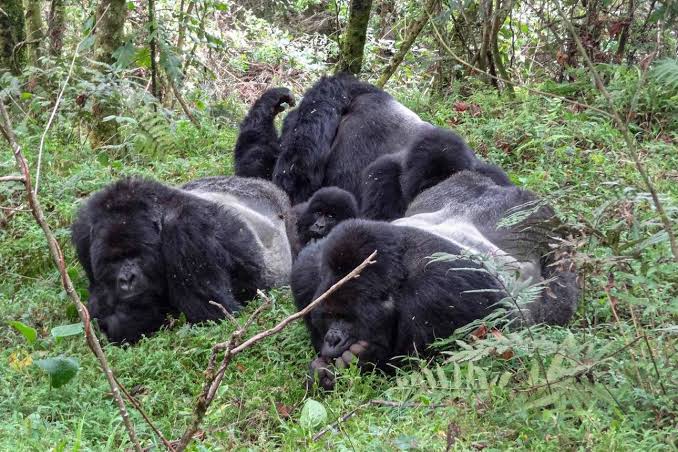
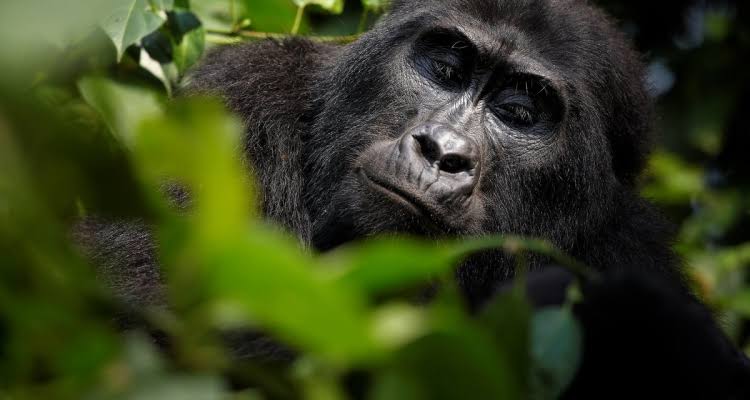
Uganda is one of the world’s leading destinations for mountain gorilla trekking, offering visitors the opportunity to encounter endangered mountain gorillas in their natural rainforest and mountain habitats. The country has two national parks where visitors can track habituated mountain gorilla families: Bwindi Impenetrable National Park and Mgahinga Gorilla National Park.
Bwindi is divided into four main gorilla trekking sectors: Buhoma, Ruhija, Rushaga and Nkuringo. Each sector has its own visitor briefing point, accommodation options, surrounding communities and trekking environment. Mgahinga, on the other hand, is a separate national park in the Virunga Mountains, where visitors can trek the habituated Nyakagezi Gorilla Family when it is available within Uganda.
Choosing the right gorilla trekking sector is an important part of planning your Uganda safari. Your choice affects where you stay, how you travel to the park, which trekking briefing point you report to and which other attractions you can combine with your gorilla experience.
This comprehensive guide explains Uganda’s gorilla trekking sectors, their locations, differences, accessibility, accommodation considerations and additional activities. It will help you select the most suitable destination for your mountain gorilla trekking adventure.
Overview of Uganda’s Gorilla Trekking Sectors
Uganda has five designated gorilla trekking entry areas: four in Bwindi Impenetrable National Park and one in Mgahinga Gorilla National Park.
| National park | Gorilla trekking sector | General location |
|---|---|---|
| Bwindi Impenetrable National Park | Buhoma | Northern Bwindi |
| Bwindi Impenetrable National Park | Ruhija | Eastern Bwindi |
| Bwindi Impenetrable National Park | Rushaga | Southern Bwindi |
| Bwindi Impenetrable National Park | Nkuringo | Southwestern Bwindi |
| Mgahinga Gorilla National Park | Ntebeko / Muhavura (Nyakagezi) | Southwestern Uganda, Virunga Mountains |
The Uganda Wildlife Authority (UWA) identifies these as designated gorilla tracking entry points. Permits are booked for a particular date and entry point rather than for a guaranteed named gorilla family. Visitors are allocated to a specific habituated group on the trekking day according to the applicable tracking procedures.
This distinction is important when choosing your destination. For example, a permit booked for Rushaga does not automatically guarantee a visit to the Nshongi, Bweza or another particular gorilla family.
1. Buhoma Gorilla Trekking Sector – Northern Bwindi
Where is Buhoma Sector located?
Buhoma is located in the northern part of Bwindi Impenetrable National Park, within the Kanungu area of southwestern Uganda. It is the park’s best-established gorilla tourism area and was the first sector to welcome visitors for mountain gorilla trekking.
Buhoma has developed into an important tourism centre, with accommodation facilities, community tourism initiatives, restaurants and visitor services catering to gorilla trekking travellers.
The sector is surrounded by steep forested hills and dense tropical vegetation. Its location also makes it a useful starting point for visitors combining gorilla trekking with wildlife safaris in Queen Elizabeth National Park.
Gorilla families in Buhoma
Buhoma has several habituated gorilla families available for tourism. Families historically associated with this sector include:
- Mubare Gorilla Family: One of Bwindi’s oldest habituated tourism groups, opened to visitors in 1993.
- Habinyanja Gorilla Family: Known for its history and the split that resulted in the formation of the Rushegura family.
- Rushegura Gorilla Family: Established in 2002 after separating from Habinyanja.
- Muyambi Gorilla Family: A group that originated from members that separated from Mubare.
Gorilla family rosters and allocations can change. The families listed above are useful examples of Buhoma’s gorilla history, but travellers should confirm the current tourism allocation with UWA rather than assume that every historically listed group is available on a particular date.
What makes Buhoma special?
Buhoma is particularly suitable for travellers who want an established gorilla trekking destination with a developed range of visitor services.
Its main attractions include:
- An established gorilla tourism programme.
- A selection of accommodation options across different budgets.
- Opportunities for guided forest walks and birdwatching.
- Community-based tourism experiences.
- Access to other attractions in the northern part of Bwindi.
- A convenient position for itineraries combining Bwindi with Queen Elizabeth National Park.
Other activities in Buhoma
Gorilla trekking is the main attraction, but visitors can extend their stay with other experiences.
Bwindi forest walks: Guided walks provide opportunities to explore the forest, learn about its vegetation and look for birds, butterflies and other wildlife.
Birdwatching: Bwindi is an important birding destination, particularly for visitors interested in Albertine Rift species.
Batwa cultural experiences: Guided community visits introduce visitors to aspects of Batwa history, traditional forest knowledge, music and cultural heritage. Choose experiences that are respectful and directly benefit the participating community.
Community walks: Visitors can explore nearby villages, learn about local livelihoods and support community tourism initiatives.
Who should choose Buhoma?
Buhoma is a good option for:
- First-time gorilla trekkers.
- Visitors who prefer an established tourism area.
- Travellers combining gorilla trekking with Queen Elizabeth National Park.
- Birdwatchers and visitors interested in guided forest walks.
- Travellers seeking a variety of accommodation choices.
2. Ruhija Gorilla Trekking Sector – Eastern Bwindi
Where is Ruhija Sector located?
Ruhija is situated in the eastern part of Bwindi Impenetrable National Park, in the highlands between the Kabale and Buhoma areas.
It is known for its elevated landscape, cooler conditions and rich birdlife. The sector offers a different atmosphere from the southern and northern parts of Bwindi, with forested ridges, mountain scenery and winding roads through the highlands.
Ruhija is an excellent option for travellers who want to combine mountain gorilla trekking with birdwatching and other nature-based activities.
Gorilla families in Ruhija
Ruhija is associated with several habituated mountain gorilla families, including:
- Bitukura Gorilla Family: Known for its multi-male social structure and habituation history.
- Oruzogo Gorilla Family: A well-known family associated with feeding on particular forest vegetation.
- Mukiza Gorilla Family: A group that emerged from the Kyaguliro family following a split.
Kyaguliro is an important name in Ruhija’s conservation history, but its status and access arrangements should not be confused with those of the regular tourist trekking groups. Some gorilla groups are monitored primarily for research and conservation rather than being allocated to ordinary tourist trekking.
The exact groups available for tourism can change, so confirm the current allocation when booking.
What makes Ruhija special?
Ruhija offers an attractive combination of mountain gorilla trekking, high-altitude forest scenery and birdwatching.
Its main highlights include:
- A quieter highland environment compared with some other tourism areas.
- Excellent opportunities for forest birdwatching.
- Cooler temperatures due to its elevation.
- Beautiful views of the surrounding hills and forest.
- Opportunities to combine gorilla trekking with guided nature walks.
Birdwatching in Ruhija
Ruhija is particularly attractive to bird enthusiasts exploring the Albertine Rift.
Bwindi supports many forest bird species, including a number of Albertine Rift endemics. Visitors may encounter species such as the African Green Broadbill, Rwenzori Turaco, Grauer’s Rush Warbler and other forest birds, depending on the location, season and conditions.
A specialist birding guide can help identify species by their calls, feeding behaviour and preferred forest habitats.
Who should choose Ruhija?
Ruhija is a suitable option for:
- Birdwatchers combining gorilla trekking with forest birding.
- Nature lovers interested in high-altitude rainforest.
- Visitors seeking a less developed tourism atmosphere.
- Travellers exploring eastern Bwindi and the Kabale highlands.
- Visitors who want to include additional forest walks in their itinerary.
3. Rushaga Gorilla Trekking Sector – Southern Bwindi
Where is Rushaga Sector located?
Rushaga is located in the southern part of Bwindi Impenetrable National Park, within the Kisoro area of southwestern Uganda.
It is one of the most popular gorilla trekking sectors because of its several habituated gorilla families and its importance in Uganda’s gorilla habituation programme.
The sector is particularly attractive to travellers arriving through Kigali, Rwanda, or those combining gorilla trekking with Lake Mutanda, Lake Bunyonyi and Mgahinga Gorilla National Park.
Rushaga’s landscape consists of steep forested hills, valleys and mountainous terrain. The trekking experience can be physically demanding, depending on the gorilla family’s location and the route taken.
Gorilla families in Rushaga
Rushaga has several habituated gorilla families. Some well-known families associated with this sector include:
- Nshongi Gorilla Family: Historically famous for its unusually large membership and the formation of other groups.
- Bweza Gorilla Family: Originated from a split from the Nshongi family.
- Mishaya Gorilla Family: Formed in 2010 after separating from Nshongi.
- Busingye Gorilla Family: Established after a split from the Kahungye family.
- Kahungye Gorilla Family: One of the recognised gorilla families in southern Bwindi.
- Bikingi Gorilla Family: Associated with the gorilla habituation programme and subsequent tourism arrangements.
- Mucunguzi Gorilla Family: Another group associated with the Rushaga area.
Family availability and tourism status can change over time. The names above illustrate Rushaga’s diverse gorilla history; they should not be interpreted as a guarantee that a particular family will be assigned to your trekking group.
What makes Rushaga special?
Rushaga is especially popular because it offers several gorilla trekking opportunities and is the location of Uganda’s gorilla habituation experience.
Its main highlights include:
- Several habituated gorilla families.
- Access to the gorilla habituation experience.
- A convenient location for some itineraries starting in Kigali.
- Opportunities to combine gorilla trekking with Lake Mutanda and Lake Bunyonyi.
- A variety of accommodation options around the southern part of Bwindi.
- Access to other attractions in southwestern Uganda.
Gorilla Habituation Experience in Rushaga
One of the most distinctive activities in Rushaga is the Gorilla Habituation Experience.
Unlike standard gorilla trekking, which involves visiting a fully habituated family, the habituation experience allows visitors to accompany researchers, trackers and habituation teams as they work with a gorilla group that is still becoming accustomed to human presence.
The experience offers a deeper insight into gorilla behaviour, conservation monitoring and the gradual process of habituation.
According to UWA’s July 2024 guidelines:
- Standard gorilla trekking allows a maximum of one hour of viewing.
- Gorilla habituation experience allows a maximum of four hours with the gorillas.
- Both activities are subject to UWA procedures and permit availability.
The habituation experience is more expensive than standard trekking under the applicable tariff, so travellers should confirm current prices before booking.
Other activities around Rushaga
Lake Mutanda: Located near Kisoro, Lake Mutanda is known for its beautiful scenery, islands and views of the Virunga Volcanoes. Visitors can enjoy canoeing, boat trips and relaxation along the lakeshore.
Lake Bunyonyi: This scenic lake is surrounded by terraced hills and dotted with islands. It is an excellent place to relax before or after a gorilla trekking experience.
Mgahinga Gorilla National Park: Visitors can extend their safari to Mgahinga for golden monkey tracking, volcano hiking and Batwa cultural experiences.
Batwa cultural experiences: Community visits around Bwindi provide opportunities to learn about Batwa heritage and the relationship between local communities and the forest.
Who should choose Rushaga?
Rushaga is particularly suitable for:
- Visitors interested in the gorilla habituation experience.
- Travellers arriving in Uganda through Kigali.
- Visitors combining gorilla trekking with Lake Mutanda or Lake Bunyonyi.
- Travellers who want access to several habituated gorilla groups.
- Visitors planning a longer primate safari in southwestern Uganda.
4. Nkuringo Gorilla Trekking Sector – Southwestern Bwindi
Where is Nkuringo Sector located?
Nkuringo is situated in the southwestern part of Bwindi Impenetrable National Park, within the Kisoro area.
The sector is known for its elevated ridges, dramatic landscapes and panoramic views of the surrounding mountains and valleys. It offers one of the most scenic settings for mountain gorilla trekking in Uganda.
The area is characterised by steep slopes, forested hills and challenging terrain. Visitors should be prepared for a physically demanding hike, although the actual difficulty depends on where the gorillas are located on the day.
Gorilla families in Nkuringo
The Nkuringo sector is historically associated with the following gorilla families:
- Nkuringo Gorilla Family: One of the earliest habituated groups in southern Bwindi, named after the local area.
- Christmas Gorilla Family: Named after its founding silverback, Christmas.
The composition and availability of gorilla families can change. Confirm the current tourism arrangements before selecting this sector.
What makes Nkuringo special?
Nkuringo is especially attractive to travellers who appreciate dramatic scenery and challenging outdoor experiences.
Its highlights include:
- Panoramic views across the Bwindi highlands.
- A scenic mountain and forest environment.
- Opportunities for photography.
- Access to community experiences.
- Possibilities for combining gorilla trekking with Lake Mutanda and Lake Bunyonyi.
- A rewarding setting for active travellers.
Trekking difficulty in Nkuringo
Nkuringo is often regarded as one of the more physically demanding areas of Bwindi because of its steep terrain and elevated landscape.
However, it is important not to assume that every trek in Nkuringo will be more difficult than every trek in another sector. Gorilla movements change daily, and the distance, elevation gain and trail conditions determine the actual challenge.
Visitors should discuss their fitness levels and any mobility concerns with their tour operator before booking. Local porters can also assist with carrying bags and supporting visitors along difficult sections of the trail.
Other activities around Nkuringo
Visitors can combine their gorilla trek with:
- Guided community walks.
- Birdwatching.
- Nature walks.
- Lake Mutanda excursions.
- Lake Bunyonyi relaxation.
- Cultural experiences with nearby communities.
Who should choose Nkuringo?
Nkuringo is a good option for:
- Active travellers comfortable with steep hiking.
- Visitors who appreciate mountain scenery.
- Nature photographers.
- Travellers seeking a scenic setting for their gorilla safari.
- Visitors combining southern Bwindi with other destinations in Kisoro.
5. Mgahinga Gorilla National Park – Nyakagezi Gorilla Trekking Area
Where is Mgahinga Gorilla National Park located?
Mgahinga Gorilla National Park is located in southwestern Uganda, in Kisoro District, close to the borders of Rwanda and the Democratic Republic of Congo.
Unlike Buhoma, Ruhija, Rushaga and Nkuringo, Mgahinga is not a sector of Bwindi. It is a separate national park forming part of the wider Virunga Conservation Area, a transboundary mountain ecosystem shared by Uganda, Rwanda and the Democratic Republic of Congo.
The park covers approximately 33.7 square kilometres and protects the northern slopes of three Virunga volcanoes:
- Mount Muhabura.
- Mount Gahinga.
- Mount Sabyinyo.
Its vegetation includes bamboo forest, montane forest, woodland and afro-alpine habitats. The scenery is very different from the dense rainforest landscape of Bwindi.
Nyakagezi Gorilla Family
Mgahinga has one habituated mountain gorilla family available for tourism: the Nyakagezi Gorilla Family.
The family is known for its history of movement across the international borders of Uganda, Rwanda and the Democratic Republic of Congo. Mountain gorillas move naturally through the Virunga landscape and are not restricted by political boundaries.
This transboundary movement is important when planning a gorilla trekking safari in Mgahinga. Travellers should confirm the family’s presence and trekking arrangements in Uganda before finalising their itinerary.
What makes Mgahinga special?
Mgahinga provides a different type of gorilla trekking experience from Bwindi.
Its main highlights include:
- A dramatic Virunga Volcanoes setting.
- Bamboo and montane forest habitats.
- Access to the Nyakagezi Gorilla Family when available.
- Golden monkey tracking.
- Hiking opportunities on the Virunga volcanoes.
- Batwa cultural experiences.
- Birdwatching and other nature-based activities.
Other activities in Mgahinga
Golden Monkey Tracking
Mgahinga is one of Uganda’s best destinations for golden monkey tracking. These striking primates live in the bamboo forests of the Virunga Mountains.
Visitors can join guided tracking excursions to observe golden monkeys feeding, moving through bamboo vegetation and interacting within their groups.
Mount Sabyinyo Hiking
Mount Sabyinyo is one of the Virunga volcanoes and is known for its rugged peaks. Its summit area offers a remarkable opportunity to view the landscapes of Uganda, Rwanda and the Democratic Republic of Congo.
Mount Gahinga Hiking
Mount Gahinga is another popular hiking destination within the park. Its slopes include bamboo forest and other montane vegetation.
Mount Muhabura Hiking
At approximately 4,127 metres, Mount Muhabura is the highest of the three volcanoes found within Mgahinga. Hiking it is a challenging experience that rewards visitors with impressive views of the surrounding Virunga landscape.
Batwa Cultural Experience
Visitors can participate in guided cultural experiences that introduce them to aspects of Batwa heritage, traditional knowledge and historical connections with the forest.
Who should choose Mgahinga?
Mgahinga is particularly suitable for:
- Travellers interested in the Virunga Volcanoes.
- Visitors combining gorilla trekking with golden monkey tracking.
- Hikers interested in mountain climbing.
- Travellers who want to explore a smaller national park.
- Visitors interested in Batwa cultural experiences.
- Travellers with flexible dates who can confirm the Nyakagezi group’s availability.
Bwindi vs Mgahinga: Which Gorilla Trekking Destination Should You Choose?
Both Bwindi and Mgahinga offer mountain gorilla trekking, but their landscapes, trekking areas and additional activities differ.
| Feature | Bwindi Impenetrable National Park | Mgahinga Gorilla National Park |
|---|---|---|
| Location | Southwestern Uganda | Southwestern Uganda |
| Gorilla trekking areas | Buhoma, Ruhija, Rushaga and Nkuringo | Ntebeko / Muhavura (Nyakagezi) |
| Habituated tourist groups | Multiple families across four sectors | One habituated family |
| Main landscape | Dense tropical rainforest and steep hills | Bamboo forest, montane vegetation and volcanoes |
| Gorilla habituation experience | Available in Rushaga | Not the standard habituation destination |
| Additional primate activity | Forest wildlife and other nature walks | Golden monkey tracking |
| Hiking opportunities | Forest trails and nature walks | Mount Gahinga, Sabyinyo and Muhabura |
| Best suited to | Travellers wanting several sector choices and gorilla families | Visitors interested in gorillas, golden monkeys and volcano hiking |
Which park has more gorilla trekking options?
Bwindi has more trekking sectors and several habituated gorilla families distributed across its four sectors. This gives visitors more flexibility when selecting a trekking area.
Mgahinga has one habituated tourist gorilla family, Nyakagezi. It offers a more concentrated gorilla trekking experience in the Virunga landscape.
Which park is better for the gorilla habituation experience?
Bwindi is the destination to choose for the gorilla habituation experience, which is offered in Rushaga.
This activity allows visitors to spend up to four hours with a group undergoing habituation, subject to UWA regulations and permit availability.
Which park is better for golden monkey tracking?
Mgahinga is the better choice for golden monkey tracking because it is one of the main protected areas in Uganda where visitors can participate in this activity.
Which park is better for scenery?
Both destinations offer beautiful scenery, but the landscapes are different.
Bwindi is known for its ancient rainforest, steep hills and thick vegetation. Mgahinga is known for its volcanic peaks, bamboo forests and dramatic Virunga mountain scenery.
The best choice depends on the kind of landscape and safari experience you prefer.
How to Choose the Best Gorilla Trekking Sector in Uganda
Choosing a sector should involve more than simply selecting the most popular destination. Consider the following factors before booking your gorilla permit.
1. Your gorilla permit availability
Permit availability should be one of your first considerations. Gorilla trekking permits are limited, and popular dates can sell out.
Before booking accommodation or finalising transport, check availability for your preferred date and sector.
2. Your arrival point
Your arrival airport and wider itinerary can influence the most practical sector.
Travelling from Entebbe or Kampala: All four Bwindi sectors and Mgahinga can be included in a road safari, but the driving route and journey duration differ.
Travelling from Kigali: Rushaga, Nkuringo and Mgahinga are often practical options for itineraries entering southwestern Uganda from Rwanda. The exact route depends on your accommodation, border crossing and trekking date.
Combining with Queen Elizabeth National Park: Buhoma can be a practical option for an itinerary connecting northern Bwindi with Queen Elizabeth National Park.
3. Your physical fitness
Gorilla trekking involves walking through natural forest terrain, which may include steep slopes, muddy paths, thick vegetation and uneven ground.
Although some visitors complete their trek relatively quickly, others may spend several hours walking before finding the gorillas.
Discuss your fitness level with your tour operator. The trekking team can provide guidance, and hiring a porter can make the experience more manageable.
4. Your accommodation preference
Choose accommodation close to the sector where you will trek. Bwindi’s sectors are geographically separated, and travelling between them can take considerable time.
For example, booking accommodation in Buhoma when your permit is for Rushaga may require a long transfer before the morning briefing.
Always confirm the permit sector and lodge location together.
5. Other activities you want to enjoy
Consider the attractions you would like to include in your safari.
- Choose Buhoma if you want to combine gorilla trekking with northern Bwindi activities and Queen Elizabeth National Park.
- Choose Ruhija if birdwatching and highland forest scenery are priorities.
- Choose Rushaga if you are interested in gorilla habituation or visiting Lake Mutanda and Lake Bunyonyi.
- Choose Nkuringo if you enjoy challenging hikes and dramatic mountain scenery.
- Choose Mgahinga if you want to combine gorilla trekking with golden monkeys and Virunga volcano hiking.
Gorilla Trekking Permit Booking in Uganda
A valid gorilla trekking permit is required to participate in mountain gorilla trekking in Bwindi or Mgahinga.
Permits are issued and managed by Uganda Wildlife Authority. They are limited because only controlled visitor groups are allowed to visit habituated gorilla families.
How to book a gorilla trekking permit
Follow these steps when arranging your permit:
Step 1: Choose your preferred date
Decide when you would like to trek. If your travel dates are flexible, identify alternative dates in case your first choice is unavailable.
Step 2: Select the national park and sector
Choose Bwindi or Mgahinga. If you select Bwindi, decide whether Buhoma, Ruhija, Rushaga or Nkuringo is the most suitable entry point.
Step 3: Check permit availability
Ask your tour operator to confirm available permits for the chosen date and location.
Step 4: Provide your passport details
The booking process requires accurate visitor information and supporting identification documents.
Step 5: Complete payment
Follow the official payment arrangements and obtain confirmation that your permit has been secured.
Step 6: Arrange accommodation and transport
Book a lodge near your selected sector and organise transport to the briefing point.
Can you book a permit for a specific gorilla family?
No. Under the UWA guidelines published in July 2024, permits are booked by date and designated entry point. Visitors are allocated to a specific gorilla family on the trekking day.
You can express a preference when discussing your safari with your tour operator, but a particular family cannot be guaranteed through a sector permit.
How much does a Uganda gorilla trekking permit cost?
Gorilla permit prices depend on the visitor category and the applicable Uganda Wildlife Authority tariff.
The UWA tariff covering July 2024 to June 2026 has expired. Travellers planning a safari in 2026 or later should request the current official rate rather than rely on older online prices.
When comparing safari quotations, check whether the price includes only the permit or also accommodation, transport, meals, guiding services and other activities.
Gorilla Trekking Rules and Regulations in Uganda
Mountain gorillas are endangered and vulnerable to human diseases. Visitors must follow conservation guidelines and instructions from Uganda Wildlife Authority guides.
Important rules include:
- The minimum age for gorilla trekking in Uganda is 15 years.
- Standard gorilla trekking allows a maximum of one hour with the gorillas.
- Follow the distance instructions provided by your ranger.
- Do not touch gorillas, even if they approach you.
- Avoid loud noises and sudden movements.
- Do not eat, drink or smoke while observing the gorillas.
- Do not use flash photography.
- Do not leave rubbish in the forest.
- Do not enter the forest if you have a contagious illness.
- Follow your ranger’s instructions throughout the trek.
The exact operational procedures are determined by UWA and may be updated. Visitors should follow the guidance given during the briefing.
Best Time to Go Gorilla Trekking in Uganda
Gorilla trekking is conducted throughout the year in Bwindi and Mgahinga. However, the weather can influence trail conditions and the general comfort of your trek.
Dry seasons
The relatively drier periods are generally:
- June to August.
- December to February.
These months are popular with travellers because trails may be less muddy, although rain can occur at any time in the rainforest.
Rainy seasons
The wetter periods generally include:
- March to May.
- September to November.
During these months, trails may be slippery, and hiking can become more challenging. However, the forest is lush and green, making it an attractive time for nature photography and birdwatching.
Important: Mountain gorillas remain in their natural habitats throughout the year. There is no season in which a gorilla encounter is guaranteed, and the weather alone does not determine whether visitors will find the animals.
What to Pack for Gorilla Trekking in Uganda
Whether you trek in Buhoma, Ruhija, Rushaga, Nkuringo or Mgahinga, suitable clothing and equipment are important.
We recommend packing:
- Waterproof hiking boots with good grip.
- Long trousers and long-sleeved shirts.
- A waterproof jacket or raincoat.
- Gardening gloves for holding vegetation.
- A small backpack.
- Drinking water.
- Snacks for before or after the encounter, following ranger instructions.
- Insect repellent.
- Sunscreen.
- A camera with a suitable zoom lens.
- Extra batteries or a power bank.
- Personal medication.
- A walking stick, which may be available at the briefing centre.
Consider hiring a local porter to help carry your backpack and provide support on steep or muddy trails. This also creates an opportunity to support people living around the national parks.
How to Get to Uganda’s Gorilla Trekking Sectors
Uganda’s gorilla trekking parks are located in the southwestern part of the country. Visitors can reach them by road or by using domestic scheduled or charter flights, depending on the available services and their chosen itinerary.
Travelling from Entebbe or Kampala
Travelling by road from Entebbe or Kampala to Bwindi or Mgahinga generally takes a full day, depending on the destination, road conditions, traffic and stopovers.
A road safari can include scenic stops and visits to other attractions along the way.
Travelling from Kigali, Rwanda
Visitors arriving at Kigali International Airport can travel across the Rwanda–Uganda border to southwestern Uganda.
This route is particularly useful for travellers visiting Rushaga, Nkuringo or Mgahinga. The journey may be shorter than travelling from Entebbe, depending on the exact destination and border crossing.
Remember to check visa and border-entry requirements before travelling.
Flying to southwestern Uganda
Domestic flights may be available to airstrips serving parts of southwestern Uganda, depending on the airline schedule and season.
A fly-in safari can reduce road travel time, but visitors still need a road transfer from the airstrip to their lodge and trekking briefing point.
Your tour operator should coordinate the flight schedule with the gorilla trekking date.
Suggested Uganda Gorilla Trekking Safari Combinations
You can combine gorilla trekking with other destinations to create a longer Uganda safari.
3 Days Bwindi Gorilla Trekking Safari
A short itinerary can include:
- Day 1: Travel to Bwindi and check in at your lodge.
- Day 2: Gorilla trekking in your selected sector.
- Day 3: Return to Entebbe or continue to another destination.
4 Days Bwindi Gorillas and Lake Bunyonyi
This itinerary is suitable for visitors who want to combine gorilla trekking with a relaxing lakeside experience.
- Day 1: Travel to southwestern Uganda.
- Day 2: Gorilla trekking in Bwindi.
- Day 3: Transfer to Lake Bunyonyi for a boat ride and relaxation.
- Day 4: Return to Entebbe or Kampala.
5 Days Uganda Gorillas and Golden Monkeys Safari
This itinerary combines two memorable primate experiences.
- Day 1: Travel to Bwindi.
- Day 2: Gorilla trekking in Bwindi.
- Day 3: Transfer to Mgahinga.
- Day 4: Golden monkey tracking and a Batwa cultural experience.
- Day 5: Return to Entebbe or continue with your Uganda safari.
7 Days Uganda Gorilla Trekking and Wildlife Safari
A longer itinerary can combine mountain gorillas with savannah wildlife.
- Day 1: Arrival in Entebbe.
- Day 2: Transfer to Queen Elizabeth National Park.
- Day 3: Game drive and Kazinga Channel boat cruise.
- Day 4: Transfer to Bwindi.
- Day 5: Gorilla trekking.
- Day 6: Visit Lake Bunyonyi or Lake Mutanda.
- Day 7: Return to Entebbe or Kampala.
These are suggested itinerary outlines. The actual route should be adjusted to your arrival time, permit availability, accommodation preference and travel budget.
Frequently Asked Questions About Uganda Gorilla Trekking Sectors
1. How many gorilla trekking sectors are there in Uganda?
Uganda has four main gorilla trekking sectors in Bwindi Impenetrable National Park: Buhoma, Ruhija, Rushaga and Nkuringo. Mgahinga Gorilla National Park is a separate trekking destination with its own designated entry point at Ntebeko / Muhavura for the Nyakagezi group.
2. Which is the best gorilla trekking sector in Uganda?
There is no single best sector for everyone. Buhoma is well established, Ruhija is attractive for birdwatching, Rushaga offers access to the gorilla habituation experience, Nkuringo is known for its dramatic scenery, and Mgahinga is ideal for combining gorilla trekking with golden monkey tracking and volcano hiking.
The best choice depends on your permit availability, travel route, fitness and preferred activities.
3. Which Bwindi sector has the most gorilla families?
Rushaga is widely recognised as one of Bwindi’s sectors with the greatest number of habituated gorilla families. However, the number of families available for tourism can change, so confirm current arrangements with UWA.
4. Which gorilla trekking sector is closest to Kigali?
Rushaga, Nkuringo and Mgahinga are often practical choices for visitors travelling from Kigali to southwestern Uganda. The best option depends on the specific border crossing, accommodation location and permit availability.
5. Which gorilla trekking sector is easiest?
Trekking difficulty varies from one day to another because gorilla families move through the forest. Buhoma and Rushaga are often considered by travellers seeking a wider choice of trekking arrangements, but neither guarantees an easy trek.
Discuss your fitness level with your operator before selecting a sector.
6. Where can I do the Gorilla Habituation Experience in Uganda?
The Gorilla Habituation Experience is offered in the Rushaga area of Bwindi Impenetrable National Park. It allows visitors to spend up to four hours with a gorilla group undergoing habituation, subject to UWA regulations and availability.
7. Can I trek gorillas in Mgahinga Gorilla National Park?
Yes. Mgahinga offers mountain gorilla trekking with the habituated Nyakagezi Gorilla Family when the group is available within Uganda.
8. Can I choose a particular gorilla family?
No. You book a permit for a particular date and designated trekking entry point. UWA allocates visitors to a specific family on the trekking day.
9. How long does gorilla trekking take in Uganda?
A standard gorilla trekking experience can take approximately 2–7 hours, depending on the gorillas’ location and the forest terrain. Once the group is found, visitors are allowed a maximum of one hour with the gorillas.
10. What is the minimum age for gorilla trekking in Uganda?
The minimum age for mountain gorilla trekking in Uganda is 15 years.
11. Can I trek gorillas in Bwindi and Mgahinga on the same safari?
Yes. You can visit both national parks on a longer itinerary. However, each trek requires its own permit, and you should allow sufficient time for road transfers and accommodation arrangements.
12. Should I book accommodation in the same sector as my gorilla permit?
Yes. This is strongly recommended. Bwindi’s sectors are separated by mountainous terrain, and travelling from one sector to another can take considerable time. Staying near your designated briefing point makes the morning of your trek more convenient.
13. Is gorilla trekking available throughout the year?
Yes. Gorilla trekking takes place throughout the year in Bwindi and Mgahinga. Weather conditions may affect trail difficulty, but the activity is not restricted to the dry season.
Plan Your Uganda Gorilla Trekking Safari with Book Gorilla Tracking
Choosing the right gorilla trekking sector is one of the most important steps when planning a mountain gorilla safari in Uganda. Whether you prefer the established tourism setting of Buhoma, the birding opportunities of Ruhija, the habituation experience in Rushaga, the dramatic scenery of Nkuringo or the volcanic landscape of Mgahinga, each destination offers a memorable way to encounter mountain gorillas.
At Book Gorilla Tracking, we help travellers organise gorilla trekking permits, accommodation, transport and personalised Uganda safari itineraries. Our team can help you compare the available trekking sectors and select the most suitable option based on your travel dates, budget and interests.
We can also arrange combinations with Lake Bunyonyi, Lake Mutanda, Queen Elizabeth National Park, golden monkey tracking and other attractions in southwestern Uganda.
Ready to plan your Uganda gorilla trekking adventure? Contact our team to check permit availability and start preparing your safari.
Book your Uganda gorilla trekking safari: https://bookgorillatracking.com/contact/
Explore more: