+256-702 595 926 | info@bookgorillatracking.com

When Is the Best Time to Book Gorilla Trekking in Rwanda?

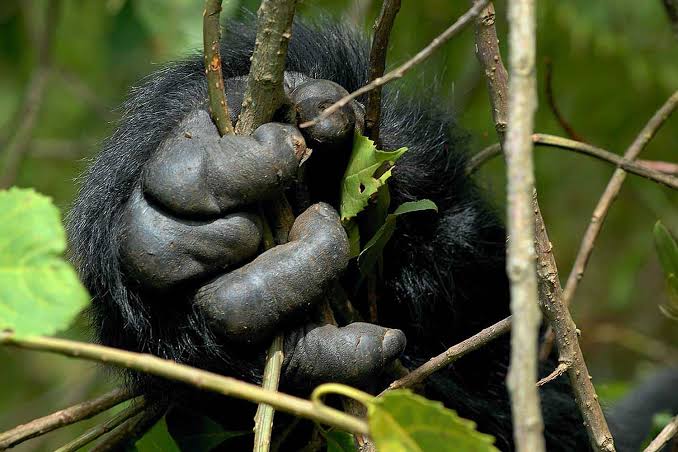
When Is the Best Time to Book Gorilla Trekking in Rwanda?
Planning a mountain gorilla trekking adventure in Rwanda is an exciting experience, but knowing when to book your gorilla trekking permit is just as important as choosing the right travel dates. Rwanda is home to the endangered mountain gorillas of Volcanoes National Park, one of Africa’s most celebrated wildlife destinations.
Every year, travellers from around the world visit Rwanda to trek through its beautiful volcanic forests and spend an unforgettable hour observing a habituated gorilla family in its natural habitat.
However, gorilla trekking permits are limited, and demand can be particularly high during the popular dry-season months. Booking early helps you secure your preferred trekking date, organise accommodation and transport, and avoid last-minute disappointment.
So, when is the best time to book gorilla trekking in Rwanda?
The best approach is to book your gorilla trekking permit approximately 6–12 months before your intended travel date, particularly if you plan to visit during the peak seasons of June to September or December to February. For popular dates, larger groups or specific travel arrangements, booking even earlier is sensible.
This guide by Book Gorilla Tracking explains when to book, the best months to visit Rwanda, how seasons affect trekking, permit availability, and how to plan a successful gorilla safari.
1. How far in advance should you book gorilla trekking in Rwanda?
For most international travellers, booking 6–12 months in advance is a sensible planning target. If you intend to trek during the busiest months, particularly July, August, September or the Christmas and New Year holiday period, consider booking 9–12 months ahead or earlier.
The Rwanda Development Board (RDB) allocates permits on a first-come, first-served basis and allows advance bookings. Each trekking group is limited to eight visitors, making early reservations important for travellers with fixed dates.
Here is a practical booking guide:
| Travel period | Recommended booking lead time |
|---|---|
| June–September | 9–12 months or earlier |
| December–February | 6–12 months |
| March–May | 3–6 months |
| October–November | 3–6 months |
These are planning recommendations, not official RDB deadlines or guarantees of availability. Permits can sell out earlier or remain available closer to the date, depending on demand.
Why book early?
-
Secure your preferred trekking date.
-
Allow time to organise flights and accommodation.
-
Coordinate your gorilla trek with other destinations.
-
Avoid changing your entire itinerary because your preferred permit date is unavailable.
-
Make arrangements for families, couples and groups travelling together.
2. What is the best time of year for gorilla trekking in Rwanda?
The best time for gorilla trekking in Rwanda is generally during the two dry seasons: June to September and December to February.
During these periods, rainfall is usually lower and forest trails are often easier to navigate. However, Rwanda is a year-round gorilla trekking destination. Mountain gorillas remain in Volcanoes National Park throughout the year, and visitors can track them in both wet and dry seasons.
Dry season: June to September
Best for generally easier trail conditions
June to September is Rwanda’s long dry season and one of the most popular periods for gorilla trekking.
The reduced rainfall often makes hiking trails less muddy and slippery. This can make the trek more comfortable, especially for visitors who are concerned about walking on steep, forested mountain slopes.
Advantages of trekking between June and September:
-
Generally firmer forest trails.
-
Lower rainfall compared with the main rainy season.
-
Good conditions for combining gorilla trekking with other outdoor activities.
-
Popular period for international safari holidays.
Possible disadvantages:
-
Higher demand for gorilla permits.
-
Popular accommodation may be booked well in advance.
-
More competition for preferred travel dates.
If you plan to visit in July, August or September, reserve your permit and accommodation as early as possible.
Short dry season: December to February
Another excellent trekking period
December, January and February offer another favourable window for gorilla trekking in Rwanda.
These months generally experience less rainfall than the main rainy seasons. They are particularly attractive to visitors planning Christmas holidays, New Year safaris or winter escapes from Europe and North America.
Advantages include:
-
Generally better trail conditions than during the main rainy seasons.
-
Opportunities to combine gorilla trekking with other Rwanda experiences.
-
Pleasant conditions for exploring the northern part of the country.
-
A good alternative to the June–September peak period.
December holiday dates can be particularly busy, so do not assume that permits will be readily available simply because the short dry season is shorter.
Rainy season: March to May
Suitable for flexible travellers
March, April and May form Rwanda’s long rainy season. April is commonly one of the wettest months.
Although trekking remains possible, rainfall can make forest paths muddy, slippery and more challenging. Visitors should be prepared for wet conditions and should wear suitable hiking clothing and waterproof footwear.
Advantages include:
-
Lush green forest scenery.
-
Potentially fewer visitors than during peak dry-season months.
-
Attractive conditions for nature photography.
-
More flexibility when arranging some travel dates.
Disadvantages include:
-
Muddy and slippery hiking trails.
-
Frequent rainfall.
-
More challenging walking conditions on steep slopes.
-
The need for good waterproof clothing and equipment.
The rainy season can be an excellent choice for experienced hikers and travellers who are comfortable with changing weather.
Short rainy season: October to November
October and November generally experience Rwanda’s shorter rainy season.
Rainfall can make the trails wet, but it does not mean gorilla trekking stops. The forest remains beautiful, with lush vegetation and atmospheric mountain scenery.
This period can appeal to travellers who prefer quieter travel conditions and have flexibility in their itinerary.
Advantages include:
-
Beautiful green landscapes.
-
Opportunities for photography.
-
Potentially fewer visitors than during the main dry season.
-
Greater flexibility when planning a trip outside the busiest holiday periods.
Keep in mind that mountain weather is unpredictable. Even during the dry seasons, rain can occur in Volcanoes National Park.
3. Month-by-month guide: When should you book your Rwanda gorilla trek?
The following guide helps you choose a trekking month based on weather, visitor demand and the kind of experience you want.
| Month | General conditions | Booking advice |
|---|---|---|
| January | Short dry season | Book early for holiday and peak dates |
| February | Generally drier | A good month; reserve ahead |
| March | Rains begin | Allow 3–6 months where possible |
| April | Main rainy season | Flexible travellers may find more options |
| May | Rain gradually eases | A good option for flexible travellers |
| June | Long dry season begins | Book 9–12 months ahead |
| July | Peak dry-season demand | Book 9–12 months or earlier |
| August | Peak dry-season demand | Book 9–12 months or earlier |
| September | Generally drier | Book well ahead |
| October | Short rains | Allow 3–6 months where possible |
| November | Short rainy season | Flexible travel dates can help |
| December | Short dry season and holidays | Book well ahead, especially for Christmas |
These are typical seasonal patterns, not a daily weather forecast. Conditions can vary from year to year.
4. Why should you book Rwanda gorilla permits early?
Gorilla trekking in Rwanda is carefully regulated to protect the endangered mountain gorillas and their habitat.
Only a limited number of visitors are permitted to visit habituated gorilla families each day. RDB regulations limit each trekking group to a maximum of eight visitors, and the standard gorilla viewing period is one hour.
This limited visitor capacity means that permits are not unlimited.
If you wait until a few weeks before travelling, you may discover that your preferred date is unavailable, especially during the busy dry season.
Early booking is particularly important if:
-
You are travelling during July, August or September.
-
You are planning a Christmas or New Year holiday.
-
You have already purchased international flights.
-
You are travelling with several people.
-
You want to stay at a particular lodge near Volcanoes National Park.
-
You are combining Rwanda with Uganda, Kenya or Tanzania.
Our recommendation: Secure your gorilla trekking permit before making non-refundable arrangements around a particular trekking date.
5. How much does a Rwanda gorilla trekking permit cost?
As listed on the Rwanda Development Board’s official booking portal, the standard adult foreign visitor gorilla trekking permit is US$1,500 per person. Other visitor categories have different rates and eligibility requirements.
| Visitor category | Published permit fee |
|---|---|
| Foreign visitor | US$1,500 |
| Foreign resident in Rwanda | US$500* |
| African citizen / foreign resident in Africa | US$500* |
| Rwandan citizen | US$200* |
| East African citizen | US$200* |
*The RDB portal identifies several of these rates as promotional and subject to conditions and date restrictions. Confirm eligibility and the applicable rate directly with RDB before payment. These are published portal rates, not a guarantee of the tariff applicable to every future travel date.
The permit is the authorisation to participate in the gorilla trek. Your full safari budget should also account for:
-
Accommodation near Volcanoes National Park.
-
Transport from Kigali to Musanze and Kinigi.
-
Professional safari guiding, where arranged.
-
Meals and drinks.
-
Porter services, if required.
-
International flights and travel insurance.
6. Where does gorilla trekking take place in Rwanda?
Rwanda’s mountain gorilla trekking takes place in Volcanoes National Park in the northwestern part of the country.
The park forms part of the Virunga mountain ecosystem, which is shared by Rwanda, Uganda and the Democratic Republic of Congo.
It is famous for its mountain gorillas, bamboo forests, volcanic landscapes and conservation history.
Most visitors travel from Kigali to the Musanze area, where they stay before their trekking day.
The journey from Kigali to the park headquarters at Kinigi generally takes around 2–3 hours by road, depending on traffic, weather and the starting point. RDB requires trekkers to attend the morning briefing at 7:00 a.m.
For this reason, we recommend arriving in the Musanze area the day before your trek rather than relying on an early morning transfer from Kigali.
7. Is it better to book gorilla trekking in the dry or rainy season?
This depends on your priorities.
| What matters most to you? | Suggested travel period |
|---|---|
| Generally easier hiking conditions | June–September |
| Another dry-season option | December–February |
| Lush green forest photography | March–May |
| Potentially fewer visitors | March–May or October–November |
| Christmas and New Year holiday | December–January |
| Flexible dates and possible seasonal offers | Selected rainy-season months |
One important point: the dry season does not guarantee an easier trek, and the rainy season does not mean you will fail to see gorillas.
The gorillas live in the park throughout the year. The main differences are the weather, trail conditions, visitor demand and overall travel experience.
8. How do you book a gorilla trekking permit in Rwanda?
You can arrange your permit directly through the Rwanda Development Board or use a reputable tour operator to organise your permit and complete safari.
The RDB online system provides the official booking process, including available dates, visitor information and payment. Reservations are handled on a first-come, first-served basis.
Here is the recommended process:
-
Choose your travel dates. Decide when you would like to visit Rwanda and how many days you can spend on safari.
-
Check permit availability. Confirm that permits are available for your preferred trekking date.
-
Prepare your passport details. Make sure the names and passport information supplied are accurate.
-
Confirm the applicable permit price. Your nationality and residency status may affect the rate.
-
Make payment and secure your permit. Follow the official booking requirements.
-
Arrange accommodation and transport. Book a suitable lodge and transfer to the Volcanoes National Park area.
-
Prepare for your trek. Pack hiking boots, long trousers, a waterproof jacket and other essentials.
Official permit booking
Rwanda Development Board
Always verify your trekking date, visitor category, documentation and payment details before confirming.
9. Should you book your gorilla trekking permit before flights and accommodation?
Yes. If seeing mountain gorillas is the main reason for visiting Rwanda, it is sensible to confirm the permit first.
Your trekking date is the most important fixed part of your gorilla safari. Once it is secured, you can organise the rest of your itinerary around it.
A practical booking order is:
-
Check gorilla permit availability.
-
Confirm and purchase the permit.
-
Book accommodation near Volcanoes National Park.
-
Arrange airport transfers and safari transport.
-
Confirm international flights and any additional activities.
If you are travelling during peak season, it is wise to coordinate flights and accommodation planning at the same time as checking permits, rather than leaving everything until the permit is secured.
Remember that permit terms and cancellation conditions apply. The RDB portal specifies restrictions on refunds, including circumstances in which refunds may not be available. Read the applicable terms before paying.
10. How many days should you spend on a Rwanda gorilla trekking safari?
For travellers whose main objective is to see mountain gorillas, a 2–3-day Rwanda gorilla trekking safari can be sufficient.
However, if you want to explore more of Rwanda, you can extend your trip to include other destinations and activities.
-
Day 1: Arrival in Kigali and transfer to Musanze.
-
Day 2: Morning gorilla trekking in Volcanoes National Park and onward travel or return to Kigali.
-
Day 1: Arrival in Kigali and transfer to Musanze.
-
Day 2: Gorilla trekking experience in Volcanoes National Park.
-
Day 3: Explore the Musanze area or return to Kigali.
-
Day 1: Arrival in Kigali.
-
Day 2: Transfer to Volcanoes National Park.
-
Day 3: Mountain gorilla trekking.
-
Day 4: Visit Lake Kivu or enjoy another local activity.
-
Day 5: Return to Kigali and depart.
The itinerary can be adjusted depending on your flights, interests and budget.
11. What should you pack for gorilla trekking in Rwanda?
Regardless of when you visit, proper preparation makes your trekking experience more comfortable.
Volcanoes National Park is a high-altitude rainforest environment, meaning temperatures and weather conditions can change during the day.
We recommend packing:
-
Waterproof hiking boots with good grip.
-
Long-sleeved shirts and long trousers.
-
A waterproof rain jacket.
-
Gardening or hiking gloves for vegetation.
-
A small backpack.
-
Drinking water and snacks.
-
Sunscreen and insect repellent.
-
A camera with a suitable zoom lens.
-
Walking poles, if needed.
Even during the dry season, carrying rain protection is advisable.
12. Important gorilla trekking rules in Rwanda
Mountain gorillas are endangered animals, and responsible tourism plays an important role in their conservation.
Before visiting a gorilla family, you receive a briefing from park authorities and guides.
Some important rules include:
-
Maintain the prescribed minimum distance of 7 metres from gorillas.
-
Spend a maximum of one hour observing the gorilla family.
-
Keep your voice low.
-
Do not feed or touch gorillas.
-
Follow your guide’s instructions.
-
Do not visit if you have a contagious illness.
-
Avoid sudden movements that may disturb the gorillas.
-
Do not litter in the forest.
Rwanda’s minimum age for gorilla trekking is 15 years.
Frequently asked questions about when to book gorilla trekking in Rwanda
1. How many months in advance should I book gorilla trekking in Rwanda?
We recommend booking 6–12 months ahead. For popular dry-season dates, particularly July, August and September, consider reserving 9–12 months in advance or earlier.
2. Can I book Rwanda gorilla trekking one month in advance?
Yes, it may be possible if permits are still available. However, availability is not guaranteed, especially during peak travel periods. Check with RDB or a reliable tour operator before making other travel arrangements.
3. Which month is best for gorilla trekking in Rwanda?
June, July, August and September are generally considered the best months for easier trekking conditions because rainfall is usually lower. January and February are also good alternatives.
4. Is December a good month for gorilla trekking in Rwanda?
Yes. December falls within the short dry-season period, making it a good month for gorilla trekking. However, Christmas and New Year holidays can increase demand for permits and accommodation.
5. Can I see gorillas in Rwanda during the rainy season?
Yes. Gorilla trekking takes place throughout the year in Volcanoes National Park. Rain can make the trails more challenging, but the gorillas remain in their natural habitat.
6. Are Rwanda gorilla permits difficult to get?
Permits can be difficult to secure for popular dates because visitor numbers are limited. Booking early improves your chances of obtaining your preferred trekking date.
7. How much does a Rwanda gorilla permit cost?
The standard foreign visitor permit is listed at US$1,500 per person on the Rwanda Development Board booking portal. Other categories may qualify for different rates, subject to eligibility and promotional conditions.
8. What is the best time to book gorilla trekking for July and August?
For July and August, we recommend starting your booking process 9–12 months ahead or earlier. These months are popular with international travellers, and availability can become limited.
9. Can I combine Rwanda gorilla trekking with Uganda?
Yes. You can combine gorilla trekking in Rwanda with other experiences in Uganda, including chimpanzee tracking in Kibale Forest, wildlife safaris in Queen Elizabeth National Park and gorilla trekking in Bwindi Impenetrable National Park.
10. Is it better to book directly with RDB or through a tour operator?
Both options are possible. Booking directly allows you to use the official RDB permit system. A tour operator can assist with permits, accommodation, transfers, guides and the wider safari itinerary.
Conclusion: Book your Rwanda gorilla trekking adventure early
The best time to book gorilla trekking in Rwanda is well before your intended travel date, preferably 6–12 months in advance. If you are planning to travel during the popular dry seasons, especially June to September and December to February, early reservations are particularly important.
Although the dry months generally offer more favourable hiking conditions, Rwanda remains an excellent gorilla trekking destination throughout the year. The rainy months can also provide beautiful green scenery and opportunities for travellers with flexible schedules.
At Book Gorilla Tracking, we help travellers plan memorable mountain gorilla trekking experiences in Rwanda and Uganda. From securing permits to arranging accommodation, transportation and professional safari guiding, we can help organise the details of your adventure.
Ready to see mountain gorillas in Rwanda?
Contact Book Gorilla Tracking to check permit availability and start planning your Rwanda gorilla trekking safari.