Call: +256 702 595 926 | Email: info@bookgorillatracking.com

How Many Gorilla Families Are in Volcanoes National Park?


How Many Gorilla Families Are in Volcanoes National Park, Rwanda?
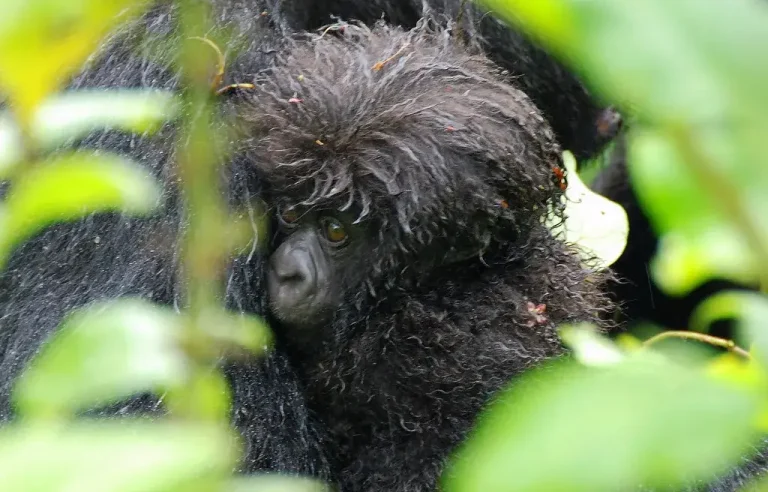
Volcanoes National Park in northwestern Rwanda is one of Africa’s most famous destinations for mountain gorilla trekking. Located in the Virunga Mountains, the park protects endangered mountain gorillas and offers visitors an unforgettable opportunity to observe these remarkable primates in their natural habitat.
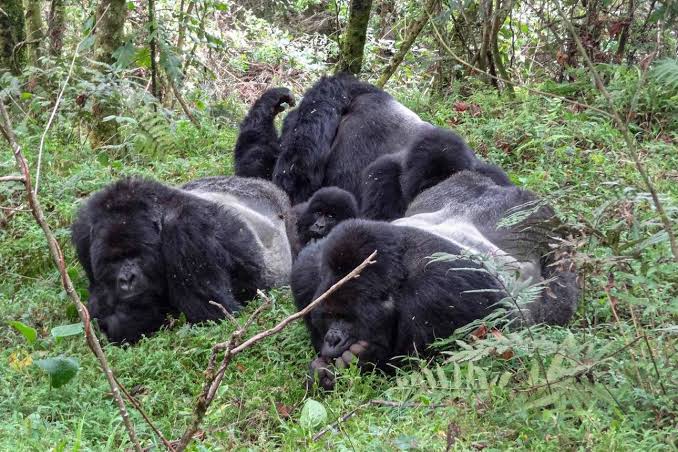
Volcanoes National Park has approximately 12 habituated mountain gorilla families available for tourism, according to Visit Rwanda, Rwanda’s official tourism website. Several additional gorilla groups are habituated for scientific research and are not generally available for tourist visits.
For travellers planning a Rwanda gorilla trekking safari with Raptors Africa Safaris, understanding the number of gorilla families, their characteristics, trekking arrangements, and permit requirements can help make the experience more rewarding.
How Many Gorilla Families Can Tourists Visit?
There are approximately 12 mountain gorilla families habituated for tourism in Volcanoes National Park. Habituation is the gradual process through which gorillas become accustomed to the presence of humans under carefully managed conditions.
These families are monitored by park rangers, trackers, and conservation professionals to protect the gorillas while allowing responsible tourism. The number of families and their composition may change as gorillas form new groups, split from existing families, or move between territories.
According to Visit Rwanda, the park’s tourist gorilla families are:
These are the families listed by the official tourism website. Because gorilla groups are dynamic, travellers should confirm current trekking arrangements with the Rwanda Development Board before booking.
Understanding the Gorilla Families of Volcanoes National Park
Each gorilla family has its own social structure, dominant silverback, and preferred range within the forested slopes of the Virunga volcanoes. The exact number of members changes over time.
1. Susa Gorilla Family
The Susa family is one of the historically significant mountain gorilla groups in Rwanda. It is associated with the early gorilla research conducted by primatologist Dian Fossey in the Virunga Mountains.
The original Susa group became known for its large size and the challenges involved in tracking it at higher elevations. Over time, divisions within the original group contributed to the formation of separate families.
Visitors interested in gorilla conservation history may find the story of the Susa family particularly fascinating.
2. Igisha Gorilla Family
The Igisha family developed from the original Susa group and became a distinct mountain gorilla family. It is an example of how gorilla groups can divide as social relationships and dominance structures change.
Its history also demonstrates the importance of long-term monitoring by researchers and conservation teams.
3. Karisimbi Gorilla Family
The Karisimbi family is associated with the higher slopes of Mount Karisimbi, one of the Virunga volcanic peaks.
Gorilla trekking in this area can involve steep terrain and considerable walking. The difficulty depends on the gorillas’ location on the day of the trek, so visitors should be prepared for a potentially demanding hike.
4. Sabyinyo Gorilla Family
The Sabyinyo family occupies an area near Mount Sabyinyo and is among the established groups known to gorilla trekkers.
As with other families, its location can change, and the time needed to reach it depends on the gorillas’ movements, weather, vegetation, and trail conditions.
5. Amahoro Gorilla Family
Amahoro means “peace” in Kinyarwanda. The family is known for its history of social relationships and group development.
Trekking to Amahoro may involve climbing steep forested slopes. Travellers should not assume that a particular family will always be easier to reach than another because conditions change daily.
6. Agashya Gorilla Family
The Agashya family was previously known as Group 13, a name associated with the number of individuals recorded when the group was first identified.
The group’s history illustrates how mountain gorilla families develop and change under the protection of park authorities.
7. Kwitonda Gorilla Family
The Kwitonda family has an important history of movement across the wider Virunga landscape. Its name is associated with a silverback that led the group before his death.
Gorillas can move across large areas of suitable habitat, which is why trained trackers monitor their movements and help guides locate the assigned family.
8. Umubano Gorilla Family
Umubano means “living together” or “unity” in Kinyarwanda. The family formed after a silverback separated from the Amahoro group and established his own family.
Its history provides an interesting example of the social competition and changing leadership that can occur among mountain gorillas.
9. Hirwa Gorilla Family
Hirwa means “fortunate” in Kinyarwanda. The family formed from gorillas that separated from other groups.
Its history reflects the changing social structure of mountain gorillas across the Virunga Massif. As with other families, current membership and availability should be confirmed before a trek.
10. Bwenge Gorilla Family
Bwenge is another recognised gorilla family in Volcanoes National Park. Its name is associated with wisdom.
Like the other families, Bwenge lives within the forested volcanic landscape, where gorillas forage, rest, play, and care for their young.
11. Ugenda Gorilla Family
Ugenda is among the families listed for tourist trekking in Volcanoes National Park. Gorilla groups are not permanently stationed in one location, and their daily movements can affect the duration and difficulty of a trek.
Visitors should be ready for changing terrain and follow their guide’s instructions throughout the experience.
12. Muhoza Gorilla Family
Muhoza is another habituated family included on the official tourism list. As with all tourist groups, its members are monitored to support conservation and responsible visitor encounters.
The opportunity to observe a family in its natural habitat allows visitors to appreciate gorilla behaviour, family relationships, and the importance of protecting mountain gorilla habitat.
Important: The descriptions above provide general background, not a guarantee of current group membership, location, or trekking difficulty. Gorilla family details can change.
How Many Tourists Can Visit a Gorilla Family Per Day?
Gorilla trekking in Rwanda is strictly regulated to limit disturbance to the animals.
According to Visit Rwanda, the main visitor rules include:
- A maximum of eight tourists per gorilla family per day.
- A maximum viewing period of one hour with the gorillas.
- A minimum trekking age of 15 years.
- A briefing at the park headquarters in Kinigi before the trek.
With approximately 12 tourist families and eight visitor places per family, the theoretical maximum is around 96 tourist permits per day, provided all 12 families are available for tourism that day.
Permits are limited, so advance booking is recommended, especially during popular travel periods.
How Much Does Gorilla Trekking Cost in Rwanda?
The standard gorilla trekking permit for foreign visitors is US$1,500 per person, according to Visit Rwanda and the Rwanda Development Board. Different rates or promotional arrangements may apply to eligible visitor categories and particular periods, so confirm the rate that applies to your nationality and residency status before making payment.
The permit generally covers the regulated gorilla trekking experience; it does not automatically cover every safari expense.
Additional costs may include:
- Accommodation near Volcanoes National Park.
- Transport from Kigali or elsewhere in Rwanda.
- Meals and drinks.
- Porter services.
- Travel insurance and personal expenses.
- Additional activities or excursions.
Raptors Africa Safaris can help travellers organise a personalised itinerary and understand the costs involved before confirming their trip.
How Does Gorilla Family Allocation Work?
Visitors generally do not choose a particular family and receive a guaranteed encounter with it. The park authorities allocate families on the trekking day, taking into account operational conditions and visitors’ fitness levels.
The process normally follows these steps:
- Arrive at the park headquarters in Kinigi for the morning briefing.
- Meet the park guides and learn the gorilla trekking rules.
- Receive an assigned gorilla family.
- Follow experienced guides and trackers through the forest.
- Observe the gorillas for up to one hour once the group is located.
- Return from the forest with your guide.
Trekking can take several hours, depending on the family’s location and the terrain. A relatively short walk is possible on some days, while other treks require a longer, more strenuous hike.
What Is the Best Time to Visit Volcanoes National Park?
Gorilla trekking is possible throughout the year, but weather conditions can affect hiking and road travel.
Drier periods
June to September and December to February are generally popular periods for trekking because trails may be less muddy. These months can also be busy, so securing a permit and accommodation in advance is advisable.
Wetter periods
The wetter months can bring slippery trails, rain, and more challenging hiking conditions. However, the forest remains beautiful, and gorilla trekking continues when conditions and park operations allow.
Regardless of the season, carry waterproof clothing, sturdy hiking boots, long trousers, gardening gloves, and drinking water.
Where Is Volcanoes National Park Located?
Volcanoes National Park is in northwestern Rwanda, near Musanze and the town of Kinigi, where visitors gather before their gorilla trekking experience.
From Kigali, the journey to the Musanze area usually takes approximately two to three hours by road, depending on traffic, weather, and the exact destination. Travellers should allow enough time to reach Kinigi for the required morning briefing.
Many visitors stay in lodges around Musanze or near the park headquarters the night before trekking.
Can You Combine Rwanda Gorilla Trekking with Uganda?
Yes. Travellers can combine Rwanda’s Volcanoes National Park with Uganda’s gorilla trekking destinations, including Bwindi Impenetrable National Park and Mgahinga Gorilla National Park.
A combined Rwanda–Uganda safari can include:
- Mountain gorilla trekking.
- Golden monkey tracking.
- Wildlife safaris in Uganda’s national parks.
- Chimpanzee tracking in Kibale National Park.
- Cultural experiences and scenic drives.
The best itinerary depends on the length of the holiday, permit availability, budget, and preferred activities. Travellers should also confirm border-crossing requirements and transport arrangements.
Responsible Gorilla Trekking and Conservation
Mountain gorillas are endangered, and their survival depends on protecting their habitat, monitoring their health, and reducing human–wildlife conflict.
Visitors can contribute to responsible tourism by following all park rules, keeping a safe distance from the gorillas, avoiding flash photography, maintaining a quiet environment, and postponing a trek if they have a contagious illness.
Tourism also supports conservation-related employment and local livelihoods through jobs for guides, trackers, porters, drivers, and accommodation staff. Responsible travel helps strengthen the relationship between conservation and community wellbeing.
Plan Your Rwanda Gorilla Trekking Safari with Raptors Africa Safaris
Volcanoes National Park offers one of the world’s most memorable wildlife experiences. With approximately 12 habituated gorilla families available for tourism, travellers have the opportunity to observe endangered mountain gorillas while learning about Rwanda’s conservation achievements.
Whether you are planning a short gorilla trekking excursion from Kigali or a longer East African safari, Raptors Africa Safaris can help organise permits, transport, accommodation, and a personalised itinerary.
Contact Raptors Africa Safaris to plan your Rwanda gorilla trekking adventure and experience the mountain gorillas of Volcanoes National Park responsibly.
Discover the beauty of Rwanda’s mountain gorillas with Raptors Africa Safaris—where responsible travel meets unforgettable wildlife encounters.