+256-702 595 926 | info@bookgorillatracking.com

Karisimbi Gorilla Family in Rwanda: History and Trekking Guide

Karisimbi Gorilla Family in Rwanda: History, Members and Gorilla Trekking Guide
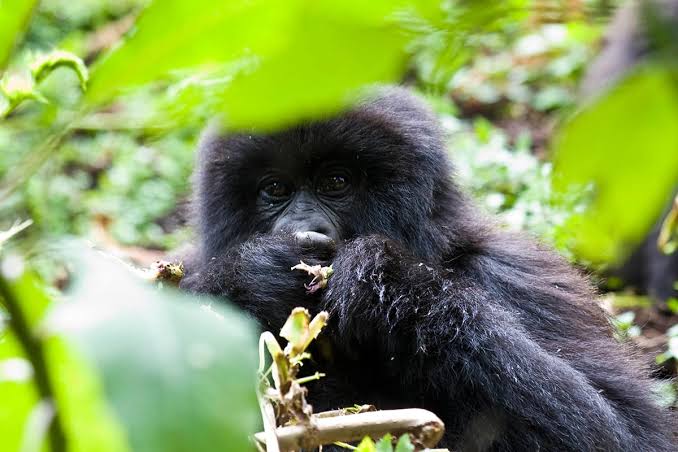
The Karisimbi Gorilla Family in Rwanda is one of the historically significant mountain gorilla groups associated with Volcanoes National Park. The family originated from the famous Susa gorilla group and became known for its association with Mount Karisimbi, the highest volcano in the Virunga Mountains.
For travellers researching Rwanda gorilla trekking, the Karisimbi family offers an interesting story about mountain gorilla social behaviour, family formation, and conservation across international borders.
At Raptors Africa Safaris, we believe understanding individual gorilla families helps travellers appreciate the wildlife conservation work behind every gorilla trekking experience. This guide explores the history of the Karisimbi family, its known members, its relationship with other gorilla groups, and what visitors should know before planning a trek.
Where Is the Karisimbi Gorilla Family Found?
The Karisimbi Gorilla Family is associated with Volcanoes National Park in northwestern Rwanda. The park protects part of the Virunga Massif, a chain of volcanic mountains shared by Rwanda, Uganda, and the Democratic Republic of the Congo.
Mount Karisimbi rises to approximately 4,507 metres above sea level, making it the highest volcano in the Virunga range. Its slopes include montane forests, bamboo vegetation, and other habitats that support mountain gorillas and numerous other species.
Historically, the Karisimbi gorilla group ranged around Mount Karisimbi and nearby forested areas. However, gorillas move between feeding areas and may cross international boundaries within the wider Virunga landscape.
According to the International Gorilla Conservation Programme (IGCP), the Karisimbi group crossed into the Democratic Republic of the Congo in October 2016. Its current location and availability for tourism should therefore be confirmed with the relevant park authorities before making travel arrangements.
History of the Karisimbi Gorilla Family
The Karisimbi family originated from the original Susa gorilla family, one of Rwanda’s most famous mountain gorilla groups.
The separation process began in 2009, when a subordinate silverback named Nyagakangaga left the Susa group with other gorillas. The breakaway group initially became known as Susa B.
The separation became permanent in August 2009, and the group was subsequently named Karisimbi during Rwanda’s annual gorilla-naming ceremony, known as Kwita Izina, in 2010.
The name reflects the family’s historical association with Mount Karisimbi.
The formation of this group illustrates how mountain gorilla families can change over time. As groups grow and relationships between males evolve, some gorillas may separate to establish new social groups.
How Many Gorillas Are in the Karisimbi Family?
The recorded membership of the Karisimbi family is best understood in historical context.
The International Gorilla Conservation Programme’s family profile records 10 individuals in its last known composition, with the profile last updated on 31 January 2024. However, the same profile explains that the group had not been seen since October 2016, when it crossed into the Democratic Republic of the Congo.
The recorded composition included:
- Six silverbacks.
- One adult female.
- One blackback.
- One subadult female.
- One juvenile.
These figures describe the last recorded composition, not a verified current population count.
Because mountain gorillas may move between forest areas and across national borders, their status can change. Travellers should consult current conservation updates before assuming that the family can be visited in Rwanda.
Who Is the Dominant Silverback of the Karisimbi Family?
Nyagakangaga was the dominant silverback associated with the formation of the Karisimbi family.
Silverbacks are mature male mountain gorillas distinguished by the silver-grey hair that develops across their backs as they age. They play important roles in group leadership, social cohesion, and protection.
A gorilla group’s leadership structure can change through natural events, including competition between males, dispersal, and the formation of new families.
The Karisimbi group’s history illustrates how these social relationships can contribute to the development of separate gorilla families.
Why Did the Karisimbi Gorilla Family Split Again?
The Karisimbi family experienced another significant change in its social structure in April 2012.
A group of gorillas separated from Karisimbi to establish what became the Isimbi family. This development followed tensions among silverbacks within the group.
The formation of Isimbi demonstrates that gorilla families are dynamic social units rather than permanent groups with fixed membership.
Today, the Karisimbi and Isimbi names remain important in the history of Rwanda’s mountain gorilla conservation. However, the present-day status and tourist availability of each group should be checked separately.
Is the Karisimbi Gorilla Family Open to Tourists?
The Karisimbi family’s current availability for tourist trekking should not be assumed.
Although the group is widely mentioned in historical gorilla trekking guides, the International Gorilla Conservation Programme records that it crossed into the Democratic Republic of the Congo in 2016 and had not been seen since October of that year.
This means travellers should not book a Rwanda gorilla trekking safari on the assumption that they will be assigned to the Karisimbi family.
Instead, visitors planning to trek in Volcanoes National Park should confirm which habituated families are currently available through the Rwanda Development Board or an authorised tour operator.
When a tourist family is assigned, the experience generally follows these steps:
- Arrive at the park headquarters in Kinigi for registration and briefing.
- Receive information about gorilla trekking rules and safety.
- Join the assigned group with trained guides and trackers.
- Walk through the forest to locate the gorillas.
- Observe the gorillas for up to one hour once they are found.
- Return from the forest with the guide.
Final family allocation depends on park arrangements and the conditions on the day.
What Is Gorilla Trekking Like Around Mount Karisimbi?
The mountainous landscape around Mount Karisimbi is characterised by steep slopes, dense vegetation, changing weather, and high elevations.
A trek in this region can be physically demanding, depending on the destination, trail conditions, and distance involved. Travellers should prepare for uneven ground, possible rain, and several hours of walking.
For a mountain gorilla trekking trip in Rwanda, consider packing:
- Waterproof hiking boots with good grip.
- Long trousers and long-sleeved clothing.
- A waterproof jacket.
- Gardening gloves for gripping vegetation.
- Drinking water and permitted snacks.
- A small daypack.
- A walking stick, if needed.
The difficulty of a trek to any available gorilla family varies daily. No specific trekking duration or level of difficulty should be guaranteed without current information from the park.
How Much Does Gorilla Trekking Cost in Rwanda?
Rwanda’s standard gorilla trekking permit for international visitors has been listed at US$1,500 per person. Travellers should confirm the applicable rate with the Rwanda Development Board before booking, as eligible visitor categories and specific promotional arrangements may have different rates.
The permit is separate from many other safari expenses, which may include:
- Accommodation near Volcanoes National Park.
- Transport from Kigali or elsewhere in Rwanda.
- Meals and drinks.
- Porter services.
- Travel insurance.
- Additional activities and excursions.
Since the Karisimbi family’s current tourist availability is uncertain, confirm the family allocation arrangements before paying for a trip marketed specifically around this group.
Raptors Africa Safaris can help travellers understand permit arrangements, accommodation options, transport, and the overall cost of a Rwanda gorilla trekking safari.
Best Time to Go Gorilla Trekking in Rwanda
Gorilla trekking takes place throughout the year, subject to weather conditions and park operations.
The generally drier periods, from June to September and December to February, are popular because trails may be less muddy. However, mountain weather can change quickly, and rain is possible even during drier months.
The wetter periods may make hiking more challenging but can offer beautiful forest scenery.
For the best experience, book permits in advance, pack appropriate hiking equipment, and confirm your trekking arrangements before travelling.
Responsible Gorilla Trekking and Conservation
Mountain gorillas are endangered, and their survival depends on habitat protection, monitoring, veterinary support, and cooperation with surrounding communities.
Visitors can contribute to responsible tourism by following these guidelines:
- Maintain the required distance from the gorillas.
- Never touch or feed wild gorillas.
- Avoid flash photography and loud noises.
- Follow the instructions of park rangers.
- Do not trek when experiencing a potentially contagious illness.
- Avoid leaving rubbish in the forest.
- Respect wildlife and protected habitats.
The history of the Karisimbi family also highlights the importance of conservation across national borders. Mountain gorillas live within a connected landscape, and effective protection requires collaboration between conservation organisations and authorities in Rwanda, Uganda, and the Democratic Republic of the Congo.
Combine Rwanda Gorilla Trekking with Other East African Experiences
A Rwanda gorilla trekking safari can be combined with other destinations and activities across East Africa.
Depending on your travel plans, you may consider:
- Golden monkey tracking in Volcanoes National Park.
- Exploring Kigali and Rwanda’s cultural attractions.
- Visiting Lake Kivu.
- Gorilla trekking in Uganda’s Bwindi Impenetrable National Park.
- Chimpanzee tracking in Kibale National Park.
- Wildlife safaris in Uganda’s savannah national parks.
A combined Rwanda and Uganda safari is a rewarding option for travellers who want to experience different landscapes, cultures, and conservation initiatives during one holiday.
Plan Your Rwanda Gorilla Trekking Safari with Raptors Africa Safaris
The Karisimbi Gorilla Family holds an important place in Rwanda’s mountain gorilla history. Its origins in the Susa group, its later split that led to the formation of Isimbi, and its movement into the Democratic Republic of the Congo demonstrate the changing nature of gorilla social groups.
Although its current location and availability for tourism require confirmation, Volcanoes National Park remains one of Africa’s most important destinations for mountain gorilla trekking.
Raptors Africa Safaris helps travellers plan personalised East African wildlife adventures, including gorilla trekking, accommodation, transport, and additional cultural or wildlife experiences.
Contact our team to discuss a Rwanda gorilla trekking itinerary and confirm which gorilla families are currently available.
Discover the remarkable mountain gorillas of East Africa with Raptors Africa Safaris, where responsible tourism and unforgettable wildlife experiences come together.