+256-702 595 926 | info@bookgorillatracking.com

Agashya Gorilla Family in Rwanda: Trekking Guide

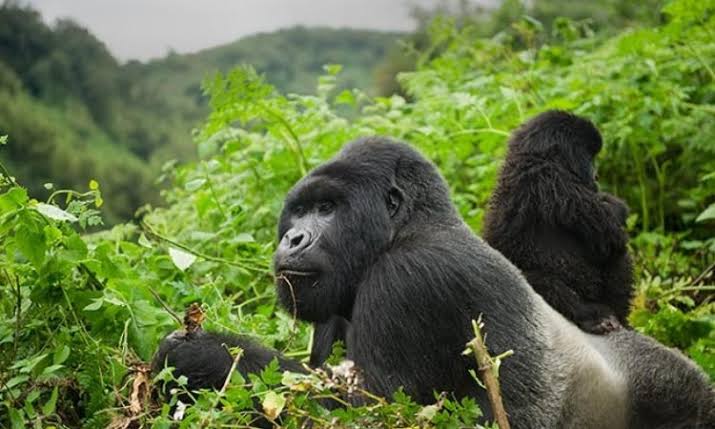
Agashya Gorilla Family in Rwanda: History, Members and Trekking Guide
The Agashya Gorilla Family in Rwanda is one of the mountain gorilla groups associated with Volcanoes National Park, a protected area in northwestern Rwanda within the Virunga mountain range. Also known historically as Group 13, the family is notable for its growth from a small group of gorillas and the leadership transition that gave it its present name.
For travelers planning a Rwanda gorilla trekking safari, learning about the Agashya family adds context to this unforgettable wildlife experience. With the help of experienced guides and trackers, visitors can hike through the forested slopes of the Virunga volcanoes to observe mountain gorillas in their natural habitat.
At Raptors Africa Safaris, we encourage travelers to plan their gorilla trekking experience responsibly, follow park regulations, and support conservation and communities living around protected areas.
Where Is the Agashya Gorilla Family Found?
The Agashya Gorilla Family lives in Volcanoes National Park, in Rwanda’s Musanze region. The park protects part of the Virunga Massif, a chain of volcanic mountains that includes Mount Karisimbi, Mount Bisoke, Mount Sabyinyo, Mount Gahinga, and Mount Muhabura.
Agashya has historically been associated with the slopes and forested areas between Mount Sabyinyo and Mount Bisoke. However, mountain gorillas move through the forest in search of food, shelter, and suitable habitat, so their location changes from day to day.
Visitors should therefore expect a guided trek rather than a guaranteed short walk to a fixed location. The distance and difficulty of a trek depend on where the gorilla family is found that morning.
History of the Agashya Gorilla Family
Why Was It Originally Called Group 13?
The Agashya family was originally known as Group 13, a name derived from the 13 gorillas recorded when the group was being habituated for human observation. Habituation is the gradual process through which gorillas become accustomed to the presence of people under carefully controlled conditions.
The family later became known as the Agashya Gorilla Family after a silverback named Agashya took over leadership. The group’s story is an example of the changing social relationships that shape mountain gorilla families.
How Agashya Took Over Leadership
Historical accounts describe how Agashya challenged the former dominant silverback, Nyakarima, and eventually took control of the group. Following this transition, the family became associated with Agashya’s name.
Agashya became known for expanding the group, including through interactions with gorillas from other groups and the integration of individuals. Accounts have also described the family moving to higher ground when the dominant silverback perceived a potential threat.
These reports help explain why the group is of interest to wildlife enthusiasts. However, gorilla behavior is not always predictable, and visitors should not expect a particular display or encounter during a trek.
Who Leads the Agashya Gorilla Family Today?
Leadership details have changed over time. A group composition document from the International Gorilla Conservation Programme (IGCP) and conservation partners identified Isano as the dominant silverback in May 2021, following a leadership transition from Agashya, who moved away from the group’s centre.
The IGCP’s online family directory lists Agashya with 20 members in its published profile. Other sources have reported different totals, which reflects the fact that gorilla family membership can change through births, deaths, transfers, and group splits. Confirm the latest information with park authorities or your safari operator before travelling.
How Many Gorillas Are in the Agashya Family?
The Agashya Gorilla Family has been reported at different sizes over the years. The IGCP directory has listed 20 members, while older tourism sources have reported larger totals. These figures should be treated as dated records rather than a guarantee of how many gorillas visitors will see.
A gorilla family can include:
- Silverbacks: Mature males that play important roles in family leadership and protection.
- Adult females: Females that contribute to the group’s social structure and raise young.
- Blackbacks and subadults: Younger gorillas developing as they mature.
- Juveniles and infants: Young gorillas whose play and interactions can be fascinating to observe.
Not every member will necessarily be visible during a trek. Gorillas may be resting, feeding, moving through dense vegetation, or positioned behind foliage when visitors arrive.
What Is Special About the Agashya Gorilla Family?
Its History as Group 13
The original name, Group 13, reflects the small number of individuals recorded during the group’s early history. Its later growth makes it an interesting example of how mountain gorilla families change over time.
Its Leadership Story
The transition from Nyakarima to Agashya is one of the group’s best-known historical features. Leadership changes are part of the natural social dynamics of mountain gorillas, and the family’s history gives visitors additional context for understanding those dynamics.
Its Mountain Forest Habitat
The Agashya family inhabits the dramatic volcanic landscape of Volcanoes National Park. Trekkers may pass through bamboo forest, thick vegetation, open patches, and steep or muddy trails, depending on the route and season.
A Conservation Experience
Mountain gorilla trekking contributes to conservation through regulated tourism, employment, and wider support for protecting gorilla habitat. Visitors also have a role to play by following park rules, keeping a respectful distance, and avoiding actions that could disturb the animals.
What Is Agashya Gorilla Trekking Like?
A typical gorilla trekking experience begins early in the morning at the park headquarters, where visitors attend a briefing and receive guidance from park staff. Trekking groups are then assigned to gorilla families according to park procedures and the day’s conditions.
The trek involves walking through forested terrain with guides and trackers who help locate the gorillas. The hike may be relatively short or require several hours, depending on the family’s location and movement.
Once the gorillas are located, visitors generally have up to one hour to observe them, subject to the rules and instructions of park authorities. During this time, travelers may see gorillas feeding, resting, grooming, caring for infants, or moving through the forest.
The experience can be physically demanding. Trails may be steep, slippery, muddy, or covered with vegetation, so a reasonable level of fitness and suitable clothing are recommended.
Important: Requesting the Agashya family does not guarantee that you will be assigned to it. Family allocation and tracking arrangements are managed by the park authorities, and availability can change.
How Much Does an Agashya Gorilla Trekking Permit Cost?
There is no separate permit price specifically for the Agashya Gorilla Family. Visitors need a valid mountain gorilla trekking permit for Volcanoes National Park.
The standard published permit rate for an international visitor is US$1,500 per person, but eligibility-based rates and promotional offers may apply to certain visitor categories and travel periods. Rwanda Development Board notices specify that promotional prices can have seasonal restrictions, so check the official booking portal for the rate that applies to your nationality, residency status, and travel dates.
The permit generally covers the regulated gorilla trekking experience, not the full cost of a safari. Budget separately for accommodation, transport, meals, travel insurance, and any additional activities.
For the latest rates and booking requirements, consult the Rwanda Development Board’s official gorilla trekking portal.
Best Time to Visit the Agashya Gorilla Family
Gorilla trekking takes place throughout the year in Volcanoes National Park. Many travelers prefer the relatively drier periods because trails may be easier to navigate, although rainfall can occur at any time in this mountainous environment.
The main seasonal considerations are:
- Drier periods: Often preferred for hiking because trails may be less muddy.
- Rainier periods: Forest vegetation can be lush, but paths may be slippery and wet.
- Any season: Gorilla sightings are not guaranteed at a precise time or location, and conditions vary from day to day.
Choose your travel dates based on your broader Rwanda itinerary, availability of permits, accommodation preferences, and comfort with hiking in wet conditions.
What to Pack for Agashya Gorilla Trekking
Prepare for cool, damp forest conditions and changing weather. Useful items include:
- Sturdy hiking boots with good grip.
- Long trousers and a long-sleeved shirt.
- A lightweight waterproof jacket.
- Gardening or hiking gloves for gripping vegetation.
- A small daypack with drinking water and snacks.
- A walking stick, which may be available through your guide or lodge.
- Insect repellent and sunscreen.
- A camera with a suitable zoom lens, used without flash.
- Personal medication and any essential travel documents.
Porters may be available for hire at the park, depending on local arrangements. Hiring a porter can make the trek easier and provides income for people in nearby communities.
Gorilla Trekking Rules and Responsible Travel
Mountain gorillas are endangered, and responsible visitor behavior is essential to their protection. Follow your guide’s instructions and the current rules issued by park authorities.
Key principles include:
- Keep the required distance from the gorillas as instructed by your guide.
- Never touch, feed, chase, or surround a gorilla.
- Do not use flash photography.
- Speak quietly and avoid sudden movements.
- Follow instructions if a gorilla approaches or the group changes position.
- Do not trek when sick; inform park staff if you have symptoms that could pose a risk to gorillas.
- Take all rubbish out of the forest.
- Respect the time limit and other visitor rules.
The minimum age for gorilla trekking in Rwanda is generally 15 years. Confirm age and documentation requirements when booking.
Where to Stay for Agashya Gorilla Trekking
Most visitors stay in or near Musanze, also known as Ruhengeri, or in lodges around the park’s access area. Options range from luxury lodges to mid-range hotels and budget accommodation.
When choosing where to stay, consider:
- Travel time to the park briefing point.
- Whether breakfast is available early in the morning.
- Transport to and from the park headquarters.
- Meal arrangements after a demanding hike.
- Your overall safari budget and preferred comfort level.
Booking accommodation and permits together can simplify logistics, especially during busy travel periods.
How to Get to Volcanoes National Park
Most international visitors arrive in Rwanda through Kigali International Airport. From Kigali, travelers usually continue by road to Musanze and the Volcanoes National Park area.
The drive commonly takes around 2–3 hours, depending on traffic, weather, and the exact starting point and accommodation. Arrange transport that allows you to reach the park headquarters in time for the morning briefing.
Visitors combining Rwanda and Uganda can also plan a cross-border safari, but border procedures, transfer times, and permit arrangements should be checked carefully in advance. A Rwanda gorilla permit is for the Rwanda trekking experience and is not interchangeable with a Uganda permit.
Combine Agashya Gorilla Trekking With Other Rwanda Experiences
A gorilla trek can be part of a broader Rwanda itinerary. Depending on your interests and available time, you could combine Volcanoes National Park with:
- Golden monkey tracking: An opportunity to look for golden monkeys in the Virunga forest.
- Kigali City: Explore Rwanda’s capital, markets, museums, and cultural attractions.
- Kigali Genocide Memorial: Visit this important memorial respectfully and allow time to understand its historical significance.
- Lake Kivu: Enjoy lakeside scenery and relaxation after trekking.
- Community and cultural experiences: Learn about local traditions and conservation-linked livelihoods through responsible operators.
Your itinerary should allow enough time for transfers, rest, and the possibility of challenging trekking conditions.
Book an Agashya Gorilla Trekking Safari With Raptors Africa Safaris
The Agashya Gorilla Family offers a compelling introduction to the mountain gorillas of Rwanda’s Volcanoes National Park. Its history as Group 13, the leadership story associated with Agashya, and its habitat in the Virunga volcanic landscape all add context to the experience.
Raptors Africa Safaris can help you plan a gorilla trekking itinerary around permit availability, accommodation, transfers, and other destinations in Rwanda or the wider East African region. Since gorilla family assignments are managed by park authorities, let your safari planner know your interests while remaining flexible about the group you may visit.
For an accurate quote, share your preferred travel dates, number of travelers, accommodation category, and whether you want a Rwanda-only itinerary or a combined Rwanda–Uganda safari.
Plan your Rwanda gorilla trekking safari with Raptors Africa Safaris and experience mountain gorillas through responsible, well-organized travel.