+256-702 595 926 | info@bookgorillatracking.com

Susa Gorilla Family in Rwanda: Trekking Guide and History

Susa Gorilla Family in Rwanda: History, Members and Gorilla Trekking Guide
The Susa Gorilla Family in Volcanoes National Park, Rwanda, is one of the most famous mountain gorilla families in Africa. Known for its remarkable history, connection to primatologist Dian Fossey, and rare twin births, the Susa family attracts wildlife enthusiasts and travellers seeking an unforgettable gorilla trekking experience.
Located in the forested slopes of the Virunga Mountains, this family represents an important part of Rwanda’s mountain gorilla conservation story. For visitors planning a Rwanda gorilla trekking safari with Raptors Africa Safaris, learning about the Susa family offers a deeper understanding of the animals, their social behaviour, and the conservation work that protects them.
Where Is the Susa Gorilla Family Found?
The Susa Gorilla Family lives in Volcanoes National Park in northwestern Rwanda, within the Virunga Mountains. Its traditional range is associated with the slopes of Mount Karisimbi, the highest volcano in the Virunga range.
The park protects endangered mountain gorillas alongside other wildlife and montane forest habitats. Its volcanic landscape features bamboo forest, thick vegetation, steep slopes, and areas of high-altitude forest.
Gorilla families move through the forest to find food, rest, and interact with other members. Consequently, the Susa family’s exact location changes, and visitors cannot expect to find it in the same place every day.
History of the Susa Gorilla Family
The Susa family was established in 1974, initially consisting of seven individuals. It later became one of the largest habituated mountain gorilla groups ever recorded, reaching approximately 41–42 members at its peak.
The family became internationally recognised through the research of Dian Fossey, whose work in the Virunga Mountains helped transform scientific understanding of mountain gorillas and their conservation needs.
Fossey and other researchers documented gorilla social structures, feeding habits, relationships, and behaviour. Their work contributed to the development of modern mountain gorilla research and conservation.
The Susa family remains an important part of this history and continues to attract visitors interested in the relationship between wildlife tourism and conservation.
How Many Gorillas Are in the Susa Family?
The number of gorillas in the Susa family changes through births, deaths, dispersal, and changes in group structure.
The International Gorilla Conservation Programme listed 21 members in its more recent family directory, although earlier records reported different numbers. For this reason, the exact membership should be treated as a dated estimate rather than a permanent figure.
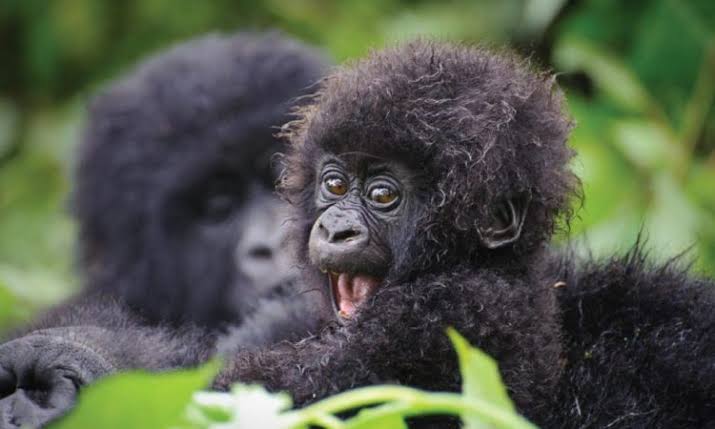
A gorilla family typically includes a dominant silverback, adult females, younger males, juveniles, and infants. The dominant silverback plays an important role in group leadership, protection, and maintaining social relationships.
For travellers, observing these different age groups can provide valuable insight into mountain gorilla family life.
The Famous Twin Gorillas of the Susa Family
One of the most remarkable features of the Susa family is its history of surviving twin births.
In 2004, the family became known for the birth of twins named Impano and Byishimo. Their survival attracted considerable attention because twin births are uncommon among mountain gorillas and caring for two infants can present additional challenges.
Another set of twins was born in the family in 2011, although one of the twins later died.
These events helped make the Susa family particularly famous among wildlife enthusiasts and researchers. They also demonstrate the importance of long-term monitoring in understanding mountain gorilla reproduction and survival.
Why Did the Susa Gorilla Family Split?
As the Susa family grew, its social structure changed. Large mountain gorilla groups can experience competition between males, changes in leadership, and the formation of new groups.
Beginning in 2009, the original Susa family underwent a series of splits. These developments contributed to the establishment of several families, including:
- Susa: The original group that retained the Susa name.
- Karisimbi: A group that separated from the original Susa family.
- Isimbi: A family that developed from the Karisimbi group.
- Igisha: Another family that originated from the Susa group.
These changes illustrate the natural social dynamics of mountain gorillas. Family splits do not necessarily indicate a conservation problem; they can occur as gorillas establish new social groups and territories.
Several families encountered by tourists today therefore have historical connections to the original Susa group.
Is the Susa Gorilla Family Difficult to Trek?
The Susa family is associated with the higher slopes of Mount Karisimbi, and reaching it can involve a demanding hike through steep, forested terrain.
However, the difficulty of any gorilla trek depends on the family’s location on the day, weather, trail conditions, altitude, and the visitor’s physical fitness.
Visitors should prepare for:
- Uneven and sometimes muddy trails.
- Steep climbs and changes in elevation.
- Dense vegetation and humid forest conditions.
- Several hours of walking, depending on the gorillas’ location.
- Changing weather in the mountains.
If you are interested in trekking the Susa family specifically, inform your tour operator when planning your safari. Final family allocation and trekking arrangements remain subject to park authorities and operational conditions.
How to See the Susa Gorilla Family
To experience mountain gorillas in Volcanoes National Park, visitors must obtain a valid gorilla trekking permit and follow the park’s procedures.
A typical trekking day involves the following steps:
- Arrive at Kinigi: Visitors report to the park headquarters for registration and briefing.
- Receive instructions: Rangers explain gorilla trekking rules, safety precautions, and conservation guidelines.
- Join the assigned trekking group: Park authorities allocate visitors to available gorilla families.
- Enter the forest: Guides and trackers lead the hike towards the gorillas.
- Observe the gorillas: Visitors are generally allowed up to one hour with the family once it has been located.
- Return from the trek: The guide leads the group back to the starting point.
Requesting the Susa family does not guarantee assignment to it. Family allocation depends on park arrangements, and availability should be confirmed before travel.
Gorilla Trekking Permit Cost in Rwanda
Rwanda’s standard gorilla trekking permit has been listed at US$1,500 per person for international visitors. Rates can vary for eligible visitor categories or under specific promotional arrangements, so confirm the current price with the Rwanda Development Board before booking.
The permit is separate from many other safari expenses, including accommodation, road transfers, meals, porter services, and travel insurance.
Raptors Africa Safaris can assist with itinerary planning, permit arrangements, accommodation selection, and transport to Volcanoes National Park.
Best Time to Visit the Susa Gorilla Family
Gorilla trekking is available throughout the year, subject to weather conditions and park operations.
June to September and December to February are generally popular periods because they tend to be drier. Trails may be less muddy, although conditions can still change quickly in the mountains.
The wetter periods can offer beautiful forest scenery but may make hiking more difficult. Visitors should pack waterproof jackets, sturdy hiking boots, long trousers, gardening gloves, and sufficient drinking water.
Because gorilla permits are limited, it is advisable to book well in advance, particularly for popular travel dates.
Responsible Gorilla Trekking in Volcanoes National Park
Mountain gorillas are endangered, and responsible tourism plays an important role in supporting their long-term protection.
When visiting the Susa family, travellers should:
- Follow the instructions of park rangers and guides.
- Keep the required distance from the gorillas.
- Avoid touching or feeding the animals.
- Speak quietly and avoid sudden movements.
- Never use flash photography.
- Follow park health requirements and avoid trekking when ill.
- Respect the forest and avoid leaving rubbish behind.
Responsible trekking helps minimise disturbance to the gorillas while supporting conservation programmes and local livelihoods.
Combine Susa Gorilla Trekking with Other Rwanda Experiences
A visit to Volcanoes National Park can be combined with other destinations and activities in Rwanda, depending on the length of your holiday.
Travellers may consider:
- Golden monkey tracking in Volcanoes National Park.
- Exploring Musanze and its surrounding countryside.
- Visiting the Kigali Genocide Memorial and other Kigali attractions.
- Enjoying a cultural experience with local communities.
- Combining Rwanda with gorilla trekking in Uganda’s Bwindi Impenetrable National Park.
A combined Rwanda and Uganda safari is especially appealing to visitors who want to explore different landscapes, cultures, and wildlife experiences in East Africa.
Book Your Rwanda Gorilla Trekking Safari with Raptors Africa Safaris
The Susa Gorilla Family is an outstanding example of the history, social complexity, and conservation importance of mountain gorillas in Rwanda. From its connection to Dian Fossey‘s pioneering research to its famous twin births and subsequent family splits, Susa offers a compelling story for anyone interested in African wildlife.
Although the trek can be challenging, the opportunity to observe mountain gorillas in their natural habitat is a memorable experience.
Raptors Africa Safaris can help you plan a personalised Rwanda gorilla trekking safari, including permit arrangements, accommodation, transport, and additional wildlife or cultural experiences.
Contact our team to start planning your mountain gorilla adventure in Volcanoes National Park.
Travel responsibly, discover Rwanda’s remarkable wildlife, and experience the mountain gorillas with Raptors Africa Safaris.