+256-702 595 926 | info@bookgorillatracking.com

Kwitonda Gorilla Family in Rwanda: Complete Trekking Guide

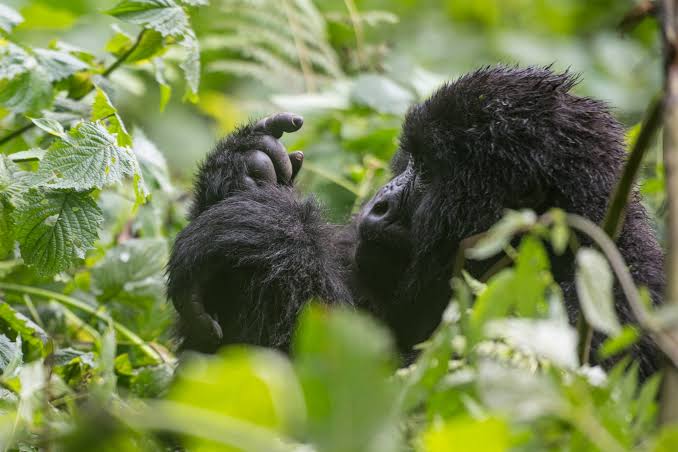
Kwitonda Gorilla Family in Rwanda: History, Location, Trekking Experience and Safari Guide
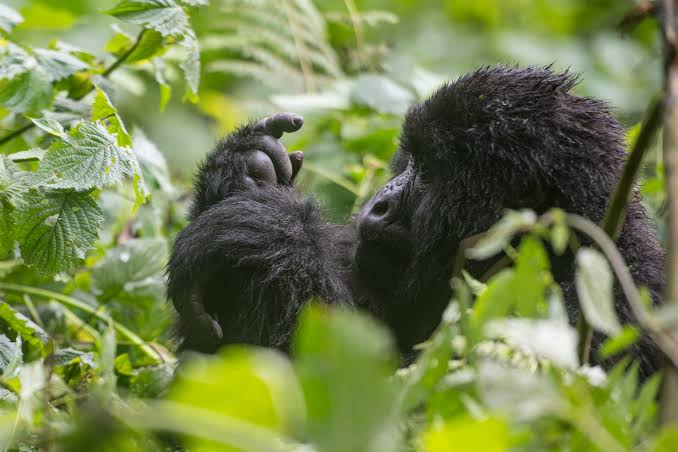
The Kwitonda Gorilla Family is one of the remarkable habituated mountain gorilla groups found in Volcanoes National Park. Known for its fascinating cross-border history, this family originally lived in the Democratic Republic of Congo (DRC) before migrating into Rwanda in the early 2000s.
The group takes its name from its founding silverback, Kwitonda, whose name means “the humble one” in Kinyarwanda. Its story is closely connected to the movement of mountain gorillas across the Virunga Mountains, the changing leadership of gorilla families and the conservation work that protects these endangered primates.
For travellers planning a Rwanda gorilla trekking safari, the Kwitonda family offers an opportunity to observe mountain gorillas in their natural habitat while learning about their social behaviour, family relationships and conservation.
In this guide, Raptors Africa Safaris explores the history of the Kwitonda Gorilla Family, where it lives, its leadership, what makes it special, how difficult the trek can be and how to organise a visit.
Where Is the Kwitonda Gorilla Family Found?
The Kwitonda Gorilla Family lives in Volcanoes National Park in north-western Rwanda, within the Virunga mountain range. The group is associated with the slopes of Mount Muhabura, one of the volcanoes that form part of the park’s dramatic high-altitude landscape.
Volcanoes National Park is located in Rwanda’s Northern Province, close to the town of Musanze and the Ugandan and Democratic Republic of Congo borders.
The park protects a section of the Virunga Mountains, an important habitat for endangered mountain gorillas. Its landscape includes montane rainforest, bamboo vegetation, open forest clearings and volcanic slopes.
Because gorillas move freely through their habitat in search of food, water and suitable resting areas, the Kwitonda family does not remain in one fixed location. Its daily ranging area can change, and the exact starting point and hiking distance depend on where trackers locate the group.
Visitors interested in tracking Kwitonda should understand that its association with Mount Muhabura does not mean the gorillas can always be found at the same altitude or in the same forest section.
History of the Kwitonda Gorilla Family
The history of the Kwitonda family is particularly interesting because it originated in the Democratic Republic of Congo rather than Rwanda.
1. Origins in Virunga National Park, DRC
The Kwitonda family was originally formed in Virunga National Park in the Democratic Republic of Congo. Its founding silverback, Kwitonda, established the group after separating from another gorilla family.
Historical accounts indicate that the group moved into Rwanda around 2003, eventually settling in Volcanoes National Park. Its migration is associated with pressure from other gorilla groups and the changing dynamics of its original range.
This movement is an important reminder that mountain gorillas do not recognise international boundaries. The Virunga landscape is a shared ecosystem extending across Rwanda, Uganda and the Democratic Republic of Congo.
2. Migration into Rwanda
When Kwitonda and his family crossed into Rwanda, they initially appeared to be moving temporarily. However, the group remained and established a permanent range within Volcanoes National Park.
The migration made the family an interesting example of cross-border gorilla movement and the importance of cooperation between conservation authorities in the Virunga region.
Today, the Kwitonda name remains part of Rwanda’s mountain gorilla trekking heritage.
3. The Death of the Founding Silverback
The founding silverback, Kwitonda, died in 2012, reportedly from age-related causes.
His death created a leadership transition within the family. Two subordinate silverbacks, Akarevuro and Kigoma, were associated with the subsequent leadership contest.
Akarevuro eventually established himself as the group’s dominant leader, according to the International Gorilla Conservation Programme’s family profile.
4. The Family Split in 2021
In May 2021, the Kwitonda family underwent a significant division. Kigoma left with a number of members to establish a separate group, commonly identified in tourism accounts as the Kwisanga family.
The split illustrates a natural feature of mountain gorilla social organisation. As groups grow and younger males mature, some silverbacks may establish new families by separating with other members.
The original Kwitonda family continued under Akarevuro’s leadership. Its membership has changed over time through births, deaths and changes in group structure.
What Does the Name Kwitonda Mean?
The name Kwitonda means “the humble one” in Kinyarwanda. It refers to the founding silverback that established the family and led its migration from the Democratic Republic of Congo into Rwanda.
The name has remained even after the founding silverback’s death, preserving the history of the original group.
The family is therefore not simply identified by its location in Volcanoes National Park; its name represents an important part of the mountain gorilla population’s history in the Virunga region.
How Many Gorillas Are in the Kwitonda Family?
The number of gorillas in the Kwitonda family has changed over the years. Births, deaths, maturation of younger males and the 2021 family split have all influenced its membership.
Historical profiles have reported different group sizes. The International Gorilla Conservation Programme published a family profile in January 2024, while other tourism sources provide different counts. These figures should not be treated as a guaranteed current headcount.
The family has included several categories of gorillas:
-
Silverbacks: Mature males with developed silver-grey hair across their backs.
-
Adult females: Females that form an important part of the family structure and care for their young.
-
Blackbacks: Younger adult males that have not yet developed the silver colouring associated with mature silverbacks.
-
Juveniles: Young gorillas that are growing and learning social behaviours.
-
Infants: The youngest members, usually seen close to their mothers.
For the most accurate current information, ask the park authorities or your safari operator when arranging your trek.
Who Leads the Kwitonda Gorilla Family?
The group’s founding leader was the silverback Kwitonda, who guided the family from the Democratic Republic of Congo into Rwanda.
Following his death in 2012, leadership passed to Akarevuro, who established his position after the leadership contest involving Kigoma.
The role of a dominant silverback is important in mountain gorilla society. He provides leadership, helps maintain group cohesion, responds to potential threats and influences the family’s movements.
However, gorilla leadership can change naturally. Younger males mature, social relationships evolve and new groups may form. Visitors should therefore confirm current leadership information rather than rely entirely on older family profiles.
What Makes the Kwitonda Gorilla Family Special?
Several features make this group particularly interesting to visitors and wildlife enthusiasts.
1. Its cross-border history
The family originated in Virunga National Park in the DRC before establishing itself in Rwanda. This gives it a distinctive history among the habituated gorilla groups of Volcanoes National Park.
2. Its association with Mount Muhabura
The group is associated with the slopes of Mount Muhabura, one of the major volcanoes in the Virunga range. This mountainous setting creates a beautiful backdrop for a gorilla trekking experience.
3. Its changing social structure
The family’s history includes leadership succession and a division that resulted in a new gorilla group. These developments offer an interesting insight into how mountain gorilla families evolve.
4. Opportunities to observe natural gorilla behaviour
During a successful trek, visitors may observe silverbacks resting, females feeding, mothers caring for infants and juveniles playing or interacting with other family members.
Each encounter is different because the gorillas move freely and behave naturally in their forest habitat.
How Difficult Is Trekking the Kwitonda Gorilla Family?
Trekking the Kwitonda family can be moderately challenging or strenuous, depending on where the group is located on the day of your visit.
Its association with the Mount Muhabura area means that some treks may involve considerable hiking through steep and densely vegetated terrain. However, the actual difficulty cannot be determined simply from the family’s name or usual range.
Factors that influence the trek include:
-
The location of the gorilla family on the trekking day.
-
The distance between the starting point and the gorillas.
-
The steepness of the terrain.
-
Rainfall and forest trail conditions.
-
Your physical fitness and hiking experience.
Some visitors may reach the family after a relatively manageable walk, while others may need several hours of hiking.
If you have concerns about your fitness, mobility or ability to hike long distances, discuss these with your safari operator before your visit. Park staff can explain the available arrangements, although a particular family or short trekking route cannot always be guaranteed.
What Is the Gorilla Trekking Experience Like?
Tracking the Kwitonda family follows the standard gorilla trekking process in Volcanoes National Park.
1. Early morning arrival at Kinigi
Your day begins with an early transfer to the park headquarters at Kinigi. This is where visitors register, present their permits and prepare for the morning briefing.
Staying in or around Musanze the previous night is advisable because it reduces the early-morning driving distance.
2. Gorilla trekking briefing
Park officials and guides explain the trekking procedures, conservation rules and safety requirements. Visitors are also informed about appropriate behaviour when encountering mountain gorillas.
Gorilla families are allocated by park authorities on the trekking day. If you specifically hope to visit Kwitonda, communicate this preference when booking, but understand that allocation depends on the park’s arrangements and availability.
3. Transfer to the starting point
After the briefing, you travel to the designated trailhead. From there, experienced guides and trackers lead the hike into the forest.
Trackers use information about the gorillas’ previous movements to help locate the family.
4. Searching for the gorillas
The trek may involve walking through bamboo vegetation, forest paths, thick undergrowth and steep volcanic slopes.
The duration varies according to the location and movement of the gorillas. Visitors should be prepared for both short and long hikes.
5. Spending time with the gorillas
Once the family is located, visitors are normally allowed one hour to observe the gorillas.
You may see the silverback resting or monitoring the group, females feeding, mothers caring for infants and young gorillas playing.
The experience is strictly regulated to protect both visitors and gorillas. Your guide will explain where to stand and how to behave.
6. Returning from the forest
After the observation period, you follow your guide back to the starting point. You can then return to your lodge, enjoy lunch and continue with other activities depending on your itinerary.
Best Time to Trek the Kwitonda Gorilla Family
Gorilla trekking in Volcanoes National Park is available throughout the year. However, the relatively drier periods generally offer more comfortable hiking conditions.
| Period | Months | General trekking conditions |
|---|---|---|
| Long dry season | June–September | Generally less muddy trails and favourable hiking conditions |
| Short dry season | December–February | Another favourable period for trekking |
| Long rainy season | March–May | More frequent rain and potentially slippery trails |
| Short rainy season | October–November | Wet vegetation and changing trail conditions |
June to September
This is generally one of the best periods for gorilla trekking in Rwanda. Trails are often less muddy, although showers can still occur in the mountains.
December to February
The shorter dry season is another good opportunity to visit the Kwitonda family. It is particularly suitable for travellers planning holidays around the festive season or early in the year.
March to May and October to November
Trekking remains possible during these months, but visitors should expect wetter conditions. Waterproof clothing and sturdy hiking boots are essential.
Remember that the location of the gorillas, rather than the season alone, determines the actual hiking distance.
What to Pack for Trekking the Kwitonda Family
Because the terrain can be steep and the forest vegetation thick, appropriate clothing and equipment will make your experience more comfortable.
Recommended items include:
-
Sturdy waterproof hiking boots with good grip.
-
Long-sleeved shirts and long hiking trousers.
-
Waterproof jacket or rain poncho.
-
Gardening gloves for holding vegetation.
-
Small backpack for personal belongings.
-
Drinking water and light snacks.
-
Camera with spare batteries and memory cards.
-
Insect repellent.
-
Hat and sunscreen.
-
Walking stick, which may be available through your guide or lodge.
Hiring a local porter is also a good idea. Porters can assist with carrying bags and navigating challenging sections of the trail, while providing an important source of income for surrounding communities.
Gorilla Trekking Rules and Regulations
Mountain gorillas are endangered animals, and their protection is a priority in Volcanoes National Park. Visitors tracking the Kwitonda family must follow the rules provided by park authorities.
Important guidelines include:
-
Maintain the required distance from the gorillas as instructed by your ranger.
-
Do not touch or attempt to feed the gorillas.
-
Avoid eating or drinking near the gorillas.
-
Do not use flash photography.
-
Keep your voice low and avoid sudden movements.
-
Follow your guide’s instructions throughout the encounter.
-
Do not trek when you are unwell, particularly if you have symptoms of an infectious respiratory illness.
-
Do not leave rubbish in the forest.
These rules help reduce the risk of disease transmission and minimise disturbance to the gorillas.
How Much Does It Cost to Track the Kwitonda Gorilla Family?
The Kwitonda family is tracked under Rwanda’s standard mountain gorilla trekking permit system.
The commonly published standard foreign non-resident permit rate is USD 1,500 per person, but visitors should confirm the current applicable price and eligibility category directly with the Rwanda Development Board before booking.
The permit is generally the main activity cost, but your total safari budget should also account for:
-
Gorilla trekking permits.
-
Accommodation near Volcanoes National Park.
-
Transport from Kigali to Musanze.
-
Professional driver-guide services.
-
Meals and refreshments.
-
Optional activities such as golden monkey tracking.
-
Airport transfers and other travel arrangements.
Raptors Africa Safaris can assist with organising the permit, accommodation and transport as part of a complete Rwanda gorilla trekking package.
How to Get to Volcanoes National Park to Track the Kwitonda Family
Most international visitors arrive through Kigali International Airport.
From Kigali, the journey to Musanze takes approximately two to three hours by road, depending on traffic and road conditions. From Musanze, you continue towards Kinigi, where the park headquarters and gorilla trekking briefing point are located.
There are several ways to reach Volcanoes National Park:
By private safari vehicle
A private 4×4 safari vehicle is a convenient option, especially for travellers who want to combine gorilla trekking with other destinations in Rwanda.
You can arrange an airport pickup, transfer to your lodge and transport to Kinigi on the trekking morning.
By organised safari package
Booking an organised gorilla trekking safari means your operator can coordinate permits, accommodation, transport and guiding services.
This is particularly useful for international visitors who are unfamiliar with Rwanda’s road network and park arrangements.
By public transport
Public transport services connect Kigali with Musanze. However, you will still need to organise transport from Musanze to your accommodation and the park headquarters.
For a smooth experience, a private transfer is generally more convenient.
Where to Stay When Tracking the Kwitonda Gorilla Family
Visitors can choose from luxury lodges, mid-range accommodation and budget guesthouses around Musanze and Kinigi.
When selecting accommodation, consider the following:
-
Distance from Kinigi park headquarters.
-
Availability of early breakfast.
-
Transport arrangements to the trekking briefing.
-
Room comfort and available facilities.
-
Meal options and special dietary requirements.
-
Views of the Virunga volcanoes.
Staying close to the park headquarters is particularly helpful because gorilla trekking begins early in the morning.
Other Activities to Combine with Kwitonda Gorilla Trekking
A visit to Volcanoes National Park can be extended with other wildlife, cultural and adventure experiences.
1. Golden monkey tracking
Golden monkey tracking is another popular primate experience in Volcanoes National Park. Visitors enter the bamboo forest to observe these endangered and lively monkeys.
2. Dian Fossey Tomb and Karisoke Research Centre hike
This experience introduces visitors to the history of mountain gorilla research and the conservation work associated with Dian Fossey. The hike also offers beautiful views of the surrounding mountains.
3. Mount Bisoke hiking
Mount Bisoke is a popular hiking destination in the Virunga Mountains. The climb takes visitors through different vegetation zones towards a spectacular crater lake.
4. Iby’Iwacu Cultural Village
Visitors can experience aspects of Rwandan culture through traditional performances, storytelling, crafts and community activities.
5. Kigali city tour
A Kigali excursion can include the Kigali Genocide Memorial, local markets, museums and other cultural attractions.
6. Lake Kivu
After trekking, travellers can extend their holiday to Lake Kivu for boat trips, relaxation and scenic lakeside experiences.
Can You Combine Kwitonda Gorilla Trekking with Uganda Gorilla Trekking?
Yes. Rwanda and Uganda can be combined in one East African gorilla trekking itinerary.
After visiting the Kwitonda family in Volcanoes National Park, travellers can cross into Uganda and continue to either:
-
Bwindi Impenetrable National Park, home to several habituated mountain gorilla families.
-
Mgahinga Gorilla National Park, another important mountain gorilla habitat in the Virunga Mountains.
A combined Rwanda–Uganda safari can also include chimpanzee tracking in Kibale National Park, wildlife game drives in Queen Elizabeth National Park and other experiences.
The itinerary should account for border formalities, separate gorilla permits, transport times and accommodation arrangements.
Frequently Asked Questions About the Kwitonda Gorilla Family
1. Where is the Kwitonda Gorilla Family located?
The Kwitonda family lives in Volcanoes National Park in north-western Rwanda. It is associated with the slopes of Mount Muhabura in the Virunga Mountains.
2. What does Kwitonda mean?
Kwitonda means “the humble one” in Kinyarwanda. The family was named after its founding silverback.
3. Did the Kwitonda family originate in Rwanda?
No. The family originally lived in Virunga National Park in the Democratic Republic of Congo before migrating into Rwanda around 2003.
4. Who was the founding silverback of the Kwitonda family?
The founding silverback was Kwitonda, who led the family from the Democratic Republic of Congo into Volcanoes National Park.
5. Is the original Kwitonda silverback still alive?
No. The founding silverback died in 2012, reportedly due to old age.
6. Who took over leadership after Kwitonda died?
Akarevuro eventually established leadership following the death of the founding silverback and the subsequent leadership contest involving Kigoma.
7. Did the Kwitonda family split?
Yes. The family split in May 2021 when Kigoma left with a number of members to establish a separate group, commonly referred to as Kwisanga.
8. How many gorillas are in the Kwitonda family?
The number changes through births, deaths and group divisions. Historical sources have reported different figures, so visitors should seek an updated count from park authorities.
9. Is the Kwitonda family available for tourism?
The family has been listed among the habituated gorilla groups of Volcanoes National Park. However, family allocation is controlled by park authorities and should be confirmed when booking.
10. Is trekking the Kwitonda family difficult?
The trek can be moderately challenging or strenuous. Its difficulty depends on where the gorillas are located, the terrain, weather and the distance covered on the day.
11. How long do visitors spend with the Kwitonda family?
Visitors are normally allowed one hour with the gorillas after locating the group.
12. What is the best time to track the Kwitonda family?
June to September and December to February are generally favourable because these are Rwanda’s relatively drier periods. Trekking is possible throughout the year.
13. Can I request to track the Kwitonda family?
You can express your preference when booking, but final allocation is managed by park authorities and cannot be guaranteed.
14. Can children track the Kwitonda family?
Rwanda’s minimum age for standard gorilla trekking is generally 15 years. Confirm current requirements with the Rwanda Development Board before booking.
Plan Your Kwitonda Gorilla Trekking Safari with Raptors Africa Safaris
The Kwitonda Gorilla Family offers a fascinating opportunity to explore the history and social life of Rwanda’s mountain gorillas. From its origins in the Democratic Republic of Congo to its establishment in Volcanoes National Park, the group’s story reflects the remarkable movement and resilience of mountain gorillas in the Virunga region.
Whether you are planning a short Rwanda gorilla trekking holiday or a longer safari combining Rwanda and Uganda, advance planning helps make the experience smoother.
Raptors Africa Safaris can help arrange your Kwitonda gorilla trekking experience, including permit arrangements, accommodation, airport transfers, private 4×4 transport and professional safari guiding.
Visit Book Gorilla Tracking to start planning your mountain gorilla encounter.