+256-702 595 926 | info@bookgorillatracking.com

Margherita Peak: Climbing Uganda’s Highest Mountain

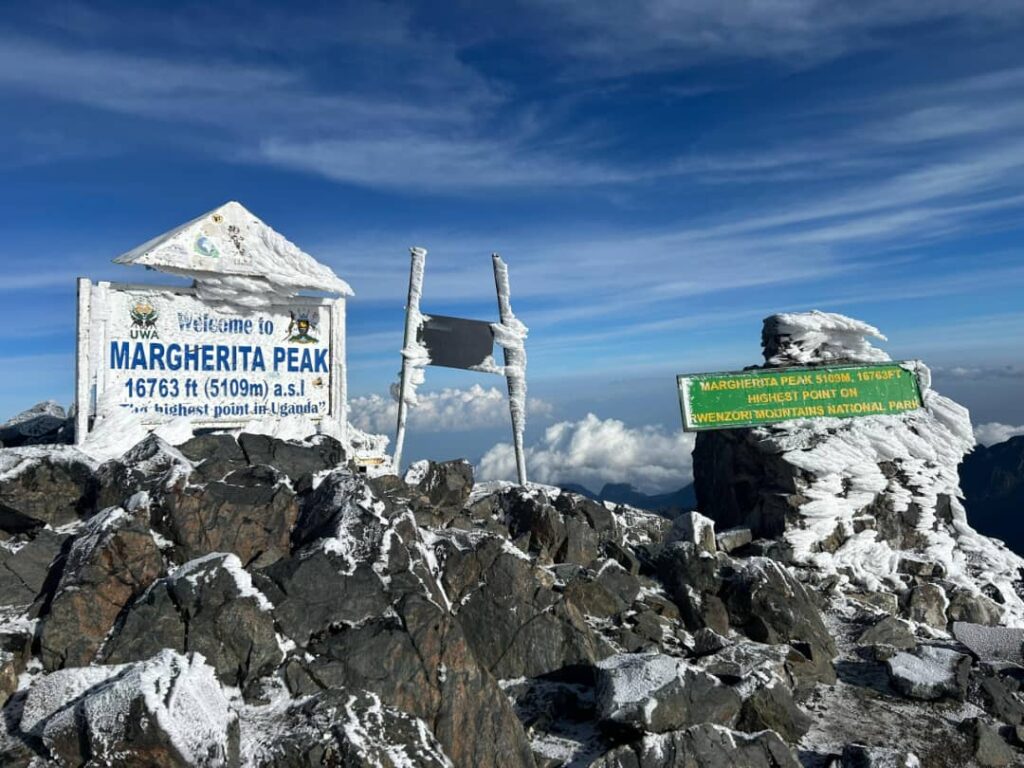
Margherita Peak: A Complete Guide to Climbing Uganda’s Highest Mountain
Margherita Peak is one of Africa’s most spectacular mountaineering destinations, rising to 5,109 metres above sea level in the Rwenzori Mountains of western Uganda. Located on Mount Stanley, it is the highest point in Uganda and the third-highest mountain summit in Africa, after Mount Kilimanjaro and Mount Kenya.
Unlike the volcanic slopes of Kilimanjaro, the Rwenzori Mountains feature rugged ridges, glacial valleys, giant groundsels, moss-covered forests and dramatic alpine landscapes. Reaching Margherita Peak is a challenging expedition that takes climbers through several vegetation zones before they approach the mountain’s high-altitude ice and rock.
For experienced hikers and adventurous travellers, climbing Margherita Peak offers an opportunity to explore one of East Africa’s most extraordinary mountain environments. The journey requires physical preparation, appropriate equipment, experienced mountain guides and enough time to acclimatise to the altitude.
In this guide, Epic Uganda Vacation explores where Margherita Peak is located, how difficult the climb is, the best time to visit, trekking routes, estimated costs and how to prepare for a successful Rwenzori Mountains expedition.
Where Is Margherita Peak Located?
Margherita Peak is situated on Mount Stanley within Rwenzori Mountains National Park in western Uganda, close to the border with the Democratic Republic of the Congo.
The Rwenzori range is often called the Mountains of the Moon. It is renowned for its unusual combination of equatorial rainforest, bamboo vegetation, giant heathers, alpine moorland and high-altitude glaciers.
Rwenzori Mountains National Park protects much of Uganda’s side of this remarkable mountain range and is recognised as a UNESCO World Heritage Site. The park is also important for its unique plant communities, endemic species and diverse mountain habitats.
The closest major town for arranging a climbing expedition is Kasese, although the starting point depends on the trekking route and operator you choose.
How High Is Margherita Peak?
Margherita Peak stands at approximately 5,109 metres (16,762 feet) above sea level.
It is the highest summit of Mount Stanley, a mountain massif with several peaks. The summit is shared by the Uganda–Democratic Republic of the Congo border region, and the climb involves much more than walking to a viewpoint.
At this elevation, climbers may experience reduced oxygen availability, cold temperatures, strong winds and rapidly changing weather. The final approach can involve glacier travel, ropes and technical climbing equipment, depending on the route and prevailing conditions.
Margherita Peak is therefore not simply a long hiking trail. It is a high-altitude mountaineering objective that requires appropriate preparation and professional guidance.
Why Is Margherita Peak Famous?
1. It Is Uganda’s Highest Point
Reaching Margherita Peak means standing at the highest point in Uganda. For mountaineers, this makes the summit an important achievement and a distinctive addition to an East African adventure.
The climb is demanding, but the experience combines physical challenge with the opportunity to explore the remote Rwenzori wilderness.
2. It Offers Extraordinary Mountain Scenery
The Rwenzori Mountains have a character unlike many other African mountain ranges. Climbers pass through dense montane forest, bamboo zones, giant heather vegetation, boggy valleys and high alpine landscapes.
Higher on the mountain, the scenery becomes increasingly dramatic, with steep rock faces, glacial terrain and broad views across the surrounding peaks when visibility permits.
3. It Has a Rare Equatorial Alpine Environment
The Rwenzori Mountains rise close to the equator, yet their highest elevations experience freezing temperatures and glacial conditions.
This contrast supports unusual vegetation, including giant lobelias and groundsels that are characteristic of the Afro-alpine zone. The landscape is one of the most distinctive reasons to climb Margherita Peak.
4. It Is a Serious Mountaineering Challenge
The expedition involves long hiking days, steep terrain, muddy trails, altitude gain and a demanding summit section. Conditions can change quickly, and reaching the top is never guaranteed.
For many climbers, the achievement comes not only from reaching the summit but also from successfully navigating the mountain’s varied environments.
How Difficult Is Climbing Margherita Peak?
Climbing Margherita Peak is challenging and is best suited to hikers with good fitness, preparation and a willingness to spend several days in remote mountain conditions.
The difficulty comes from several factors:
- High altitude: At 5,109 metres, the summit presents a risk of altitude-related illness.
- Long trekking days: The expedition involves repeated days of walking across steep and uneven ground.
- Wet and muddy trails: Rainfall can make forest paths, bogs and rocks slippery.
- Cold conditions: Temperatures near the summit can fall below freezing.
- Technical summit terrain: Glacier crossings, ropes and climbing equipment may be required.
- Unpredictable weather: Rain, mist, wind and poor visibility can affect progress and summit attempts.
You do not necessarily need extensive technical mountaineering experience for every part of the expedition, but the summit section is different from an ordinary hiking trail. Your operator and guides should assess your experience and explain the technical requirements before departure.
Travellers who want to experience the Rwenzori Mountains without attempting the summit can choose lower-altitude hikes and shorter mountain itineraries.
How Many Days Does It Take to Climb Margherita Peak?
Most summit expeditions require approximately 7–8 days, although some itineraries are longer or shorter depending on the route, acclimatisation plan, weather and operator.
Allow additional time for travelling to western Uganda, preparing for the trek and recovering after the climb.
A longer itinerary may provide more flexibility for acclimatisation, weather delays and rest. Do not choose an itinerary solely because it has the fewest days; safety and adequate preparation are more important than speed.
Example of a 7–8-Day Margherita Peak Expedition
The following is an illustrative itinerary structure. Overnight camps, daily distances and the summit schedule vary by route and operator.
Day 1: Arrive at the trailhead and begin the trek
Meet the mountain team, complete the necessary preparations and start hiking into the lower forest zones. The first day introduces the terrain and establishes the pace for the expedition.
Day 2: Continue through the mountain vegetation zones
Hike through forest and higher vegetation zones, with changing landscapes, streams and steep sections along the trail. The team manages the pace according to conditions and the group’s ability.
Day 3: Ascend towards the higher valleys
Continue towards the upper mountain camps, passing through increasingly open vegetation and alpine terrain. Weather and trail conditions influence the day’s progress.
Day 4: Move towards the high camps
Continue climbing towards the camp used for the summit approach. This stage requires careful pacing, hydration and attention to symptoms of altitude sickness.
Day 5: Prepare for the summit attempt
Rest and prepare according to the operator’s acclimatisation schedule and current conditions. Guides review equipment, weather, glacier conditions and the planned route.
Day 6: Attempt Margherita Peak
Begin the summit attempt according to the agreed schedule. The route may involve technical glacier and rock sections, requiring specialist equipment and close supervision by qualified mountain guides.
Reaching the summit depends on weather, the group’s condition and the guides’ assessment. If conditions are unsafe, the attempt may be delayed or abandoned.
Days 7–8: Descend and return to the trailhead
Descend through the mountain’s vegetation zones and return to the exit point. The exact duration depends on the chosen route and itinerary.
This outline is not a substitute for a confirmed expedition plan. Follow the detailed itinerary supplied by your trekking operator.
Which Route Is Best for Climbing Margherita Peak?
Two established approaches are commonly used for climbing Margherita Peak: the Central Circuit and the Kilembe Trail.
1. The Central Circuit Route
The Central Circuit approaches the Rwenzori Mountains from the eastern side, beginning near Mihunga. It is a traditional route through the mountain’s forests, valleys and high camps.
The route provides access to the upper mountain and the Margherita summit approach. It also offers views of other Rwenzori peaks and landscapes along the way.
The Central Circuit is managed through Rwenzori Mountaineering Services. Ask the operator to explain the current itinerary, acclimatisation schedule, included services and technical summit arrangements before booking.
2. The Kilembe Trail
The Kilembe Trail, also known as the southern approach, starts in the Kilembe area near Kasese and follows the Nyamwamba River valley into the mountains.
The route passes through several vegetation zones and dramatic mountain scenery before reaching the higher camps used for summit attempts. It is often organised as a 7–8-day expedition, although the duration depends on the itinerary.
Rwenzori Trekking Services manages this route. Climbers should compare the actual inclusions of the available packages rather than assuming that all operators offer the same services.
Which Route Should You Choose?
The best route depends on your experience, preferred scenery, available dates, fitness and the itinerary recommended by your operator.
Before making a decision, compare:
- Total trekking duration and daily walking times.
- Acclimatisation opportunities.
- Accommodation and meals on the mountain.
- Porter and guide arrangements.
- Glacier equipment and technical climbing support.
- Rescue arrangements and emergency procedures.
- The operator’s experience with current summit conditions.
Best Time to Climb Margherita Peak
The Rwenzori Mountains can be visited throughout the year, but rainfall, cloud cover and trail conditions affect the climbing experience.
The relatively drier periods are generally June to August and December to February. These windows are often preferred for trekking, although conditions remain unpredictable at high altitude.
During wetter periods, trails may become muddy, boggy and slippery, while mist can limit visibility. Even in the drier months, rain, snow, freezing temperatures and strong winds are possible near the summit.
The most suitable time for your expedition should be confirmed with your trekking operator, who can provide current information about trail conditions, equipment and summit access.
How Much Does It Cost to Climb Margherita Peak?
The cost depends on the route, trek duration, visitor category, group size and services included in the package.
For reference, Rwenzori Trekking Services published 2026 Kilembe Trail rates listing a 7-day Margherita Peak package at approximately US$1,660 per person. This is an operator-published reference price, not a universal rate for every route or company. Confirm the current price and inclusions directly before booking.
Your total travel budget may also need to cover:
- Transport to and from Kasese or the trailhead.
- Accommodation before and after the expedition.
- Meals and drinks outside the trekking package.
- Personal mountaineering equipment and clothing.
- Travel insurance that covers high-altitude trekking and evacuation.
- Tips and any additional services not included in the quotation.
Request a written quotation that specifies what is included, what is excluded, payment terms and the policy for weather-related changes or unsuccessful summit attempts.
What Should You Pack for Margherita Peak?
Packing correctly is essential because you will encounter wet forest conditions, cold high-altitude camps and potentially icy terrain.
Recommended items include:
- Waterproof hiking boots with reliable grip.
- Waterproof jacket and trousers.
- Warm insulating layers and thermal base layers.
- Gloves, a warm hat and suitable socks.
- A comfortable daypack and waterproof pack covers.
- A headlamp with spare batteries.
- Reusable water bottles and water-treatment supplies as advised.
- Sunglasses and high-altitude sun protection.
- Personal medication and a compact first-aid kit.
- Trekking poles for steep and muddy sections.
- Sleeping equipment appropriate to the operator’s arrangements.
- Snacks and personal hygiene supplies.
Technical equipment for the summit attempt may include a climbing helmet, harness, crampons, ice axe and other glacier equipment. Confirm the exact requirements with your guide or operator. Do not assume that every package includes all personal equipment.
Physical Preparation for Climbing Margherita Peak
Start preparing well before your planned expedition. Good cardiovascular fitness, leg strength, balance and the ability to walk for several consecutive days will help you manage the trek.
Useful preparation includes:
- Regular uphill hikes with a gradually increasing duration.
- Stair climbing or hill training to build leg endurance.
- Strength exercises for the legs, core and stabilising muscles.
- Practice hikes carrying the daypack you expect to use.
- Walking in wet conditions where safe, so you can test your footwear and clothing.
- Rest days and recovery between demanding training sessions.
High-altitude exposure is difficult to reproduce in ordinary training. Fitness alone does not eliminate altitude sickness, so follow your guide’s acclimatisation plan and seek medical advice before the trip if you have concerns about high-altitude activity.
If you develop symptoms such as a worsening headache, nausea, dizziness or unusual fatigue at altitude, tell your guide immediately. Severe symptoms require urgent assessment and descent as directed by trained personnel.
Safety Considerations for the Margherita Peak Summit
Safety is especially important on the upper mountain because the summit approach can involve glacier crossings, crevasses, exposed rock and rapidly changing weather.
In May 2024, hiking to Margherita Peak was temporarily suspended following concerns about a crevasse on the glacier. The Uganda Wildlife Authority announced the resumption of hiking in August 2024 after safety measures, including a bridge and additional climbing ropes, were installed.
That announcement is historical and does not guarantee that every section of the route remains unchanged or safe under current conditions.
Before your trek, ask your operator to confirm the latest summit access status, glacier conditions, safety equipment, guide arrangements and any restrictions issued by park authorities. Never attempt the technical summit section independently or continue against your guide’s safety advice.
Other Things to Do in Rwenzori Mountains National Park
You do not have to reach Margherita Peak to enjoy the Rwenzori Mountains. Travellers who prefer a less demanding adventure can explore other experiences in the park.
Mountain hiking and nature walks
Lower-altitude trails offer forest scenery, mountain streams and views of the surrounding valleys. These experiences are suitable for visitors who want to explore the Rwenzori landscape without undertaking a high-altitude summit expedition.
Birdwatching
The mountain forests support a diverse bird community, including species associated with the Albertine Rift. A knowledgeable local guide can help identify birds along forest trails and in different vegetation zones.
Cultural experiences near Kasese
Visitors can arrange cultural experiences with local communities in the wider Rwenzori region. These may include learning about local traditions, food and life around the mountain foothills.
Combine the Rwenzori trek with a Uganda safari
A Margherita Peak expedition can be combined with other destinations in western Uganda, depending on your available time and recovery needs. Options may include Queen Elizabeth National Park, where visitors can enjoy wildlife viewing and a boat trip along the Kazinga Channel.
Travellers can also consider a longer itinerary that includes gorilla trekking in Bwindi Impenetrable National Park. However, a demanding summit expedition followed by another strenuous activity should be planned with sufficient recovery time.
Frequently Asked Questions About Margherita Peak
Is Margherita Peak the highest mountain in Uganda?
Yes. Margherita Peak, at approximately 5,109 metres, is Uganda’s highest summit and the highest point of Mount Stanley in the Rwenzori Mountains.
Is Margherita Peak the third-highest mountain in Africa?
Margherita Peak is commonly described as Africa’s third-highest summit, after the highest points of Mount Kilimanjaro and Mount Kenya.
How many days are needed to climb Margherita Peak?
Many expeditions take around 7–8 days, although the duration varies by route, acclimatisation schedule and operator. Allow additional days for travel and recovery.
Do I need mountaineering experience to climb Margherita Peak?
Good fitness and hiking experience are important. The technical summit section requires suitable equipment and qualified guides. Ask your operator whether your experience is appropriate for the planned route.
Can beginners climb Margherita Peak?
A beginner with strong fitness may be able to undertake a guided expedition after suitable preparation, but the summit is a serious high-altitude objective. Beginners should discuss their experience honestly with a reputable operator and consider a lower-altitude Rwenzori trek first.
What is the best month to climb Margherita Peak?
June to August and December to February are commonly preferred periods because conditions are often relatively drier. Weather is unpredictable, so confirm the latest conditions before travelling.
Can I climb Margherita Peak without a guide?
You should arrange the expedition through an established mountain operator and follow the applicable park rules. The technical summit section requires qualified mountain guidance and appropriate safety equipment. Do not attempt the glacier route independently.
What happens if I cannot reach the summit?
Summit success is never guaranteed. Weather, altitude symptoms, trail conditions and safety assessments may require a climber or group to turn back. Ask your operator about alternative routes, descent arrangements and the terms of your booking before departure.
Plan Your Margherita Peak Adventure with Epic Uganda Vacation
Climbing Margherita Peak is an exceptional way to discover Uganda beyond its wildlife safaris. From misty montane forests to alpine valleys and the high summit of Mount Stanley, the Rwenzori Mountains provide a challenging and rewarding experience for well-prepared adventurers.
The key to a successful expedition is choosing an appropriate route, allowing enough time for acclimatisation, carrying the correct equipment and travelling with experienced mountain guides.
Raptors Africa can help you plan a wider Uganda itinerary around your Rwenzori adventure, including transport, accommodation and additional wildlife experiences. For the technical mountain climb itself, arrangements should be confirmed with a specialist Rwenzori trekking operator.
Contact Epic Uganda Vacation to discuss your preferred travel dates, trekking duration and the other destinations you would like to include in your Uganda adventure.
[…] the mountain scenery, climb to a high-altitude viewpoint, or undertake a challenging expedition to Margherita Peak, Uganda’s highest point at 5,109 metres above sea […]