Call: +256 702 595 926 | Email: info@bookgorillatracking.com

Virunga National Park: Complete Travel Guide

Virunga National Park: A Complete Travel Guide to Africa’s Remarkable Wilderness

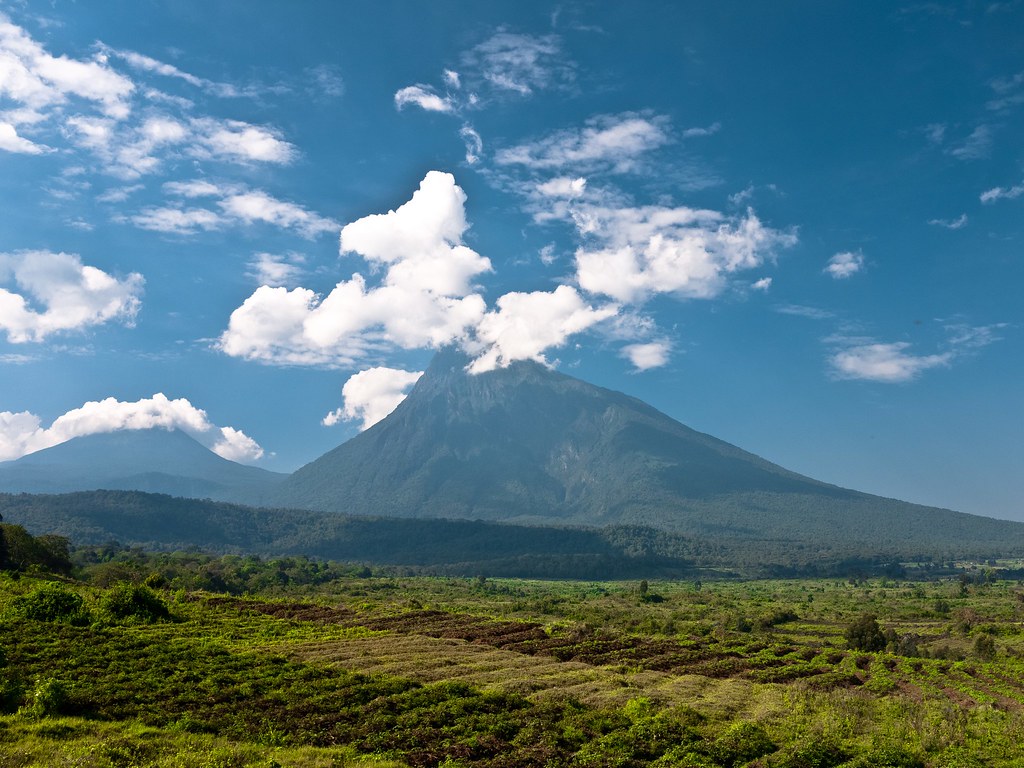
Mount Nyiragongo

Introduction to Virunga National Park
Virunga National Park is one of Africa’s most extraordinary protected areas, renowned for its mountain gorillas, dramatic volcanic landscapes, tropical forests and remarkable biodiversity. Located in the eastern Democratic Republic of the Congo (DR Congo), the park offers a distinctive wilderness setting shaped by the Albertine Rift and the volcanic mountains along the borders of Congo, Uganda and Rwanda.
Established in 1925, Virunga is recognised as Africa’s oldest national park. It was designated a UNESCO World Heritage Site in 1979 because of its exceptional natural importance. Its diverse habitats range from lowland forests and savannah plains to high-altitude forests and volcanic slopes.
For travellers interested in wildlife conservation, primates, birdwatching and mountain scenery, Virunga is an important destination to understand when exploring the wider East and Central African tourism region. However, travel planning must take account of current security conditions and the official suspension of some tourism activities.
Where is Virunga National Park located?
Virunga National Park lies in the eastern part of the Democratic Republic of the Congo, within the Albertine Rift region of Central and East Africa. It stretches across a range of ecological zones, including the Virunga volcanic mountains, forested highlands, savannah and parts of the Rift Valley landscape.
The park is associated with the North Kivu and surrounding eastern Congo region. Goma is a key urban centre for historical tourism access to the southern sector, while other areas of the park extend much farther north.
Its location makes Virunga geographically connected to Uganda’s Queen Elizabeth National Park, Rwenzori Mountains and Mgahinga Gorilla National Park, as well as Rwanda’s Volcanoes National Park. Nevertheless, these destinations are in different countries and have separate entry requirements, permits and security conditions.
Why is Virunga National Park famous?

Virunga is famous for several outstanding natural features.
- Mountain gorillas: The park protects an important population of endangered mountain gorillas in its forested southern sector.
- Volcanic landscapes: Its volcanic region includes Mount Nyiragongo, an active volcano known for its dramatic crater.
- Exceptional biodiversity: The park supports diverse mammals, birds, reptiles and other wildlife across contrasting habitats.
- UNESCO World Heritage status: Its international recognition reflects its ecological importance.
- Conservation work: Rangers, wildlife researchers and conservation teams work to protect wildlife and natural habitats despite serious challenges in the region.
Wildlife in Virunga National Park
Virunga’s varied ecosystems provide habitats for numerous wildlife species. The animals visitors may encounter depend on the park sector, season, habitat and current access arrangements.

1. Mountain gorillas
Mountain gorillas are among Virunga’s most important conservation priorities. They inhabit forested mountain slopes and live in family groups led by dominant silverbacks. Observing these primates in their natural habitat has historically been one of the park’s signature tourism experiences, although trekking is currently suspended.

2. Other great apes
The wider region of eastern Congo is internationally important for great-ape conservation. Different species occupy different habitats, so travellers should not assume that every great ape associated with Congo can be seen within Virunga itself.

3. Forest and savannah mammals
Virunga’s extensive habitats support a range of mammals, including elephants and antelope. Species distribution varies between sectors, and wildlife sightings are never guaranteed. Any wildlife itinerary should be based on the particular area officially accessible to visitors.

4. Birds and forest wildlife
The park’s forests, wetlands and open habitats make the wider Virunga landscape interesting for birdwatching and nature research. The Albertine Rift is particularly important for bird diversity and regional endemism.
For wildlife-focused visitors, it is important to distinguish between species recorded in the wider region and those that can reliably be observed in a specific sector of the national park.
Mountain gorilla trekking in Virunga National Park
Mountain gorilla trekking has historically been Virunga’s best-known tourism activity. Visitors would travel with trained rangers and trackers into the forest to locate a habituated gorilla family.
The trek could involve steep slopes, muddy paths, thick vegetation and changing weather. Once the gorillas were located, visitors followed strict rules designed to protect the animals and minimise disturbance. for travellers seeking gorilla trekking trips, they can opt for uganda parks such as Bwindi and Mgahinga or volcanoes national park of Rwanda
What was a typical gorilla trek like?
- Morning briefing: Visitors received instructions from the ranger team.
- Journey into the forest: Rangers and trackers guided the group towards the gorilla family.
- Gorilla encounter: Visitors were permitted a limited observation period, traditionally around one hour.
- Return to the starting point: The group walked back after the encounter.
The difficulty and duration depended on the location of the gorillas and the terrain. Trekking was generally intended for visitors aged 15 and above under Virunga’s published visitor guidance.
Current status: Gorilla trekking is closed until further notice according to the official tourism website. Do not advertise confirmed trekking dates or accept non-refundable bookings without verifying that the activity has reopened.
Mount Nyiragongo: Virunga’s famous volcano

Mount Nyiragongo is one of the best-known volcanic landmarks in the Democratic Republic of the Congo. Rising to approximately 3,470 metres, it is recognised for its steep volcanic slopes and historically active lava lake.
The mountain has attracted experienced hikers and adventure travellers seeking a challenging climb and an overnight stay near the crater rim when permitted. The ascent involves a substantial physical effort, and temperatures at altitude can drop sharply after sunset.
A typical volcano expedition historically involved:
- Transfer to the designated trailhead.
- A ranger briefing and preparation for the ascent.
- A guided climb lasting several hours.
- An overnight stay at the designated summit accommodation when available.
- A descent the following day.
The mountain is an active volcano, so conditions can change and official guidance is essential.
Current status: Nyiragongo treks are also listed as closed until further notice. The climb should not be included in a confirmed itinerary unless the park officially announces reopening.
Other activities associated with Virunga National Park
When tourism operations are permitted, the wider park experience may include the following activities, subject to sector-specific access and official authorisation.
| Activity | What it offers |
|---|---|
| Nature walks | An opportunity to appreciate forest habitats and landscapes with authorised guides. |
| Birdwatching | Exploration of bird-rich habitats in the Albertine Rift region. |
| Wildlife observation | Opportunities to learn about the park’s mammals and ecosystems where access is permitted. |
| Conservation education | Insight into ranger patrols, wildlife monitoring and habitat protection where programmes are available. |
| Volcano exploration | Guided hiking on volcanic terrain when official routes are open. |
| Photography | Landscapes, vegetation, wildlife and mountain scenery, subject to access restrictions. |
These activities should not be treated as currently bookable simply because they appear in general destination information. Confirm availability directly with park management before planning a visit.
Best time to visit Virunga National Park
Virunga’s climate varies considerably with altitude. Lower elevations can be warm and humid, while the mountainous areas are cooler and may experience rain, mist and muddy trails.
In general, the region has relatively drier periods around June to September and December to February, although local conditions vary and rain can occur throughout the year.
For a future trip, consider the following:
- June to September: Often a useful period for planning outdoor activities in parts of the region, subject to local weather and access.
- December to February: Another relatively drier period in many areas, although mountain conditions remain unpredictable.
- March to May: Generally wetter in many parts of the region, which may make forest trails more difficult.
- October to November: Rainfall can also affect trail conditions and road access.
These are broad seasonal patterns rather than guarantees of suitable trekking conditions. The park’s security and reopening status must take priority over seasonal preferences.
Accommodation in Virunga National Park


Virunga’s tourism accommodation has historically included forest lodges and tented camps designed to provide access to selected park attractions.
Mikeno Lodge
Mikeno Lodge is associated with the Rumangabo area and has historically served visitors exploring the southern sector. Its forest setting makes it an important accommodation name for travellers researching Virunga.
Kibumba Tented Camp
Kibumba Tented Camp has historically offered tented accommodation in a forested mountain setting, with views towards the surrounding volcanic landscape when conditions allow.
Tchegera Tented Camp
Tchegera Tented Camp is situated on Tchegera Island in Lake Kivu. Its lake setting offers a different atmosphere from the forest and mountain environments associated with other Virunga accommodation.
These properties are listed in Virunga tourism materials, but their current operating status, availability and accessibility should be confirmed directly before making a reservation.
How to get to Virunga National Park
Historically, many visitors approaching the southern sector travelled through Goma in eastern DR Congo, with the Grande Barrière border crossing serving as an important access point for visitors arriving from Rwanda.
A trip might involve the following stages:
- Travel to the relevant regional arrival point.
- Arrange the necessary Congolese immigration documentation.
- Confirm authorised transfers and the designated park entry point.
- Complete the park’s visitor registration and follow the instructions of authorised staff.
Access routes, border procedures and available transport can change at short notice. Do not assume that a route used in previous years remains operational.
Travellers considering an overland journey from Rwanda or Uganda should consult official travel advisories and confirm the security situation with the relevant authorities. Current advisories may make travel to the area inadvisable regardless of whether a border crossing is physically open.
Visa requirements and essential travel documents
International visitors generally need appropriate travel documentation to enter the Democratic Republic of the Congo. The exact visa process depends on nationality, purpose of travel and the applicable entry arrangements.
Virunga has historically offered a facilitated visitor visa process linked to qualifying park bookings. Its published visa guidance lists a two-week, single-entry visa costing US$105 and states that processing can take two weeks. Fees and eligibility should be reconfirmed before applying.
Before making travel arrangements, check:
- Passport validity and entry requirements for your nationality.
- Congolese visa requirements and processing time.
- Yellow fever vaccination documentation.
- Separate visa requirements if transiting or staying in Rwanda or Uganda.
- Comprehensive travel insurance, including medical evacuation.
- The latest official travel advice and park reopening notices.
The park’s visitor guidance specifies yellow fever vaccination documentation and substantial medical and evacuation insurance cover. Confirm the current requirements with the relevant authorities and your insurer.
Is Virunga National Park safe to visit?
Safety is a central consideration when researching Virunga National Park. Eastern DR Congo has experienced serious insecurity, armed conflict and disruptions to transport and border access. Conditions can change quickly, and different parts of the region may face different levels of risk.
Although the park has established ranger and tourism security procedures, these measures should not be interpreted as a guarantee of safety or as a reason to disregard government travel advisories.
For this reason, travellers should:
- Read their government’s latest travel advice.
- Contact park management for verified operational information.
- Avoid independent travel into restricted areas.
- Never attempt unauthorised border crossings or park access.
- Review cancellation terms and insurance exclusions before paying for travel.
For tour operators: Offer alternative destinations only after checking current conditions and permit availability. Uganda’s Bwindi Impenetrable National Park, Mgahinga Gorilla National Park and Rwanda’s Volcanoes National Park are separate destinations, not substitutes that remove the need for independent travel and security checks.
What to pack for a future Virunga visit
If tourism activities reopen and travel is considered appropriate, packing should reflect the particular activity and altitude.
- Waterproof hiking boots with good grip.
- Lightweight, quick-drying trousers and long-sleeved shirts.
- Waterproof jacket and rain trousers.
- Warm layers for cold mountain evenings.
- Daypack, reusable water bottle and snacks.
- Camera and spare batteries.
- Personal medication and a basic first-aid kit.
- Gardening-style gloves for gripping vegetation on permitted forest treks.
- Valid passport, visas, vaccination documents and insurance details.
For any future volcano expedition, obtain an official equipment list and follow the instructions of the authorised guides. Do not attempt a closed route independently.
Virunga National Park compared with other gorilla destinations
For travellers planning a gorilla safari in East Africa, the choice of destination depends on access, budget, accommodation preferences, physical fitness and the current security situation.
| Destination | Country | Known for |
|---|---|---|
| Virunga National Park | DR Congo | Mountain gorillas, volcanic scenery and extensive wilderness habitats. |
| Bwindi Impenetrable National Park | Uganda | Mountain gorilla trekking in dense montane forest. |
| Mgahinga Gorilla National Park | Uganda | Mountain gorillas, volcanic scenery and golden monkey tracking. |
| Volcanoes National Park | Rwanda | Mountain gorilla trekking and the Virunga volcanic landscape. |
The table describes each destination’s established tourism identity, not current availability. Gorilla permits, prices, opening dates and safety conditions should always be verified with the relevant national park authority.
Frequently asked questions about Virunga National Park
1. Where is Virunga National Park?
Virunga National Park is in the eastern Democratic Republic of the Congo, in the Albertine Rift region near Uganda and Rwanda.
2. What is Virunga National Park famous for?
It is known for mountain gorillas, volcanic landscapes, Mount Nyiragongo, diverse wildlife and its status as Africa’s oldest national park.
3. Can tourists visit Virunga National Park in 2026?
The park’s official tourism website currently states that gorilla trekking and Nyiragongo treks are closed until further notice. Security advisories also warn against travel to the area. Check official updates before making plans.
4. Can you trek mountain gorillas in Virunga?
Gorilla trekking has historically been one of Virunga’s signature activities. However, it is currently listed as closed until further notice, so travellers should not assume that permits are available.
5. Is Mount Nyiragongo open for hiking?
The official tourism website currently lists Nyiragongo treks as closed until further notice. Confirm directly with park management before considering an expedition.
6. What animals live in Virunga National Park?
The park protects mountain gorillas and a wide range of other mammals, birds, reptiles and wildlife across its forest, savannah and mountain habitats.
7. What is the best time to visit Virunga?
June to September and December to February are often relatively drier periods in parts of the region. However, travel should only be considered when the relevant attractions are open and official security advice permits it.
8. What accommodation is available in Virunga?
Virunga tourism materials list properties such as Mikeno Lodge, Kibumba Tented Camp and Tchegera Tented Camp. Confirm current operations and accessibility before booking.
9. Do you need a visa to visit Virunga National Park?
International travellers generally require appropriate DR Congo entry documentation. Requirements vary by nationality and must be confirmed with the relevant immigration authorities.
10. Is Virunga National Park a UNESCO World Heritage Site?
Yes. Virunga National Park was designated a UNESCO World Heritage Site in 1979, recognising its outstanding natural significance.
Plan your African wildlife adventure responsibly
Virunga National Park represents an extraordinary part of Africa’s natural heritage, bringing together endangered mountain gorillas, volcanic mountains and diverse ecosystems. Its conservation importance makes it a compelling destination for wildlife enthusiasts and nature travellers.
However, a successful safari begins with accurate information. With key tourism activities currently suspended and significant travel warnings in place, prospective visitors should verify official reopening announcements and security advice before making commitments.
For travellers exploring the wider East African region, Uganda and Rwanda offer other established gorilla trekking destinations to research, subject to their own current entry, permit and safety requirements.
[…] planning a broader Rwanda safari may also include mountain gorilla trekking in Volcanoes National Park. This requires a separate permit and advance arrangements. The drive between destinations and the […]
[…] Most visitors explore the village while staying in the Kinigi or Musanze area. It can be included in a short Rwanda safari from Kigali or combined with other attractions around the Virunga Mountains. […]
[…] Virunga National Park was established in 1925 and is recognized as Africa’s oldest national park. Its remarkable biodiversity, volcanic landscapes, and mountain gorilla population make it an important destination for wildlife enthusiasts and conservation travelers. […]
[…] the most remarkable mountain gorilla families in the Democratic Republic of Congo (DRC). Found in Virunga National Park, this impressive group is recognised as the largest mountain gorilla family in the park and one of […]
[…] Yes, gorilla habituation takes place in the Democratic Republic of Congo (DRC), particularly in Virunga National Park. However, Congo’s habituation programme is primarily a conservation and research activity. It […]
[…] the most famous are the Congo gorilla families of Virunga National Park, located in the eastern Democratic Republic of Congo. These mountain gorilla families live in the […]