+256-702 595 926 | info@bookgorillatracking.com

Bageni Gorilla Family – Largest Gorilla Group in Congo

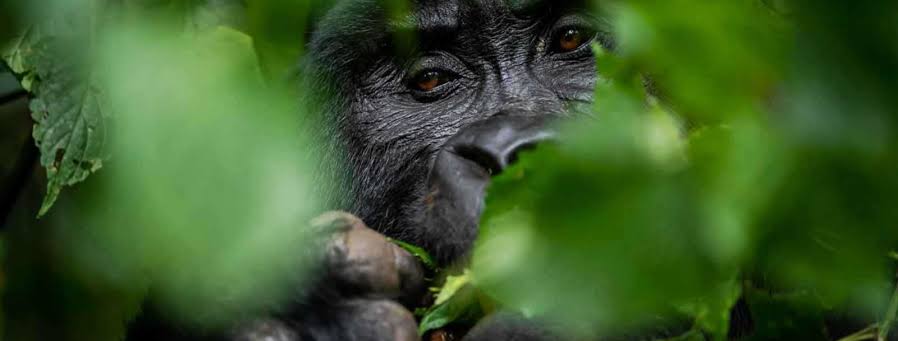
Bageni Gorilla Family – Largest Mountain Gorilla Family in Virunga National Park, Congo
The Bageni Gorilla Family is one of the most remarkable mountain gorilla families in the Democratic Republic of Congo (DRC). Found in Virunga National Park, this impressive group is recognised as the largest mountain gorilla family in the park and one of the largest known mountain gorilla groups in the world.
Led by the powerful silverback Bageni, the family has an interesting history of leadership struggles, family divisions, births and growth. What started as a group of 20 gorillas in January 2013 has developed into a large family of 62 individuals, according to Virunga National Park’s 2026 conservation information.
The Bageni family lives in the forested landscape of Mount Mikeno, within the Virunga Mountains of eastern Democratic Republic of Congo. Its members include the dominant silverback, other adult males, females, juveniles and infant gorillas.
For wildlife enthusiasts, researchers and travellers interested in mountain gorilla conservation, the Bageni family provides an extraordinary example of gorilla social organisation, family relationships and the importance of protecting endangered mountain gorillas.
In this guide, we explore the history of the Bageni Gorilla Family, its dominant silverback, family composition, social structure, recent births and conservation efforts in Virunga National Park.
Where Is the Bageni Gorilla Family Found?
The Bageni Gorilla Family lives in Virunga National Park in the eastern Democratic Republic of Congo.
Virunga is located in the Albertine Rift region and forms part of the Virunga Massif, a mountain ecosystem shared by Congo, Uganda and Rwanda.
The family occupies the forested slopes of Mount Mikeno, where mountain gorillas find natural food, shelter and suitable conditions for raising their young.
Mount Mikeno is one of the volcanic mountains within the Virunga range and provides an important habitat for endangered mountain gorillas.
The Bageni family shares its wider habitat with other mountain gorilla groups, including the Kabirizi, Wilungula, Humba and Nyakamwe families.
Virunga’s trackers regularly monitor these gorillas to document their movements, health, births and social interactions.
History of the Bageni Gorilla Family
The history of the Bageni Gorilla Family dates back to January 27, 2013, when silverback Bageni separated from his father’s group, the Kabirizi family.
Before establishing his own family, Bageni lived under the leadership of his father, Kabirizi, one of Virunga’s recognised dominant silverbacks.
Bageni matured into a silverback in 2010. As he developed, competition and repeated confrontations between father and son eventually led to a permanent family separation.
On January 27, 2013, Bageni left the Kabirizi family with approximately 20 individuals, including his mother, Mapedo.
He subsequently established his own independent gorilla family on the slopes of Mount Mikeno.
The newly established group continued to grow through births and the arrival of females from other gorilla families.
Over the following years, Bageni demonstrated strong leadership, successfully maintaining a large family despite occasional confrontations with neighbouring silverbacks.
His ability to defend his family, maintain social relationships and attract new members contributed to the group’s remarkable growth.
Today, the Bageni family is recognised as the largest mountain gorilla family in Virunga National Park.
How Many Gorillas Are in the Bageni Family?
According to Virunga National Park’s dedicated Bageni conservation page, the family has 62 members.
This makes it the largest mountain gorilla family in Virunga National Park.
The group includes:
- The dominant silverback Bageni.
- Other mature silverbacks.
- Adult female gorillas.
- Blackback males.
- Juvenile gorillas.
- Infant gorillas.
Maintaining a family of this size requires complex social relationships and continuous monitoring by conservation teams.
Because the group is large and lives in dense tropical forest, identifying every individual can be challenging.
Virunga’s trackers use unique nose-print identification, together with observations of physical characteristics and behaviour, to recognise individual gorillas.
The family’s membership changes through births, deaths and migration between groups. Therefore, its population should be treated as a regularly updated figure rather than a permanent number.
Who Is Bageni the Silverback?
Bageni is the dominant male mountain gorilla who established and leads the Bageni family.
He became a silverback in 2010 while living within the Kabirizi family.
His separation from his father’s group in January 2013 marked the beginning of his independent leadership.
Bageni is recognised for his strong leadership and ability to maintain a large family.
As the dominant silverback, he plays an important role in directing the group’s daily activities, including feeding, resting, movement and protection.
He also helps maintain social order when tensions develop between family members.
Bageni’s leadership has involved interactions with other silverbacks, particularly those from neighbouring gorilla families.
His history demonstrates how competition, dominance and cooperation influence mountain gorilla family structures.
The Social Structure of the Bageni Gorilla Family
The Bageni family has a particularly interesting social structure because it contains several mature males.
Although Bageni is the dominant silverback, other silverbacks also live within the group.
Virunga’s conservation information highlights the importance of joint defence and cooperation between Bageni and subordinate males, including Kitembo and Banguka.
This arrangement helps the family maintain cohesion despite its large membership.
The family consists of several categories of mountain gorillas.
1. The Dominant Silverback
Bageni is the leading male and plays the central role in organising and protecting the group.
He directs movement, maintains social order and responds to potential threats from outside the family.
2. Subordinate Silverbacks
Other mature males live within the family and maintain relationships with the dominant silverback.
They can contribute to territorial defence and group stability.
3. Adult Female Gorillas
Adult females play an important role in reproduction and raising young gorillas.
Some females originally joined the family from other groups, contributing to its population growth.
4. Juvenile Gorillas
Juveniles are young gorillas that have progressed beyond infancy.
They spend much of their time playing, exploring and learning social behaviours from older family members.
5. Infant Gorillas
Infants depend on their mothers for feeding, protection and care.
Their survival and development are closely monitored by Virunga’s trackers.
Recent Births in the Bageni Gorilla Family
The growth of the Bageni family is closely connected to successful reproduction and the arrival of new members.
In January 2026, the family welcomed a rare set of mountain gorilla twins.
The birth was particularly significant because twin births are uncommon among mountain gorillas.
Virunga’s monitoring teams followed the development of the twins and reported encouraging observations during their early months.
Other births were recorded during 2026.
On October 17, female Ruzuzi gave birth to a male infant, marking another important addition to the family.
On October 22, an 11-year-old female named Uweko gave birth to her first documented infant, a female.
According to Virunga’s October 2026 conservation update, these developments brought the Bageni family to 62 members.
These births demonstrate the importance of continuous conservation monitoring and the protection of mountain gorilla mothers and infants.
What Makes the Bageni Gorilla Family Special?
The Bageni family stands out among Congo’s mountain gorilla groups for several reasons.
1. It Is the Largest Gorilla Family in Virunga
With 62 members reported in 2026, Bageni’s family is the largest group in Virunga National Park.
Its size makes it an important example of mountain gorilla social organisation.
2. It Has a Remarkable History
The family was established after Bageni separated from his father’s group in 2013.
Its growth from approximately 20 individuals to 62 members demonstrates the changing nature of mountain gorilla families.
3. It Has Multiple Silverbacks
The presence of several mature males creates an interesting social structure.
Although Bageni remains dominant, other silverbacks contribute to the family’s organisation and defence.
4. It Has Recorded Rare Twin Births
The twin birth recorded in January 2026 was an important reproductive event.
It attracted conservation attention because infant survival is particularly important for the future of endangered mountain gorillas.
5. It Demonstrates Successful Conservation Efforts
The continued monitoring and growth of the Bageni family reflect the importance of protecting mountain gorilla habitats and supporting the people working on the ground.
How Is the Bageni Gorilla Family Monitored and Protected?
Protecting a large gorilla family requires daily monitoring, scientific research and cooperation between conservation organisations and local communities.
Virunga National Park employs community trackers who follow the movements of mountain gorilla families and record important information about individual members.
Some of the conservation activities include:
Daily tracking: Trackers monitor the Bageni family to document births, deaths, migration and social interactions.
Individual identification: Gorillas are identified using their unique nose prints and other physical characteristics.
Health monitoring: Conservation teams observe the animals for injuries, illnesses and unusual behaviour.
Veterinary support: Gorilla doctors can provide assistance when an individual requires medical attention.
Anti-poaching patrols: Rangers work to reduce threats from illegal hunting, snares and other human activities.
Disease prevention: Health monitoring and screening programmes help reduce the risk of disease transmission between humans and gorillas.
These activities are essential for maintaining the health of the Bageni family and protecting its forest habitat.
Can Tourists Visit the Bageni Gorilla Family?
Virunga National Park has historically offered mountain gorilla trekking experiences, giving visitors opportunities to observe habituated gorilla families under the supervision of trained park rangers.
However, tourism activities depend on security conditions and official park decisions.
As of November 2026, Virunga National Park’s official visitor information states that mountain gorilla trekking is closed until further notice.
Travellers should confirm any future reopening directly with Virunga National Park before making travel arrangements.
For visitors interested in mountain gorilla trekking in East Africa, Uganda offers opportunities to visit habituated mountain gorilla families in Bwindi Impenetrable National Park and Mgahinga Gorilla National Park, subject to park access and permit availability.
Book Gorilla Tracking can assist with information about Uganda gorilla trekking safaris and available permit arrangements.
Bageni Gorilla Family Compared with Other Congo Gorilla Families
Virunga National Park is home to several mountain gorilla families, each with its own history and social structure.
The Bageni family is the largest, but other groups are also important for conservation and research.
Some of the recognised families include:
- Bageni: The largest family in Virunga, with 62 members reported in 2026.
- Kabirizi: Historically important family led by Bageni’s father.
- Humba: A family established following a separation from the Rugendo group.
- Nyakamwe: A family established in 2014 following a split from Humba.
- Rugendo: One of Virunga’s oldest habituated mountain gorilla families.
- Mapuwa: A family with a long history of leadership changes.
- Lulengo: Another historically significant family in the Mikeno sector.
- Munyaga: A family with an interesting history of leadership changes.
- Wilungula: A growing family with several silverbacks.
- Baraka: A family that has attracted conservation attention following recent births.
- Masibo: A family established in October 2025 following a separation from Kabirizi.
The family groups are continually monitored, and their membership and leadership can change.
Frequently Asked Questions About the Bageni Gorilla Family
1. Where is the Bageni Gorilla Family found?
The Bageni Gorilla Family lives in Virunga National Park in the eastern Democratic Republic of Congo. It inhabits the forested slopes of Mount Mikeno in the Virunga Mountains.
2. How many members are in the Bageni Gorilla Family?
The Bageni family has 62 members according to Virunga National Park’s 2026 conservation information. It is the largest mountain gorilla family in the park.
3. Who is the leader of the Bageni Gorilla Family?
The family is led by a dominant silverback named Bageni, who established the group in January 2013 after separating from his father’s Kabirizi family.
4. When was the Bageni Gorilla Family formed?
The family was established on January 27, 2013, when Bageni left the Kabirizi family with approximately 20 individuals.
5. Who is Bageni’s father?
Bageni’s father is Kabirizi, another well-known silverback in Virunga National Park.
6. Why did Bageni leave the Kabirizi family?
Bageni separated from his father’s group following repeated confrontations and competition for dominance. He left with approximately 20 gorillas and established his own family.
7. Is the Bageni Gorilla Family the largest in the world?
It is recognised by Virunga National Park as the largest mountain gorilla family in the park and the Virunga Massif. Its reported population of 62 makes it one of the largest known mountain gorilla groups.
8. How many silverbacks are in the Bageni family?
The family has several silverbacks. Virunga’s conservation information highlights Bageni’s leadership alongside subordinate silverbacks, including Kitembo and Banguka. The exact number can change over time.
9. Has the Bageni Gorilla Family had twins?
Yes. The family welcomed a rare set of twins in January 2026. The birth was closely monitored by Virunga’s conservation teams.
10. Can I trek the Bageni Gorilla Family?
Virunga National Park has historically offered gorilla trekking, but its official visitor information states that trekking is currently closed until further notice. Check with the park before planning a visit.
11. What do Bageni family gorillas eat?
Mountain gorillas mainly eat vegetation, including leaves, shoots, stems, roots and other forest plants. They occasionally consume fruit and other available natural foods.
12. How is the Bageni Gorilla Family protected?
The family is protected through daily tracking, individual identification, veterinary monitoring, ranger patrols and wider conservation activities within Virunga National Park.
Discover Mountain Gorilla Trekking in Uganda with Book Gorilla Tracking
The Bageni Gorilla Family is an excellent example of the resilience, intelligence and complex social relationships of mountain gorillas.
From its formation in 2013 to its growth into a 62-member family, the group represents an important success story in mountain gorilla conservation.
Although Virunga National Park’s gorilla trekking activities are currently suspended, mountain gorilla trekking opportunities are available in Uganda, subject to park access and gorilla permit availability.
At Book Gorilla Tracking, we specialise in helping travellers plan unforgettable mountain gorilla trekking experiences in Uganda.
Explore our Uganda gorilla trekking packages, learn about Bwindi’s habituated gorilla families and contact our team for assistance with gorilla permits and safari arrangements.
Book your Uganda gorilla trekking adventure with Book Gorilla Tracking and discover the incredible world of mountain gorillas.