Call: +256 702 595 926 | Email: info@bookgorillatracking.com

Nyungwe National Park, Rwanda: Activities & Travel Guide

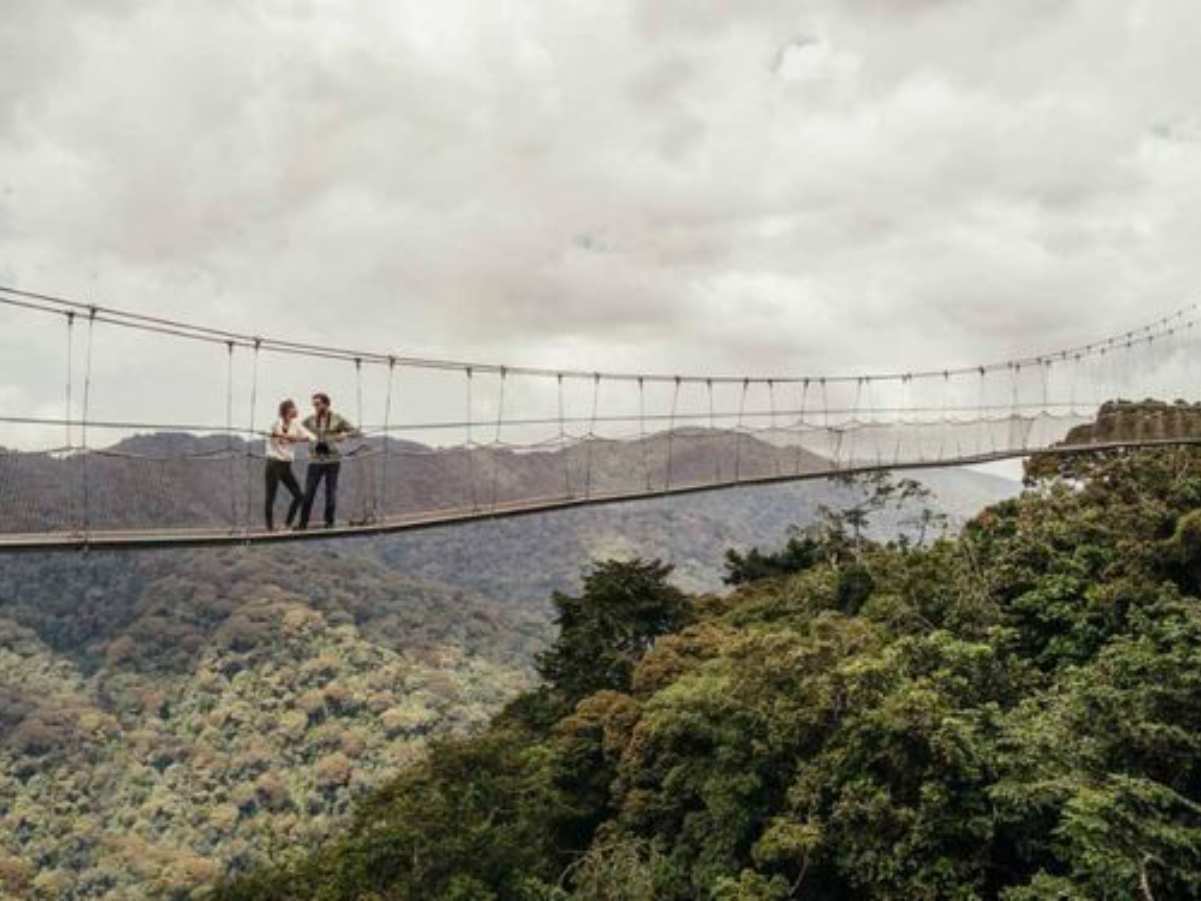
Nyungwe National Park, Rwanda: Chimpanzee Trekking, Birdwatching and Rainforest Adventures
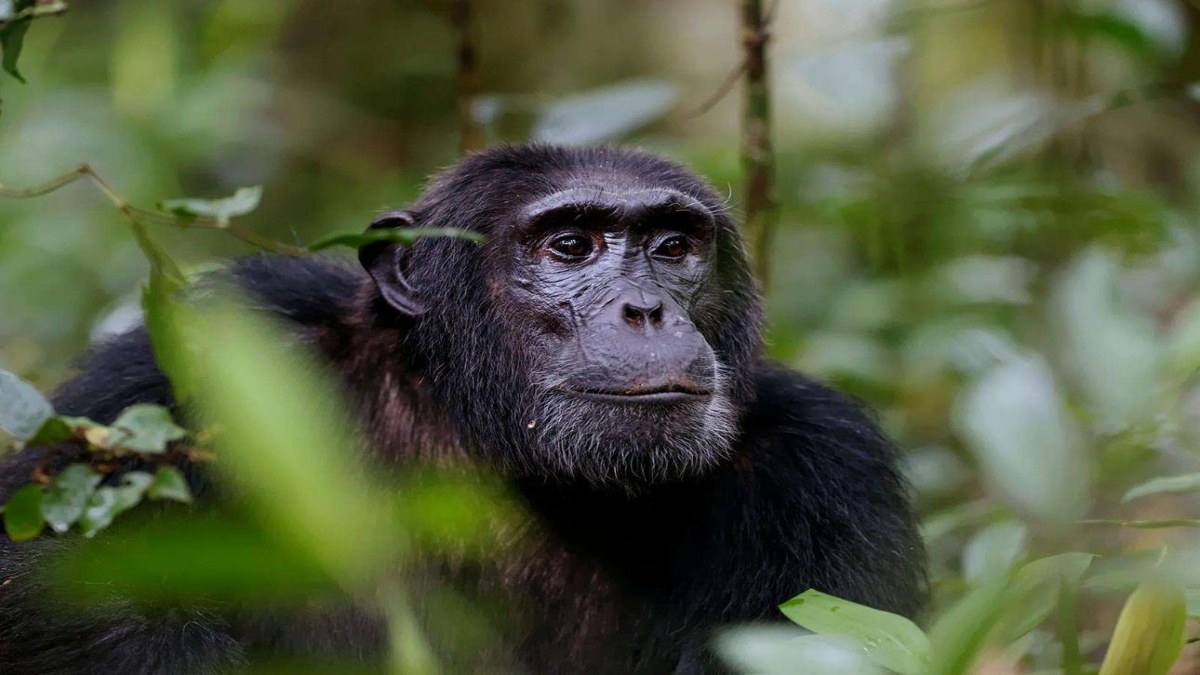
Nyungwe National Park is one of Rwanda’s most remarkable destinations for travelers seeking chimpanzee trekking, birdwatching, rainforest hiking and outdoor adventures. Located in southwestern Rwanda, this ancient montane rainforest protects an extraordinary range of wildlife, including chimpanzees, black-and-white colobus monkeys and numerous birds associated with the Albertine Rift.
Unlike Rwanda’s savannah landscapes, Nyungwe offers a world of mist-covered mountains, towering trees, hidden waterfalls and winding forest trails. Visitors can walk above the treetops on the famous canopy walkway, fly through the forest on a zipline, follow guided hiking trails, search for rare birds or explore the forest after dark.
The park also offers outdoor activities such as a rope course, community experiences and opportunities to learn about the surrounding tea-growing landscape. Whether you are planning a dedicated rainforest safari or a wider Rwanda and Uganda adventure, Nyungwe deserves time on your itinerary.
At Raptors Africa Safaris Ltd, we help travelers plan nature-focused journeys that combine Nyungwe National Park with other destinations in Rwanda and East Africa, according to their interests, travel dates and budget.
Where Is Nyungwe National Park Located?
Nyungwe National Park lies in southwestern Rwanda, near the borders with Burundi and the Democratic Republic of the Congo. It protects a large area of montane rainforest characterized by forested mountains, deep valleys, streams, wetlands and diverse vegetation.
The drive from Kigali takes several hours, depending on traffic, road conditions and stops along the way. Travelers can visit Nyungwe as part of a dedicated rainforest safari or combine it with Lake Kivu, cultural experiences and Volcanoes National Park.
Several visitor centres and activity starting points serve different areas of the forest, including Uwinka, Gisakura and Gisovu. The correct starting point depends on the activity you plan to undertake.
Nyungwe is particularly rewarding for travelers who enjoy walking, observing wildlife and exploring natural habitats rather than relying mainly on conventional game drives.
Why Visit Nyungwe National Park?
Nyungwe combines wildlife encounters, forest adventures and scenic landscapes in one destination. It is especially important for visitors interested in primates and birds, but its activities extend well beyond wildlife viewing.
Reasons to visit include:
- Chimpanzee trekking in natural rainforest habitat.
- Chimpanzee habituation experiences, subject to current availability.
- Canopy walkway excursions high above the forest floor.
- Ziplining through the rainforest canopy.
- A rope course with suspended obstacles.
- Guided birdwatching for Albertine Rift species.
- Other primate tracking experiences.
- Guided night walks to explore the forest after dark.
- Hiking to waterfalls, viewpoints, wetlands and mountain peaks.
- Cycling and other outdoor experiences where available.
- Learning about forest biodiversity, plants, orchids and butterflies.
- Community and cultural experiences around the park.
- Camping and nature photography.
The combination of activities makes Nyungwe suitable for wildlife enthusiasts, birdwatchers, couples, families who meet activity requirements, photographers and adventurous travelers.
All the Main Activities in Nyungwe National Park
1. Chimpanzee Trekking in Nyungwe Forest
Chimpanzee trekking is one of the leading reasons to visit Nyungwe National Park.
The experience begins with a briefing before visitors enter the forest with authorized guides and trackers to search for a chimpanzee community. Depending on the location and movements of the animals, the trek may involve walking on steep, muddy or uneven terrain.
Chimpanzees are highly mobile and can move quickly through the forest. The time required to find them varies, so visitors should be prepared for a physically demanding experience.
When the chimpanzees are located, visitors may observe them feeding, grooming, communicating, climbing trees or moving through the forest. Sightings and viewing conditions cannot be guaranteed because these are wild animals.
Nyungwe’s chimpanzee communities include those associated with Cyamudongo, Mayebe and Gisovu. The community visited depends on the activity arrangement and current park operations.
Practical tips for chimpanzee trekking:
- Wear sturdy hiking shoes with good grip.
- Bring drinking water and a lightweight rain jacket.
- Follow the guide’s instructions throughout the trek.
- Maintain the required distance from chimpanzees.
- Avoid loud noises, feeding wildlife or touching the animals.
- Arrange the necessary permits in advance.
Travelers interested in combining chimpanzee trekking with other activities should allow enough time for transfers, briefings and recovery after the trek.
2. Chimpanzee Habituation Experience
The chimpanzee habituation experience offers a more immersive opportunity to learn about chimpanzees and the work involved in observing their behaviour in the forest.
Unlike a standard trek, habituation focuses on spending an extended period with chimpanzees and following their activities with the relevant trackers and guides. Depending on the arrangements, visitors may learn about feeding behaviour, movement, social interactions and individual identification.
This experience is particularly appealing to wildlife enthusiasts, photographers and travelers who want to understand chimpanzees beyond a brief encounter.
Availability, group size, duration and eligibility requirements should be confirmed with the park before booking. Do not assume that a habituation experience is available on every date.
3. Walk the Nyungwe Canopy Walkway
The Nyungwe Canopy Walkway is one of the park’s signature attractions.
Suspended above a forested ravine, the walkway provides an elevated view across the treetops and surrounding mountains. The suspension bridge is approximately 160 metres long and reaches around 70 metres above the forest floor.
Visitors usually reach the walkway by following a guided forest trail from the Uwinka Visitor Centre. The approach is part of the experience, offering opportunities to observe plants, butterflies and birds along the way.
The canopy walkway is suitable for travelers who want to experience Nyungwe from a different perspective without undertaking a long mountain hike. However, the approach trail can be uneven or slippery after rain, and the suspended bridge may not suit everyone who is uncomfortable with heights.
Check the current schedule, fees, age requirements and departure times before your visit.
4. Experience Nyungwe’s Canopy Zipline
For visitors seeking an adrenaline-filled activity, Nyungwe’s zipline offers a thrilling way to experience the forest.
The Nyungwe zipline is approximately 1,935 metres long, divided into three sections. It allows participants to travel above and through the forest canopy while enjoying a different perspective on the landscape.
Unlike the canopy walkway, which involves walking across a suspended bridge, ziplining is an adventure activity that requires participants to use the designated safety equipment and follow the operator’s instructions.
It can be an exciting addition to a rainforest itinerary for travelers who want to combine wildlife experiences with outdoor adventure.
Confirm operating schedules, participant restrictions, safety requirements and prices before travelling.
5. Try the Gisakura Rope Course
The Gisakura Rope Course offers another active way to enjoy Nyungwe’s forest environment.
Participants navigate a series of suspended obstacles that may include hanging tyres, nets, ropes and swinging elements. The course tests balance, coordination and confidence while providing a different kind of adventure from hiking or wildlife tracking.
It is a useful option for travelers who want to add an activity that does not involve a long forest trek.
Check the current age, height, fitness and safety requirements when making a booking, particularly if travelling with children.
6. Birdwatching in Nyungwe National Park
Nyungwe is one of Rwanda’s most important birdwatching destinations. Its varied elevations and forest habitats support a rich bird community, including species associated with the Albertine Rift.
For specialist birdwatchers, the park offers the opportunity to search for elusive forest birds that may be difficult to see in open habitats. A knowledgeable guide can help identify calls, recognize suitable habitats and select productive trails.
Birding can be incorporated into a general safari, but serious birdwatchers should allow several sessions rather than expecting to find every target species in one morning.
Birds to Look For in Nyungwe
Depending on the route, season and local conditions, birdwatchers may search for:
- Rwenzori Turaco
- Rwenzori Batis
- Handsome Francolin
- Red-collared Babbler
- Regal Sunbird
- Albertine Owlet
- Grauer’s Swamp Warbler
- Shelley’s Crimsonwing
- Archer’s Robin-chat
- Purple-breasted Sunbird
- Chapin’s Flycatcher
- Kivu Ground Thrush
These are target species, not guaranteed sightings. Some are elusive and may require patience, careful listening and repeated visits to suitable habitats.
Best Places and Times for Birdwatching
Early morning is generally a productive time to listen for bird calls and search for active forest birds. Trail choice should reflect the species you want to find, your fitness and the amount of time available.
The Karamba Trail is often recommended for birdwatching, while other trails provide opportunities to explore different forest elevations and habitats.
For dedicated birders, Raptors Africa Safaris can help plan a wider Rwanda or East African birding itinerary, potentially combining Nyungwe with selected birding locations in Uganda.
7. Track Other Primates in Nyungwe
Chimpanzees are not the only primates found in Nyungwe. The forest supports several monkey species, making primate observation another rewarding activity.
Black-and-white colobus monkeys are particularly interesting to watch because of their distinctive appearance and group behaviour. Visitors may also encounter blue monkeys, L’Hoest’s monkeys and other primates, depending on the location and conditions.
Other-primate tracking activities, where offered, provide a more focused opportunity to look for particular species with a guide.
Wildlife sightings are never guaranteed, and the dense forest can make animals difficult to observe. A guide helps visitors understand primate behaviour and identify animals without disturbing them.
8. Take a Guided Night Walk
A guided night walk offers a different perspective on Nyungwe after daylight fades.
Nocturnal forest activity can include sounds and movements that are less noticeable during the day. With a guide, visitors may search for nocturnal wildlife and learn how forest animals behave after dark.
Sightings depend on weather, season and animal activity, so the experience is best approached as a guided exploration rather than a guaranteed wildlife encounter.
Wear suitable footwear, carry a light if instructed and follow the guide’s directions throughout the walk. Confirm the current departure point, schedule and booking requirements before adding a night walk to your itinerary.
9. Hike the Isumo Waterfall Trail
The Isumo Waterfall Trail is one of Nyungwe’s best-known hikes.
The route begins around the Gisakura area and passes through tea plantations before descending into a steep rainforest ravine. The trail leads to Isumo Waterfall, where water cascades through a lush forest landscape.
The route is approximately 10.6 kilometres and typically takes around four hours, although conditions and walking pace can affect the duration.
This is a rewarding choice for travelers interested in waterfalls, landscape photography, birds and the transition from cultivated hillsides to dense rainforest.
The descent and return climb require reasonable fitness. Wear shoes with good grip and be prepared for muddy or slippery conditions.
10. Explore the Umuyove Trail
Also known as the Mahogany Trail, Umuyove takes hikers through rainforest vegetation and beneath tall trees.
The trail is approximately 5.5 kilometres and is commonly described as a moderate hike taking around three to four hours. Its attractions include mahogany trees, forest scenery and a waterfall feature.
Umuyove is a good choice for travelers who want a substantial forest walk without committing to the park’s longest hiking routes.
It can also be combined with other activities, subject to timing, trail conditions and the park’s current arrangements.
11. Walk the Igishigishigi Trail
The Igishigishigi Trail is closely associated with the Nyungwe Canopy Walkway.
This relatively short hike provides an introduction to the rainforest, with opportunities to observe tree ferns, plants and forest wildlife along the route. Its connection to the canopy walkway makes it especially popular with first-time visitors.
The trail is a good option for travelers who want a forest experience without undertaking a full-day hike.
Allow enough time for the guided walk and canopy activity, and check the current departure schedule before arrival.
12. Hike the Umugote Trail
The Umugote Trail provides a scenic walk through forested ridges and valleys, with viewpoints that may reveal distant mountain landscapes when the weather is clear.
The route is approximately 3.6 kilometres and is commonly described as taking around three hours, although the terrain and conditions affect the experience.
Birdwatchers and photographers may find this trail rewarding because of its forest scenery, varied vegetation and opportunities to observe wildlife.
Cloud and mist can limit views, so do not rely on seeing distant mountains on every visit.
13. Take on the Imbaraga Trail
The Imbaraga Trail is a more demanding option for travelers who enjoy longer forest hikes.
The route passes through varied terrain and is known for its waterfalls and viewpoints. It is commonly listed at approximately 9.8 kilometres, with a walking time of around six hours.
The trail is better suited to hikers with good fitness who are comfortable walking for several hours on uneven ground.
Bring water, rain protection and suitable footwear, and follow the guide’s advice about the route and current conditions.
14. Hike the Uwinka Trail
The Uwinka Trail offers a longer and more challenging exploration of Nyungwe’s rainforest.
The route passes through forested ravines and varied vegetation, making it attractive to hikers who want a more immersive experience away from the shortest visitor trails.
Published trail information lists the route at approximately 17.8 kilometres, with a walking time of around eight hours. Confirm the current distance and arrangements before booking because trail information can differ between sources.
This hike is best suited to physically prepared visitors who can commit most of a day to walking.
15. Climb Mount Bigugu
Mount Bigugu is one of Nyungwe’s most notable hiking destinations and reaches approximately 2,950 metres above sea level.
The hike is rewarding for visitors interested in mountain scenery, high-altitude vegetation and forest biodiversity. On clear days, views may extend toward Lake Kivu and the surrounding region.
Published trail information describes a hike of approximately 13.2 kilometres taking around six hours, though the starting point and current route should be confirmed with park staff.
The altitude, distance and terrain make this a more demanding option than the shorter nature trails. Travelers should prepare appropriately and avoid underestimating the time required.
16. Visit Kamiranzovu Swamp
Kamiranzovu is a large high-altitude swamp within the Nyungwe landscape. Its wetland habitat contrasts with the surrounding montane rainforest and provides a different perspective on the park’s ecology.
A guided walk in this area may reveal marsh vegetation, orchids, streams and other features associated with the wetland environment.
The Kamiranzovu Trail is often listed at around six kilometres, with a walking time of approximately three hours. Confirm the current route and access arrangements before visiting.
This experience is particularly suitable for travelers interested in plants, wetland ecology, photography and the relationship between forests and water systems.
17. Explore the Irebero Trail
The Irebero Trail is known for its elevated viewpoints and scenic forest landscape.
The route loops around high ground in the park, and clear conditions may provide views toward Lake Kivu. It is a useful choice for hikers who want to combine forest walking with landscape photography.
Published trail information lists it at approximately 3.4 kilometres, usually taking around three hours. Actual time depends on the pace, weather and current trail conditions.
18. Walk the Karamba Trail
Karamba is often recommended for birdwatching and relatively accessible forest exploration.
The area has a distinctive history and open sections that can make bird observation easier than in some denser forest habitats. It is a worthwhile option for visitors who want to combine a walk with a focused birding session.
Trail length and duration vary between published descriptions, so confirm the current route with park staff before setting out.
19. Hike the Muzimu Trail
Located in the northeastern part of the park, the Muzimu Trail offers a different landscape from the dense rainforest routes.
The trail is associated with more open vegetation and pine and eucalyptus forest sections. On clear days, visitors may enjoy views toward Lake Kivu and the Virunga Volcanoes.
It is an appealing option for travelers interested in scenic walks, birdwatching and landscapes that contrast with the park’s thick montane forest.
Confirm the current trail access and route conditions before travelling to the starting point.
20. Explore the Ngabwe Trail
The Ngabwe Trail offers a hike through forested terrain toward a high point that can serve as a scenic rest or picnic location, subject to current park arrangements.
It is suitable for travelers who want to explore the forest on foot and observe the vegetation and wildlife along the route.
The trail is commonly listed at approximately 4.7 kilometres and around three hours. Ask park staff about the current route, difficulty and any camping arrangements before making plans.
21. Walk the Rukuzi Trail
The Rukuzi Trail is a longer forest route known for its views over surrounding valleys and opportunities to look for chimpanzees in their habitat.
The route is commonly listed at approximately nine kilometres and around five hours. Its terrain and duration make it more suitable for travelers comfortable with extended walking.
Although the trail may pass through areas used by chimpanzees, sightings are not guaranteed. Visitors interested in a dedicated chimpanzee encounter should arrange the appropriate tracking activity.
22. Take on the Congo-Nile Divide Trail
The Congo-Nile Divide Trail is a longer trekking option for travelers interested in the geography and ecology of the region.
The route follows the watershed separating river systems that drain toward the Congo Basin and the Nile Basin. It passes through varied mountain habitats, which can include forest, marshland, bamboo and open vegetation.
This is a more specialized experience than a short visitor trail and may involve multi-day arrangements. Confirm the current route, accommodation or camping options, guide requirements and logistics before booking.
It is particularly appealing to experienced hikers and travelers who want a more immersive journey through the region’s landscapes.
23. Go Cycling in Nyungwe
Cycling is another outdoor activity promoted for visitors to the Nyungwe area. It offers a different way to experience the landscape and surrounding roads or designated routes.
The available cycling experience may depend on the route, equipment, guide arrangements and current operating schedule.
If cycling is a priority, confirm where the activity takes place, whether bicycles are provided, what level of fitness is required and whether the route is suitable for your experience.
24. Learn About the Forest Through a Behind-the-Scenes Experience
Nyungwe offers a behind-the-scenes experience for visitors interested in learning more about the park and its conservation work.
The precise content and availability can depend on current park programming. Ask the park what the experience includes, how long it lasts and whether advance arrangements or a minimum group size are required.
This type of activity can add educational value to a visit, particularly for travelers interested in biodiversity, conservation and the management of a protected rainforest.
25. Discover Plants, Orchids and Butterflies
Nyungwe’s biodiversity is not limited to birds and primates. The forest supports an impressive range of plants, flowers, ferns, orchids and butterflies.
A guided walk can help visitors notice details they might otherwise miss, from unusual leaves and flowering plants to butterflies along forest edges and clearings.
The best observations depend on the route, season and weather. Nature photographers may wish to allow additional time for close-up photography, while general visitors can enjoy these discoveries as part of a regular hike.
26. Visit Tea-Growing Areas Around Nyungwe
Tea plantations form an important part of the landscape around parts of Nyungwe, particularly near Gisakura.
Visitors may enjoy scenic views of the cultivated hillsides or arrange a tea-related visit where local access and activities are available. Depending on the provider, a visit may include learning about cultivation, harvesting or processing.
Tea plantation visits are not the same as a park wildlife activity, so arrange them separately and confirm whether a tour or factory visit is operating.
27. Enjoy Community and Cultural Experiences
The communities surrounding Nyungwe offer opportunities to learn about local traditions, crafts, livelihoods and food.
Depending on availability, visitors may be able to arrange community visits, demonstrations of traditional skills or other locally led experiences. These can complement the forest activities by providing a broader understanding of the region.
Book through reputable providers, respect local customs and ask permission before taking photographs of residents.
28. Camp and Experience the Forest Area More Slowly
Camping is available at designated sites, subject to current park arrangements. It can appeal to travelers who prefer a simple outdoor experience and want to spend more time exploring the area.
Visitors should confirm what facilities are available, whether tents and bedding can be hired, and which rules apply to camping.
Camping should take place only in authorized areas, and visitors must follow park guidance on waste, wildlife and fire safety.
Best Time to Visit Nyungwe National Park
Nyungwe can be visited throughout the year, but rainfall affects hiking conditions, road travel and the comfort of outdoor activities.
The relatively drier periods, commonly around June to September and December to February, are often convenient for hiking and combining several activities. However, Nyungwe is a rainforest, and rain can occur in any month.
The wetter periods can bring lush vegetation, flowing streams and dramatic waterfall scenery, but trails may become muddy and slippery. Birdwatching success depends on target species, habitat, weather and the time spent in the forest.
Regardless of the season, carry rain protection and suitable walking shoes. Check the forecast and confirm current trail conditions before your visit.
How Many Days Do You Need in Nyungwe National Park?
The right length of stay depends on the activities you want to experience.
One night: Suitable for a short visit focused on one major activity, provided your arrival and departure schedule allows enough time.
Two nights: A good option for combining chimpanzee trekking with the canopy walkway or a forest hike.
Three nights: Recommended for visitors who want to combine several activities without rushing, such as chimpanzee trekking, birdwatching and a waterfall trail.
Four nights or longer: Particularly useful for dedicated birdwatchers, photographers and hikers planning multiple trails or more specialized activities.
Allow sufficient time for road transfers from Kigali and between activity locations. Some activities begin early, and longer hikes may occupy most of the day.
Where to Stay Near Nyungwe National Park
Accommodation options in the wider Nyungwe area range from luxury forest retreats to guesthouses, campsites and simpler lodges.
The best location depends on your planned activities and the starting point for each excursion. Staying conveniently near your meeting point can be especially helpful for early chimpanzee treks, birdwatching or longer hikes.
When comparing accommodation, consider:
- Distance to Uwinka, Gisakura or your relevant activity starting point.
- Room comfort and available facilities.
- Meal arrangements and early departures.
- Transport between accommodation and activities.
- Your budget and preferred travel style.
Book in advance if your itinerary depends on specific permits or scheduled activities.
How to Get to Nyungwe National Park
Nyungwe is usually reached by road from Kigali. The journey takes several hours, depending on the route, traffic and stops.
A private safari vehicle with a driver-guide can make the journey more flexible and allow stops for scenery, photography or cultural visits.
Nyungwe can also form part of a wider Rwanda itinerary that includes Lake Kivu and Volcanoes National Park. Travelers combining Rwanda with Uganda should plan border crossings, driving times and activity permits carefully.
Avoid scheduling a demanding hike immediately after a long transfer if you can allow time to rest first.
Nyungwe National Park Activities and Prices
The total cost of a Nyungwe visit depends on the activities selected, the number of nights spent in the area, your visitor category and your accommodation and transport arrangements.
Published park schedules list separate charges for park entry and special activities. Rates may differ for international visitors, foreign residents and citizens of Rwanda or the East African Community.
Main Activity Prices
The following are reference prices from published Nyungwe activity schedules. Confirm the applicable current tariff directly with the park before booking.
| Activity | Published international visitor rate |
|---|---|
| Chimpanzee trekking | US$150 per person |
| Chimpanzee habituation experience | US$200 per person |
| Canopy walkway | US$40 per person |
| Guided birdwatching | US$40 per person |
| Other primate tracking | US$40 per person |
| Guided night walk | US$40 per person |
| Zipline | US$100 per person |
| Rope course | US$35 per person |
| Zipline and canopy walkway package | US$125 per person |
| Zipline, rope course and canopy walkway package | US$150 per person |
These figures do not necessarily include park-entry charges, accommodation, transport, meals or other safari services. Special activities may also have minimum group sizes or other booking conditions.
Park Entry Fees
Published fee schedules have listed park-entry charges for international adults at US$100 for a one-night visit, US$150 for two nights and US$200 for three nights, with no additional entry charge listed for nights four through seven within the specified scheme.
These are reference figures, not a guaranteed current quotation. Check the current tariff, visitor category and charging conditions before publishing prices or confirming a trip.
Guides, Porters and Camping
Published schedules have also listed the following reference charges for independent services:
- Independent forest guide: US$15 for a half day or US$25 for a full day.
- Porter: US$5 for a half day or US$10 for a full day.
- Camping: approximately US$15 per international adult per night.
- Tent hire: approximately US$20 per night, subject to availability.
These services may be subject to specific arrangements and are not necessarily substitutes for the authorized guiding required for particular park activities.
Important pricing note: Park tariffs and eligibility rules can change. Before publishing exact rates as current, confirm them with the official Nyungwe booking channels. Children’s eligibility, minimum participant numbers, residency categories and included guiding services vary by activity.
Combining Nyungwe National Park with Other Rwanda Destinations
Nyungwe fits naturally into a wider Rwanda safari. Combining destinations allows visitors to experience rainforest wildlife, volcanic scenery, lakeside relaxation and local culture in one journey.
Nyungwe and Lake Kivu
Lake Kivu offers a scenic contrast to Nyungwe’s forested mountains. Depending on where you stay, activities may include boat trips, kayaking, lakeside walks and relaxation beside the water.
This combination is ideal for travelers who want to balance active forest adventures with time to unwind.
Nyungwe and Volcanoes National Park
Travelers interested in primates can combine chimpanzee trekking in Nyungwe with mountain gorilla trekking in Volcanoes National Park.
This itinerary requires careful planning because the parks are in different parts of Rwanda and the transfers take time. Gorilla permits and chimpanzee activities should be checked in advance.
Nyungwe and Kigali
A visit to Kigali can add cultural and historical experiences before or after the rainforest. Travelers may explore the city, visit museums and memorial sites, and enjoy its food and arts scene, depending on their interests.
Nyungwe and Uganda
For a longer East African adventure, Nyungwe can be combined with selected destinations in Uganda, including Bwindi Impenetrable National Park, Kibale Forest and Queen Elizabeth National Park.
A multi-country safari can combine chimpanzee trekking, mountain gorillas, savannah wildlife and birdwatching. The best route depends on your travel dates, available permits, border arrangements and preferred pace.
Responsible Tourism in Nyungwe National Park
Nyungwe’s forest is important for biodiversity, water systems and the livelihoods of surrounding communities. Visitors can help protect it by following park rules and respecting the environment.
Stay on designated trails, follow guide instructions, avoid littering and maintain the required distance from wildlife. Do not feed animals, remove plants or disturb birds to obtain photographs.
When visiting nearby communities, respect local customs and choose experiences that benefit local people. Responsible travel supports conservation while helping visitors appreciate the natural and cultural value of the region.
Is Nyungwe National Park Worth Visiting?
Nyungwe National Park is an excellent destination for travelers who want more than a conventional safari. Its chimpanzee trekking, birdwatching, rainforest trails, canopy walkway, zipline and waterfall hikes provide a broad range of experiences in one landscape.
Specialist birdwatchers can focus on Albertine Rift species, hikers can explore routes of varying difficulty, and adventure seekers can add the zipline or rope course. Travelers who prefer a slower pace can enjoy nature walks, tea-growing scenery and community experiences.
The best experience comes from allowing enough time to explore the forest rather than treating Nyungwe as a quick stop between destinations.
Plan Your Nyungwe National Park Safari with Raptors Africa Safaris Ltd
Raptors Africa Safaris Ltd helps travelers plan tailor-made journeys through Rwanda and Uganda, with itineraries shaped around wildlife interests, accommodation preferences, available time and budget.
Whether you want chimpanzee trekking, specialist birdwatching, rainforest hiking, the canopy walkway or a combination of adventure activities, we can help you organize a Nyungwe visit that fits your travel goals.
We can also help combine Nyungwe with Lake Kivu, Volcanoes National Park or selected destinations in Uganda for a wider East African safari.
Contact Raptors Africa Safaris Ltd to start planning your Rwanda rainforest adventure.
Frequently Asked Questions About Nyungwe National Park
What is Nyungwe National Park famous for?
Nyungwe is best known for chimpanzee trekking, rich forest birdlife, primates, the canopy walkway, hiking trails and rainforest biodiversity. The park also offers ziplining, a rope course and other guided outdoor activities.
Can you see chimpanzees in Nyungwe National Park?
Yes. Chimpanzee trekking is one of the park’s principal activities. Sightings depend on the movements of the chimpanzees, and the trek can involve steep or muddy terrain.
How many days should I spend in Nyungwe?
Two or three nights are a good starting point for travelers who want to combine chimpanzee trekking with the canopy walkway, birdwatching or hiking. Dedicated birders and hikers may benefit from a longer stay.
Is the Nyungwe Canopy Walkway worth visiting?
The canopy walkway offers an unusual view above the rainforest and is one of the park’s signature experiences. It is especially appealing to photographers and visitors who want a forest adventure without undertaking a long hike.
What other activities are available besides chimpanzee trekking?
Activities include birdwatching, other primate tracking, guided night walks, canopy walking, ziplining, a rope course, hiking, cycling where available, camping and community experiences.
Is Nyungwe suitable for birdwatching?
Yes. Nyungwe is an important birding destination, particularly for species associated with the Albertine Rift. A knowledgeable guide and enough time in the forest improve the experience.
What is the best time to visit Nyungwe National Park?
Nyungwe is open to visitors throughout the year. The relatively drier periods are often convenient for hiking, but rain can occur at any time. Weather and trail conditions should be checked before departure.
How much does a Nyungwe safari cost?
The total cost depends on park-entry fees, activities, accommodation, transport, meals and the length of stay. Special activities have separate charges, so check current park tariffs and availability before booking.
Can Nyungwe be combined with gorilla trekking?
Yes. Nyungwe can be combined with mountain gorilla trekking in Volcanoes National Park or with gorilla trekking in Uganda. The itinerary should allow sufficient time for transfers and permit arrangements.
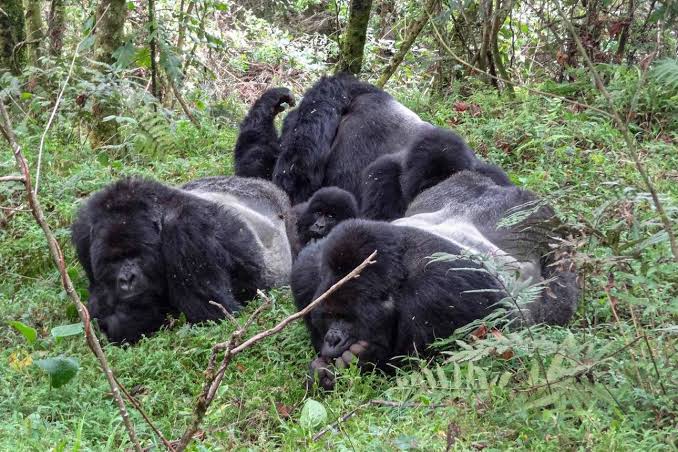
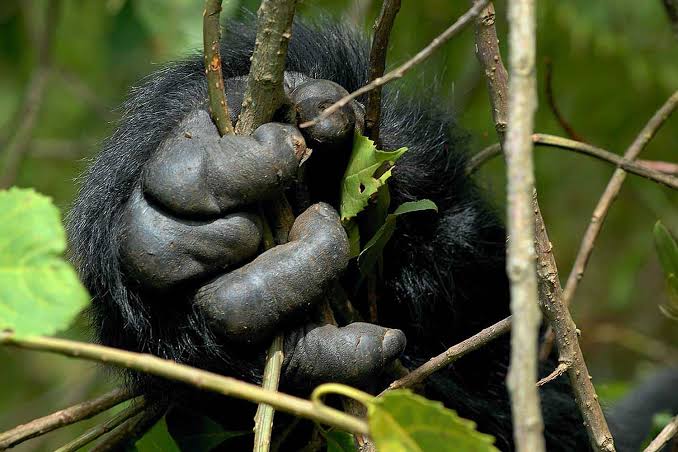
[…] in southwestern Rwanda, Nyungwe National Park is renowned for its primates, endemic birds, ancient trees and extensive network of hiking trails. […]
[…] Igishigishigi Trail is one of the best short hikes to experience the natural beauty of Nyungwe Forest National Park in southwestern Rwanda. Winding through lush montane rainforest, this trail offers visitors an […]
[…] Uwinka Visitor Centre is one of the main starting points for exploring Nyungwe Forest National Park in southwestern Rwanda. Located along the scenic road that crosses the park, Uwinka provides access […]
[…] Umuyove Trail is one of the most beautiful hiking routes in Nyungwe Forest National Park, southwestern Rwanda. Also known as the Mahogany Trail, this guided rainforest walk takes visitors […]
[…] rainforests and observe primates in their natural habitat. The experience takes place in Nyungwe Forest National Park, a remarkable montane rainforest in southwestern Rwanda known for its rich biodiversity and large […]
[…] adventure experiences, offering visitors a thrilling ride above the lush montane rainforest of Nyungwe National Park. Suspended above the treetops, travellers can experience the forest from a different perspective […]
[…] trekking in Nyungwe National Park is one of Rwanda’s most exciting wildlife experiences, offering travelers the opportunity to […]
[…] Imbaraga Trail in Nyungwe National Park is one of Rwanda’s most rewarding hikes for travelers seeking a challenging rainforest […]
[…] Swamp lies within Nyungwe National Park, one of Rwanda’s most important protected areas. The park is renowned for its ancient montane […]
[…] Irebero Trail is one of the scenic hiking routes in Nyungwe National Park, southwestern Rwanda. Known for its elevated viewpoints, lush montane rainforest and opportunities […]
[…] Muzimu Trail is a scenic hiking route in Nyungwe National Park, southwestern Rwanda, offering visitors a different perspective on one of the country’s most […]
[…] travelers looking for things to do in Nyungwe National Park beyond chimpanzee trekking and the famous canopy walkway, the Ngabwe Trail offers an appealing […]
[…] Kamiranzovu Swamp Trail is located in Nyungwe National Park in southwestern Rwanda. Nyungwe protects an extensive montane rainforest ecosystem known for its […]
[…] Congo-Nile Divide Trail in Nyungwe National Park is one of Rwanda’s most challenging and rewarding hiking experiences. This multi-day trek takes […]
[…] in Nyungwe National Park is an exciting way to explore the beautiful landscapes of southwestern Rwanda. Known for its […]
[…] Rukuzi Trail in Nyungwe National Park is an exciting hiking experience for travellers who want to explore Rwanda’s ancient rainforest, […]
[…] the more established Nyungwe National Park and Volcanoes National Park, Gishwati-Mukura offers a quieter forest experience with opportunities […]
[…] where you can learn about Rwanda’s traditional monarchy and cultural heritage. Continue to Nyungwe National Park for chimpanzee trekking and a walk along the famous Canopy Walkway, suspended above the montane […]
[…] Kigali serves as Rwanda’s political, economic, and transportation hub. Most international visitors arrive through Kigali International Airport before continuing to destinations such as Volcanoes National Park, Akagera National Park, and Nyungwe National Park. […]
[…] with additional days may consider Nyungwe Forest National Park, known for its rainforest biodiversity, nature trails, and chimpanzee tracking […]
[…] From the shores of Lake Victoria to the mighty Murchison Falls, from the chimpanzee-rich forests of Kibale National Park to the savannah plains of Queen Elizabeth National Park, Uganda offers an incredible variety of natural attractions. The adventure continues into Rwanda, where you can encounter endangered mountain gorillas in Volcanoes National Park, track golden monkeys in the bamboo forests and explore the ancient rainforest of Nyungwe National Park. […]