+256-702 595 926 | info@bookgorillatracking.com

Kibeho Pilgrimage Tour Rwanda: History & Visitor Guide

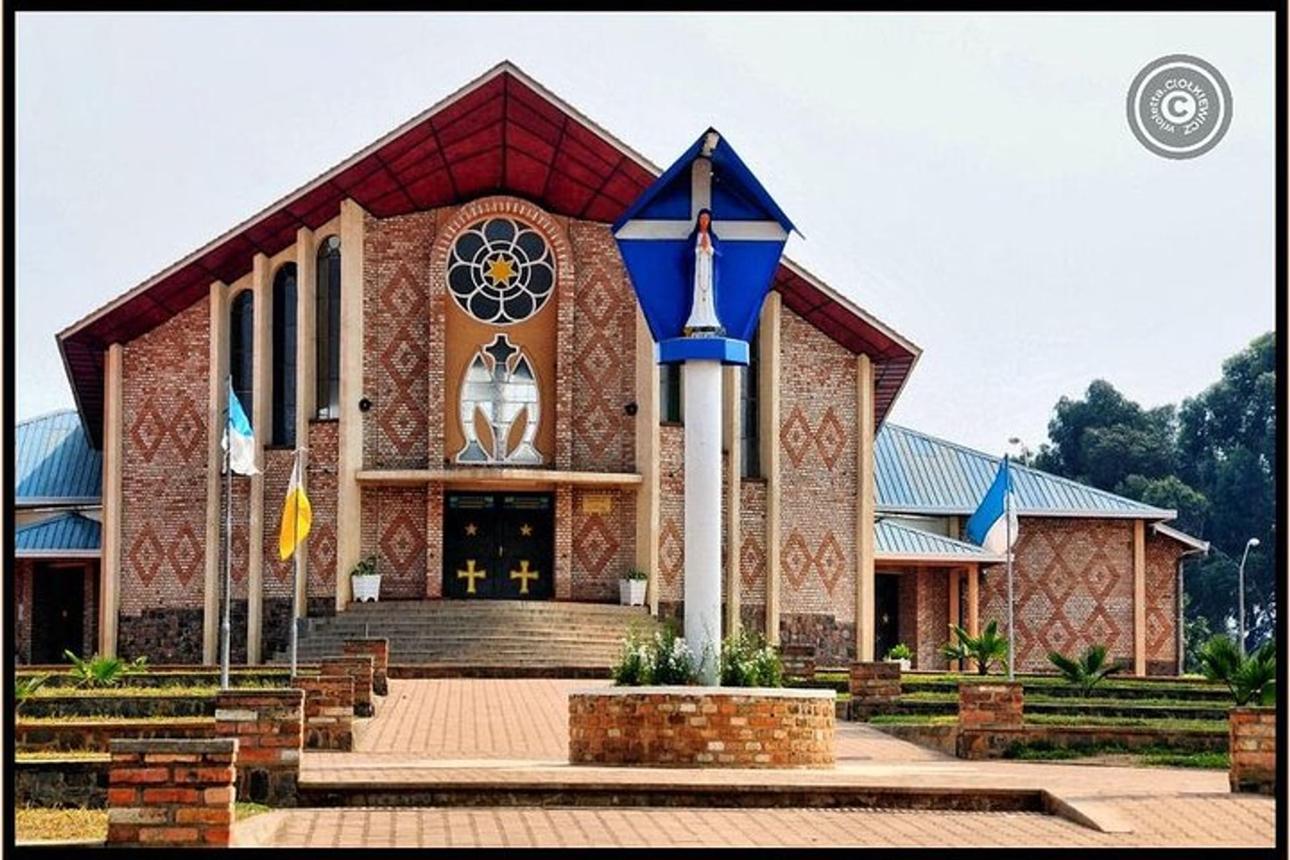
Kibeho Pilgrimage Tour Rwanda: History, Marian Apparitions and Visitor Guide
Rwanda is known for its breathtaking landscapes, mountain gorillas, and rich cultural heritage, but it is also home to one of Africa’s most significant Catholic pilgrimage destinations: Kibeho, the Sanctuary of Our Lady of Sorrows.
Located in Nyaruguru District in southern Rwanda, Kibeho attracts pilgrims from Rwanda, Uganda, other African countries, Europe, and beyond. Visitors come to pray, attend Mass, learn about the reported apparitions of the Virgin Mary, and reflect on the spiritual messages of faith, repentance, reconciliation, and prayer associated with this sacred place.
A Kibeho pilgrimage tour in Rwanda offers an opportunity to step away from everyday routines and spend time in prayer, reflection, and spiritual renewal. Whether you are traveling individually, with family, as part of a parish group, or on an organized religious journey, Kibeho provides a meaningful experience rooted in Catholic faith and Rwandan history.
At Raptors Africa Safaris, we can help you plan a Rwanda pilgrimage journey with transport, accommodation, sightseeing arrangements, and a personalized itinerary to suit your travel dates and group requirements.
Where Is Kibeho in Rwanda?
Kibeho is situated in Nyaruguru District in Rwanda’s Southern Province, in the southern part of the country near the border with Burundi.
The town is best known internationally for the reported Marian apparitions of the 1980s and the Catholic sanctuary that developed around the site. Today, it is an important destination for pilgrims seeking prayer, devotion to the Virgin Mary, and a deeper understanding of the history of the apparitions.
Kibeho can be visited as a day trip from some southern Rwanda locations, but travelers coming from Kigali will generally benefit from allowing a substantial portion of the day for the road journey. Depending on the route and traffic, the drive from Kigali may take approximately three and a half to four hours or longer.
The pilgrimage can be arranged as a standalone religious tour or incorporated into a wider Rwanda itinerary.
The History of the Kibeho Marian Apparitions
Kibeho became widely known after three schoolgirls reported seeing the Virgin Mary at their school during the 1980s. Their accounts attracted growing attention, bringing pilgrims and visitors to the area and prompting investigations by the Catholic Church.
The reported apparitions are commonly dated from 1981 to 1989. After years of examination, the local Catholic Church formally recognized the apparitions reported by three visionaries on 29 June 2001.
The First Apparition: 28 November 1981
The story began on 28 November 1981, when Alphonsine Mumureke, a student at Kibeho College, reported seeing a beautiful woman whom she identified as the Virgin Mary.
According to Alphonsine’s account, the woman introduced herself as Nyina wa Jambo, meaning “Mother of the Word.”
Alphonsine reported further experiences in the months and years that followed. Her testimony attracted the attention of other students, religious leaders, and people from outside the school.
Other Students Report Similar Experiences
Two other students subsequently reported apparitions:
- Anathalie Mukamazimpaka, who reported her first apparition in January 1982.
- Marie Claire Mukangango, who reported her first apparition in March 1982.
Their accounts contributed to the growing interest in Kibeho as a place of prayer and Marian devotion.
The messages associated with the three visionaries emphasized conversion, sincere prayer, repentance, and the importance of the Rosary. Marie Claire became particularly associated with devotion to the Rosary of the Seven Sorrows of the Virgin Mary.
Catholic Church Recognition in 2001
The reported apparitions were investigated over many years. On 29 June 2001, Bishop Augustin Misago of the Diocese of Gikongoro issued the declaration recognizing the apparitions attributed to the three principal visionaries.
This recognition established Kibeho’s importance within Catholic Marian devotion and strengthened its position as an international pilgrimage destination.
When explaining the history to visitors, it is important to distinguish the Church-recognized apparitions of these three visionaries from other claims associated with the events.
Today, pilgrims visit Kibeho to reflect on the history, pray at the sanctuary, and consider the spiritual messages associated with Our Lady of Kibeho.
The Spiritual Message of Our Lady of Kibeho
For many Catholic pilgrims, Kibeho is significant not simply because of the reported apparitions, but also because of the spiritual themes associated with them.
1. Prayer and Faith
Prayer is central to the Kibeho pilgrimage experience. Visitors often spend time reciting the Rosary, attending Mass, praying for their families, and presenting personal intentions.
The pilgrimage can provide an opportunity to deepen one’s relationship with God and reflect on the place of faith in everyday life.
2. Repentance and Conversion
The messages associated with the Kibeho apparitions emphasize sincere repentance and conversion of heart.
For pilgrims, this may involve reflecting on personal decisions, seeking forgiveness, renewing their commitment to Christian values, and making a conscious effort to live with greater compassion.
3. The Rosary of the Seven Sorrows
Kibeho is closely associated with the Rosary of the Seven Sorrows of the Virgin Mary, a devotion that reflects on seven sorrows traditionally associated with Mary’s life.
Pilgrims may include this devotion in their visit, especially if they wish to learn more about Marie Claire Mukangango’s reported messages and the spiritual traditions associated with Kibeho.
4. Reconciliation and Peace
Kibeho also carries profound significance within Rwanda’s broader history. Visitors often approach the site as a place for reflection on forgiveness, human dignity, reconciliation, and peace.
A pilgrimage can therefore be both a personal spiritual journey and an opportunity to reflect on the responsibilities individuals and communities share in building a more peaceful world.
What to See During a Kibeho Pilgrimage Tour
A pilgrimage to Kibeho can include several places associated with prayer, devotion, and the history of the reported apparitions. The exact itinerary should be confirmed locally, as access, services, and religious schedules may vary.
1. Sanctuary of Our Lady of Kibeho
The sanctuary is the main destination for pilgrims visiting Kibeho. It is the focal point for prayer, Mass, and Marian devotion.
Visitors may attend a scheduled religious service, pray quietly, or spend time reflecting on the spiritual significance of the site.
If attending Mass is important to your visit, check the current schedule before traveling, especially during major pilgrimage celebrations.
2. Chapel of the Apparitions
The Chapel of the Apparitions is associated with the school grounds where the reported apparitions began.
Pilgrims visit the chapel for private prayer and reflection. It is a place to learn more about the history of the three visionaries and contemplate the significance of the events reported at Kibeho.
Visitors should maintain a respectful atmosphere, especially when others are praying.
3. The Rosary of the Seven Sorrows
Pilgrims with a particular interest in Marian devotion may choose to pray the Rosary of the Seven Sorrows during their visit.
This devotion is closely associated with Marie Claire Mukangango and is an important part of Kibeho’s spiritual heritage.
If you are unfamiliar with the prayers, consider bringing a prayer booklet or asking your parish or spiritual director for guidance before traveling.
4. The Way of the Cross at Sinai Hill
Depending on local access and conditions, visitors may include the Way of the Cross on Sinai Hill in their pilgrimage.
This devotional walk offers time for prayer and meditation on the Passion of Christ. The route may involve uneven ground, steps, or slopes, so comfortable walking shoes are recommended.
Allow sufficient time and avoid rushing through the stations.
5. The Spring and Other Devotional Areas
Some visitors also wish to visit the spring and other places associated with local pilgrimage traditions.
Ask your local guide or the sanctuary authorities about current access and the appropriate way to visit these locations. Do not assume that water or other items associated with a religious site have guaranteed healing properties.
6. Time for Personal Prayer and Reflection
A meaningful pilgrimage does not need to be defined by the number of sites visited.
Many pilgrims value having time to sit quietly, pray for loved ones, attend Mass, or reflect on personal challenges and hopes.
When planning your tour, allow enough time for these moments rather than filling the day entirely with transfers and sightseeing.
Best Time to Visit Kibeho for a Pilgrimage
Kibeho welcomes pilgrims throughout the year, but some dates are particularly significant within the pilgrimage calendar.
15 August: The Feast of the Assumption
The Feast of the Assumption of the Blessed Virgin Mary is an important date for Catholic Marian devotion. Pilgrims may choose to visit Kibeho around this celebration to participate in prayer and religious gatherings.
Expect higher demand for transport and accommodation around major pilgrimage events, and confirm the official programme before making arrangements.
28 November: Anniversary of the First Reported Apparition
28 November marks the anniversary of the first reported apparition to Alphonsine Mumureke in 1981.
The date has special historical and spiritual importance for many pilgrims and can attract large crowds. Advance planning is recommended for individuals, families, and parish groups.
Visiting During Other Months
A pilgrimage outside the major celebrations may offer more time for quiet prayer and personal reflection.
The weather in southern Rwanda varies seasonally. Drier periods often make travel and walking more comfortable, while rainy periods may bring muddy paths and showers. However, a pilgrimage can be meaningful at any time of year.
Our recommendation: Choose your dates according to your spiritual priorities, the official church calendar, and your preferred travel style. Confirm Mass times and special-event arrangements with the sanctuary before departure.
How to Travel to Kibeho From Kigali
Many international visitors arrive in Rwanda through Kigali and continue by road to Kibeho.
The journey typically takes several hours, depending on traffic, route, and road conditions. A private vehicle with a local driver can make the journey more convenient, particularly for families, older pilgrims, and church groups.
Private Transfer From Kigali
A private transfer allows you to travel at your own pace and arrange stops where appropriate.
Depending on your itinerary, you may wish to stop for refreshments or a meal along the way. If you intend to attend a particular Mass or religious event, leave enough time for the journey and confirm the schedule in advance.
Organized Pilgrimage Tour
An organized tour can coordinate transport, accommodation, local guidance, and a realistic visit schedule.
This option is especially helpful for parish groups, religious associations, and visitors unfamiliar with Rwanda’s roads or local arrangements.
Traveling From Uganda
Pilgrims traveling from Uganda can plan a Rwanda pilgrimage as part of a wider regional journey. The itinerary will depend on the departure location, border arrangements, travel documents, and whether the group wants to visit other destinations in Rwanda.
Check current entry requirements and border procedures before departure, and allow adequate time for international road travel.
Suggested Kibeho Pilgrimage Itinerary
The following is an example of a two-day pilgrimage from Kigali. It can be adjusted to suit your group size, preferred prayer activities, and confirmed religious schedules.
Day 1: Kigali to Kibeho
- Depart Kigali in the morning with your driver or organized tour.
- Travel south toward Kibeho, allowing time for road conditions and suitable breaks.
- Arrive and check in at your arranged accommodation, if staying overnight.
- Visit the Sanctuary of Our Lady of Kibeho, subject to opening arrangements.
- Spend time in personal prayer and reflection.
- Review the following day’s religious programme with your guide or local contact.
Overnight: Kibeho or a suitable nearby location, depending on availability.
Day 2: Prayer, Sanctuary Visit and Return to Kigali
- Attend Mass if a suitable service is scheduled.
- Visit the Chapel of the Apparitions.
- Spend time in prayer or the Rosary of the Seven Sorrows.
- Visit other accessible devotional sites, depending on local arrangements.
- Have lunch and prepare for the return journey.
- Travel back to Kigali.
For pilgrims who prefer a slower pace, an additional night can allow more time for prayer and participation in religious activities.
Practical Visitor Guide: What to Know Before You Go
Dress Respectfully
Kibeho is a Catholic pilgrimage destination. Wear modest clothing suitable for a place of worship, and follow any specific guidance provided by the sanctuary.
Comfortable footwear is useful if your visit includes outdoor devotional paths.
Check Mass Times in Advance
Religious schedules may change, especially around major feast days. Confirm Mass times and any special pilgrimage arrangements before traveling.
Do not assume that a service will take place at a particular time without checking.
Prepare for the Weather
Carry a light rain jacket, drinking water, sunscreen, and comfortable walking shoes. Rain can make some paths slippery, so take care on slopes and uneven surfaces.
Bring Your Personal Prayer Items
You may wish to bring a Rosary, prayer book, Bible, notebook, or a list of prayer intentions.
If traveling with a parish or church group, coordinate devotional materials and any planned prayers with your group leader.
Carry Some Local Currency
Cash may be useful for small purchases, refreshments, and local services. Confirm payment arrangements for transport, accommodation, and organized activities before departure.
Respect Other Pilgrims
Keep noise low in prayer areas, follow photography rules, and avoid disrupting Mass or private prayer. Ask permission before photographing individuals.
Make Arrangements for Groups
Parishes, church associations, and large families should coordinate transport, accommodation, meal arrangements, and the timing of visits in advance.
If your group includes older people or visitors with reduced mobility, allow extra time and discuss accessibility needs before confirming the itinerary.
Can You Combine Kibeho With Other Rwanda Attractions?
Yes. Depending on the length of your trip, you may combine Kibeho with other destinations in Rwanda.
Kigali
Rwanda’s capital offers museums, cultural experiences, markets, and important sites related to the country’s history. Some visitors choose to spend time in Kigali before or after their pilgrimage.
Huye
Huye is a useful stop in southern Rwanda for travelers planning a road journey to Kibeho. Depending on your interests and available time, you may include local cultural or educational attractions.
Nyungwe Forest National Park
Travelers with additional days may consider Nyungwe Forest National Park, known for its rainforest biodiversity, nature trails, and chimpanzee tracking opportunities.
This is a nature-based extension rather than a religious pilgrimage activity, so it is best included when the group has sufficient time and wishes to combine spiritual travel with wildlife experiences.
A combined itinerary should allow adequate time for both prayer and travel instead of attempting to fit too many activities into a short visit.
Why Plan Your Kibeho Pilgrimage With Raptors Africa Safaris?
A successful pilgrimage requires more than reaching the destination. It involves arranging comfortable transport, choosing suitable accommodation, allowing time for prayer, and understanding the local travel arrangements.
Raptors Africa Safaris can help organize a personalized Rwanda journey based on your travel dates, group size, and interests.
We can assist with:
- Private road transfers and transport planning.
- Accommodation arrangements, subject to availability.
- Tailored itineraries for individuals, families, and parish groups.
- Combining Kibeho with Kigali or other Rwanda destinations.
- Practical guidance on travel timing and preparation.
Religious services and access to specific devotional sites should always be confirmed with the relevant church or sanctuary authorities. Our role is to help coordinate the travel arrangements around your pilgrimage plans.
Conclusion: Experience the Spiritual Significance of Kibeho
A Kibeho pilgrimage tour in Rwanda offers an opportunity to explore an important chapter of Catholic history while making time for prayer, reflection, and spiritual renewal.
From the Sanctuary of Our Lady of Kibeho to the Chapel of the Apparitions and the devotion to the Rosary of the Seven Sorrows, the destination invites visitors to reflect on faith, repentance, compassion, and reconciliation.
Whether you are traveling alone, with your family, or as part of a parish group, thoughtful planning can help make your pilgrimage more comfortable and meaningful.
Plan your Rwanda pilgrimage with Raptors Africa Safaris. Visit www.bookgorillatracking.com to discuss your preferred dates, transport arrangements, and a customized itinerary.
Contact our team to start planning your Kibeho pilgrimage and discover how to combine this important spiritual destination with other experiences in Rwanda.
Frequently Asked Questions About Kibeho Pilgrimage Tours
Where is Kibeho pilgrimage site located?
Kibeho is located in Nyaruguru District in Rwanda’s Southern Province. It is known for the Sanctuary of Our Lady of Kibeho and the reported Marian apparitions of the 1980s.
Why is Kibeho famous among Catholics?
Kibeho is known for the reported apparitions of the Virgin Mary to three schoolgirls, whose experiences were recognized by the local Catholic Church in 2001. The site attracts pilgrims who come to pray, attend religious services, and learn about the associated messages.
Who were the three recognized visionaries of Kibeho?
The three principal visionaries whose reported apparitions were recognized were Alphonsine Mumureke, Anathalie Mukamazimpaka, and Marie Claire Mukangango.
When is the best time to visit Kibeho?
Kibeho can be visited throughout the year. 15 August and 28 November are particularly important dates for many pilgrims, but they can also be busy. Check the official programme before planning a visit around either date.
How long does it take to travel from Kigali to Kibeho?
The journey generally takes around three and a half to four hours by road, although traffic, route, and road conditions can affect travel time. Allow extra time if you need to attend a particular religious service.
Can I visit Kibeho in one day?
A day trip may be possible from Kigali, but it involves several hours of road travel in each direction. An overnight stay is preferable if you want a more relaxed pilgrimage with time for prayer and visits to several sites.
Can a church or parish group arrange a pilgrimage to Kibeho?
Yes. Parish groups and religious associations can plan a group pilgrimage with advance arrangements for transport, accommodation, meals, and the timing of the visit. Confirm the group’s requirements and the sanctuary’s programme before departure.
What should I bring on a Kibeho pilgrimage?
Bring modest clothing, comfortable shoes, a rain jacket, drinking water, personal prayer items, and any necessary medication. Carry local currency for small expenses and confirm major travel costs in advance.
Can I combine Kibeho with a Rwanda tour?
Yes. Depending on your available time, Kibeho can be combined with Kigali, Huye, or other Rwanda destinations. Nature-based extensions such as Nyungwe Forest are also possible for travelers who want to combine pilgrimage with wildlife and scenery.