+256-702 595 926 | info@bookgorillatracking.com

Imbaraga Trail, Nyungwe Rwanda: Hiking Guide

Imbaraga Trail in Nyungwe National Park, Rwanda: Hiking Guide
The Imbaraga Trail in Nyungwe National Park is one of Rwanda’s most rewarding hikes for travelers seeking a challenging rainforest adventure. Located in southwestern Rwanda, Nyungwe protects an extensive montane rainforest filled with spectacular valleys, flowing rivers, waterfalls, rare birds, and diverse primates.
The Imbaraga Trail is particularly popular with experienced hikers because it combines physical exercise with beautiful forest scenery. The route passes through different elevations and offers opportunities to appreciate Nyungwe’s rich biodiversity, including the possibility of encountering chimpanzees or other primates in their natural habitat.
The name Imbaraga means “strength” in Kinyarwanda, reflecting the physical effort required to complete this demanding hike.
For travelers who want to explore Rwanda beyond gorilla trekking and traditional wildlife safaris, hiking the Imbaraga Trail provides a memorable way to experience the country’s natural landscapes.
Raptors Africa Safaris can help you plan a Rwanda nature holiday that combines the Imbaraga Trail with chimpanzee trekking, birdwatching, the Nyungwe Canopy Walkway, and other East African adventures.
Where Is the Imbaraga Trail Located?
The Imbaraga Trail is located inside Nyungwe National Park in southwestern Rwanda. The trail starts at the Uwinka Visitor Centre, one of the park’s main visitor facilities.
Nyungwe is an important conservation area known for its montane rainforest, remarkable plant diversity, and numerous primate species. Its network of hiking trails allows visitors to explore different parts of the forest, from short nature walks to demanding full-day hikes.
The Imbaraga Trail descends through forested valleys and riverine habitats before returning along the route. Hikers experience changing vegetation, scenic viewpoints, streams, and waterfalls along the way.
The park is approximately a five- to six-hour drive from Kigali, depending on road conditions, stops, and your destination within the Nyungwe region.
Imbaraga Trail Distance, Duration and Difficulty
The Imbaraga Trail is a challenging hiking route designed for visitors with a good level of physical fitness.
The official Nyungwe trail information lists the Imbaraga route at approximately 9.8 kilometres, taking around six hours to complete. The trail is classified as difficult, and hikers should prepare for steep sections, uneven ground, and potentially slippery forest paths.
Actual hiking time varies with fitness, weather, trail conditions, and the number of stops along the way.
What Makes the Imbaraga Trail Special?
1. Four Scenic Waterfalls
One of the main highlights of the Imbaraga Trail is its series of four waterfalls. The sound of flowing water adds to the atmosphere as hikers descend through the rainforest.
The waterfalls provide opportunities to appreciate Nyungwe’s natural beauty, observe the surrounding vegetation, and take photographs where conditions permit.
The combination of waterfalls, rivers, and dense forest makes this trail particularly attractive to visitors who enjoy nature photography.
2. Beautiful Rainforest Valleys
The trail passes through lush valleys surrounded by forest-covered hills. As the route changes elevation, the vegetation and scenery change, giving hikers a closer look at the diversity of Nyungwe’s ecosystem.
The forest can feel cool and misty, with filtered sunlight passing through the canopy. These conditions create a distinctive hiking experience compared with open-country trails and mountain routes.
3. Rivers and Streams
Watercourses form an important part of the Imbaraga Trail experience. Along the route, hikers may encounter streams and riverine habitats that support different plants, insects, and other forest organisms.
Take care on wet rocks, muddy paths, and any sections where water crosses the trail. Always follow your guide’s instructions.
4. Opportunities to See Primates
Nyungwe is famous for its primate diversity, including chimpanzees, black-and-white colobus monkeys, and other forest-dwelling monkeys.
Hikers may hear primates calling or spot animals moving through the canopy. However, sightings are unpredictable, and the Imbaraga Trail should primarily be considered a hiking experience rather than a dedicated chimpanzee tracking excursion.
If seeing chimpanzees is your main objective, arrange a separate authorized chimpanzee trekking activity.
5. Rich Forest Biodiversity
Nyungwe’s montane rainforest contains an impressive range of trees, ferns, flowering plants, insects, and bird species.
Walking the Imbaraga Trail gives visitors time to appreciate this biodiversity at a slower pace. A knowledgeable guide can help identify interesting plants, explain the ecological importance of the forest, and point out wildlife signs along the route.
What to Expect When Hiking the Imbaraga Trail
Your Imbaraga hiking adventure begins at the Uwinka Visitor Centre, where you meet the park guide and receive a briefing.
The trail is generally scheduled to start at around 9:00 a.m., although travelers should confirm the current departure time and arrangements with park management before visiting.
Step 1: Arrival and Briefing
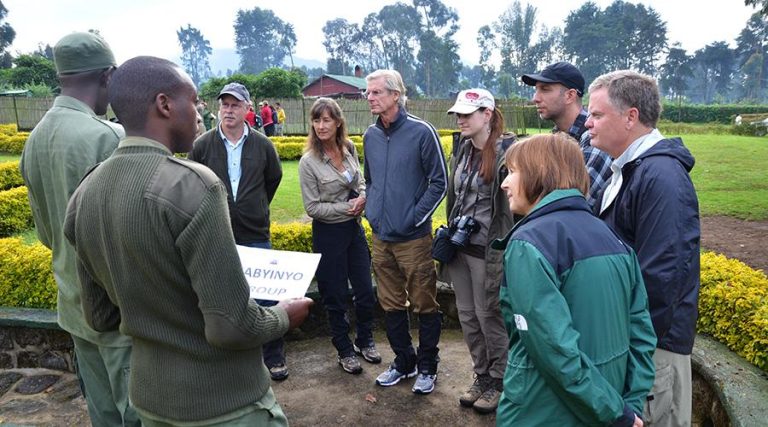
Arrive at Uwinka in time for registration and the safety briefing. Your guide explains the route, hiking conditions, and appropriate behavior around wildlife.
Make sure you have sufficient drinking water, suitable footwear, and rain protection before setting off.
Step 2: Enter the Rainforest
The hike begins along forest paths surrounded by vegetation and tall trees. Your guide helps you navigate the route and interpret the natural environment.
The forest may be cool and misty, and sections can become slippery after rain.
Step 3: Descend into the Valleys
As the trail progresses, you encounter changes in elevation, forest vegetation, and riverine habitats. This part of the hike requires careful footing, particularly on steep or muddy sections.
Take your time, maintain a comfortable pace, and stop when needed.
Step 4: Explore the Waterfalls
The waterfalls are among the major highlights of the trail. Enjoy the scenery and listen to the sounds of the forest while following the guide’s instructions about safe viewing areas.
Step 5: Complete the Hike
After exploring the route, continue with your guide and complete the hike. Allow time for rest stops, photography, and changes in trail conditions.
Because the hike can be demanding, avoid scheduling another strenuous activity immediately afterward.
How Difficult Is the Imbaraga Trail?
The Imbaraga Trail is classified as difficult and is best suited to travelers who are comfortable with several hours of hiking on uneven terrain.
Although the distance is manageable for many experienced hikers, the elevation changes make the route more demanding than a short nature walk.
You should be prepared for:
- Steep descents and climbs.
- Muddy or slippery trails.
- Uneven surfaces and exposed roots.
- Humidity and changing weather.
- Several hours of continuous walking.
- Limited opportunities to shorten the hike once you are on the route.
A reasonable level of cardiovascular fitness and confidence on forest trails are recommended.
If you are new to hiking or traveling with people who prefer easier walks, consider alternatives such as the Igishigishigi Trail or Buhoro Trail. Confirm the current trail conditions and difficulty classifications before choosing.
Best Time to Hike the Imbaraga Trail
The Imbaraga Trail can be explored throughout the year, subject to park operations and weather conditions.
June to September
These months generally fall within Rwanda’s longer drier season. They can be convenient for travelers combining hiking with chimpanzee trekking, birdwatching, and other outdoor activities.
December to February
This is another relatively drier period and a useful time to plan a broader Rwanda nature itinerary.
March to May
These months generally receive more rainfall. Trails may become muddy and slippery, so sturdy boots and waterproof clothing are particularly important.
October to November
This is another wetter period in much of Rwanda. Hiking may still be possible, but conditions can change quickly.
Nyungwe is a rainforest, meaning rain can occur even during the drier months. Check current conditions with park management and follow your guide’s advice.
What to Pack for the Imbaraga Trail
Proper preparation is essential for enjoying a demanding forest hike.
We recommend carrying:
- Sturdy hiking boots with good traction.
- Long trousers and a lightweight long-sleeved shirt.
- A waterproof jacket or poncho.
- Sufficient drinking water.
- Energy snacks, subject to park rules.
- A small daypack.
- Insect repellent.
- A camera or smartphone for photography.
- Personal medication and essential supplies.
- A walking stick if useful and permitted.
Avoid carrying unnecessary weight. Keep your hands free where possible, especially on steep or slippery sections.
Can You See Chimpanzees on the Imbaraga Trail?
Chimpanzees live in Nyungwe National Park, and hikers may occasionally encounter signs of primate activity or see animals in the forest.
However, sightings on the Imbaraga Trail are not guaranteed. Chimpanzees move through large areas and may remain high in the canopy or away from the hiking route.
Travelers whose main goal is to observe chimpanzees should book an official chimpanzee trekking experience separately. This activity is led by guides and trackers specifically tasked with locating habituated chimpanzee communities.
Combining a dedicated chimpanzee trek with the Imbaraga Trail is a good option for visitors who want both a primate encounter and a challenging rainforest hike.
Other Activities to Combine with the Imbaraga Trail
Nyungwe offers several additional activities that can turn a single hike into a more complete rainforest holiday.
Chimpanzee Trekking
Join an authorized guided trek to search for habituated chimpanzees in their natural habitat. The experience offers an opportunity to learn about primate behavior and rainforest conservation.
Nyungwe Canopy Walkway
The canopy walkway provides elevated views of the forest from a suspended bridge. It is an excellent complement to the Imbaraga Trail, offering a different perspective of the rainforest.
Birdwatching
Nyungwe is an important birding destination, particularly for Albertine Rift endemics and specialized forest species. Birdwatching with a knowledgeable guide can add another dimension to your visit.
Colobus Monkey Tracking
Black-and-white colobus monkeys are among Nyungwe’s best-known primates. An authorized tracking experience provides another opportunity to learn about the park’s wildlife.
Isumo Waterfall Trail
If you enjoy waterfalls and rainforest scenery, consider the Isumo Waterfall Trail as another hiking option. It offers a different route and landscape within Nyungwe.
Guided Night Walk
A guided night walk provides an opportunity to search for nocturnal wildlife and discover how the rainforest changes after sunset. Confirm current schedules and availability before planning this activity.
Where to Stay for the Imbaraga Trail
Your choice of accommodation depends on your budget, comfort preferences, and wider Rwanda itinerary.
Luxury Accommodation
One&Only Nyungwe House is a luxury option in the tea-growing landscape near Nyungwe. It may suit travelers looking for premium facilities and an upscale rainforest holiday.
Mid-Range Accommodation
Mid-range hotels and lodges around the Nyungwe region offer alternatives for travelers seeking comfort at a more moderate price.
Compare driving distances to Uwinka Visitor Centre, meal arrangements, and the availability of early departures.
Budget Accommodation
Guesthouses and park-associated accommodation options may be suitable for travelers looking to manage their safari costs.
Check current availability, facilities, and transportation arrangements before booking.
Accommodation tip: Since the Imbaraga Trail begins at Uwinka Visitor Centre, confirm the travel time from your chosen accommodation before finalizing your plans.
How to Get to Nyungwe National Park
Most international visitors reach Nyungwe by road from Kigali, Rwanda’s capital.
The journey generally takes around five to six hours, depending on road conditions, traffic, and your final destination. A private transfer allows you to travel at a comfortable pace and make stops along the way.
Nyungwe can also be reached by flying from Kigali to Kamembe Airport and continuing by road, subject to flight schedules and availability.
For a longer Rwanda safari, you can combine Nyungwe with:
- Kigali city and cultural experiences.
- Lake Kivu for scenic lakeside relaxation.
- Volcanoes National Park for mountain gorilla trekking.
- Akagera National Park for savannah wildlife viewing.
Travelers with more time can combine Rwanda and Uganda for a broader East African adventure featuring primates, wildlife, birding, and cultural experiences.
Responsible Hiking and Conservation in Nyungwe
Nyungwe’s rainforest is an important habitat for many wildlife species. Responsible hiking helps protect the forest while supporting conservation and nature-based tourism.
Visitors should:
- Hike with an authorized park guide.
- Stay on designated trails.
- Avoid disturbing or feeding wildlife.
- Keep noise levels low when observing animals.
- Take all rubbish back with them.
- Follow safety instructions around waterfalls and rivers.
- Avoid removing plants or other natural materials.
- Respect park regulations and other visitors.
By following these practices, travelers help preserve Nyungwe’s natural heritage for future generations.
Frequently Asked Questions About the Imbaraga Trail
1. How long is the Imbaraga Trail?
The trail is approximately 9.8 kilometres long and generally takes around six hours to complete.
2. Where does the Imbaraga Trail start?
The hike starts at Uwinka Visitor Centre inside Nyungwe National Park, Rwanda.
3. How difficult is the Imbaraga Trail?
It is classified as difficult and is best suited to hikers with good physical fitness and some experience walking on uneven terrain.
4. What is the Imbaraga Trail famous for?
The trail is known for its four scenic waterfalls, rainforest valleys, rivers, viewpoints, and opportunities to appreciate Nyungwe’s biodiversity.
5. Can beginners hike the Imbaraga Trail?
Beginners with good fitness may be able to complete it, but the route is demanding. Less experienced hikers should discuss their ability with park staff and consider shorter, easier trails.
6. Can I see chimpanzees while hiking the Imbaraga Trail?
It is possible, but sightings are not guaranteed. Book a dedicated chimpanzee trekking experience if seeing chimpanzees is a priority.
7. Do I need a guide for the Imbaraga Trail?
Yes. Nyungwe National Park requires visitors to use park guides for its walking and hiking trails. Confirm the current booking and guide arrangements with park management.
8. What is the best time to hike the Imbaraga Trail?
June to September and December to February are commonly useful periods for planning outdoor activities. However, Nyungwe can experience rain throughout the year, and trail conditions should always be checked.
Plan Your Imbaraga Trail Hiking Adventure with Raptors Africa Safaris
The Imbaraga Trail offers a challenging and rewarding way to experience Nyungwe National Park. Its forest valleys, scenic waterfalls, rivers, and rich biodiversity make it an excellent choice for travelers who enjoy active holidays and nature exploration.
Whether you want to hike the Imbaraga Trail on its own or combine it with chimpanzee trekking, birdwatching, the canopy walkway, and other Rwanda attractions, planning ahead helps you make the most of your time in the rainforest.
Raptors Africa Safaris can help you plan a tailor-made East African adventure based on your travel dates, interests, accommodation preferences, and budget.
Ready to explore Nyungwe on foot?
Visit bookgorillatracking.com to start planning your Rwanda hiking adventure with Raptors Africa Safaris.
Raptors Africa Safaris — Your gateway to East Africa’s wildlife and natural wonders.